 MomSkoop

Most parents would never look you in the eye and say, “I’m lonely.” Instead, they drop quiet hints through everyday comments that are easy to miss if you’re not paying attention.
These small phrases can carry a lot of weight, and learning to recognize them can make a real difference in your parent’s life. Knowing what to listen for is one of the most loving things you can do.
1. You Must Be Too Busy to Call
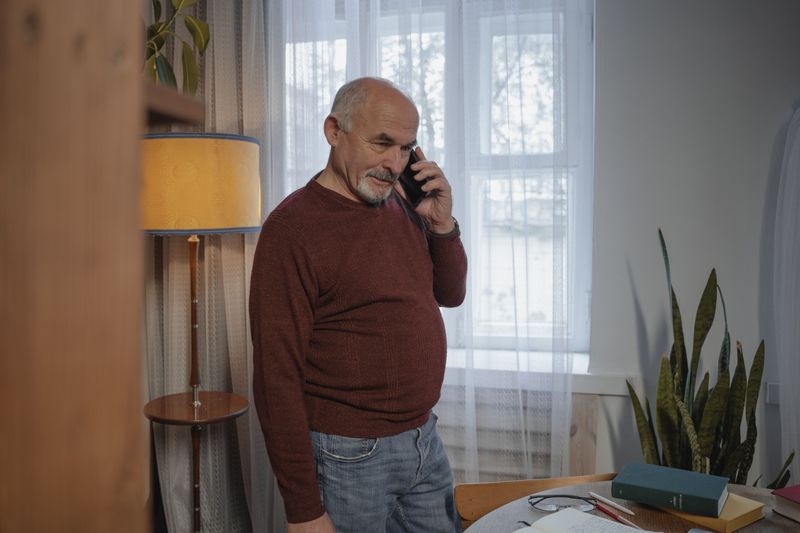
That one sentence can carry more emotion than a whole conversation.
When a parent says this, they are not really talking about your schedule.
They are telling you that they miss hearing your voice and feel like they have slipped down your priority list.
Most parents say this in a joking tone, which makes it easy to brush off.
But underneath the lightness, there is real hurt.
They want connection, not an apology.
Try calling just to say hello, even for five minutes.
A short, regular call does more good than a long one that happens once a month.
Consistency tells them they matter to you every single day.
2. The House Feels So Quiet These Days

Silence can be deafening when you are used to a house full of people.
This comment is your parent painting a picture of how empty their daily life has become.
It is not just about noise.
It is about the absence of energy, laughter, and presence.
When children grow up and move out, the shift can feel sudden even when it happens gradually.
A quiet house can remind a parent of everything that has changed around them.
Suggesting small ways to bring life back into the home can help.
A pet, a podcast playing in the background, or even a weekly video call can fill some of that silence with warmth.
3. I Don’t Really Have Anyone to Talk To
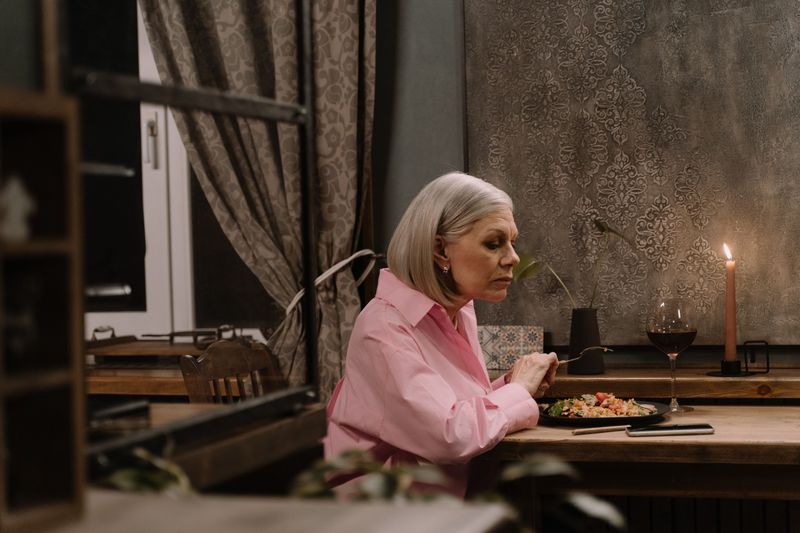
Few admissions take more courage than this one.
Saying out loud that you have no one to talk to means accepting a kind of invisible pain that many people keep hidden for years.
When your parent says this, take it seriously.
Social connection is tied directly to mental and physical health.
Research shows that chronic loneliness can be as harmful as smoking.
Your parent may not realize how serious their isolation has become.
Start by becoming that person they can talk to.
Check in regularly, ask open-ended questions, and actually listen.
From there, gently encourage them to explore community groups, senior centers, or hobby classes where new friendships can grow naturally.
4. I Haven’t Seen Anyone All Week
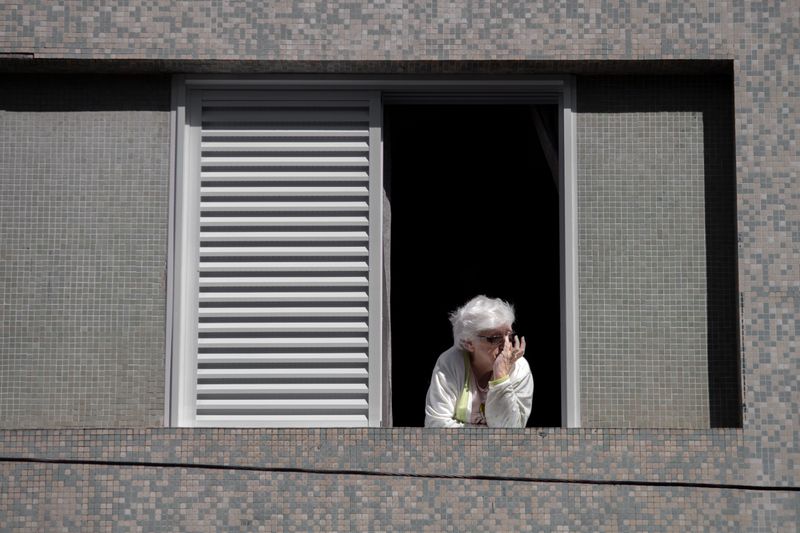
A week without human contact is a long time.
When a parent mentions this almost casually, it often means it has become their new normal and they have stopped expecting things to be different.
That quiet acceptance is one of the saddest parts of aging alone.
People need face-to-face interaction.
Even brief exchanges with neighbors, cashiers, or friends provide small but meaningful doses of connection.
Without them, days can blur together in a way that feels invisible to others.
If you live far away, reach out to neighbors or local friends who might check in.
Scheduling regular visits, even short ones, can break up long stretches of solitude and remind your parent that they are not forgotten.
5. There’s Not Much Reason for Me to Go Out
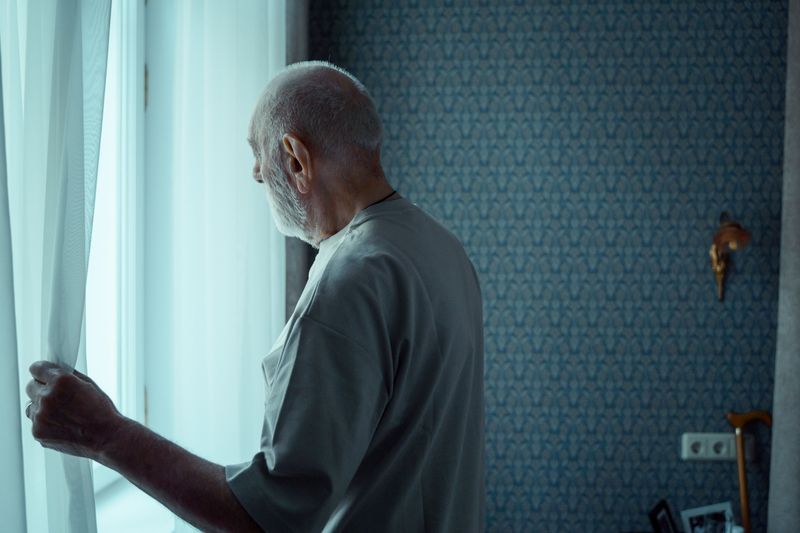
Motivation to leave the house usually comes from having something to look forward to, whether that is a lunch date, an errand with a friend, or a weekly class.
When that reason disappears, so does the habit of going out at all.
This comment reveals more than a lack of plans.
It suggests your parent may have lost their sense of purpose or belonging in their community.
That is a deeper issue worth paying attention to.
Help create reasons to step outside.
Invite them to join you for errands, suggest a weekly walk, or look into local volunteer opportunities.
Giving someone a reason to show up somewhere can quietly restore their confidence and sense of meaning.
6. I Don’t Want to Bother You
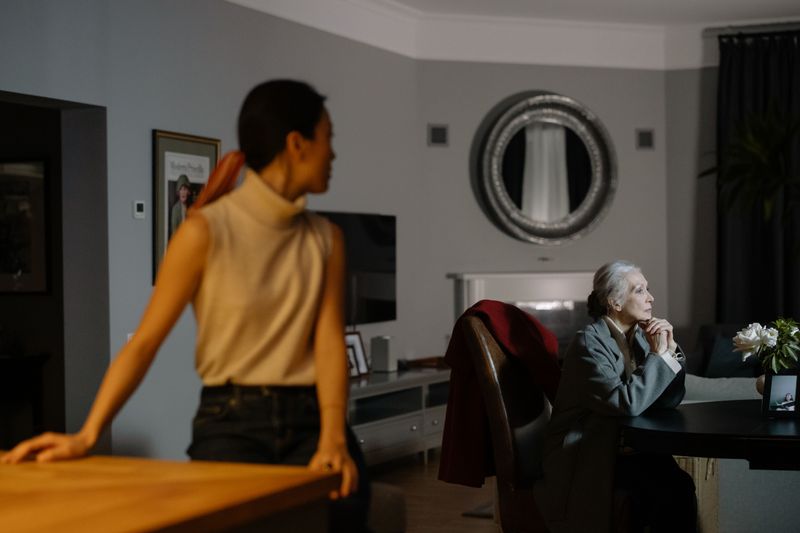
This phrase is a red flag wrapped in politeness.
Parents who say this have often decided, somewhere along the way, that their needs are too much of an inconvenience.
That belief can grow silently over time until they stop reaching out altogether.
The truth is, most adult children would want to know if their parent was struggling.
The problem is that the parent has already assumed the answer is no, so they never ask.
Reassure your parent directly and often.
Tell them that hearing from them is never a burden.
Small but clear messages like, “Please call me anytime,” can slowly chip away at the wall they have built around their own needs.
7. Everyone Seems to Have Their Own Lives Now

There is a quiet resignation in this sentence that can be heartbreaking to hear.
Your parent is not blaming anyone.
They are simply observing that the world kept moving while they stayed in the same place, waiting for visits that come less and less often.
This feeling is common among aging parents who once had full, busy households.
As family members scatter and build their own routines, the parent can feel like a chapter that has already been read and set aside.
Remind them that being part of each other’s lives does not require proximity.
Share updates about your week, ask about theirs, and include them in conversations and decisions.
Feeling included is a powerful antidote to feeling forgotten.
8. I Miss When We All Lived Closer

Nostalgia is not always just sentimental.
Sometimes it is a gentle way of saying, “I am lonely now, and I was not lonely then.” When your parent brings up the past fondly and often, it may be because the present does not offer the same warmth.
Living close to family used to be the default for many generations.
The shift to long-distance family life is relatively new, and not everyone adjusts to it easily.
Your parent may genuinely grieve the closeness that geography once made possible.
You cannot always move closer, but you can make distance feel smaller.
Frequent calls, planned visits, and shared digital experiences like watching a movie together online can help bridge the gap in meaningful ways.
9. The Days Feel So Long Lately

Time moves differently when you have nothing to fill it with.
For a parent whose days used to be packed with school runs, work, and family dinners, empty hours can feel like a kind of punishment.
Long days often signal a deeper lack of structure and purpose.
When someone is engaged, stimulated, and socially connected, time passes quickly.
When they are not, every hour can feel heavy and slow.
Your parent may not recognize this as loneliness, but that is often exactly what it is.
Helping them find a new routine can make a real difference.
Even small anchors like a morning walk, a library visit, or a regular phone call can give the day a shape that makes it feel worthwhile.
10. I Wish You Could Visit More Often
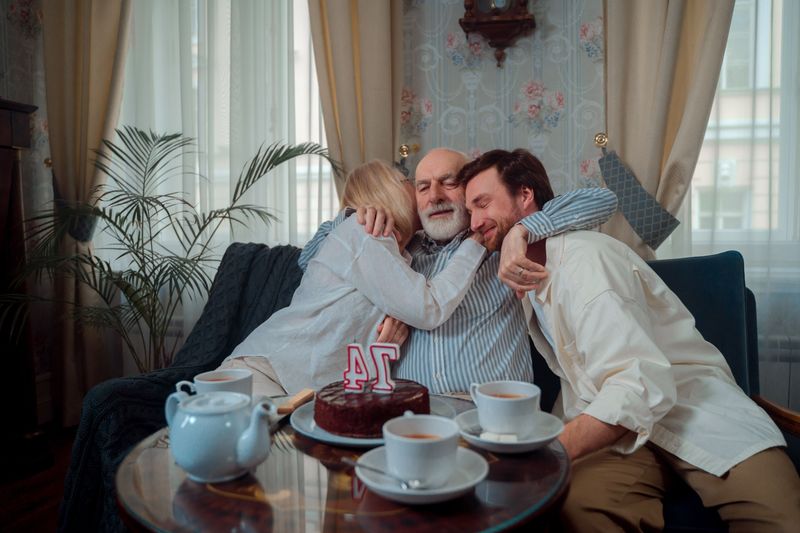
Of all the comments on this list, this one is perhaps the most direct.
Your parent is telling you clearly what they need.
The fact that they said it out loud, instead of keeping it to themselves, means the longing has grown strong enough to speak.
Visits are not just about being in the same room.
They represent effort, priority, and love made visible.
For a parent who spends most of their time alone, a visit can feel like sunlight breaking through clouds.
Even if long visits are not possible, short and frequent ones carry real power.
A two-hour drop-in on a Saturday afternoon can do more for your parent’s emotional health than a week-long trip once a year.
11. I Don’t Really Make Plans Anymore
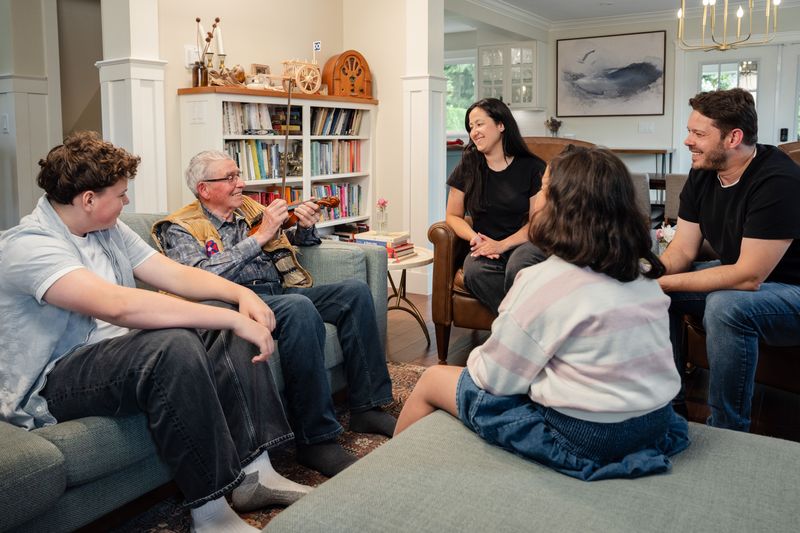
Planning ahead requires having something to look forward to.
When a parent stops making plans, it often means they have stopped expecting good things to happen.
That shift in thinking is a quiet warning sign worth taking seriously.
People who feel socially connected tend to stay more active and engaged with the future.
They make plans because plans mean connection.
A parent who has withdrawn from that cycle may need a gentle nudge back in.
Offer to make a plan together.
Suggest a specific date for a call, a lunch, or an outing, and follow through.
Showing up consistently gives your parent evidence that the future holds something worth anticipating, and that small belief can be genuinely life-changing.
12. I Guess I’m Just Used to Being Alone

Acceptance is not always healthy.
When a parent says they are used to being alone, it can sound like peace, but it often sounds like surrender.
They have stopped hoping for more because hoping has started to feel pointless.
This kind of resigned loneliness is one of the hardest to address because the person has already adjusted their expectations downward.
They are not asking for help anymore.
They have quietly stopped asking altogether.
Gently challenge that acceptance.
Let them know that connection is still possible and that you want to be part of making it happen.
Sometimes just hearing someone say, “You do not have to get used to this,” is enough to open a door that had quietly closed.
13. Nobody Needs Me Like They Used To

Purpose is one of the most powerful forces in a person’s life.
For many parents, their sense of value was deeply tied to being needed, as a caregiver, a provider, a problem-solver, or a source of wisdom.
When that role fades, so can their sense of self.
This comment is about more than loneliness.
It touches on identity.
Your parent may feel like they have become irrelevant, and that feeling can quietly fuel depression and withdrawal over time.
Find real ways to need them.
Ask for their advice, their recipes, their stories.
Involve them in decisions, even small ones.
Feeling genuinely useful is not a luxury for aging parents.
For many, it is what keeps them emotionally alive and engaged with the world.
14. It’s Nice Just Having Someone to Talk To

When your parent says this at the end of a conversation, pay attention.
It is one of the most tender and telling things they can say.
That small sentence reveals how rare connection has become for them, and how much your presence, even through a screen or a phone line, truly matters.
It is easy to underestimate the impact of a regular conversation.
But for someone who spends long stretches in silence, a familiar voice can feel like a lifeline.
Your parent may not say it often, but they feel it deeply.
Let this comment motivate you to call more, not out of guilt, but out of love.
You have the power to be someone’s highlight on an otherwise quiet day.
That is a gift worth giving.