 MomSkoop

Most parents want nothing more than to raise strong, happy, and successful kids. But sometimes, the lessons passed down from generation to generation can quietly do more harm than good.
Many of these messages feel completely normal because they were taught to us, too. Understanding where these lessons go wrong is the first step toward raising emotionally healthier children.
1. Big Boys Don’t Cry

Somewhere between scraped knees and school hallways, many boys are handed an invisible rule: feelings are weakness.
Telling a child to stop crying does not make the emotion disappear.
It simply teaches them to bury it deeper, where it festers over time.
Emotional repression in childhood is linked to anxiety, anger issues, and difficulty forming close relationships later in life.
Boys especially grow up feeling ashamed of vulnerability, which makes it harder to ask for help when they truly need it.
Crying is not a character flaw.
It is a healthy, natural release.
Encouraging kids to name and express their feelings builds emotional intelligence that serves them for a lifetime.
2. Always Respect Adults, No Matter What

Respect is a value worth teaching, but there is a dangerous line between healthy respect and blind obedience.
When children are told to obey every adult without question, they lose the ability to recognize when something feels wrong.
Kids who are raised with strict, unquestioned authority can struggle to set boundaries later in life.
They may tolerate toxic behavior from bosses, partners, or authority figures simply because they were never taught that saying no is allowed.
Teaching children to respect others while also trusting their own instincts creates a much healthier balance.
A child who can speak up for themselves is far safer than one who has learned only silence.
3. Winning Is Everything

Picture a child who bursts into tears every time they lose a board game.
Sound familiar?
When parents constantly celebrate only wins and brush off losses, kids begin to tie their self-worth directly to their performance.
This mindset can lead to intense fear of failure, avoidance of new challenges, and crushing disappointment when things do not go perfectly.
Over time, children may stop trying altogether rather than risk feeling like a loser.
Success matters, but so does resilience.
Teaching kids to value effort, growth, and sportsmanship over trophies alone helps them develop a healthier relationship with both winning and losing throughout their lives.
4. What Will People Think?

Few phrases plant seeds of anxiety faster than this one.
When parents constantly worry out loud about outside opinions, children absorb that message and begin filtering every decision through the lens of others’ approval.
Growing up in this environment creates chronic people-pleasers who struggle to make choices for themselves.
They dress, speak, and behave based on what they think others want, often losing touch with who they actually are.
Authentic self-expression is a cornerstone of mental health.
Kids need to learn that their worth is not determined by the opinions of neighbors, relatives, or classmates.
Raising confident children means letting them be themselves, even when that looks different from the crowd.
5. Because I Said So
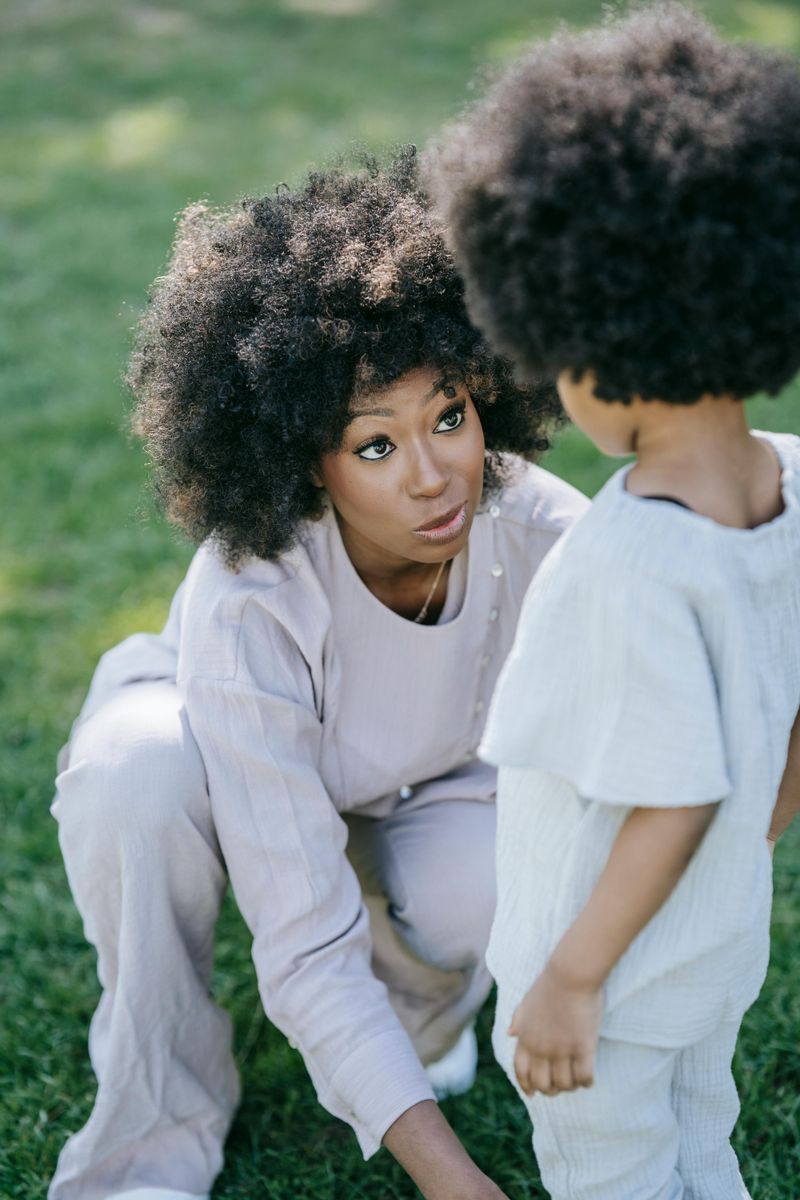
Three words that shut down curiosity faster than almost anything else.
When children ask why and receive no real answer, they learn that their questions do not matter and that authority does not need to explain itself.
Over time, this erodes critical thinking.
Kids who are never encouraged to question things grow into adults who struggle to evaluate information, speak up in unfair situations, or think independently under pressure.
Healthy communication between parents and children does not mean kids always get their way.
But taking a moment to explain the reasoning behind a rule teaches respect that goes both ways.
It also models the kind of thoughtful decision-making you want your child to grow into.
6. You Have to Be Perfect

Perfectionism often wears the disguise of high standards, but the emotional cost can be enormous.
Children who are constantly pushed to be flawless begin to fear mistakes so deeply that they avoid any situation where failure is possible.
Burnout, insomnia, low self-esteem, and chronic anxiety are all common outcomes for kids raised under the pressure of perfection.
They may excel academically while quietly falling apart on the inside, afraid to show any crack in their armor.
Mistakes are not failures.
They are how learning actually happens.
Praising effort over outcome and normalizing imperfection gives children the emotional breathing room they need to take risks, grow, and eventually thrive on their own terms.
7. Don’t Talk Back

There is a big difference between rudeness and self-advocacy, but many children are never taught where that line is.
When every disagreement is labeled as talking back, kids quickly learn that their voice has no value at home.
That silence does not stay at home.
It follows them into classrooms, friendships, workplaces, and relationships.
Children who are repeatedly silenced can grow into adults who struggle to speak up when it matters most, even when their wellbeing is on the line.
Teaching children to express disagreement respectfully is one of the greatest communication gifts a parent can give.
A child who knows how to use their voice appropriately grows into an adult who can advocate for themselves with both confidence and grace.
8. Family Comes First, No Matter What
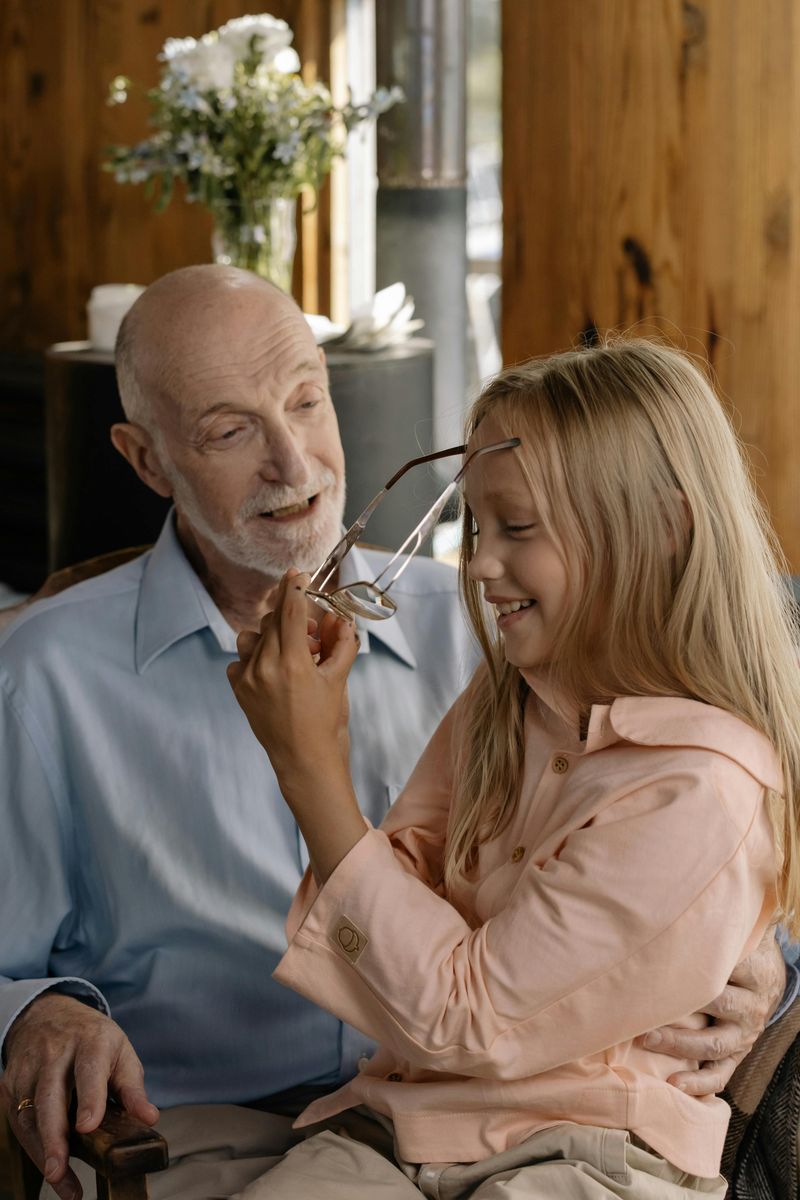
Family loyalty sounds like a beautiful value until it becomes a reason to excuse harmful behavior.
When children are taught that family always comes first no matter what, they may feel unable to speak out about abuse, neglect, or toxic dynamics happening right at home.
This lesson can also make it incredibly hard to set boundaries as an adult.
If someone grows up believing that blood automatically justifies bad treatment, they may continue to accept it long into adulthood, from relatives and beyond.
Loving your family and holding healthy boundaries are not opposites.
Kids deserve to know that relationships, even family ones, should feel safe.
Teaching them to recognize unhealthy dynamics early is an act of protection, not disloyalty.
9. Money Doesn’t Grow on Trees

Said with frustration and repeated over years, this phrase does something unintended: it wraps money in fear.
Instead of opening a conversation about budgeting, saving, or spending wisely, it creates a scarcity mindset that can follow a child well into adulthood.
Adults raised on this message often feel deep anxiety around finances.
They may hoard money out of fear, avoid looking at their bank accounts, or swing to the opposite extreme and spend recklessly because money always felt stressful and out of reach.
Kids are surprisingly ready to learn real financial concepts.
Talking openly about budgets, needs versus wants, and saving goals builds genuine money confidence.
That kind of practical knowledge is far more useful than a warning rooted in stress and shame.
10. You’re Too Sensitive

Imagine telling someone that their feelings are the problem.
That is exactly what this phrase does, and children hear it loud and clear.
Over time, they stop trusting their own emotional responses and begin to wonder if something is fundamentally wrong with them.
Invalidating a child’s feelings does not toughen them up.
Research consistently shows it leads to emotional dysregulation, poor self-trust, and difficulty identifying their own needs as adults.
They may also become easier targets for manipulation, having learned to doubt their instincts.
Every feeling a child has is valid, even when the reaction seems out of proportion.
Helping them process big emotions rather than dismiss them builds the kind of self-awareness and inner confidence that no amount of toughening up can replicate.
11. Love Means Sacrificing Everything
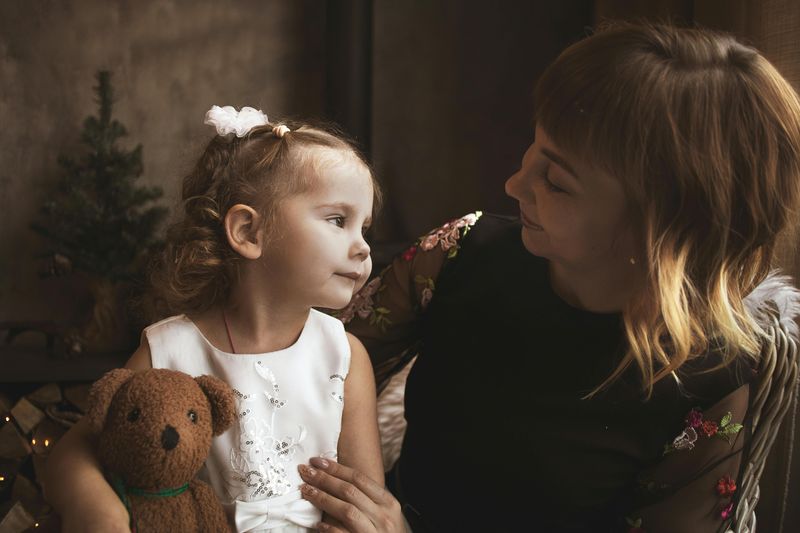
When love is framed as total self-sacrifice, children grow up with a distorted picture of what healthy relationships look like.
They may believe that giving everything, including their boundaries, their peace, and their identity, is simply what love requires.
This belief can lead directly into one-sided, exhausting, or even emotionally abusive relationships in adulthood.
A person who grew up believing love equals sacrifice may feel guilty for having needs, and ashamed when they finally try to put themselves first.
Real love involves care, generosity, and mutual respect, not endless self-erasure.
Teaching children that they are allowed to have needs, to rest, and to say no within loving relationships is one of the most powerful lessons a parent can ever pass on.