 MomSkoop
Growing up feeling unheard leaves a mark that many people carry quietly into adulthood.
But something remarkable happens when those kids become parents — they make a powerful choice to do things differently.
Instead of repeating the past, they transform their old wounds into wisdom.
The traits they develop are not accidental; they are deeply intentional acts of love.
1. They Listen All the Way Through

There is something quietly powerful about a parent who refuses to interrupt.
Having grown up in homes where their words were cut short or brushed aside, these parents know exactly how much it stings to lose your train of thought mid-sentence.
So they sit.
They wait.
They let the full story unfold, even when it takes a while.
Their child is never rushed through a sentence just because dinner is getting cold.
Listening all the way through is their quiet rebellion against the past — and their greatest gift to their child’s confidence.
2. They Take Feelings Seriously — Even the Small Ones
Playground drama might look small from the outside, but to a seven-year-old, it can feel like the world is ending.
Parents who were once dismissed for their “overreactions” never forget how lonely that felt.
That memory keeps them from rolling their eyes when their child cries over a broken crayon or a friend who didn’t save them a seat.
Every feeling gets a moment of acknowledgment.
Because they learned the hard way that no emotion is too small to deserve kindness, they raise children who trust their own inner world completely.
3. They Ask Follow-Up Questions

“What was that like for you?” — four words that can completely change a conversation.
Parents who never felt heard grew up around adults who changed the subject, gave quick advice, or simply moved on too fast.
Now, they do the opposite.
When their child shares something, they lean in closer.
They ask what happened next, how it made them feel, or what they wish had gone differently.
Follow-up questions send a clear message: your story is worth exploring.
That message, repeated over years, builds children who are confident, expressive, and emotionally grounded.
4. They Create Space for Big Emotions

Anger, sadness, embarrassment — these are not pretty emotions, but they are real ones.
Parents who were once told to “stop crying” or “calm down immediately” carry the weight of those silenced feelings for years.
Rather than repeating that pattern, they allow their children to feel things fully.
There is no rush to fix the mood or silence the tears.
The emotion is allowed to exist without shame.
Holding space like this is not passive — it is one of the most active and courageous forms of parenting.
It teaches children that their full emotional range is always safe at home.
5. They Apologize When They Get It Wrong
Saying “I was wrong, and I’m sorry” might seem simple, but for many adults, it was never modeled.
Parents who grew up waiting for an apology that never came understand the deep ache of unacknowledged hurt.
So when they snap, misunderstand, or react unfairly, they circle back.
They sit down with their child, own the moment honestly, and repair the connection without excuses.
This kind of accountability does something extraordinary — it shows children that mistakes don’t have to end relationships.
It also quietly dismantles the belief that adults are always right, simply because they are older.
6. They Encourage Disagreement Respectfully

Some households had one rule above all others: don’t talk back.
For kids who grew up there, having a different opinion felt dangerous.
Speaking up meant consequences, not conversations.
Parents shaped by that experience build homes where a different point of view is not a threat — it is a welcome part of the family dialogue.
Their child can say “I disagree” and be met with curiosity instead of anger.
Teaching respectful disagreement is one of the most underrated parenting skills.
Children who practice it at home grow into adults who can hold their ground without losing their composure.
7. They Validate Before They Problem-Solve

Most people do not need a solution the moment something goes wrong — they need to feel understood first.
Parents who were raised by quick-fixers, who jumped to advice before truly listening, know how hollow that feels.
So they resist the urge to immediately offer answers.
Before suggesting anything, they reflect back what they heard: “That sounds really frustrating.” Those few words do more than any solution ever could in that moment.
Validation is not agreement — it is acknowledgment.
Once a child feels truly seen, they become far more open to guidance, problem-solving, and moving forward with confidence.
8. They Protect Their Child’s Voice in Public
Being talked over, laughed at, or corrected in front of others leaves a specific kind of scar.
It teaches children that their words carry no real weight — especially when the audience is watching.
Parents who lived through that experience guard their child’s voice like it is something precious, because they know it is.
They do not mock their child’s stories at the dinner table or shush them in front of relatives.
When a child sees that their parent protects their dignity publicly, something shifts.
They learn that their voice has value — not just at home, but everywhere they go.
9. They Watch Their Tone Carefully

Words matter, but tone carries the real message.
A sentence spoken with coldness or sarcasm can wound far more deeply than the words themselves suggest.
Parents who grew up on the receiving end of harsh delivery never forget how quickly a tone can shut a person down.
Now they pause.
They notice when stress is creeping into their voice.
They take a breath before responding to something that frustrates them.
This is not about being perfect — it is about being aware.
Children raised by tone-conscious parents grow up feeling safe to speak, knowing they will be met with warmth rather than edge.
10. They Never Weaponize Vulnerability

When a child opens up about something embarrassing, scary, or deeply personal, they are taking a real risk.
They are trusting that what they share will stay safe.
Parents who once had their own vulnerabilities used against them in arguments know exactly how that betrayal feels.
Because of that experience, they treat every confidence like something sacred.
What their child shares in a tender moment is never pulled out later as ammunition during a disagreement.
That kind of emotional safety is rare and incredibly powerful.
It builds a bond where the child never has to wonder whether honesty will someday be used to hurt them.
11. They Check In Without Waiting for a Meltdown

Many adults grew up in homes where emotions only got attention after they boiled over.
Nobody asked how you were doing until the tears were already running.
By then, the buildup had been going on for days.
Parents who lived that way make a conscious effort to check in before things reach a breaking point.
A simple “How are you actually doing lately?” asked on a regular Tuesday can mean everything to a child carrying something quietly.
Unprompted check-ins communicate one thing very clearly: you do not have to fall apart to deserve attention.
Your inner world matters all the time, not just in a crisis.
12. They Teach Emotional Language Early
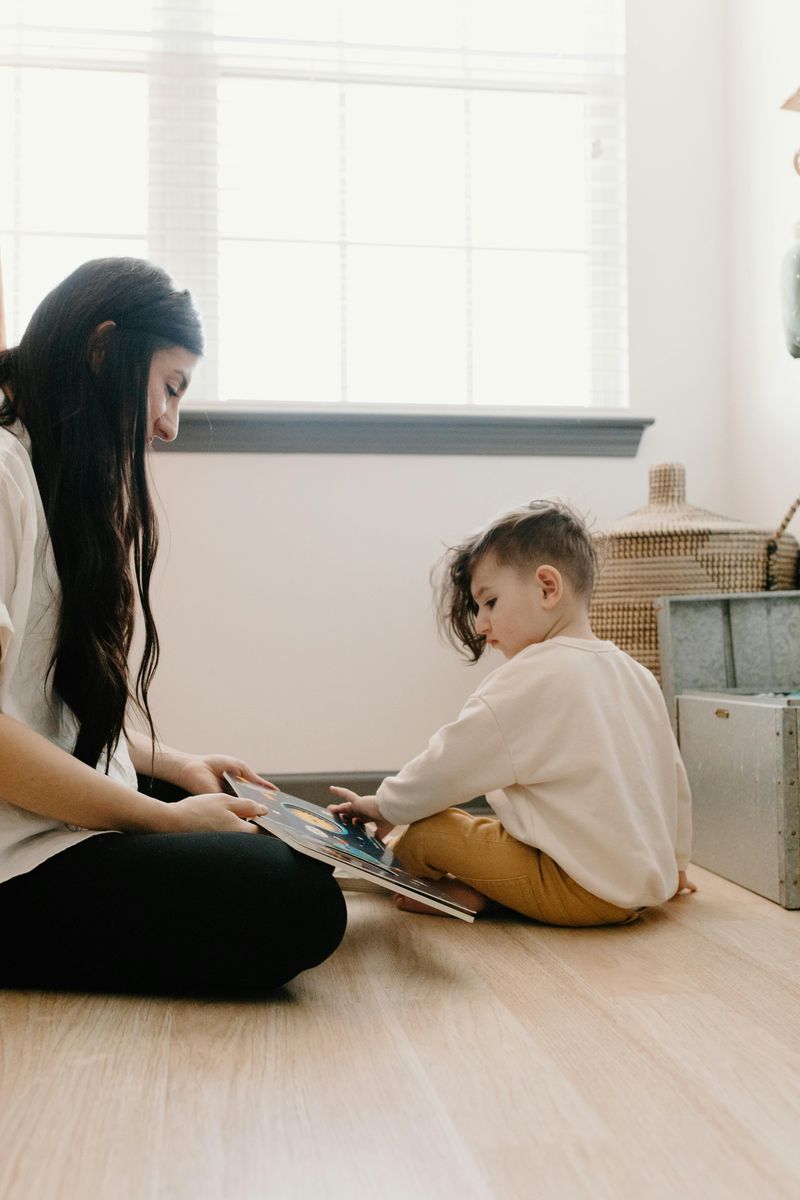
“I feel overwhelmed.” “I’m nervous, not just scared.” “I feel left out, and that’s different from being sad.” These distinctions matter — but someone has to teach them.
Many adults grew up with only a handful of emotional words, which made it nearly impossible to explain what was happening inside them.
Parents determined to change that pattern introduce emotional vocabulary early and often.
They name feelings during everyday moments, not just during meltdowns.
Children who have words for their emotions are better equipped to communicate, self-regulate, and ask for help.
Language gives feelings a shape — and a shape makes them far less scary to face.
13. They Work on Their Own Triggers

Nobody enters parenthood as a blank slate.
Everyone carries something — old arguments, unhealed moments, patterns absorbed so deeply they feel like instinct.
For parents who grew up feeling silenced, certain situations can bring all of that rushing back in an instant.
The difference is that these parents notice it.
They read, reflect, talk to a therapist, or simply sit with the discomfort long enough to understand where it comes from.
Doing the inner work is not glamorous, but it is essential.
When a parent tends to their own emotional history, they stop the cycle — and their child gets to grow up in a genuinely different story.