 MomSkoop
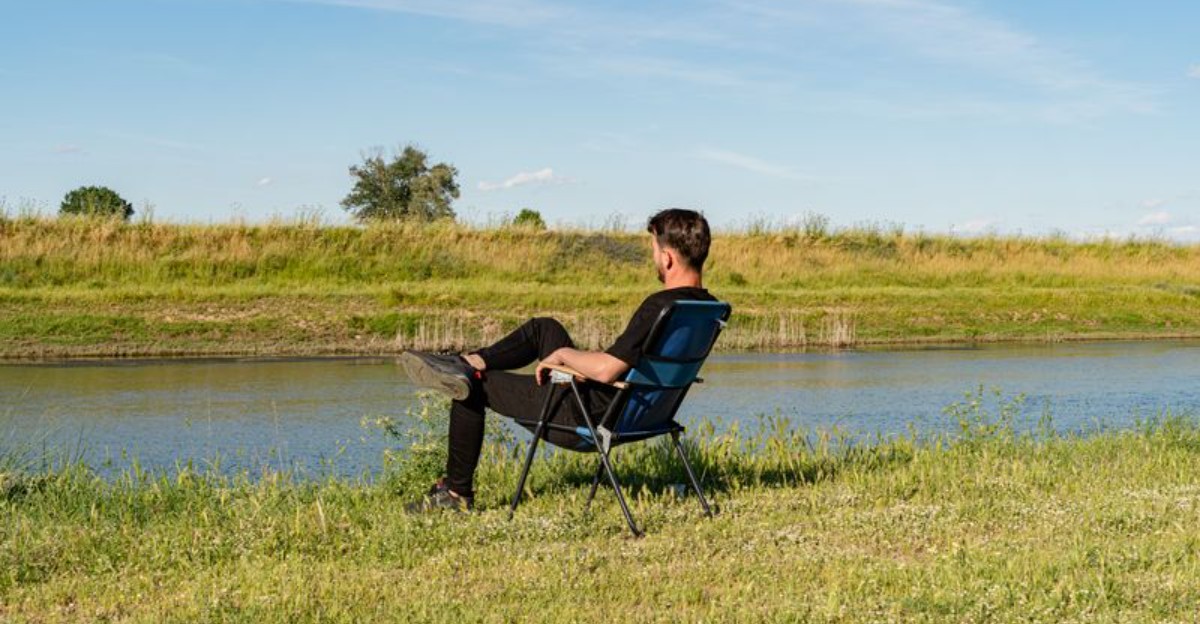
Some people genuinely enjoy spending time alone, and that says a lot about who they are. Being comfortable with solitude is not about being shy or antisocial – it is actually a sign of strong self-awareness and emotional maturity.
People who embrace alone time tend to share certain qualities that make them more grounded, creative, and fulfilled. Understanding these traits can help you appreciate solitude in a whole new way.
1. Self-Awareness

Knowing yourself deeply is one of the most powerful tools a person can carry.
People who are comfortable with solitude tend to have a strong understanding of their own thoughts, emotions, strengths, and weaknesses.
They do not need constant outside feedback to figure out how they feel.
This self-awareness often develops naturally when someone spends regular time alone.
Without the noise of other people’s opinions, you get a clearer picture of who you really are.
Many great thinkers and leaders have credited quiet reflection as the key to understanding themselves better.
Practicing self-awareness can be as simple as journaling or taking a quiet walk without your phone.
Over time, these habits help you make smarter choices and build a more authentic life.
2. Independence

Not everyone needs a second opinion before making a move, and that is actually a strength worth admiring.
People who enjoy solitude are often deeply independent.
They trust their own judgment and feel comfortable making decisions without waiting for someone else’s approval first.
Independence does not mean being stubborn or ignoring good advice.
It simply means having enough confidence in yourself to take action when needed.
Solo time naturally builds this quality because you learn to rely on your own thinking rather than outsourcing every decision.
If you want to grow more independent, try making small decisions on your own each day.
Even choosing where to eat or how to spend a free afternoon builds that quiet confidence over time.
3. Emotional Self-Reliance

Imagine being able to calm yourself down without texting five friends first.
That is exactly what emotionally self-reliant people do.
Those comfortable with solitude have developed the ability to manage their own feelings without constantly needing someone else to reassure them.
This does not mean they never reach out for support.
Rather, they have built an internal toolkit for handling stress, sadness, and uncertainty.
Spending time alone regularly helps train your emotional muscles, much like exercise trains your body.
Simple practices like deep breathing, quiet walks, or even sitting with uncomfortable feelings without distraction all help build emotional self-reliance.
Over time, you become more stable, less reactive, and better equipped to handle whatever life throws your way.
4. A Natural Love for Introspection

Some people replay their day in their head before falling asleep, turning over experiences like puzzle pieces.
That habit is called introspection, and people who love solitude tend to do it naturally.
They enjoy examining their own reactions, choices, and patterns to better understand themselves.
Introspection is not the same as overthinking.
It is a focused, curious look inward that leads to real growth.
Quiet time creates the perfect setting for this kind of reflection, which is why solo people often seem so thoughtful and measured in how they speak and act.
You can practice introspection by asking yourself simple questions at the end of each day.
What went well?
What could have gone better?
Even five minutes of honest reflection can shift your perspective in meaningful ways.
5. Strong Personal Boundaries

Saying no without guilt is a skill, and people who are comfortable with solitude have usually mastered it.
They understand the value of their time, energy, and personal space, so they protect those things with clear and healthy boundaries.
This is not rudeness – it is self-respect in action.
Strong boundaries often develop when someone has spent enough time alone to understand what drains them versus what energizes them.
Once you know what you need, it becomes easier to communicate that to others without feeling bad about it.
Setting boundaries does not push people away.
In fact, it often earns more respect.
When you are clear about what you need, others tend to take you more seriously and treat your time with greater care.
6. Selective Relationships

Quality beats quantity every time when it comes to friendships for people who love solitude.
Rather than collecting a large circle of acquaintances, they prefer a small group of deeply meaningful relationships.
Every friendship they invest in tends to be genuine, intentional, and built on real trust.
This selectiveness is not snobbery.
It comes from knowing that energy is limited and that shallow connections rarely satisfy.
People who spend time alone often become very good listeners and loyal friends precisely because they invest so deeply in the few relationships they choose to nurture.
If your social circle is small but strong, that is something to celebrate rather than worry about.
A handful of true friends will always outshine a crowd of casual ones when life gets complicated.
7. Comfort with Silence

Silence makes a lot of people nervous, but not everyone.
For those who are at home in solitude, a quiet room is not something to fill immediately with noise or chatter.
Silence feels natural, even welcome, like a deep breath after a long, loud day.
This comfort with quiet often signals a calm inner world.
When someone does not need constant background noise to feel okay, it usually means they are comfortable with their own thoughts.
That is a genuinely rare and valuable quality in a world that rarely stops buzzing.
Try sitting in silence for just ten minutes tomorrow morning.
No music, no scrolling, no podcast.
You might be surprised how much clarity and calm you find waiting there for you.
8. Low Need for External Validation

Chasing likes, comments, and compliments can become exhausting quickly.
People who are comfortable with solitude often have a refreshingly low need for that kind of external validation.
Their sense of self-worth comes from within rather than from how many people applaud them on any given day.
This does not mean they do not appreciate kind words or recognition.
They simply do not depend on it to feel good about themselves.
That internal security often makes them steadier, less anxious, and more focused on what actually matters to them personally.
Building this quality takes practice.
Start by noticing when you seek approval out of habit rather than genuine need.
Gradually shifting your focus inward can help you develop a more stable and lasting sense of confidence over time.
9. Creativity That Flourishes in Quiet

Many of the world’s most celebrated artists, writers, and inventors have credited solitude as a key ingredient in their creative process.
When the noise of daily life fades away, the imagination has room to stretch and explore.
People comfortable with being alone often tap into a rich creative life as a result.
Solitude removes distractions and social pressure, which are two of creativity’s biggest enemies.
Without worrying about judgment or interruption, the mind can wander freely into new ideas and unexpected solutions.
That kind of mental freedom is hard to find in a crowded, always-on environment.
Even if you do not consider yourself artistic, alone time can boost your problem-solving and original thinking.
Try unplugging for an hour and letting your mind go wherever it wants to go.
10. A Fondness for Deep Thinking

Surface-level conversations can feel oddly unsatisfying to people who love solitude.
They tend to prefer ideas with depth and complexity, the kind that take time and quiet to fully explore.
Deep thinking is almost second nature to them, and they genuinely enjoy the process of examining big questions.
This trait often shows up as a love of reading, philosophy, science, or long conversations about meaningful topics.
People who think deeply are often more empathetic and better at understanding different perspectives, partly because they take time to truly consider them.
You do not have to be a scholar to think deeply.
Simply slowing down and asking “why” more often can open up a whole new level of understanding about the world around you and the people in it.
11. The Ability to Entertain Themselves

Boredom is rarely a problem for people who enjoy solitude.
They have an impressive ability to keep themselves engaged, whether through reading, hobbies, exercise, cooking, or simply letting their mind wander through interesting ideas.
They do not need someone else in the room to have a good time.
This self-entertaining quality actually makes them wonderful company when they do choose to socialize, because they come to interactions recharged and genuinely interested rather than restless and needy.
They bring energy to conversations rather than draining it from others.
The good news is this skill can absolutely be developed.
Pick up a hobby that can be done alone, something that fully absorbs your attention.
Over time, you will find that your own company becomes something you genuinely look forward to enjoying.
12. Patience That Comes Naturally

Spending regular time alone has a quiet but powerful side effect: it teaches patience.
When you are comfortable sitting with stillness, slower moments stop feeling frustrating and start feeling like a natural part of life.
People who embrace solitude tend to handle waiting, delays, and uncertainty with far more grace than average.
Patience built through solitude is not passive or resigned.
It is an active, grounded choice to stay calm and present rather than rushing or reacting.
That quality makes solo-comfortable people easier to be around during stressful situations, since they rarely escalate tension unnecessarily.
If patience is something you struggle with, try spending short periods of time in deliberate stillness each day.
Even five minutes of sitting quietly without a task can gradually train your mind to slow down and breathe.
13. A Sharply Observant Nature

When you spend a lot of time in your own company, you naturally start paying closer attention to the world around you.
People comfortable with solitude often notice details that others miss, tiny shifts in mood, small changes in an environment, or subtle patterns in how people behave.
Their observation skills tend to be finely tuned.
This attentiveness makes them perceptive friends, thoughtful coworkers, and often excellent writers or artists.
Because they are not always focused on filling silence with words, they listen and watch more carefully than most people around them do.
Sharpening your observation skills is surprisingly simple.
Try putting your phone away in public and just watching what is happening around you for a few minutes.
The world becomes a much richer place when you start paying real attention.
14. Authenticity Over Approval

Fitting in can feel like a full-time job, but people who are comfortable with solitude rarely sign up for that role.
Because they spend so much time with themselves, they develop a clear sense of who they are and what they actually value.
Changing themselves just to impress a crowd holds little appeal.
Authenticity often grows in quiet moments when no one is watching.
When you are alone, there is no audience to perform for, which means you get to discover what you genuinely think, feel, and enjoy without outside pressure shaping the answer.
Living authentically does not mean being blunt or dismissive of others.
It simply means showing up as your real self consistently, even when that feels uncomfortable.
Over time, the right people tend to be drawn to that honesty naturally.
15. Purposeful and Intentional Socializing
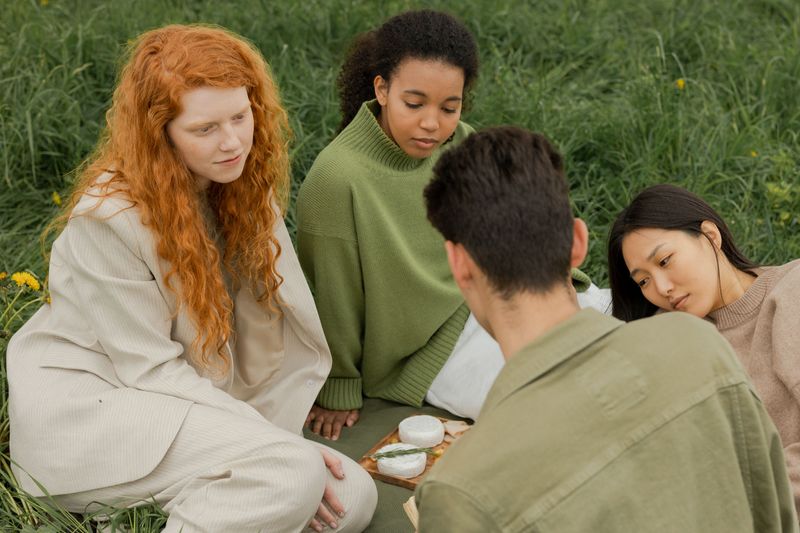
When someone who loves solitude shows up to a social event, they are usually there because they genuinely want to be.
They do not fill their calendars out of fear of missing out or to avoid sitting alone.
Their socializing tends to be deliberate, warm, and fully present rather than distracted or obligatory.
This intentionality makes their social interactions noticeably richer.
When you choose to be somewhere rather than feeling forced to attend, your energy shifts completely.
Conversations go deeper, laughter comes easier, and connections feel more real on both sides of the table.
Consider being more selective about which social events you attend.
Choosing quality over quantity in your social life can transform how connected and energized you feel, even if it means attending fewer gatherings overall each month.
16. Recharging Through Private Time

After a long day of meetings, social events, or busy interactions, some people feel completely drained.
For those comfortable with solitude, the remedy is simple and reliable: quiet time alone.
Private moments are not wasted time for them – they are essential fuel that restores both mental and emotional energy.
Psychologists often describe this as a key trait of introverts, though many people fall somewhere in between.
The ability to recharge through solitude means these individuals tend to show up to their responsibilities feeling genuinely refreshed rather than running on empty most of the time.
Protecting your recharge time is not selfish.
Think of it like charging a phone – you cannot function well on zero battery.
Scheduling regular quiet time for yourself is one of the kindest things you can do for everyone around you.
17. Comfort with Their Own Thoughts

Not everyone can sit alone with their thoughts without reaching for a distraction after thirty seconds.
People comfortable with solitude have developed a peaceful relationship with their own inner world.
Their thoughts feel like company rather than something to escape from, which is a genuinely powerful place to be.
This comfort often comes from practice.
The more time you spend alone without numbing out on screens or noise, the more familiar and friendly your inner landscape becomes.
You stop fearing your own mind and start finding it surprisingly interesting to spend time with.
Try sitting without any device or entertainment for just a few minutes each day.
Notice what thoughts come up without judging them.
Over time, your own mind becomes a much more comfortable and even enjoyable place to spend time in.
18. Understanding That Solitude Is Not Loneliness

Here is a distinction that changes everything: being alone and feeling lonely are two very different experiences.
People who are comfortable with solitude understand this clearly.
Choosing to spend time alone feels freeing and restorative to them, not isolating or sad.
That difference in perception makes all the difference in the world.
Loneliness comes from a painful sense of disconnection, while solitude is a chosen, peaceful state.
Someone who has made peace with their own company can be surrounded by people and still feel lonely, or be completely alone and feel wonderfully content.
The emotion depends on the relationship you have with yourself.
Recognizing this distinction can help reduce the social pressure many people feel to always be surrounded by others.
Time spent alone, chosen freely, can be one of life’s most nourishing and deeply satisfying experiences available to anyone.