 MomSkoop

Getting older has a funny way of putting life into perspective. Many people in their 80s look back and realize they spent years worrying about things that barely mattered in the end. Their honest reflections offer something truly valuable — a shortcut to a calmer, happier life. Here are the 10 things they wish they had stressed less about.
1. Having Life Completely Figured Out

Nobody ever truly figures it all out — and that is perfectly okay.
Many people in their 80s admit they spent years feeling behind because they did not have a clear plan or a tidy answer for where their life was heading.
The truth is, life rarely follows a script.
Some of the best chapters were written by accident, not by careful planning.
Worrying about having everything mapped out only steals time from actually living.
Embracing uncertainty, staying curious, and trusting yourself to handle whatever comes next turns out to be far more powerful than any five-year plan ever could be.
2. What Other People Thought of Them

Somewhere around their 80s, most people finally stop caring what others think — and they wish they had reached that point decades sooner.
So much energy goes into dressing for approval, softening opinions, and shrinking to fit in.
Looking back, many elders describe this as one of the biggest wastes of their emotional energy.
Here is something worth remembering: the people whose opinions you feared most were likely too busy worrying about their own image to notice yours.
Living authentically, even when it feels uncomfortable, builds a confidence that no amount of outside approval ever could.
Your real self is always worth showing up as.
3. Saying Yes When They Really Meant No

People-pleasing has a price, and most people do not realize how high it is until much later in life.
Many elders share that they spent years agreeing to things they did not want to do — extra work projects, social events, favors that drained them — all to avoid disappointing others.
Every unnecessary yes quietly chips away at your time, your energy, and your sense of self.
Learning to say no is not selfish; it is one of the most honest and self-respecting habits a person can build.
The people who truly matter will respect your boundaries.
The ones who do not were never worth the yes anyway.
4. Every Single Small Mistake They Made

Mistakes are not monuments — they are moments, and moments pass.
A surprising number of people in their 80s confess that they replayed certain small errors in their heads for years, sometimes decades, long after anyone else had forgotten them entirely.
A stumbled presentation, a forgotten birthday, a careless comment — these things felt enormous at the time but meant almost nothing in the long run.
Treating yourself with the same kindness you would offer a good friend after a mistake changes everything.
Growth comes from learning, not from punishing yourself on repeat.
Let the small stuff go before it takes up more space than it ever deserved.
5. Chasing Perfection in Everything They Did
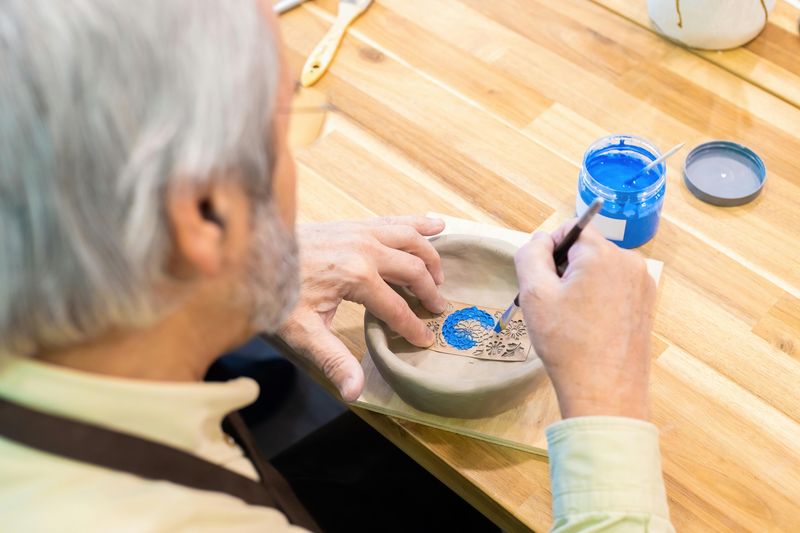
Perfection is a moving target, and most people who chase it never feel like they have arrived.
Older adults often describe perfectionism as an exhausting habit that blocked them from starting projects, finishing goals, and simply enjoying what they had already accomplished.
Done and joyful beats perfect and miserable every single time.
Some of the most meaningful things in life — handmade gifts, heartfelt letters, home-cooked meals — carry their beauty precisely because they are imperfect.
Releasing the grip of perfectionism does not lower your standards; it frees you to actually enjoy the process.
Progress, effort, and heart matter far more than flawless results.
6. Whether They Were Successful Enough

Success looks very different at 80 than it does at 30.
Many older adults reflect that they spent their prime years measuring themselves against job titles, salaries, and social status — only to discover that none of those things showed up in their most treasured memories.
What actually felt like success in the end?
Raising kind children.
Maintaining real friendships.
Laughing often.
Being present for the people they loved.
Redefining success on your own terms — rather than borrowing a definition from society — is one of the most liberating things you can do.
The richest lives are not always the most impressive ones from the outside.
7. How Quickly the Years Would Pass

Time has a sneaky way of speeding up without warning.
People in their 80s frequently say they wish someone had shaken them awake in their 30s and 40s and said, slow down, this is the good part.
They were so focused on the next milestone that they barely tasted the one they were living in.
The ordinary Tuesday evenings, the slow Sunday mornings, the small routines — those turned out to be the real treasure.
Paying attention to everyday moments, rather than rushing past them, is a skill worth practicing now.
You do not need a dramatic event to remind you that the present is worth savoring.
8. Falling Behind Other People’s Timelines

Comparison is a thief, and most people in their 80s wish they had caught it sooner and sent it packing.
Getting married at a certain age, buying a house by 30, having kids before 35 — these timelines feel urgent when everyone around you seems to be hitting them.
But looking back, most elders say the pressure was mostly imagined or self-imposed.
Life is not a race with a shared finish line.
Someone else reaching a milestone first does not mean you are losing.
Your path has its own rhythm, its own rewards, and its own beauty.
Running someone else’s race only guarantees you miss your own.
9. Waiting for the Right Time to Enjoy Life

“When things calm down, I will enjoy myself” — it turns out, things rarely calm down on their own.
Countless older adults describe waiting for the perfect conditions to travel, celebrate, rest, or simply have fun.
They were saving enjoyment for a later version of their life that kept getting pushed further away.
Joy does not live at the end of your to-do list.
The right time to enjoy your life is almost always right now, in whatever imperfect form now takes.
A spontaneous road trip, a lazy afternoon with no agenda, a long phone call with someone you love — these are not rewards for finishing.
They are the point.
10. Things That Never Actually Happened

Worry is a strange habit — it asks you to suffer twice for something that may never arrive.
People in their 80s often laugh (and sometimes wince) when they think about the catastrophic scenarios they spent years dreading.
The business that would fail, the health scare that never materialized, the relationship that would fall apart — most of the feared disasters simply never showed up.
Studies suggest that the vast majority of what people worry about never actually comes true.
All that mental energy, all those sleepless nights, spent on pure fiction.
The next time anxiety starts building a worst-case story, it is worth asking: has this actually happened yet?