 MomSkoop

Some experiences look absolutely perfect from the outside. Social media, movies, and even our own imagination can paint a rosy picture that hides the messy, complicated truth.
Many people dream about big cities, working from home, or becoming famous without knowing what those lifestyles actually involve day to day. Taking a closer look at these popular ideals can help you make smarter, more informed choices about what you truly want.
1. Living in a Big City

City life looks electric from the outside.
Rooftop bars, cultural events, and endless career opportunities fill your feed with highlights that are hard to resist.
But ask anyone who actually lives there, and you will hear a very different story.
Rent prices in major cities can eat up more than half a paycheck.
Noise from traffic and neighbors follows you even into your apartment.
The commute alone can drain two or more hours from your day, every single day.
That said, city living does offer real rewards for the right person.
Knowing what you are signing up for makes the experience far more manageable and genuinely enjoyable.
2. Working From Home

“I would get so much done if I could just work from home.” Sound familiar?
The fantasy involves no commute, comfy clothes, and total freedom.
The reality, though, has a few surprises waiting.
Isolation creeps in faster than most people expect.
Without coworkers nearby, days can feel oddly quiet and even lonely.
Distractions like laundry, social media, and family members can make focusing genuinely difficult.
Work-life balance also gets blurry when your office is your living room.
Many remote workers end up putting in longer hours, not fewer.
Setting firm boundaries and a dedicated workspace can help, but it takes real discipline to make it work consistently.
3. Being Your Own Boss

Entrepreneurship gets a glamorous reputation.
You set your own schedule, answer to nobody, and build something that is truly yours.
Plenty of people quit their jobs chasing exactly that dream.
What the highlight reels skip is the financial uncertainty that comes with running your own business.
There are months with no steady paycheck and weeks where the workload feels endless.
Every decision, big or small, lands on your shoulders alone.
Burnout among entrepreneurs is surprisingly common, and many admit they work far more hours than they ever did as employees.
The independence is real, but so is the pressure.
Going in with clear expectations and a solid plan makes a genuine difference.
4. Moving to Another Country

Packing up and starting fresh in another country sounds like the ultimate adventure.
New food, new culture, new perspectives, and a version of yourself you have not met yet.
Many people romanticize this idea for years before taking the leap.
Once you actually move, the challenges arrive quickly.
Language barriers make simple tasks like grocery shopping or visiting a doctor feel exhausting.
Bureaucracy around visas, taxes, and residency can become a part-time job in itself.
Homesickness hits harder than most people predict, and culture shock does not always fade quickly.
Living abroad can absolutely be rewarding and life-changing.
Knowing the obstacles ahead of time, though, helps you prepare and actually enjoy the experience.
5. Becoming Famous

Fame looks like the ultimate prize.
Admiration, recognition, and a platform to share your voice with the world.
Millions of people scroll through celebrity accounts wishing they could trade places.
Behind the scenes, though, privacy becomes almost nonexistent.
Every outfit, relationship, and offhand comment gets analyzed and criticized by strangers online.
The pressure to stay relevant and maintain a certain image is relentless and exhausting.
Mental health struggles among public figures are well-documented and often underreported.
The very attention that feels exciting at first can quickly become suffocating.
Plenty of famous people openly say they were not prepared for what recognition actually costs.
Admiring success from a distance and understanding its price are two very different things.
6. Living in the Countryside
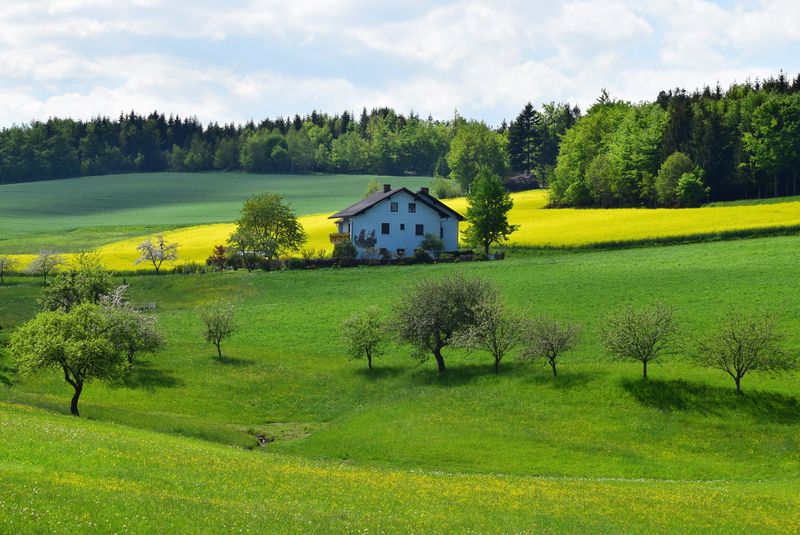
Fresh air, wide open spaces, and a slower pace of life.
Countryside living sounds like the perfect antidote to modern stress, and for some people, it genuinely is.
The quiet mornings and natural surroundings can feel deeply restorative.
Still, rural life comes with real trade-offs that are easy to overlook.
Access to medical care, grocery stores, and entertainment requires long drives.
Job opportunities in many rural areas are limited, which can affect financial stability over time.
Social life also tends to shrink considerably when your nearest neighbor is miles away.
For people who thrive on community and connection, that isolation can become a serious challenge.
Researching the area thoroughly before making the move is always a smart first step.
7. Turning a Hobby Into a Career

“Do what you love and you will never work a day in your life.” That quote gets shared constantly, but experienced professionals often tell a more complicated story.
Turning a passion into a paycheck changes the relationship in ways that can be hard to predict.
Suddenly, your hobby has deadlines, demanding clients, and financial stakes attached to it.
Creative decisions stop being purely personal and start being shaped by what sells.
Many people find that the joy slowly drains from something they once loved unconditionally.
That is not to say it cannot work.
Plenty of people build fulfilling careers from their passions.
The key is going in with realistic expectations and finding ways to protect your original love for the craft.
8. Van Life and Constant Travel
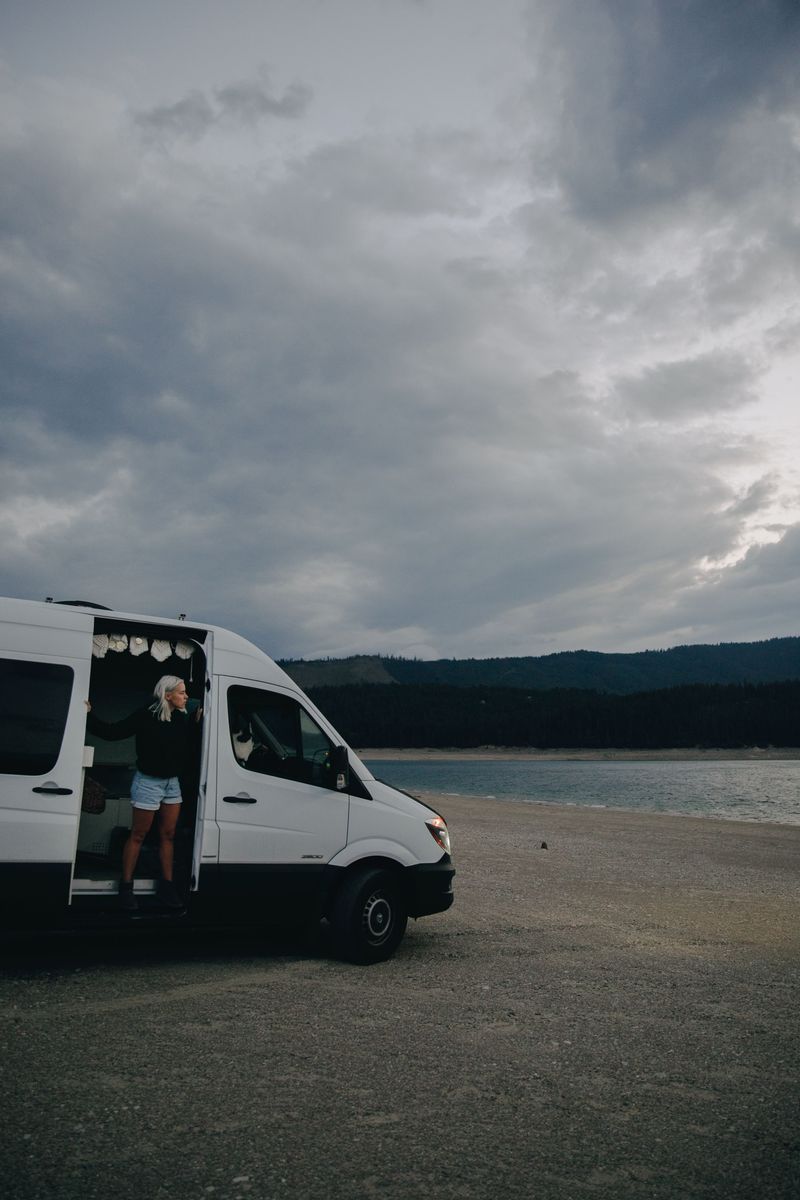
The photos look incredible.
A converted van parked beside a mountain lake at golden hour, coffee in hand and not a care in the world.
Van life has built an enormous following online, and it is easy to see why the aesthetic is so appealing.
What the carefully curated images leave out is the reality of cramped quarters, spotty internet, and constant vehicle maintenance.
Finding a safe place to sleep each night takes planning and energy.
Bad weather, mechanical problems, and logistical headaches happen far more often than the highlight reels suggest.
For some people, the freedom genuinely outweighs the inconveniences.
For others, the novelty fades within a few months.
Trying it short-term before committing fully is always a wise approach.
9. Having a Large Social Circle

Being the person everyone knows sounds wonderful.
A packed social calendar, group chats buzzing constantly, and a friend for every occasion.
From the outside, a large social circle looks like pure joy and belonging.
Maintaining that many relationships, though, takes a surprising amount of time and emotional energy.
Every friendship needs attention, communication, and effort to stay healthy.
When life gets busy, keeping up with a large group can start to feel more like an obligation than a pleasure.
Research on friendship consistently shows that a few deep connections tend to bring more long-term happiness than dozens of surface-level ones.
Quality genuinely tends to matter more than quantity.
Knowing that early can help you invest your social energy in the right places.
10. Early Retirement

Retiring early is the dream for a huge number of working adults.
No alarm clocks, no meetings, and total control over every hour of the day.
Financial independence movements have made this goal feel more achievable than ever before.
What catches many early retirees off guard is how quickly unstructured time loses its appeal.
Without work providing routine, social connection, and a sense of purpose, some people feel genuinely lost.
Identity is deeply tied to what we do, and removing that anchor can be disorienting.
Studies on retirement consistently show that staying mentally and socially engaged is crucial for wellbeing.
Early retirement works beautifully for people who plan what they are retiring toward, not just what they are leaving behind.