 MomSkoop

Growing up with strong values shapes the way people move through the world. These individuals often carry themselves differently, making choices that reflect their upbringing and inner compass.
If you’ve noticed certain patterns in people who seem grounded and principled, you’re not imagining things. Here are eleven behaviors that reveal someone was raised with solid moral foundations.
1. They’re Honest, Even When It’s Hard

Truth-telling becomes second nature when you grow up valuing honesty above convenience.
People with strong morals understand that lying might solve problems temporarily, but it creates bigger messes down the road.
They’ve learned that trust, once broken, takes forever to rebuild.
You’ll notice these folks admitting mistakes at work, even when no one would have caught them.
They return extra change at stores and correct people when given too much credit.
Being honest when it costs you something shows real character.
It’s easy to tell the truth when it benefits you, but choosing honesty during difficult moments separates those with deep values from everyone else.
Their commitment to truthfulness builds lasting relationships based on genuine trust.
2. They Take Responsibility for Their Actions

Finger-pointing and excuse-making don’t fit into their vocabulary.
When something goes wrong, morally grounded people look inward first.
They ask themselves what role they played rather than immediately blaming circumstances or other people.
This accountability shows up everywhere in their lives.
At work, they own their mistakes instead of hiding behind teammates.
In relationships, they apologize when they’re wrong without adding “but” to justify their behavior.
Taking responsibility isn’t about being perfect or never messing up.
Everyone makes mistakes, but not everyone has the courage to say, “That was my fault, and here’s how I’ll fix it.”
This quality earns them respect and makes them reliable in ways that matter most.
3. They Keep Their Word

Did you know that some cultures view promise-breaking as one of the worst character flaws?
People raised with strong values treat their word like a contract.
When they say they’ll do something, they follow through, even if circumstances change or it becomes inconvenient.
This reliability extends to small things too.
They show up on time, return borrowed items, and remember commitments made weeks ago.
Their friends know they can count on them without sending reminder texts or following up constantly.
Keeping promises builds a reputation that money can’t buy.
Others learn that when this person commits, it’s as good as done.
Their consistency creates stability in relationships and professional settings alike.
4. They Treat Service Workers with Kindness

Watch how someone treats a waiter, and you’ll learn everything about their character.
Morally strong individuals show the same respect to restaurant servers, janitors, and cashiers as they would to CEOs.
They say please and thank you, make eye contact, and acknowledge the humanity in everyone they encounter.
These people tip fairly, don’t snap fingers for attention, and remain patient when service is slow.
They understand that everyone is fighting battles we know nothing about.
Kindness toward those who can’t benefit you reveals true character.
Anyone can be polite to their boss or someone they need something from.
Treating service workers well shows you value people for being human, not for what they can do for you.
5. They Respect People’s Boundaries

Boundary awareness separates emotionally mature people from those still learning.
People with strong morals don’t push when someone says no. They don’t guilt-trip friends into sharing personal information or pressure family members to attend every gathering.
They understand that healthy relationships require space and autonomy.
You’ll notice they ask before hugging, respect closed doors, and don’t pry into topics someone clearly wants to avoid.
They give people permission to change their minds without making it awkward.
Respecting boundaries shows you value others’ comfort and agency over your own curiosity or desires.
It demonstrates emotional intelligence and genuine care.
These individuals create safe spaces where people feel free to be themselves without fear of judgment or invasion.
6. They Don’t Hold a Grudge

Forgiveness isn’t about forgetting what happened or pretending it didn’t hurt.
Morally grounded people understand that holding grudges poisons the grudge-holder more than anyone else.
They’ve learned to process hurt, set boundaries if needed, and then release the bitterness that keeps them stuck.
This doesn’t mean they become doormats or let people repeatedly harm them.
Instead, they forgive to free themselves from carrying around resentment like heavy luggage.
They choose peace over being right.
Letting go of grudges takes real strength and emotional maturity.
It’s easier to nurse old wounds and replay past hurts.
These individuals move forward lighter, unburdened by the weight of endless scorekeeping and revenge fantasies.
7. They Stand Up for People

Silence in the face of injustice makes you complicit, and morally strong people know this well.
These individuals speak up when they witness unfair treatment, even when it’s uncomfortable or unpopular.
They defend coworkers being gossiped about, interrupt jokes that demean others, and challenge discriminatory comments at family dinners.
Standing up for others requires courage because it often comes with social costs.
You might be called too sensitive or told you can’t take a joke.
But people with strong values prioritize doing what’s right over being liked.
This advocacy extends to those who can’t defend themselves.
They use their voice as a tool for justice, not just personal gain.
Their willingness to be uncomfortable creates safer spaces for everyone.
8. They Express Gratitude Often

Gratitude transforms ordinary moments into blessings worth celebrating.
People raised with strong morals make appreciation a habit, not just something they remember during holidays.
They notice when someone goes out of their way and acknowledge it specifically, not with generic thanks but with detailed recognition.
You’ll hear them thanking their partner for daily contributions, expressing appreciation to colleagues for teamwork, and recognizing small kindnesses from strangers.
They write thank-you notes, send thoughtful messages, and verbally acknowledge help received.
Expressing gratitude regularly strengthens relationships and spreads positivity.
It shows you don’t take people for granted or assume their efforts are obligations.
This practice keeps them humble and aware of how much they depend on others’ generosity and support.
9. They’re Often Quiet

There’s wisdom in knowing when to speak and when to simply listen.
Morally grounded people don’t feel compelled to fill every silence or dominate conversations.
They’re comfortable observing, absorbing, and thinking before they contribute.
This quietness comes from confidence, not insecurity or lack of opinions.
They ask questions to understand rather than waiting for their turn to talk.
When they do speak, their words carry weight because they’ve been carefully considered.
They don’t interrupt or talk over others to prove their intelligence.
Being quiet allows them to notice things louder people miss.
They pick up on emotional undercurrents, unspoken needs, and moments when someone needs support more than advice.
Their thoughtful presence often means more than a thousand careless words ever could.
10. They Don’t Tie Respect to Status or Power
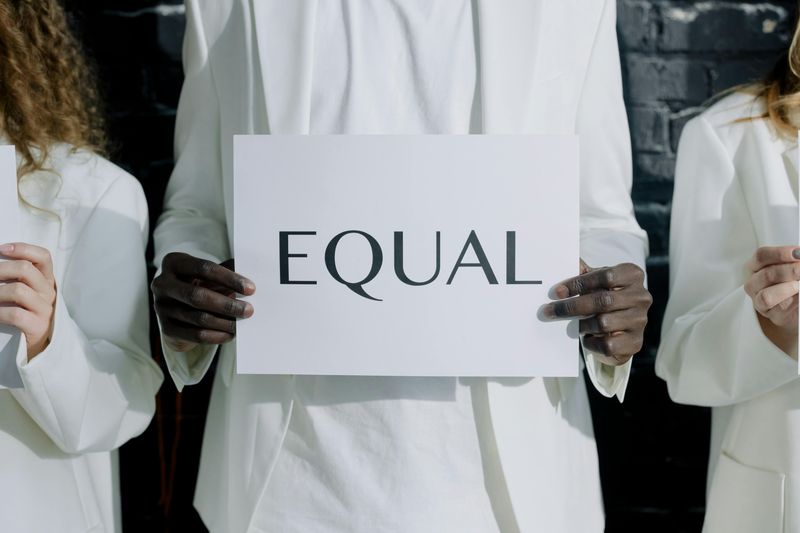
Some folks only respect people who can boost their careers or social standing.
People with strong morals reject this transactional approach to human dignity.
They offer the same baseline respect to homeless individuals as they do to wealthy executives.
Job titles, bank accounts, and social media followers don’t determine someone’s worth in their eyes.
This equal treatment stems from believing that every person has inherent value simply by being human.
They’re just as interested in the janitor’s weekend plans as the manager’s vacation stories.
Respecting people regardless of status creates genuine connections across social boundaries.
It keeps them grounded and prevents the arrogance that often comes with success.
Their egalitarian approach reminds everyone that we’re all fundamentally the same underneath our different circumstances.
11. They’re Mindful of How Their Words and Actions Affect Others

Emotional intelligence means recognizing that your behavior creates ripples affecting everyone around you.
Morally strong people pause before speaking in anger, considering how their words might land on someone already struggling.
They think about how their choices impact their family, coworkers, and community, not just themselves.
This mindfulness shows up in small ways.
They lower their voices in shared spaces, avoid sensitive topics around people dealing with related trauma, and consider others’ feelings when making group decisions.
Being mindful doesn’t mean walking on eggshells or never expressing yourself.
It means balancing honesty with compassion and recognizing that your freedom ends where someone else’s wellbeing begins.
Their thoughtful approach creates harmonious environments where people feel valued and safe.