 MomSkoop
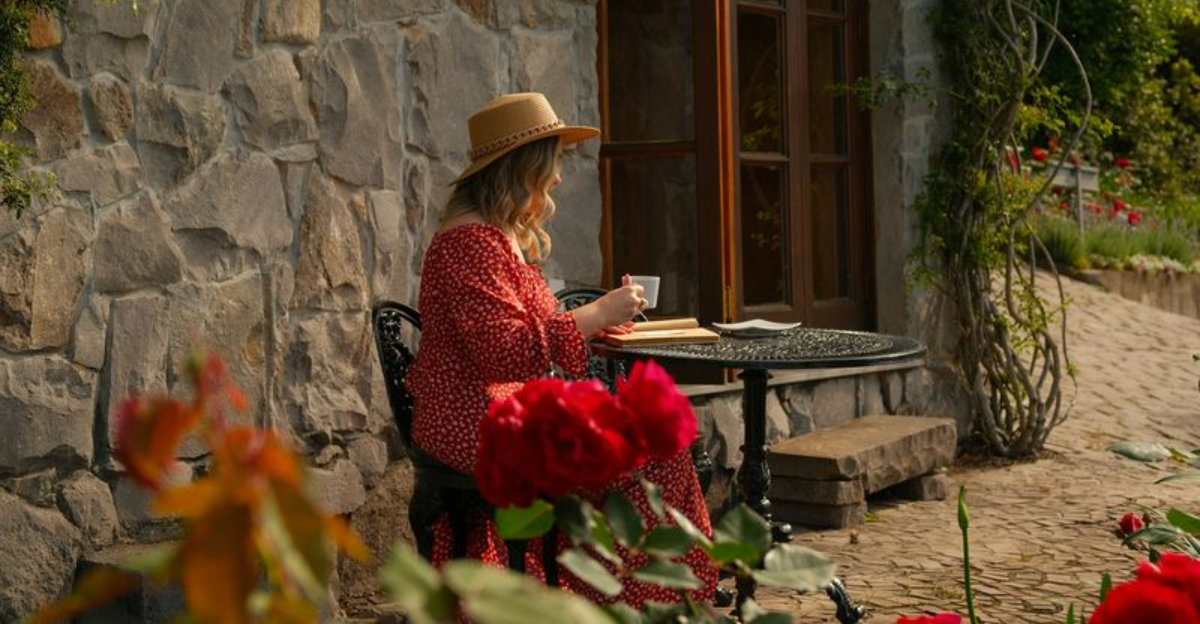
Some habits that older generations swear by have been dismissed as outdated or overly cautious by younger people. But science, research, and real-life experience keep proving those “boring” routines right.
From going to bed early to planning ahead, these time-tested habits are making a serious comeback. Here are 14 old-school habits that turned out to be genuinely brilliant all along.
1. Going to Bed Early and Waking Up Early

Benjamin Franklin said it best: “Early to bed and early to rise makes a man healthy, wealthy, and wise.” Turns out, he was onto something real.
Studies show that people who sleep and wake early tend to have better mental health, more energy, and stronger immune systems.
Your body follows a natural clock called the circadian rhythm, and going to bed early keeps that clock running smoothly.
You sleep deeper, wake up refreshed, and actually feel ready to tackle the day.
Night owls might scoff, but the data does not lie.
Starting your mornings with quiet, unhurried time sets a calm tone for everything that follows.
2. Keeping a Strict Daily Routine

Routines might sound boring, but your brain absolutely loves them.
When you do the same things at the same time each day, your mind does not have to waste energy making decisions about basic tasks.
That mental energy gets saved for things that actually matter.
Research in psychology shows that consistent routines reduce anxiety, improve focus, and even boost productivity.
Kids with routines sleep better.
Adults with routines feel more in control.
Older folks figured this out long before any study confirmed it.
A predictable day is not a dull day.
It is a day where you actually get things done without burning yourself out by noon.
3. Writing Things Down Instead of Relying on Memory

Grandma always kept a notepad on the kitchen counter, and everyone rolled their eyes at it.
Now, neuroscientists are nodding in agreement.
Writing things down by hand actually helps your brain process and remember information far better than typing or just trying to hold it mentally.
The act of writing engages multiple parts of the brain at once, strengthening memory and comprehension.
To-do lists, grocery notes, and written reminders are not signs of forgetfulness.
They are signs of someone who respects their own mental limits.
Phones crash and notifications disappear, but a handwritten note stays right where you left it.
Old school wins again.
4. Cooking Meals at Home Instead of Ordering Out

There is something deeply satisfying about a meal you made yourself, and your body knows the difference too.
Home-cooked food is almost always lower in sodium, sugar, and unhealthy fats compared to restaurant or takeout meals.
You control every single ingredient that goes in.
Studies consistently show that people who cook at home eat healthier, spend less money, and even feel happier.
The kitchen is not just about food.
It is a place where stress gets chopped away along with the onions.
Older generations cooked because they had to, and in doing so, they accidentally built one of the healthiest habits a person can have.
Worth copying.
5. Saving Money and Avoiding Unnecessary Spending

Growing up through harder economic times taught older generations something that no finance app can fully replace: spend less than you earn, and save the rest.
Simple?
Yes.
Practiced consistently?
Not as often as it should be.
Financial experts today echo exactly what grandparents have always said.
An emergency fund, avoiding impulse buys, and living below your means are the foundations of real financial security.
Credit card debt and lifestyle inflation are modern traps that careful savers avoid entirely.
Skipping the fancy coffee or waiting for a sale is not being cheap.
It is being smart.
Those small choices stack up into something genuinely powerful over time.
6. Taking Daily Walks
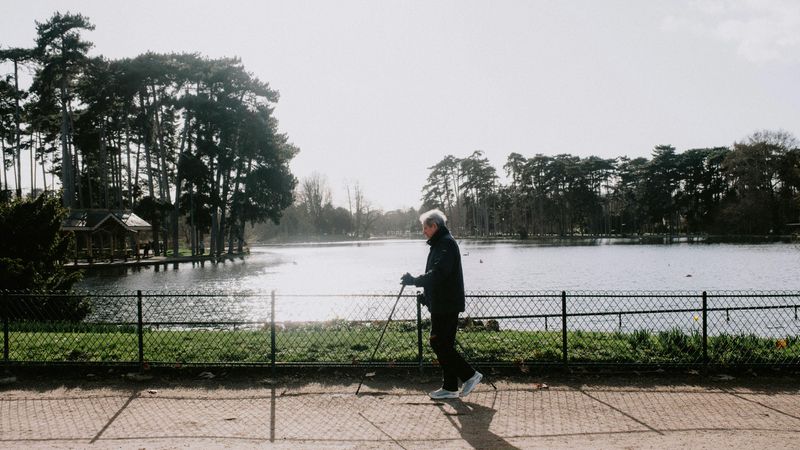
Before gyms became a thing, people just walked everywhere.
And honestly?
That habit held up remarkably well against every fitness trend that came after it.
A daily walk, even just 30 minutes, delivers a surprising list of health benefits that most people underestimate.
Regular walking lowers blood pressure, improves heart health, reduces the risk of type 2 diabetes, and boosts mood thanks to a natural release of endorphins.
It also keeps joints flexible and muscles active without the wear and tear of high-impact exercise.
Older adults who walk daily tend to stay sharper mentally and physically for longer.
Sometimes the simplest habit is genuinely the most powerful one you can build.
7. Calling People Instead of Texting

Picking up the phone to actually call someone used to be the only option.
Now it feels almost radical.
But research into loneliness and social connection is making a strong case for bringing voice calls back into regular life.
Studies from the University of Texas found that people feel significantly more connected after a phone call than after texting, even when the conversation covers the same topics.
Tone of voice, laughter, and real-time responses create a warmth that emojis simply cannot replicate.
Older generations knew that relationships need more than typed words to stay strong.
A five-minute phone call can do more for a friendship than a week of back-and-forth texts.
8. Reading Books Regularly

Long before streaming services and social media feeds, books were how people learned, escaped, and grew.
That quiet habit of reading daily turns out to carry benefits that researchers keep rediscovering with every new study published.
Regular reading builds vocabulary, improves focus, reduces stress, and even slows cognitive decline as people age.
Fiction specifically builds empathy by training your brain to understand perspectives different from your own.
Non-fiction keeps curiosity alive and the mind sharp.
Younger generations spend hours scrolling, yet complain about poor focus and mental fatigue.
Meanwhile, dedicated readers seem to stay mentally agile far longer.
Picking up a book is one of the best things you can do for your brain.
9. Keeping the House Clean and Organized

A messy space and a messy mind tend to go hand in hand.
Older adults who kept immaculate homes were not just being fussy.
They were unknowingly protecting their mental health in a very real way.
Research from Princeton University found that clutter competes for your brain’s attention, leading to increased stress, reduced focus, and even worse decision-making.
A clean, organized space allows the mind to relax and function at its best.
You spend less time searching for things and more time actually living.
Cleaning is also a form of light physical activity that adds up over the week.
That weekly scrub-down grandma insisted on?
Turns out it was doing double duty all along.
10. Doing Things Slowly and Not Rushing Everything

Speed is celebrated in modern culture like it is a virtue.
But older generations understood something quietly profound: rushing leads to mistakes, stress, and missed moments.
Slowing down is not laziness.
It is wisdom wearing comfortable shoes.
Mindfulness research backs this up completely.
People who move through tasks deliberately make fewer errors, feel less anxious, and actually complete things more efficiently than those who race through everything.
The “slow movement” in productivity circles is just now catching up to what grandparents practiced naturally.
Savoring a meal, taking a careful walk, or reading without a timer are not wasted moments.
They are the moments that actually make a life feel full and worth living.
11. Avoiding Late-Night Screen Time

Grandparents turned off the TV and went to bed at a reasonable hour.
At the time, it seemed overly rigid.
Now sleep scientists are practically begging people to do exactly that.
Blue light from screens interferes directly with melatonin production, the hormone that tells your body it is time to sleep.
Scrolling through your phone before bed delays sleep onset, reduces sleep quality, and leaves you feeling groggy the next morning even after a full eight hours.
The effects build up over time, contributing to mood problems, weight gain, and weakened immunity.
Putting screens away an hour before bed is one of the simplest upgrades you can make to your overall health.
Older folks had it figured out decades ago.
12. Gardening or Spending Time with Plants
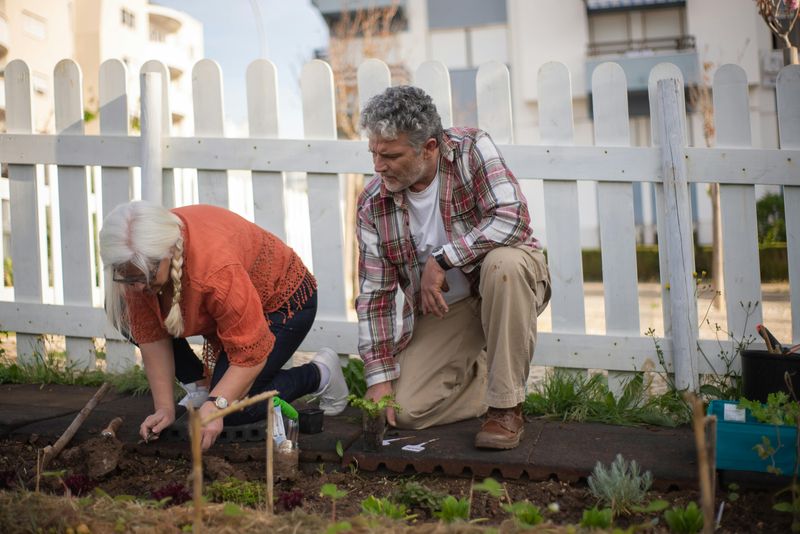
Dirt under the fingernails and a garden full of tomatoes might not look like a wellness routine, but science says otherwise.
Gardening has been shown to reduce cortisol levels, the primary stress hormone in the body, more effectively than many other leisure activities studied.
Spending time with plants also improves mood, encourages gentle physical movement, and provides a sense of purpose and accomplishment.
There is even a friendly bacteria in soil called Mycobacterium vaccae that researchers believe can boost serotonin levels when you come into contact with it.
Older adults who garden regularly tend to report higher life satisfaction and lower rates of depression.
That quiet time with plants is genuinely healing in ways we are only beginning to measure.
13. Wearing Practical, Comfortable Clothes

Fashion trends come and go, but the elderly commitment to comfortable, practical clothing has outlasted every one of them.
What once seemed like giving up on style is now recognized as a genuinely sensible approach to daily life and physical wellbeing.
Restrictive clothing affects posture, circulation, and even breathing.
Shoes that prioritize looks over support contribute to back pain, knee problems, and foot issues that build up over years.
Older adults who chose comfort were protecting their bodies without realizing it was a health decision.
The rise of “athleisure” and ergonomic fashion proves that the rest of the world is finally catching on.
Comfortable clothes are not a fashion failure.
They are a lifestyle win.
14. Planning Ahead Instead of Being Spontaneous

Spontaneity sounds exciting, but chronic lack of planning is quietly exhausting.
Older generations who mapped out their weeks, prepared meals in advance, and thought ahead were not being boring.
They were reducing the invisible mental load that drains energy every single day.
Decision fatigue is a real psychological phenomenon.
Every small unplanned choice costs mental energy, and those costs add up fast.
People who plan ahead make fewer rushed decisions, experience less daily stress, and tend to reach their goals more consistently than those who wing it.
Having a plan does not kill spontaneity.
It creates the mental space for it.
When the basics are handled, you actually have more room to enjoy unexpected moments freely.