 MomSkoop
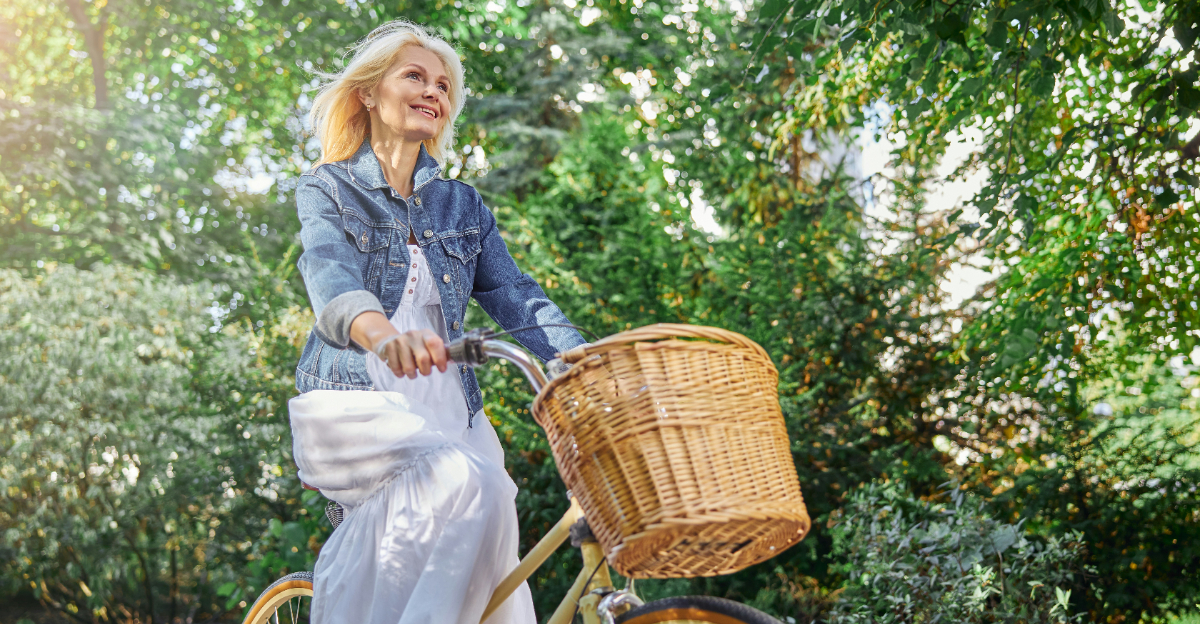
Aging is something every single one of us will experience, but not everyone does it the same way. Some people seem to grow older with a kind of ease and joy that makes others wonder what their secret is.
The truth is, it often comes down to how they think. The mindsets people carry through life can shape everything from their health to their happiness as the years go by.
1. They Embrace Change Instead of Fighting It

Change is one of life’s few guarantees, and people who age gracefully seem to understand this better than most.
Rather than clinging to the way things used to be, they welcome new seasons of life with curiosity and an open heart.
When a job ends, a friendship shifts, or the body slows down a little, they adjust instead of resist.
This flexibility keeps stress levels lower and the spirit lighter.
Researchers have found that people who adapt well to change tend to report higher life satisfaction as they grow older.
Accepting change does not mean giving up — it means choosing peace over stubbornness, and that choice makes all the difference.
2. Gratitude Is a Daily Practice for Them
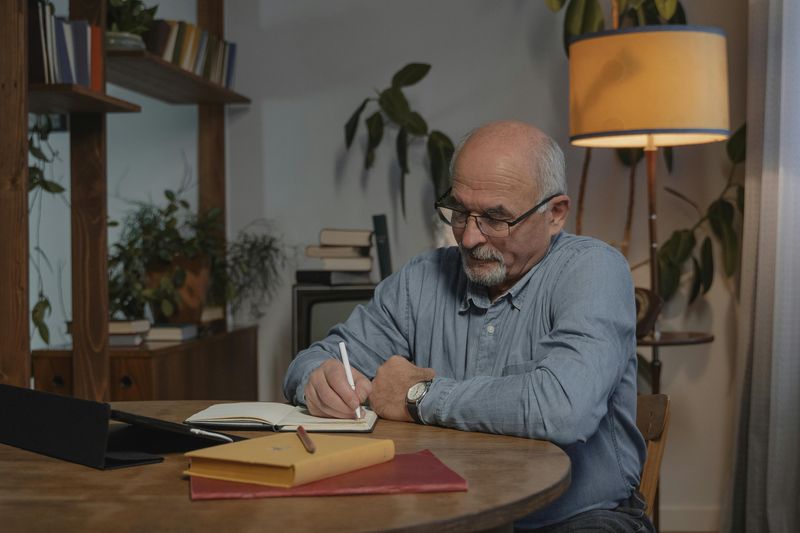
Starting each morning by counting what is good rather than what is missing sounds simple, but it is genuinely powerful.
People who age well often make gratitude a habit — something they practice daily, not just when life feels easy.
Science backs this up: studies show that regularly practicing gratitude can lower blood pressure, improve sleep, and even strengthen the immune system.
Over time, a grateful outlook rewires the brain to notice more positive things, which creates a natural sense of contentment.
Whether it is written in a journal or simply whispered at sunrise, gratitude acts like a quiet anchor that keeps life feeling meaningful no matter the age.
3. Staying Curious Keeps Their Mind Sharp

Curiosity does not have an expiration date — and the people who age most gracefully seem to live by that truth every day.
They pick up new hobbies, ask questions, read widely, and never stop exploring ideas that excite them.
This constant mental engagement is more than just fun; it actually helps protect the brain against cognitive decline.
Neurologists have long noted that learning new skills creates fresh neural connections, keeping the mind flexible and responsive well into old age.
Whether someone takes up painting at sixty-five or starts learning a new language at seventy, that spark of curiosity is what keeps life feeling fresh, full, and deeply rewarding.
4. Strong Relationships Are a Priority, Not an Afterthought
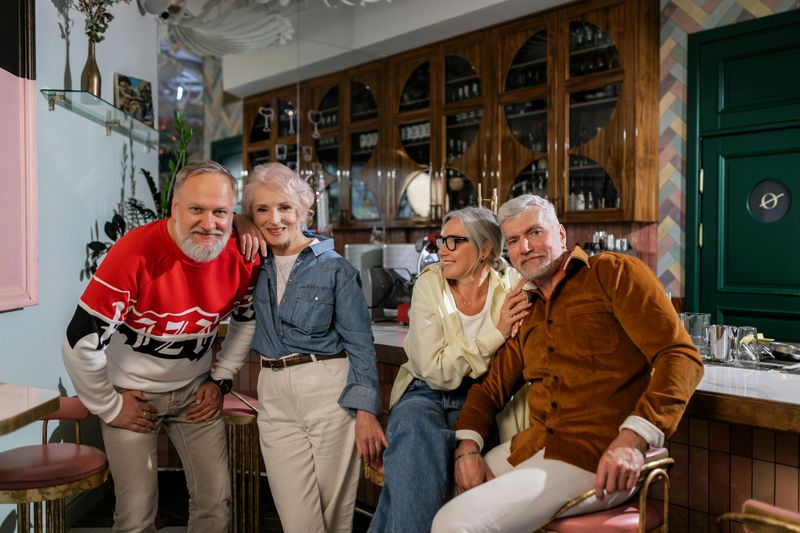
Loneliness is one of the most underrated health risks of aging, and people who grow old gracefully seem to instinctively guard against it.
They invest time and energy into friendships, family bonds, and community connections — not just when it is convenient, but consistently.
Harvard’s famous decades-long study on happiness found that the quality of a person’s relationships is the single greatest predictor of how well they age.
Good relationships reduce stress hormones, boost mood, and even help people recover faster from illness.
Showing up for the people who matter, making the call, planning the visit — these small acts of connection build a life that feels rich and supported at every stage.
5. Movement Is Treated as a Gift, Not a Chore

People who carry themselves with vitality into their later years rarely see exercise as punishment — they see it as one of the best gifts they can give themselves.
Movement does not have to mean intense gym sessions; it can be a morning walk, a gentle yoga class, or dancing in the kitchen.
The key is consistency and joy.
Regular physical activity strengthens muscles and bones, sharpens the mind, and releases feel-good chemicals that lift the mood naturally.
Studies consistently show that active older adults have better memory, lower rates of depression, and longer lifespans than their sedentary peers.
Finding movement that feels fun rather than forced is the real secret to sticking with it for life.
6. They Let Go of Grudges and Old Wounds
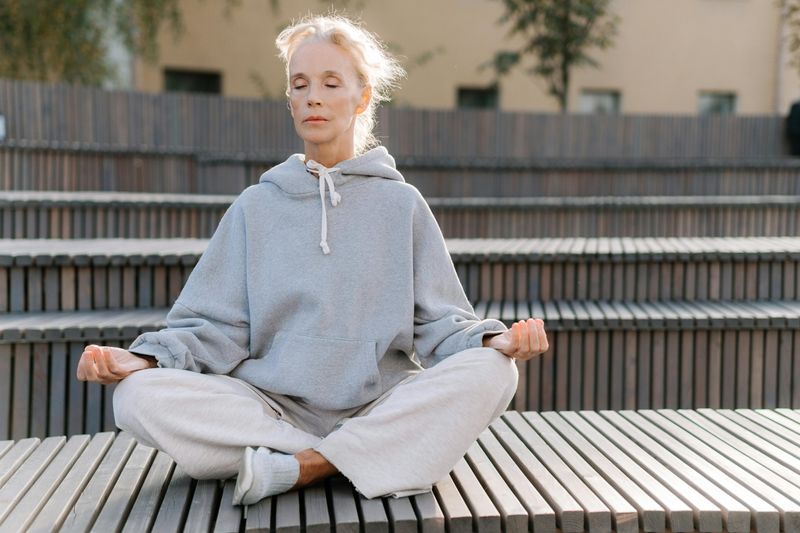
Carrying old anger is like hauling a heavy backpack everywhere — it exhausts the body and clouds the mind.
People who age with grace tend to be skilled forgivers, not because they are naive, but because they understand that holding onto resentment only hurts themselves.
Forgiveness does not mean excusing bad behavior; it means releasing the emotional grip that past hurts have on the present.
Research from the Mayo Clinic links forgiveness to lower blood pressure, reduced anxiety, and stronger heart health.
Over a lifetime, choosing to let go again and again creates a kind of inner lightness that shows up on the face, in the posture, and in the way a person moves through the world.
7. A Positive Self-Image Grows Stronger With Age

Here is something refreshing: the people who age most gracefully are often the ones who have stopped worrying so much about what others think.
They have built a relationship with themselves rooted in respect rather than criticism.
Instead of lamenting wrinkles or gray hair, they see those things as honest marks of a life fully lived.
Psychologists note that self-compassion — treating yourself with the same kindness you would offer a close friend — is closely linked to emotional resilience and long-term well-being.
When someone genuinely likes who they are, that confidence radiates outward and becomes one of the most attractive and timeless qualities a person can carry into their later years.
8. Purpose Drives Their Days, Not Just Routine

Waking up knowing why the day matters is one of the most powerful forces in human health.
People who age well rarely drift through their days on autopilot — they are pulled forward by something that feels meaningful to them, whether that is mentoring younger people, tending a garden, creating art, or serving their community.
The Japanese call this concept “ikigai,” which roughly translates to a reason for being.
Studies of populations with unusually long lifespans consistently find a strong sense of purpose among them.
Purpose keeps the mind engaged, the body motivated, and the spirit alive.
Finding what makes life feel worth showing up for is not a luxury — it is a cornerstone of aging well.
9. They Prioritize Rest and Recovery Without Guilt

Sleep is not laziness — it is maintenance, and gracefully aging people treat it that way.
Rather than wearing busyness like a badge of honor, they honor their body’s need for rest and recovery without apology.
Quality sleep is when the brain clears out waste products, the body repairs tissues, and emotional memories get sorted and stored properly.
Chronic sleep deprivation, on the other hand, is linked to memory problems, weakened immunity, and accelerated physical aging.
Beyond nighttime sleep, taking breaks during the day, practicing stillness, and allowing downtime are all part of the same healthy philosophy.
Resting well is not stepping away from life — it is how you show up for it fully.
10. They See Aging as a Privilege, Not a Problem
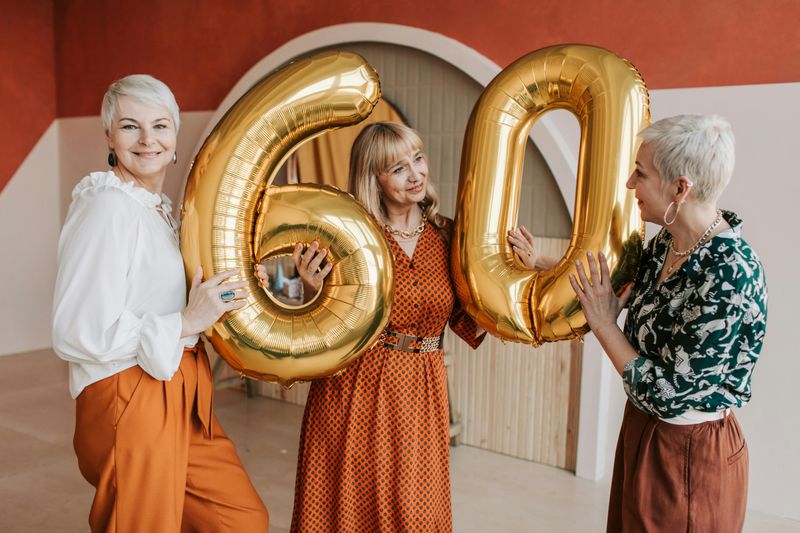
Not everyone gets the gift of growing old, and the people who age most gracefully seem to carry that awareness close to their hearts.
Rather than dreading birthdays or mourning youth, they celebrate each year as evidence of a life still unfolding.
This mindset shift — from aging as decline to aging as privilege — changes everything about how a person experiences the passage of time.
It softens the fear of getting older and replaces it with something much more useful: appreciation.
Older adults who hold this perspective tend to be more socially engaged, physically active, and emotionally balanced than those who view aging negatively.
Gratitude for simply being here is, perhaps, the most graceful mindset of all.