 MomSkoop

Getting older doesn’t have to feel like a slow decline. Many people in their 60s are living some of the best years of their lives, and it turns out they share a set of simple, quiet habits that make all the difference.
These aren’t grand gestures or expensive routines — they’re small, everyday choices that add up over time. If you’re curious about what happy aging really looks like, keep reading.
1. They Move Their Bodies Every Single Day

You don’t need a gym membership or a personal trainer to stay active in your 60s.
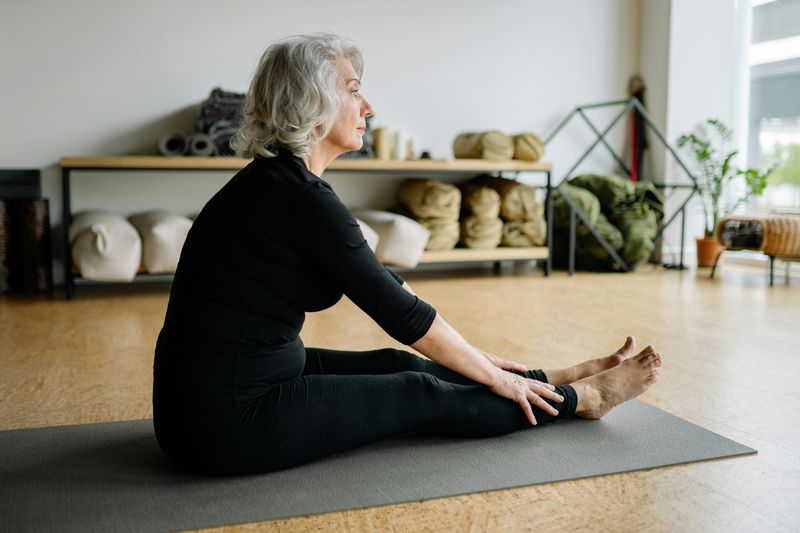
Happy agers simply find ways to move their bodies every day, whether that’s a morning walk, light stretching, or tending to a garden.
Consistent movement keeps joints flexible, boosts mood, and helps the heart stay strong.
Research shows that even 30 minutes of moderate activity daily can add years to your life.
The key isn’t intensity — it’s showing up for yourself regularly.
Small, steady efforts compound into remarkable results over months and years.
2. Staying Curious Keeps Their Minds Sharp

Curiosity might just be one of the best anti-aging tools available — and it costs absolutely nothing.
People who age with joy tend to keep asking questions, exploring new ideas, and learning things they never knew before.
Whether it’s picking up a new hobby, reading widely, or watching a documentary about something unfamiliar, staying mentally engaged protects brain health over time.
Studies suggest that lifelong learners have a lower risk of cognitive decline.
Keeping the mind active isn’t just smart — it’s one of the most satisfying ways to spend your days.
3. Nurturing Close Friendships Over Casual Connections

Loneliness is one of the biggest threats to health in older adults, yet it rarely gets the attention it deserves.
Happy people in their 60s tend to invest deeply in a small circle of meaningful friendships rather than chasing a wide social network.
Real connection — the kind where you can be honest and vulnerable — reduces stress hormones and even strengthens the immune system.
Making time for the people who truly matter, even through a simple phone call or shared meal, creates a sense of belonging that no amount of social media scrolling can replace.
4. Embracing a Simpler, Less Cluttered Life

There’s something quietly powerful about letting go.
Many people who report high happiness in their 60s have deliberately simplified their lives — fewer possessions, fewer obligations, and fewer things competing for their attention.
Decluttering isn’t just about tidying up a room.
It’s about clearing mental space so you can focus on what genuinely brings joy and meaning.
Psychologists call this “voluntary simplicity,” and it’s strongly linked to lower anxiety and greater life satisfaction.
When you stop managing so much stuff, you suddenly have more energy for the experiences and people that actually matter.
5. Getting Consistent, Quality Sleep Every Night

Sleep is the body’s built-in repair system, and people who age well treat it like the non-negotiable priority it truly is.
Going to bed at roughly the same time each night and waking up naturally without an alarm is a habit many happy 60-somethings have quietly mastered.
Poor sleep is linked to memory problems, irritability, weight gain, and even heart disease.
Getting seven to nine hours of quality rest each night makes everything else in life feel more manageable.
A consistent bedtime routine signals the brain that it’s time to wind down and recover from the day.
6. Spending Meaningful Time Outdoors

Fresh air and natural light do something for the human spirit that’s hard to explain but easy to feel.
Happy people in their 60s tend to spend regular time outside — not necessarily on extreme adventures, but in simple, grounding ways like gardening, walking, or sitting by a lake.
Exposure to nature lowers cortisol levels, improves mood, and can even reduce blood pressure.
Sunlight helps regulate the body’s internal clock and boosts vitamin D production, which is especially important as we age.
Even 20 minutes outside each day can shift your entire emotional outlook in surprisingly positive ways.
7. Practicing Gratitude Without Making It a Chore

Gratitude journals and thankfulness rituals have become trendy, but the happiest people in their 60s practice gratitude in a much quieter, more personal way.
It might just be pausing before a meal to notice what’s good, or reflecting for a few minutes before sleep.
Research from positive psychology consistently shows that people who regularly acknowledge what they’re grateful for report higher levels of happiness and lower levels of depression.
The practice doesn’t need to be elaborate or scheduled.
Simply training your brain to notice the good — even on hard days — gradually rewires how you experience life.
8. Letting Go of Old Grudges and Resentments

Carrying anger from the past is exhausting — and it turns out, genuinely bad for your health.
Studies have linked chronic resentment to elevated blood pressure, weakened immunity, and increased risk of depression.
People who age happily tend to have quietly made peace with old wounds.
Forgiveness doesn’t mean pretending something was okay.
It means choosing not to let past pain continue stealing your present joy.
This habit is perhaps the hardest on this list, but also one of the most liberating.
Releasing what you can’t change frees up enormous emotional energy for living fully in the now.
9. Eating with Intention, Not Restriction

Happy agers aren’t obsessing over every calorie or following the latest trendy diet.
Instead, they’ve developed a relaxed, mindful relationship with food — eating mostly whole, nourishing foods while still enjoying the occasional treat without guilt.
Mindful eating means slowing down, savoring flavors, and paying attention to hunger and fullness cues.
It’s the opposite of distracted eating in front of a screen.
Over decades, this balanced approach protects the heart, supports healthy weight, and keeps energy levels steady.
Food becomes something to genuinely enjoy rather than something to stress over — and that shift alone improves quality of life enormously.
10. Having a Sense of Purpose Beyond Themselves

One of the most consistent findings in aging research is that a sense of purpose dramatically extends both lifespan and happiness.
People thriving in their 60s tend to feel connected to something larger than their own daily concerns — whether that’s volunteering, mentoring, creative work, or community involvement.
Purpose gives ordinary days meaning and structure.
It’s the reason to get up in the morning that goes beyond personal need.
Interestingly, this doesn’t have to be grand or world-changing.
Even tending a neighborhood garden or supporting a grandchild’s growth can create a deep, sustaining sense of mattering to the world.
11. Accepting Change Instead of Fighting It
Life in your 60s brings real changes — in health, relationships, roles, and identity.
The people who navigate this decade with the most grace tend to share one quiet strength: they accept change rather than resist it.
Psychologists call this quality “adaptive resilience,” and it’s closely tied to emotional well-being in later life.
Accepting that some things are simply beyond your control doesn’t mean giving up — it means spending your energy wisely.
Happy agers focus on what they can shape and release what they cannot.
That mental flexibility makes them far more capable of finding joy no matter what life brings their way.