 MomSkoop

Some people seem almost impossible to trick, pressure, or control. They stay calm when others try to push their buttons, and they always seem to know when something feels off.
These people are not superhuman — they just quietly carry certain habits and mindsets that protect them. Understanding these traits can help you build the same kind of inner strength in your own life.
1. They Know Their Own Values

When you know exactly what you believe in, it becomes very hard for someone to talk you out of it.
People who are difficult to manipulate have a clear sense of their personal values — things like honesty, fairness, and loyalty matter deeply to them.
Because their values are solid, they do not easily bend when someone tries to pressure them into doing something that feels wrong.
They have an internal compass that keeps pointing in the right direction.
Building your own value system takes time, but even writing down three things you truly believe in can be a powerful first step toward protecting yourself.
2. Emotional Steadiness Under Pressure

Manipulators often rely on stirring up strong emotions like fear, guilt, or anger to cloud your thinking.
People who resist this have trained themselves to pause before reacting, giving their brain time to catch up with their feelings.
This does not mean they are cold or robotic — it means they have learned that a calm mind makes better decisions than a panicked one.
Think of it like being in a storm but staying dry because you brought an umbrella.
Emotional steadiness is not something you are born with; it is something you practice every single day through small, intentional choices about how you respond to stress.
3. A Healthy Dose of Skepticism

Questioning things is not the same as being negative or rude — it is actually a sign of a sharp, independent mind.
People who are hard to manipulate do not automatically accept what they are told just because someone says it confidently.
They ask follow-up questions, look for evidence, and notice when a story does not quite add up.
This habit keeps them from falling for half-truths or misleading information.
Healthy skepticism is like having a built-in fact-checker running quietly in the background.
You do not need to distrust everyone — just slow down before accepting something as completely true without checking it first.
4. Comfortable Saying No Without Guilt

Saying no is one of the most powerful things a person can do.
Manipulators often count on people feeling too guilty or too afraid to refuse a request, which gives them enormous control over others.
People who resist manipulation have made peace with the idea that saying no does not make them selfish or unkind.
They understand that protecting their time and energy is completely reasonable.
Interestingly, people who say no more often are often more respected — not less.
When others know your boundaries are real and consistent, they are far less likely to push against them in the first place.
5. Strong Sense of Personal Identity

Manipulation often works by making someone question who they are or feel like they are not good enough.
People with a strong sense of self are naturally protected against this kind of attack.
They know their strengths, acknowledge their flaws without shame, and do not need constant approval from others to feel worthy.
That inner security acts like armor against people who try to chip away at their confidence.
Building a strong identity does not require being perfect — it simply means spending time getting to know yourself honestly.
The better you understand who you are, the harder it becomes for someone else to rewrite that story for you.
6. They Pay Attention to Actions, Not Just Words
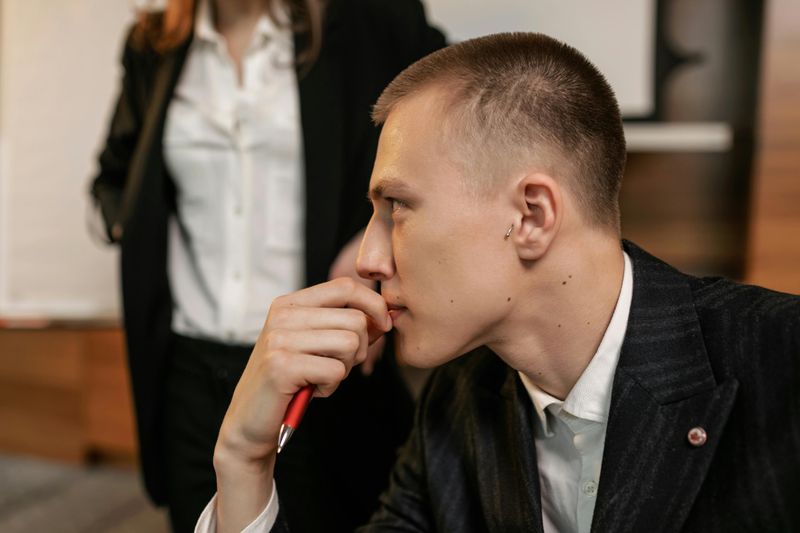
Words are easy.
Anyone can say the right thing at the right moment, but actions tell the real story.
People who are hard to manipulate have learned to watch what others do over time rather than simply trusting what they say.
If someone repeatedly promises things they never deliver, these individuals notice the pattern quickly.
They are not cynical — they are simply paying attention to the full picture.
This skill is surprisingly useful in everyday life, from friendships to work situations.
Training yourself to observe behavior over time, rather than reacting only to words in the moment, can save you from a lot of confusion and heartache.
7. Willingness to Walk Away

One of the most underrated forms of personal power is the ability to leave a situation that does not serve you.
Manipulators often use urgency, guilt, or fear to keep people stuck in uncomfortable dynamics.
People who resist this have accepted that walking away is sometimes the bravest and smartest choice available.
They do not see leaving as failure — they see it as self-respect in action.
Whether it is a toxic friendship, a bad deal, or a conversation that keeps going in circles, knowing you can exit gives you enormous freedom.
That freedom alone makes it much harder for anyone to use pressure tactics against you effectively.
8. Low Need for External Validation

Here is a quiet truth: the more you need others to approve of you, the easier you are to control.
Manipulators often use praise, flattery, or the threat of disapproval to steer people in the direction they want.
People who are resistant to manipulation have developed a strong internal source of confidence that does not depend on outside opinions.
They appreciate compliments but do not need them to feel okay about themselves.
This kind of inner independence takes time to build, especially in a world that constantly measures worth through likes and reactions.
But even small steps toward trusting your own judgment can dramatically reduce your vulnerability to manipulation.
9. Clear and Direct Communication Style

Vague language and mixed signals are a manipulator’s best tools.
When someone is unclear about what they mean, it leaves room for others to twist their words or reframe the situation entirely.
People who communicate directly and honestly make it much harder for manipulation to take hold.
They say what they mean, ask for clarification when confused, and do not leave important things unsaid out of politeness or fear.
Clear communication is not about being blunt or harsh — it is about making sure your message actually lands the way you intended.
Practicing this in small daily conversations builds a habit that protects you in much bigger situations over time.
10. Trusting Their Gut Instincts

Scientists have found that gut feelings are often the brain processing information faster than conscious thought can catch up.
That quiet sense that something is wrong is not just paranoia — it is your mind noticing patterns you have not fully put into words yet.
People who are hard to manipulate take those feelings seriously.
When something feels off, they slow down instead of pushing past the discomfort to please someone else.
Learning to trust your instincts does not mean acting on every anxious thought.
It means giving yourself permission to pause and investigate when your inner alarm quietly goes off, rather than ignoring it to avoid an awkward moment.
11. Consistent Self-Reflection Habits

People who regularly check in with themselves are much harder to manipulate because they notice changes in their own thinking and mood before anyone else can exploit them.
Self-reflection is like doing a regular maintenance check on your own mind.
When you understand why you feel a certain way, you are far less likely to be led somewhere you did not intend to go.
Manipulators often target blind spots — the things people have not examined about themselves.
Even five minutes of honest reflection each day can sharpen your self-awareness dramatically.
Journaling, quiet walks, or simply asking yourself how you truly feel about a situation can make a significant difference in keeping your thinking clear and your choices your own.