 MomSkoop
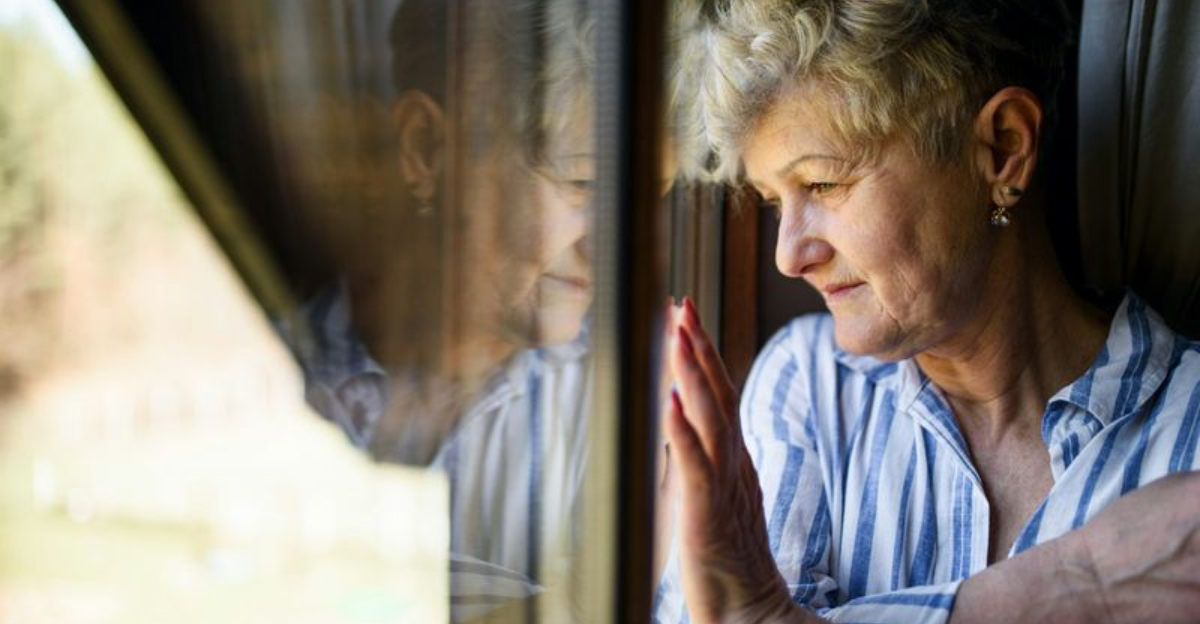
As people get older, some gradually pull away from the social world around them. It can happen slowly, almost without anyone noticing, including the person themselves.
Small changes in behavior can add up over time, turning a once-social person into someone who rarely leaves the house or picks up the phone. Understanding these habits is the first step toward recognizing isolation before it takes a serious toll on mental and physical health.
1. Turning Down Invitations More Often

Saying no once in a while is perfectly normal.
But when turning down invitations becomes the default answer, it can signal something deeper is going on.
People who are becoming more isolated often find it easier to decline plans than to push themselves out the door.
Over time, saying no starts to feel automatic.
The excuses come quickly, and the relief of staying home feels stronger than the joy of going out.
Friends may stop asking after a while, which only deepens the isolation.
Catching this pattern early, and occasionally saying yes even when it feels uncomfortable, can make a real difference in staying connected.
2. Preferring Familiar Routines

Comfort in routine is something most people enjoy, but for those drifting toward isolation, routines can quietly become walls.
The same morning coffee, the same TV shows, the same walk around the block, repeated day after day without much variation or social contact.
Routines offer a sense of control, especially when life feels unpredictable.
But when every day looks exactly the same and none of it involves other people, it can shrink a person’s world without them realizing it.
Mixing in small, social activities, like a weekly class or a coffee date, can break the cycle without feeling overwhelming.
Change does not have to be dramatic to be meaningful.
3. Going Days Without Meaningful Conversation

There is a big difference between small talk and a real conversation.
When someone starts going entire days, or even several days in a row, without a single meaningful exchange with another person, something important is missing from their life.
Studies show that regular, meaningful conversation supports brain health and emotional well-being.
Without it, people can feel invisible or forgotten, even if they would not admit it out loud.
The longer the silence stretches, the harder it becomes to reach out.
A simple phone call, a quick chat with a neighbor, or even joining an online community can remind someone that their voice and their story still matter to others.
4. Avoiding Phone Calls and Messages

Remember when getting a phone call felt exciting?
For people slipping into isolation, the phone starts to feel more like a burden than a lifeline.
Texts go unanswered for days, voicemails pile up, and the idea of making a call feels oddly exhausting.
This avoidance is not always about not caring.
Sometimes it comes from feeling like there is nothing interesting to say, or worrying about being a bother to others.
But every ignored message widens the gap between a person and the people who care about them.
Setting a small personal goal, like responding to at least one message per day, can slowly rebuild the habit of staying in touch.
5. Spending More Time at Home
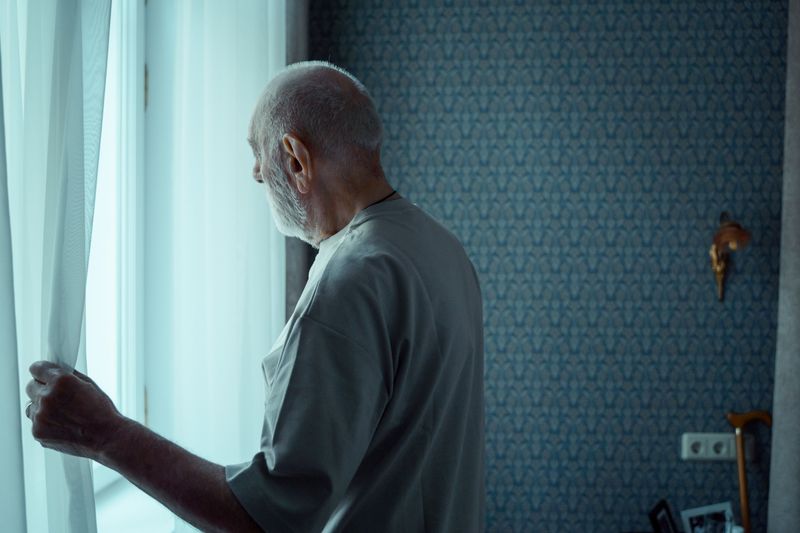
Home is supposed to be a sanctuary, a place to recharge.
But when home becomes the only place a person spends their time, it stops being a retreat and starts being a trap.
People who are becoming more isolated often spend entire weeks without stepping outside for anything beyond errands.
The outside world starts to feel foreign, even a little intimidating, the longer someone stays in.
Fresh air, different faces, and new surroundings do a lot for mental health.
Even short outings, like a walk to a nearby park or a browse through a local store, can reset the mind and remind someone that the world is still out there, ready to be part of their life.
6. Losing Interest in Meeting New People

Making new friends takes energy, and as people age, that energy can feel harder to come by.
Some older adults reach a point where the idea of meeting someone new feels more tiring than exciting.
Why start over when the effort seems so high and the payoff uncertain?
This mindset can quietly close a lot of doors.
New people bring new perspectives, new laughs, and new reasons to engage with life.
Losing the desire to connect with anyone unfamiliar is one of the clearest signs that isolation is setting in.
Joining a local group, volunteering, or simply striking up a conversation with a neighbor can gently reopen that door, one small interaction at a time.
7. Becoming More Protective of Personal Space
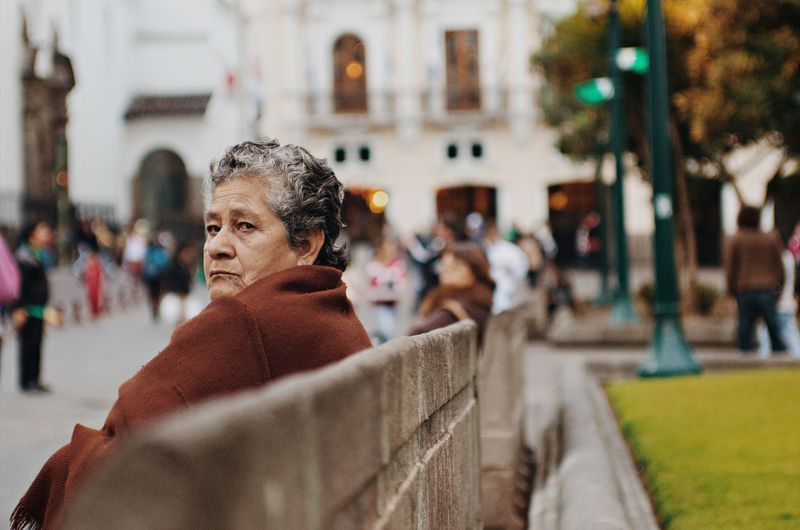
A healthy respect for personal boundaries is a good thing.
But when someone starts guarding their space so fiercely that even close friends or family feel unwelcome, it often points to deeper withdrawal.
Isolated individuals sometimes feel like their home is the one place where they have full control.
Letting people in, literally and figuratively, can feel threatening when someone is used to being alone.
Visits start to feel intrusive rather than warm.
This shift can hurt relationships over time, as loved ones may feel pushed away without understanding why.
Recognizing when protectiveness crosses into avoidance is key.
A short, scheduled visit can feel more manageable than an open-door policy and still keep connections alive.
8. Relying Heavily on Television or the Internet for Company

Screens have become the default companions for many people who live alone.
Television provides background noise that makes silence feel less heavy, and the internet offers endless content that can fill hours without requiring any real human interaction.
For someone who is isolated, this can feel like enough.
The tricky part is that screens give the illusion of connection without the real thing.
Watching people talk and laugh on a show is not the same as sharing a laugh with someone in person.
Over time, screen time can actually replace the motivation to seek out genuine relationships.
Balancing screen use with intentional social activities, even brief ones, helps keep real-world connections from fading away completely.
9. Doing Most Activities Alone
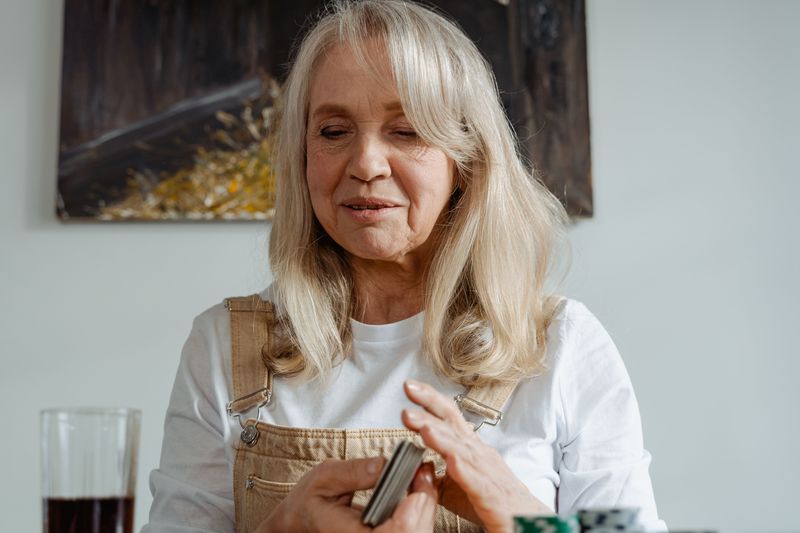
Grocery shopping alone, eating alone, watching movies alone, going for walks alone.
When the list of solo activities starts covering nearly every part of daily life, it is worth pausing to notice the pattern.
Doing things independently is not bad, but doing everything independently can quietly reinforce isolation.
Activities that were once shared experiences gradually lose some of their joy when there is no one to share them with.
And after a while, people stop imagining doing them any other way.
Inviting someone along, even occasionally, can refresh the experience and strengthen a relationship at the same time.
It does not have to be a big event, even a simple walk with a friend counts as meaningful connection.
10. Overthinking Social Interactions

After spending a lot of time alone, social situations can start to feel more complicated than they used to.
Did that comment come out wrong?
Did the other person seem annoyed?
Was it weird to bring that up?
For people becoming more isolated, these kinds of questions can loop for hours after a simple conversation.
Overthinking social interactions is both a symptom and a cause of isolation.
The anxiety it creates makes people want to avoid social situations even more, which then makes social skills feel rustier over time.
Breaking the cycle takes practice.
Reminding yourself that most people are focused on their own experience, not judging yours, can help ease the mental replay and make socializing feel less like a test.
11. Letting Friendships Gradually Fade

Friendships rarely end in a dramatic argument.
More often, they just fade.
A text goes unanswered, a birthday passes without a call, and suddenly months have gone by without any contact.
For people drifting into isolation, this slow fading becomes a pattern that touches nearly every relationship.
What makes this habit especially tricky is that it does not always feel intentional.
Life gets busy, energy runs low, and reaching out keeps getting postponed.
But each friendship that fades is a piece of the social safety net that disappears.
Rekindling an old friendship can be as simple as a short message saying you have been thinking about someone.
Most people are happier to hear from you than you might expect.
12. Feeling Drained by Social Gatherings

Social events used to feel fun.
Now they feel like something to survive.
For people who have spent a long time in isolation, being around a group of people, even loved ones, can feel genuinely exhausting rather than energizing.
The noise, the small talk, and the effort of being present all feel like too much.
This kind of social fatigue is real, but it tends to get worse the more a person avoids social situations.
The less practice someone gets being around others, the harder it becomes each time.
Starting small helps.
A one-on-one lunch is far less overwhelming than a crowded party.
Gradually increasing social exposure, at a comfortable pace, can slowly rebuild stamina and make gatherings feel less draining over time.
13. Convincing Themselves They Prefer Being Alone

Perhaps the most subtle habit of all is the story a person tells themselves.
After enough time spent alone, it becomes easy to believe that solitude is simply a preference rather than a pattern that gradually took over. “I am just an introvert,” or “I have never needed many people around” become comfortable explanations.
There is nothing wrong with genuinely enjoying time alone.
But when that belief is used to avoid addressing loneliness, it can hold someone back from a richer, more connected life.
Honest self-reflection matters here.
Asking yourself whether you are choosing solitude freely or whether fear and habit are making the choice for you is a powerful first step toward reconnecting with others.