 MomSkoop
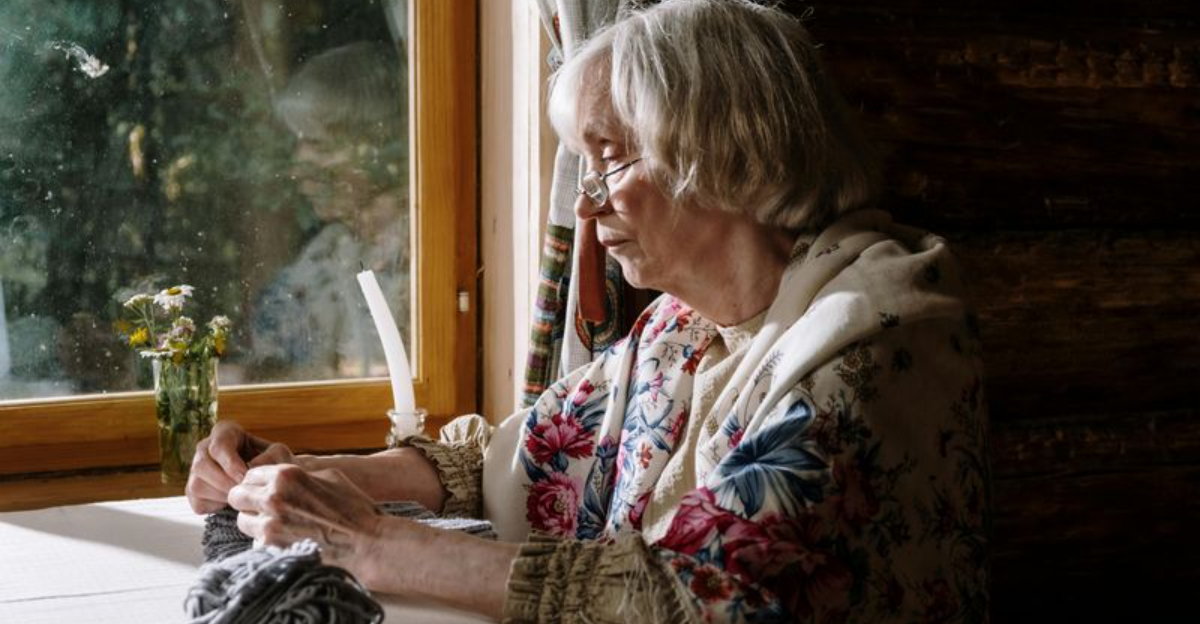
Getting older changes how we see relationships. What once seemed important might not matter anymore, and people we used to spend time with may no longer fit into our lives. Many adults start cutting off certain friends or family members as they age, and while it might seem harsh, there are actually some pretty good reasons behind it.
1. They Become Less Tolerant of Drama

Drama used to be something you could tolerate or even find entertaining when you were younger. But as the years pass, constant conflict, gossip, and unnecessary stress lose their appeal entirely. Your energy becomes more valuable, and you realize that spending it on petty arguments or other people’s chaos just isn’t worth it anymore.
When friends or family members bring endless negativity into your life, it starts to feel exhausting rather than engaging. You might notice yourself pulling away from people who thrive on creating problems or stirring up trouble. Setting boundaries becomes easier because you understand that peace matters more than keeping everyone happy.
Choosing calm over chaos is a sign of maturity, not coldness.
2. Their Priorities Shift

Life has a way of rearranging what matters most. Career goals, health concerns, raising children, or simply finding personal peace can push certain relationships to the background. What used to be a priority—like going out every weekend or keeping up with a large social circle—might not fit into your life anymore.
As responsibilities grow, time becomes limited. You start choosing activities and people that align with your current goals rather than past habits. Some friendships naturally fade because they no longer serve your evolving needs or values.
Letting go of relationships that don’t support your priorities isn’t selfish. It’s about making room for what truly matters now, even if that means disappointing people who expect you to stay the same forever.
3. They Recognize One-Sided Relationships

Ever notice how some people only call when they need something? Age brings clarity about who genuinely cares and who just takes advantage. One-sided relationships become painfully obvious when you start paying attention to patterns rather than excuses.
You realize that real friendship involves give and take, not constant one-way support. If someone never shows up for you but expects you to drop everything for them, resentment builds. Eventually, you stop answering those calls because your time and emotional energy deserve better.
Walking away from takers isn’t mean; it’s necessary. You learn that surrounding yourself with people who actually reciprocate creates healthier, more fulfilling connections. Life’s too short to keep pouring into empty cups.
4. Their Social Battery Shrinks

Remember when you could socialize all day without feeling drained? As you age, constant interaction starts feeling less energizing and more exhausting. Your social battery just doesn’t hold the same charge it once did, and that’s completely normal.
Large gatherings, frequent phone calls, or even casual hangouts can leave you feeling worn out. You begin to notice that you need more alone time to recharge than you used to. What others might see as antisocial behavior is really just self-care.
Cutting off relationships that demand too much social energy becomes a way to protect your mental health. You’re not being rude; you’re being honest about your limits. Choosing smaller, quieter interactions over constant socializing helps you maintain your well-being.
5. They Value Quality Over Quantity

Having hundreds of acquaintances sounds impressive until you realize how lonely it can feel. With age comes the wisdom that a few deep, meaningful friendships beat a crowd of shallow connections any day. You stop trying to be everyone’s friend and focus on the people who truly matter.
Quality relationships involve trust, honesty, and mutual respect. These are the friends who know your struggles and celebrate your wins without jealousy. You’d rather have three people you can call at 3 AM than thirty who barely remember your birthday.
Cutting off casual friendships makes room for deeper bonds. You invest your limited time and energy into relationships that actually nourish your soul, not just fill your social calendar.
6. They Outgrow Certain Friendships

Sometimes you change faster than the people around you, and that’s okay. Personal growth, new experiences, or shifting values can create natural distance between you and old friends. What you once had in common might disappear as you evolve into different people.
Maybe you quit drinking while your friends still party every weekend. Perhaps you developed new interests they don’t share or understand. Growth isn’t always synchronized, and trying to force connections that no longer fit feels uncomfortable for everyone involved.
Outgrowing friendships doesn’t mean either person is bad or wrong. It simply means you’re on different paths now. Accepting this reality and moving forward without guilt allows both of you to find people who match your current journey better.
7. They Realize Their Time Is Limited

Aging brings a sobering awareness that time isn’t infinite. Birthdays start feeling less like celebrations and more like reminders that years are passing quickly. This realization changes how you choose to spend your remaining time on earth.
Wasting hours on people who drain you or relationships that bring no joy suddenly feels unacceptable. You become more selective about who gets access to your precious days. Every moment counts, so why spend it with people who don’t appreciate or respect you?
Cutting off toxic or unfulfilling relationships becomes easier when you understand that life is short. You’d rather spend your time creating happy memories with people who genuinely care than maintaining connections out of obligation or habit.
8. They’ve Been Hurt Before

Betrayal leaves scars that make you more cautious about who you trust. Past disappointments—whether from friends who gossiped, family who betrayed confidence, or partners who lied—teach painful but valuable lessons. You learn that not everyone deserves access to your heart.
Once you’ve been burned, you become more selective about new relationships and more willing to end existing ones that show red flags. You recognize warning signs earlier and act faster to protect yourself. Some might call it being guarded, but you call it being smart.
Cutting people off after being hurt isn’t about holding grudges. It’s about self-preservation and refusing to let history repeat itself. You deserve relationships built on trust and honesty, not anxiety and suspicion.
9. They’re Focused on Healing or Self-Improvement

Working on yourself requires space and focus that toxic relationships simply don’t allow. Whether you’re healing from trauma, breaking bad habits, or building better ones, certain people can trigger old patterns or block your progress entirely. Sometimes distance is necessary for growth.
Therapy, self-reflection, and personal development often reveal which relationships support your journey and which ones sabotage it. Friends who mock your efforts, family who dismiss your struggles, or anyone who keeps pulling you backward has to go. Your mental health comes first.
Cutting off people who hinder your healing isn’t cruel; it’s essential. You can’t become your best self while surrounded by those who prefer the old version. Protecting your progress means choosing yourself, even when others don’t understand.
10. They Prefer Solitude

There’s a special kind of peace that comes from being alone. As you age, solitude stops feeling lonely and starts feeling liberating. You discover that your own company can be more enjoyable than forced social interactions with people who don’t really get you.
Quiet mornings with coffee, evenings with a good book, or weekends with no plans become treasured luxuries. You no longer feel obligated to fill every moment with social activities or maintain relationships that feel like work. Silence becomes golden, not something to fear or avoid.
Choosing solitude over socializing doesn’t mean you’re antisocial or depressed. It means you’ve found contentment within yourself and don’t need constant external validation. Some people simply prefer their own peaceful company over exhausting social obligations.
11. They Understand Their Worth
Confidence grows with age, and so does your understanding of what you deserve. You stop tolerating disrespect, inconsistency, or people who take you for granted. When you truly know your value, settling for less becomes impossible.
Years of experience teach you that accepting poor treatment only invites more of it. You learn to set firm boundaries and enforce them without guilt. If someone can’t respect you, appreciate you, or show up consistently, they don’t deserve a place in your life.
Cutting off people who don’t recognize your worth is an act of self-respect. You’re not being difficult or demanding; you’re simply refusing to accept anything less than you deserve. Real relationships involve mutual respect, and you’re no longer willing to compromise on that.