 MomSkoop
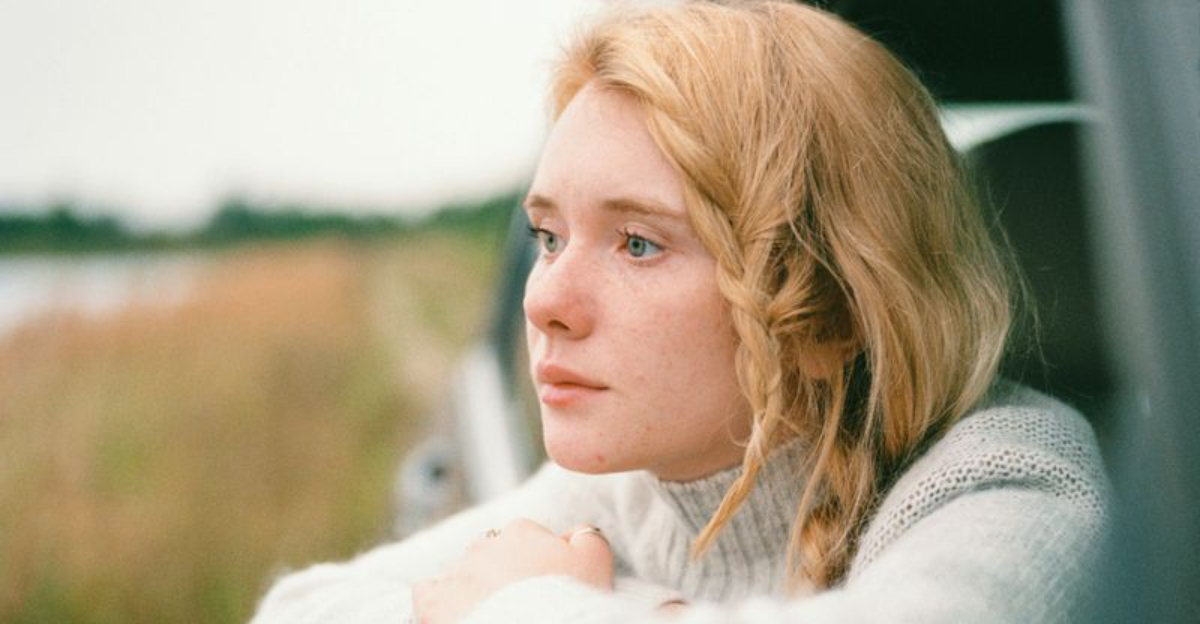
Some of the kindest people you’ll ever meet somehow end up with fewer friends than you’d expect.
It’s not because they’re unlikable or difficult to be around.
Often, it comes down to quiet habits and personality traits that get in the way of building the connections they truly want.
Understanding these patterns can help both you and the people you care about feel a little less alone.
1. They Invest Deeply in a Few People Instead of Spreading Attention Widely

Quality over quantity sounds like a good motto, but it can quietly shrink your social world.
Some kind people pour everything they have into just one or two relationships, leaving little energy for anyone else.
When those close friendships fade or shift, they can feel suddenly and completely alone.
This deep investment style means they show up fully for the people they care about.
But others outside that small circle may feel like they never quite get through.
Building even a few more casual friendships alongside the deep ones can make a real difference in feeling connected.
2. They Hesitate to Initiate Plans, Even Though They Genuinely Want Connection

Wanting to hang out and actually sending that text are two very different things for some people.
The fear of being rejected, seeming too eager, or just not knowing what to say can freeze someone in place.
Meanwhile, the other person is probably waiting to hear from them too.
This hesitation is not about being antisocial.
It is usually rooted in self-doubt or a worry about being a bother.
Friendships need someone to make the first move sometimes.
Recognizing this pattern and nudging yourself to reach out, even imperfectly, can slowly open doors that seemed closed for no good reason.
3. They Avoid Conflict So Strongly That Others Never See Their Real Opinions

Keeping the peace feels like the kind thing to do, but it can accidentally make you invisible.
When someone never disagrees, pushes back, or shares a strong opinion, others struggle to feel like they truly know them.
Friendship needs a little friction to feel real and honest.
People who avoid conflict often do it out of care.
They don’t want to upset anyone or cause drama.
But real connection grows when both people feel safe to be themselves, including the parts that don’t always agree.
Sharing your genuine thoughts, even gently, actually invites people closer rather than pushing them away.
4. They Give More Emotional Support Than They Ever Ask for in Return

Being the friend who always listens, always encourages, and always shows up sounds admirable.
And it is.
But when the giving only flows one way, the relationship can start to feel unbalanced without anyone meaning it to.
Over time, the giver may feel unseen or quietly exhausted.
Asking for support is not weakness.
It is actually what allows friendships to feel mutual and meaningful.
When you share your struggles, you give others the chance to show up for you too.
That kind of two-way care is what turns a nice acquaintance into a genuinely close and lasting friend.
5. They Are Friendly in the Moment but Struggle to Maintain Ongoing Contact

Some people are absolutely wonderful to be around in person.
They laugh easily, ask great questions, and make everyone feel comfortable.
But the moment the event ends, they sort of disappear.
Staying in touch between hangouts just doesn’t come naturally to them.
This isn’t coldness or lack of care.
For many, maintaining ongoing contact feels awkward or forced, especially when there’s no specific reason to reach out.
Friendships, though, need regular little check-ins to stay alive.
Even a short message saying you thought of someone can keep a connection warm and remind them they genuinely matter to you.
6. They Overthink Social Interactions Long After They Happen

Did that joke land wrong?
Was I talking too much?
Did they seem annoyed at the end?
If these questions sound familiar after a totally normal hangout, you already understand this one.
Replaying conversations in your head is exhausting and can make socializing feel more draining than fun.
The tricky part is that all this overthinking often has nothing to do with what actually happened.
Most people walk away from a conversation without a second thought.
Learning to notice when your brain is spiraling and gently redirecting it can help you enjoy social moments instead of dreading the mental replay that follows.
7. They Wait to Be Invited Rather Than Assuming They Are Welcome

There’s something almost poetic about someone who would be the best addition to any room but never walks in unless someone holds the door open for them.
Waiting for an invitation feels polite and respectful.
But from the outside, it can look like disinterest or even aloofness.
Most social groups aren’t deliberately excluding anyone.
People just assume others will speak up if they want to join.
Taking a small step toward inserting yourself, whether that’s asking about plans or simply showing up, sends a signal that you’re interested.
You don’t need a formal invitation to belong somewhere.
8. They Downplay Their Own Needs to Avoid Being a Burden
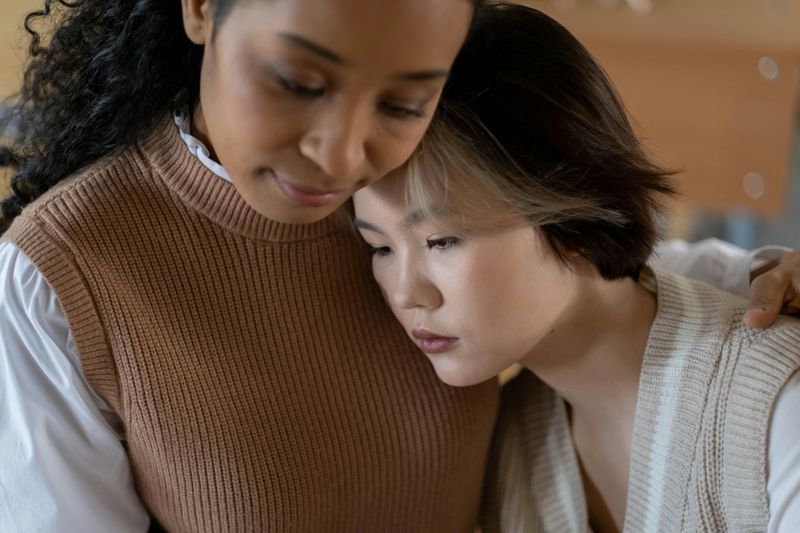
“I’m fine, don’t worry about me” might be the most quietly lonely sentence a person can say.
People who constantly minimize their own needs often do it out of genuine care for others.
They don’t want to take up space or cause anyone extra stress.
But friendships are built on mutual care.
When you never let people help you, you unintentionally block them from feeling close to you.
Being a little vulnerable and saying “actually, I could use some support right now” is not a burden.
It is an invitation for real connection, and most kind people are waiting for exactly that chance.
9. They Are Selective About Trust, Opening Up Slowly and Carefully

Trust isn’t handed out freely by everyone, and for good reason.
People who have been hurt before, or who simply value depth over speed, tend to open up on a slow and careful timeline.
To others, this can sometimes read as being distant or hard to get to know.
The challenge is that most friendships are formed during a window of early openness.
If someone holds back too long, the other person may stop trying before the real connection has a chance to grow.
Sharing something small and personal a little earlier than feels comfortable can signal warmth and help a friendship take root faster.
10. They Often Appear Independent on the Outside but Quietly Wish for Closer Bonds

On the surface, they seem to have it all together.
They handle their problems alone, rarely ask for help, and project a calm, capable image to the world.
Most people assume they prefer solitude.
In reality, they are often quietly hoping someone will look a little closer.
This gap between appearance and inner longing is one of the most common reasons kind people end up with fewer friends than they deserve.
Letting that self-sufficient wall down, even occasionally, gives others permission to get closer.
You don’t have to fall apart to show vulnerability.
Simply saying “I’d love some company” can change everything.