 MomSkoop

Not everyone grows up feeling like they fit society’s idea of “attractive,” and that experience can quietly shape how a person moves through the world. Over time, people who see themselves as less conventionally good-looking may develop certain habits as a way to cope, connect, or build confidence.
These patterns are more common than most people realize, and many of them are actually strengths in disguise. Understanding these habits can help us be more empathetic toward others and more aware of our own behavior.
1. Using humor as social currency
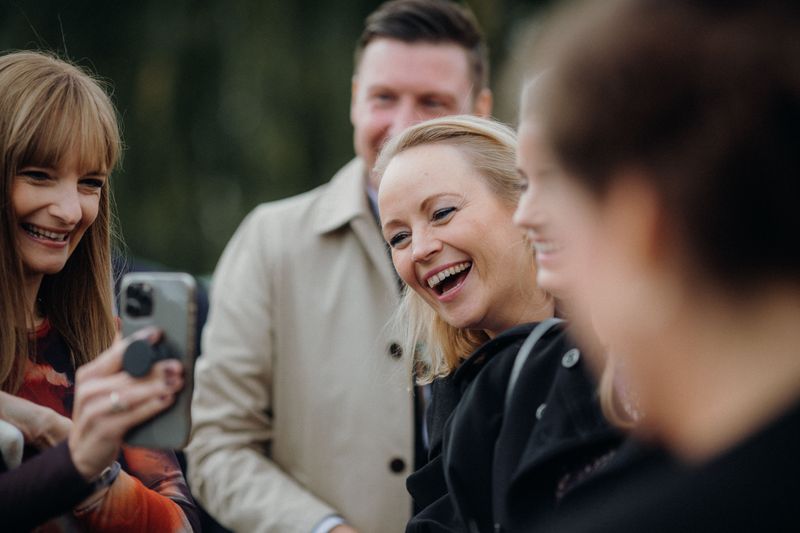
Some people discover early on that making others laugh is one of the fastest ways to be liked.
When someone doesn’t feel confident in their looks, humor becomes a powerful tool for connection.
A well-timed joke can break the ice, ease tension, and make people feel comfortable.
Over time, this habit turns into a genuine skill.
People who lean on wit often become the most memorable person in the room, not because of how they look, but because of how they make others feel.
That kind of social magnetism is hard to fake and even harder to forget.
2. Reading the room carefully

Paying close attention to how others are feeling is a habit that often develops from years of watching social situations rather than leading them.
When someone feels like an outsider, they tend to become sharp observers of tone, mood, and unspoken signals.
This skill is genuinely valuable.
People who read the room well tend to be better communicators, more empathetic friends, and stronger leaders.
They notice when someone is uncomfortable before anyone else does.
What started as a defense mechanism quietly becomes one of their greatest social strengths, helping them navigate complex relationships with a kind of emotional intelligence that others genuinely admire.
3. Downplaying compliments about appearance

“You’re being too nice” or “you’re just saying that” – these responses come automatically to people who don’t believe compliments about their looks are genuine.
When someone has spent years seeing themselves as unattractive, sincere praise can feel like politeness rather than truth.
This habit is tricky because it can unintentionally push people away.
The person giving the compliment may feel dismissed or unheard.
Over time, this pattern can make it harder to accept kindness and build real intimacy.
Recognizing this habit is the first step toward challenging it.
Sometimes a simple “thank you” is both the hardest and most meaningful response a person can practice.
4. Avoiding photographs
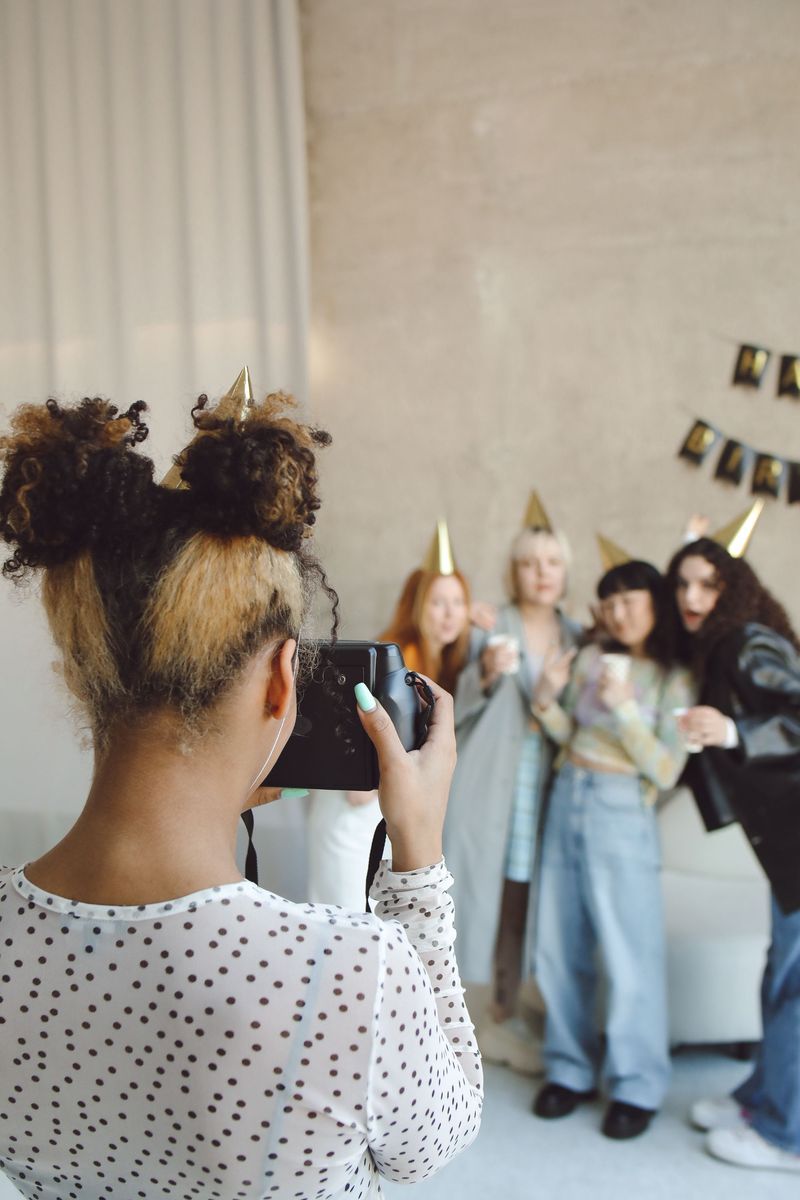
Cameras have a way of making certain people feel exposed.
For someone who already struggles with how they see themselves, a candid photo feels like catching the worst version of their appearance frozen in time.
Group photos, selfies, and social media posts can all trigger anxiety.
The habit of ducking out of pictures or always being the one behind the camera is surprisingly common among people who feel self-conscious about their looks.
Missing out on photos also means missing out on memories.
Gently challenging this habit, even by allowing just one casual photo occasionally, can be a small but meaningful act of self-acceptance over time.
5. Comparing themselves with others

Walking into a room and immediately scanning for who looks better is an exhausting habit, but it happens almost automatically for people who feel insecure about their appearance.
The comparison game rarely has a winner, yet it keeps getting played.
Social media has made this habit significantly worse.
Filtered photos and highlight reels create an unrealistic standard that even the most objectively attractive people can feel they fall short of.
The comparison itself is rarely about facts.
It’s more about a deeply ingrained belief that attractiveness is a competition with a fixed ranking.
Challenging that belief, even slightly, can bring real relief and a much-needed shift in perspective.
6. Developing competence as a source of confidence

When someone doesn’t rely on their looks for confidence, they often pour energy into becoming genuinely good at something.
Whether it’s coding, cooking, athletics, music, or art, developing a skill gives them a solid foundation to stand on.
This kind of confidence is built rather than inherited.
It’s earned through hours of practice, failure, and persistence.
And unlike appearance, it tends to grow stronger with age rather than fading.
People who build competence-based confidence often become quietly impressive.
They don’t need to announce themselves in a room because their work, their knowledge, or their talent does it naturally.
That’s a deeply satisfying kind of self-assurance to carry through life.
7. Being reluctant to initiate romantically

Putting yourself out there romantically takes courage for anyone.
But for someone who already expects to be seen as less desirable, the fear of rejection feels almost certain before a single word is spoken.
This habit often looks like waiting for the other person to make the first move, or talking themselves out of asking someone out entirely. “They wouldn’t be interested in me anyway” becomes a comfortable excuse that protects against potential hurt.
The problem is that it also protects against connection.
Many meaningful relationships never start because one person assumed the answer was no before asking the question.
Quiet courage, even just once, can completely change someone’s story.
8. Overthinking signs of interest

Did they smile because they like me, or were they just being polite?
Is this flirting, or is this just how they talk to everyone?
These questions can loop endlessly for someone who doesn’t believe they are the kind of person others are naturally drawn to.
Overthinking signals of attraction is exhausting, but it makes complete sense as a defense strategy.
If you don’t believe you’re attractive, you start looking for proof that interest is real before allowing yourself to feel hopeful.
Unfortunately, this habit can cause someone to miss genuine connection by second-guessing it too long.
Learning to sit with uncertainty, rather than immediately analyzing it away, is a skill worth developing.
9. Trying to compensate through presentation

When someone feels like their natural appearance falls short, they often invest heavily in the things they can control.
A perfectly put-together outfit, a great haircut, careful grooming, or a dedicated fitness routine can all become ways of closing a perceived gap.
There’s nothing wrong with taking pride in your appearance.
But when it’s driven by anxiety rather than self-expression, it can become tiring.
The outfit has to be right, the hair has to be perfect, or the whole day feels off.
Over time, many people find a healthier middle ground.
What starts as compensation can evolve into genuine self-care and personal style, which is something worth celebrating rather than criticizing.
10. Becoming highly self-reliant

People who don’t expect others to be drawn to them based on looks often learn early to meet their own emotional needs.
Waiting for validation that rarely comes teaches a quiet kind of independence that can become one of their most powerful traits.
Self-reliance shows up in many forms.
It might mean handling problems without asking for help, building a rich inner world, or finding contentment in solitude.
These aren’t signs of loneliness; they’re often signs of genuine resilience.
The flip side is learning when to let others in.
Extreme self-reliance can sometimes create emotional distance that keeps meaningful relationships at arm’s length.
Balance, as always, is the real goal worth working toward.
11. Making self-deprecating jokes
Beat them to the punchline.
That’s the unspoken logic behind self-deprecating humor.
If someone makes a joke about their own appearance first, no one else gets the chance to say something that might genuinely sting.
It’s a clever shield, and it works surprisingly well socially.
People who can laugh at themselves are often seen as confident and likable.
But underneath that humor, there’s frequently a real belief that the joke is true.
Used occasionally, self-deprecating humor can be charming and relatable.
Used constantly, it reinforces negative self-beliefs and signals to others how you expect to be treated.
Knowing the difference is something many people learn only with time and self-awareness.
12. Being surprised when someone finds them attractive

Imagine being told someone has a crush on you and your first reaction is to wonder if it’s a prank.
For people who don’t see themselves as attractive, genuine romantic interest can feel like a mistake or a misunderstanding rather than something expected.
This surprised response isn’t false modesty.
It reflects a deeply held belief that attraction from others is a rare exception, not a reasonable possibility.
That belief shapes how they carry themselves and how they respond to kindness.
Over time, repeated positive experiences can slowly shift this pattern.
Each genuine moment of connection is a small piece of evidence that challenges an old story.
That’s how self-perception actually changes, gradually and through lived experience.
13. Focusing on personality in relationships

When someone doesn’t lead with their looks, they naturally learn to lead with everything else.
Humor, kindness, curiosity, loyalty, and shared values become their currency in relationships, and that often leads to deeper, more lasting connections.
Research consistently shows that personality traits are what keep relationships strong over time.
Physical attraction may spark interest, but compatibility and character are what build real bonds.
People who have always prioritized these qualities often have a head start in forming meaningful partnerships.
There’s also something quietly powerful about knowing that someone loves you for who you are rather than how you look.
That kind of connection tends to feel more secure and more real in the long run.
14. Avoiding appearance-based competition
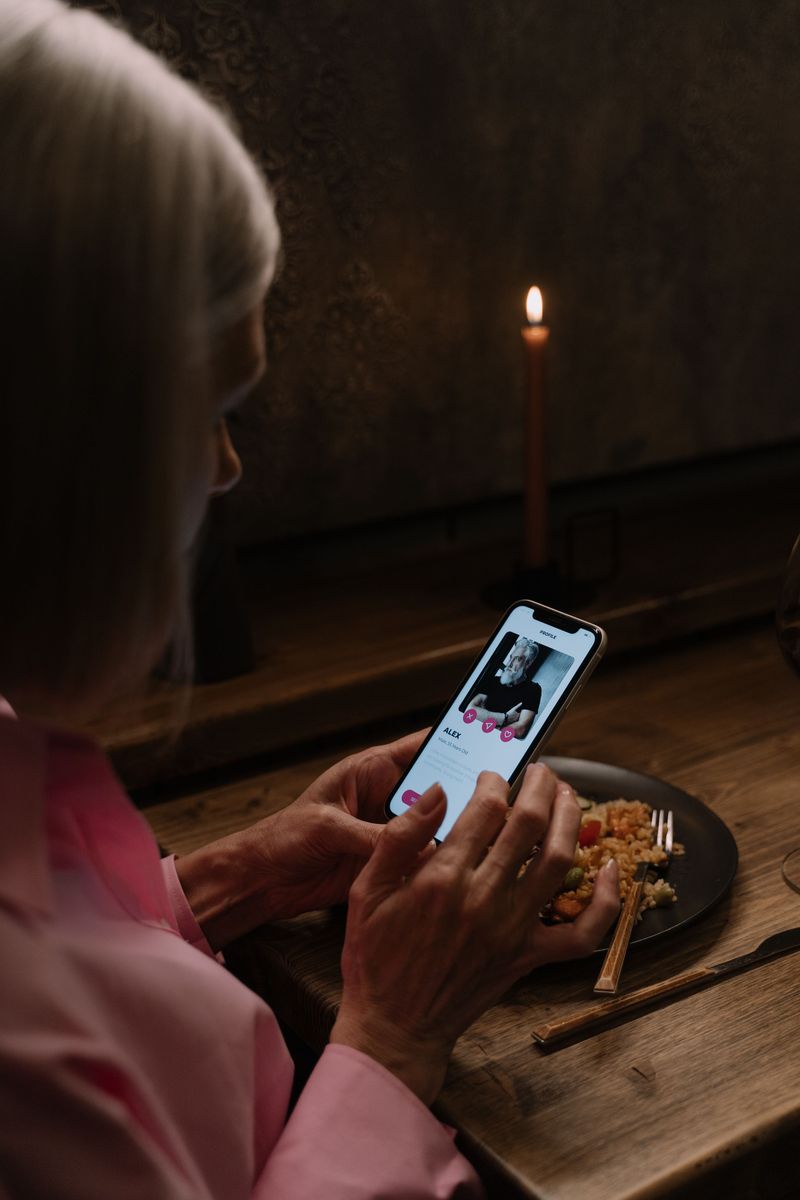
Some situations feel like beauty contests, whether it’s a party, a dating app, or even a job interview.
For someone who doesn’t feel they can win on looks alone, the natural response is to quietly opt out of those arenas altogether.
This habit can be protective, but it can also mean missing out.
Avoiding situations where you might be judged on appearance sometimes means avoiding situations entirely, which limits opportunities for connection, career growth, and new experiences.
Recognizing which situations are actually appearance-focused and which ones just feel that way is an important distinction.
Most people are far less focused on how you look than anxiety makes it seem.
That realization alone can be genuinely freeing.
15. Remembering appearance-related criticism for a long time

A throwaway comment made by a classmate in middle school.
A parent’s offhand remark about weight.
A comparison made by someone who probably forgot they said it within a week.
These words have a way of sticking around for years, sometimes decades.
Criticism about appearance during childhood and adolescence lands especially hard because those are the years when identity is still forming.
Young people are figuring out who they are, and harsh words about how they look can quietly become part of how they define themselves.
Recognizing where these beliefs came from doesn’t erase them instantly.
But it does make them easier to question.
Old criticism belongs to someone else’s voice, not your own truth.
16. Building an identity beyond appearance

Here’s something quietly remarkable: people who never relied on their looks for identity often build the most interesting, layered sense of self.
Their worth comes from what they’ve created, who they’ve loved, what they’ve learned, and how they’ve treated others.
This kind of identity is genuinely durable.
It doesn’t fade with age or fluctuate with a bad hair day.
It’s built from character, relationships, achievements, and values, things that only tend to deepen with time and experience.
Many people who once felt overlooked because of their appearance eventually realize they were building something far more lasting all along.
That shift in perspective is one of the most meaningful kinds of personal growth a person can experience.