 MomSkoop

Have you ever met someone who seems to fall head over heels almost instantly? While some people take months to develop feelings, others leap into love at lightning speed.
The way we experience romantic connection as adults is often shaped by our earliest relationships and home environment. Understanding these childhood patterns can help explain why some hearts open faster than others.
1. Inconsistent Emotional Care
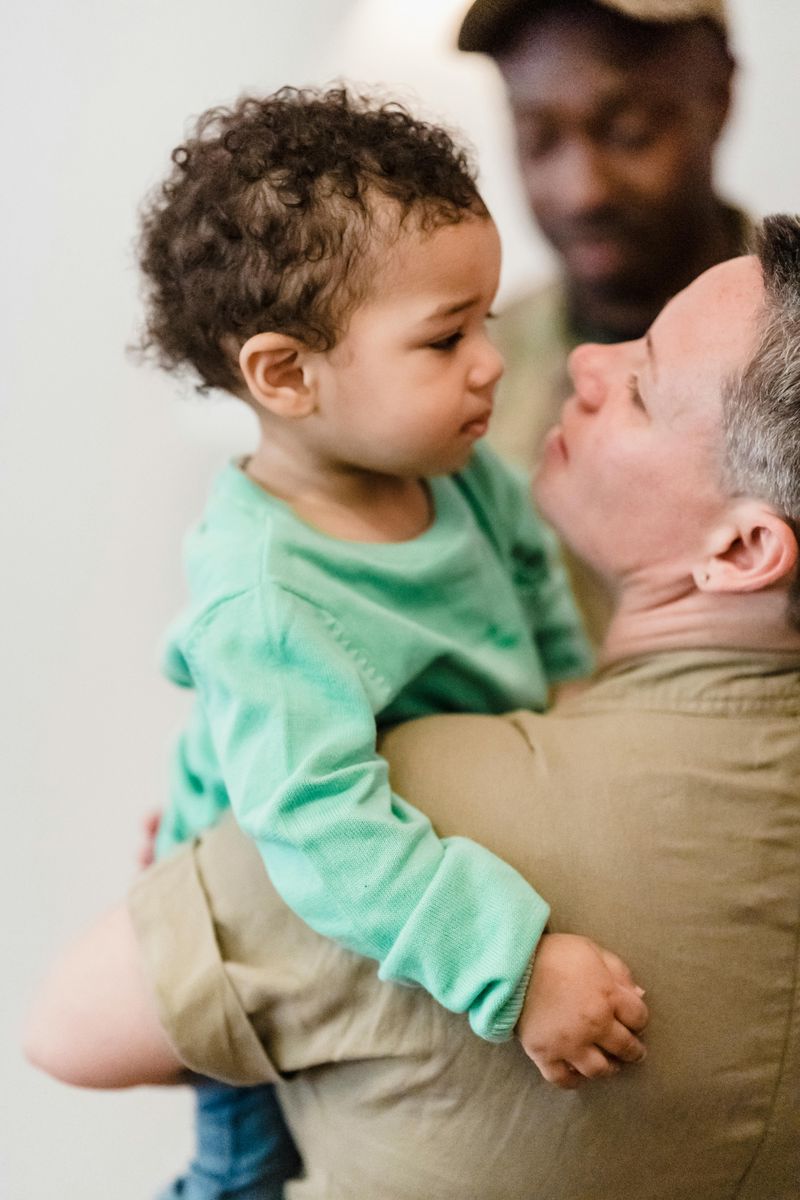
Growing up with caregivers who were warm one moment and distant the next creates a confusing emotional landscape.
A child learns that love is available but never guaranteed, which feels like walking on eggshells every single day.
This inconsistency teaches the brain to grab onto affection whenever it appears because it might vanish without warning.
When these children become adults, they often rush into romantic relationships with intense urgency.
The fear of losing connection before it solidifies drives them to attach quickly and deeply.
Unfortunately, this same pattern makes them anxious about relationship stability, constantly scanning for signs that love might disappear again just like it did in childhood.
2. Love Felt Conditional

Imagine only receiving hugs after bringing home perfect grades or being told you’re loved when you win the game.
Children who experience conditional affection learn a painful lesson: their worth depends on performance rather than simply existing.
They internalize the belief that love must be earned through constant achievement and good behavior.
As adults, this translates into chasing romantic love with desperate intensity to prove they deserve it.
They may move too fast because each relationship feels like a test they must pass.
The underlying fear whispers that if they slow down or show imperfection, their partner will withdraw affection just like their caregivers did years ago.
3. Early Emotional Responsibility

Some children become emotional caretakers before they even reach double digits.
They learn to read their parent’s moods, offer comfort during breakdowns, and manage feelings that should never be a child’s burden.
This premature emotional labor is called parentification, and it fundamentally alters how someone experiences intimacy.
These individuals often bond incredibly fast because they’re skilled at emotional attunement and making others feel understood.
However, this pattern comes with hidden costs.
Relationships may start intensely but eventually breed resentment when the familiar role of caretaker emerges again.
The cycle repeats unless they recognize they’re allowed to receive care instead of only providing it.
4. Lack of Secure Attachment

Attachment theory shows us that babies and toddlers need consistent, responsive caregiving to feel safe in the world.
When caregivers are emotionally distant, anxiously preoccupied, or simply unreliable, children develop insecure attachment patterns.
These early experiences become the blueprint for every relationship that follows.
Adults with anxious attachment often fall in love rapidly because connection temporarily soothes their deep-seated fear of abandonment.
Yet this same insecurity makes them doubt the relationship’s stability even while rushing into it.
They might cling tightly at first, then push away when vulnerability feels too overwhelming.
The pattern creates an exhausting push-pull dynamic that mirrors their earliest experiences with inconsistent care.
5. High Emotional Intensity in the Household

Homes filled with yelling, dramatic arguments, or emotional rollercoasters teach children that intensity equals love.
When every day brings heightened emotions—whether anger, passion, or theatrical reconciliations—calm stability starts feeling strange or even boring.
The nervous system becomes wired for constant stimulation and emotional peaks.
Later in life, these individuals often mistake intensity for genuine connection and rush toward relationships that feel electrifying.
A peaceful, steady partnership might not trigger the familiar adrenaline rush they associate with love.
They chase the high of dramatic beginnings because that’s what their childhood taught them relationships should feel like, even when it leads to unhealthy patterns.
6. Feeling Unseen or Unchosen

There’s a particular loneliness that comes from being physically present but emotionally invisible.
Children whose needs were consistently minimized, ignored, or overshadowed by siblings or parental stress carry a wound of feeling fundamentally unchosen.
They watch others receive attention while they fade into the background.
When someone finally sees them as adults, the experience feels intoxicating and almost magical.
Falling in love becomes about finally being picked, noticed, and prioritized after years of invisibility.
This desperate relief at being chosen can cause them to rush headlong into relationships before truly knowing if the connection is healthy or sustainable beyond that initial recognition.
7. Early Experiences of Loss or Abandonment

Divorce, death, unexpected moves, or repeated goodbyes mark some childhoods with a persistent theme of loss.
Each separation reinforces the terrifying belief that people you love will leave.
The child’s nervous system becomes hypervigilant, always bracing for the next abandonment.
As adults, this history drives them to attach quickly and intensely, hoping that speed and depth will somehow prevent inevitable loss.
They might rush commitment as a way to secure the relationship before it can disappear.
Paradoxically, their fear of abandonment often creates the very distance they dread.
Trust becomes nearly impossible even when their partner is consistently present because their childhood taught them that permanence is an illusion.
8. Poor Modeling of Healthy Long-Term Love

Children learn about relationships by watching the adults around them.
When caregivers’ relationships lacked stability, emotional repair, or genuine intimacy, children absorb these patterns as normal.
They might witness passionate beginnings followed by bitter endings but never see the middle part where healthy couples work through difficulties together.
These individuals often know exactly how to start relationships with excitement and intensity because that’s what they witnessed.
However, they struggle with the quieter, deeper work of sustaining love over time.
The initial rush feels familiar and safe, but navigating conflict, maintaining intimacy, and building trust feels foreign.
They keep recreating beginnings because nobody taught them how middles and forevers actually work.