 MomSkoop

Loneliness rarely announces itself with a sign on the front door. It tends to slip into small routines, like what we eat, when we sleep, and how long we scroll before bed. I find that part fascinating, because the habits often look ordinary from the outside.
A late snack or a canceled plan can mean nothing at all, or it can be a quiet signal worth noticing. None of this is a diagnosis, and spotting a few of these in yourself is completely normal. Still, recognizing the pattern might be the nudge that helps you reach out to someone today.
1. Putting Off Tasks Until Tomorrow

The laundry basket has been sitting by the door for four days, and it is starting to feel like a roommate.
Small chores can stretch into big mountains when nobody else is around to notice them.
Loneliness can make motivation feel thin.
When there is no one to share a finished task with, the reward of checking it off may feel smaller than it should.
Procrastination also offers a strange kind of comfort.
Avoiding a task means avoiding the stress tied to it, at least for an afternoon.
The trouble is that unfinished jobs tend to multiply.
A pile of bills or emails can add guilt on top of the isolation, which makes starting even harder.
One simple trick is called body doubling, where you work alongside someone else, even over a video call.
Some people find that having company, even silent company, makes boring chores easier to start.
You could also try pairing a task with a small social reward.
Finish the dishes, then text a friend a funny photo, and the chore suddenly comes with a little bonus.
Go easy on yourself here.
Delaying things is a human habit, not a character flaw, and one small step still counts as progress.
2. Eating for Comfort

Ice cream straight from the carton at 10 p.m. has a certain reputation, and it earned it honestly.
Food can feel like a reliable friend when the evening stretches out with no one to talk to.
Emotional eating means reaching for snacks to soothe feelings rather than hunger.
Sugary and salty treats are common picks because they bring quick pleasure on a rough day.
A treat now and then is perfectly fine.
The habit becomes worth a closer look when eating turns into the main way you handle sadness, stress, or a quiet house.
A helpful question before opening the pantry is simple: am I hungry, or am I lonely?
Even a short pause gives you room to choose.
If the answer is lonely, try a different kind of comfort first.
A phone call, a short walk, or a message to an old friend can sometimes fill the gap better than chips.
Cooking for someone else can also shift the mood.
Inviting a neighbor for soup turns food back into something shared instead of something hidden.
None of this calls for strict rules or guilt.
The goal is just noticing what you really need when the craving hits.
3. Binge-Watching Late Into the Night

The streaming service asks, Are you still watching? and somehow it feels a little personal.
Long TV marathons are a popular way to unwind, and for lonely people they can turn into the main event of the evening.
Familiar shows are especially appealing.
Rewatching a sitcom can feel like hanging out with a group of friends who always show up on time.
That comfort is real, and there is nothing wrong with enjoying it.
The concern comes when hours of screen time replace plans, sleep, or real conversations.
Escaping into a story can be a way to avoid sitting with uncomfortable feelings.
It works for a while, then the credits roll and the quiet comes back.
One easy fix is setting a stopping point before you press play, like two episodes and done.
Another is turning TV time into a social activity.
Watch parties make this surprisingly simple.
Several streaming platforms and browser tools let friends watch the same show together from different homes and chat as it plays.
You could also join an online fan community for your favorite series.
Talking about the plot twist with other fans beats yelling at the screen alone.
4. Scrolling Without Posting

Thumb muscles might be the strongest part of some people’s bodies by now.
Scrolling through feeds for an hour without liking, commenting, or posting is a common habit when someone feels cut off.
This kind of passive browsing can look harmless.
You are just watching videos or reading threads, after all, and nobody gets hurt.
The catch is that watching other people’s lives is not the same as being part of them.
Seeing friends at parties or on trips can leave you feeling more on the outside than before.
Platforms like Reddit and YouTube can also swallow whole evenings.
One video leads to another, and suddenly it is midnight and you have learned how to restore a rusty shovel.
Try switching from watching to joining.
Leave a kind comment, reply to a friend’s story, or send a post to someone with a quick note saying it reminded you of them.
Small interactions like these turn a one-way screen into a two-way connection.
You could also set a timer for your scrolling sessions, since most phones have built-in screen time tools.
Your feed can stay.
It just works better as a bridge than a hiding spot.
5. Staying Up Way Too Late

Night owls have a reputation for creativity, but the hours after midnight can also feel very quiet.
Some lonely people slowly drift toward later bedtimes and later wake-up times.
Late nights can feel peaceful at first.
The world is still, the messages stop, and there is no pressure to be anywhere.
Over time, though, that schedule can pull you out of sync with friends and family.
When they are awake and making plans, you might be asleep, and when you are awake, they are gone.
The late hours can also make worries feel louder.
Thoughts that seem small at noon can grow surprisingly large at 2 a.m.
If your schedule has slid, try moving it back gradually.
Shifting bedtime by fifteen minutes every few nights is gentler than a sudden jump.
Morning light can help reset your rhythm, so a short walk after waking is a useful habit.
It also gives you a chance to see neighbors or say hi to the barista.
Of course, some people simply work nights or prefer later hours.
The point is not to force a perfect schedule, just to keep enough overlap with the people you care about.
6. Restless, Patchy Sleep

Few things are as frustrating as watching the clock flip from 3:12 to 3:13.
Loneliness is linked with trouble falling asleep, waking during the night, and getting up too early.
Even after a full night in bed, the rest can feel shallow.
You wake up tired, as if your brain stayed on guard duty the whole time.
Poor sleep then makes the next day harder.
Being tired can make socializing feel like too much work, which can feed the isolation all over again.
A calm bedtime routine is a good place to start.
Dim the lights, put the phone across the room, and choose something quiet like reading or stretching.
Keeping the bedroom cool and dark can help too.
A regular wake-up time, even on weekends, gives your body clock something steady to follow.
If worries keep you up, try writing them on paper before bed.
Getting them out of your head can make them feel less urgent.
Ongoing sleep problems are worth mentioning to a doctor.
Lasting insomnia can have many causes, and a health professional can help sort out what is going on.
7. Staying Busy to Stay Distracted

A color-coded calendar looks impressive until you notice there are no people in it.
Some lonely folks pack their days with solo tasks so there is no empty time left to feel anything.
Work late, reorganize the garage, start a new online course, repeat.
From the outside, it looks like great productivity.
Busyness can work like a noise machine for the mind.
As long as you keep moving, the quiet feelings stay in the background.
The problem shows up when the tasks run out.
A free Sunday afternoon can suddenly feel heavy, because the distraction is gone and the loneliness is still there.
Try adding one social item to your weekly list.
It could be a walk with a coworker, a library book club, or a pickup game at the local park.
You can also turn solo projects into shared ones.
Painting a room goes faster with a friend, and gardening is more fun with a neighbor trading tips over the fence.
Being productive is a great quality.
It just feels better when someone else gets to see the finished shelves and say they look nice.
8. Shopping for Company

The delivery driver might know your name better than your neighbors do.
Online shopping can become a small source of excitement when the days feel empty.
A new package brings a little thrill.
There is the anticipation, the tracking updates, and the moment of opening the box.
For some lonely people, belongings start to feel like comfort or even company.
Letting go of items can feel surprisingly hard, as if you are losing something more than just stuff.
Shopping itself is not a problem.
It becomes worth noticing when purchases are driven by a mood rather than a need, or when the bills begin to stress you out.
A simple waiting rule can help.
Leave items in your cart for 48 hours, and see if you still want them once the feeling passes.
You can also swap the thrill of shopping for shared activities.
Thrift store trips with a friend, swap meets, or craft fairs give you the fun of browsing plus real conversation.
Unsubscribing from sale emails is another easy step.
Fewer flash deals in your inbox means fewer late-night clicks you might regret in the morning.
9. Rehearsing Conversations That Never Happen

In your head, the phone call went perfectly, with clever jokes and zero awkward pauses.
In real life, the call never got made.
Mentally rehearsing conversations is a common private habit.
You imagine reaching out to an old friend, picture their reply, and plan exactly what to say.
Practice can be helpful, especially for nervous talkers.
The trouble starts when the rehearsal becomes a replacement for the real thing.
Fear of rejection often keeps the conversation stuck in your imagination.
What if they do not answer, or what if it feels weird after so long?
Here is a gentle push: most people are pleased to hear from someone who thought of them.
A short message like Hey, I saw this and thought of you is often enough to break the ice.
Try lowering the stakes.
Instead of planning a deep heart-to-heart, send a meme, a quick question, or a memory you share.
You can also set a tiny goal, like reaching out to one person this week.
The real conversation might be messier than the one in your head, but it will also be a lot more rewarding.
10. Planning Trips Without Booking Them

Somewhere on your laptop, there might be twelve open tabs about cabins in Vermont.
Looking up trips, concerts, and classes without ever booking them is a quietly common habit.
Research feels like progress.
You compare prices, read reviews, and picture yourself there, which is enjoyable in its own way.
But going alone can feel intimidating, and asking someone to come along can feel even scarier.
So the plans stay in browser tabs instead of the calendar.
Dreaming about the future is not a bad thing.
It just helps to turn some of those dreams into dates.
Start small with something low-cost and close to home.
A local museum night, a farmers market, or a community class has less pressure than a big vacation.
Group activities can make solo plans easier.
Walking tours, cooking classes, and volunteer events are designed for people who arrive on their own, so you will not be the only new face.
If you want company, invite one person and be specific.
Want to check out the art fair Saturday at noon? is easier to say yes to than We should hang out sometime.
11. Saying No to Invitations
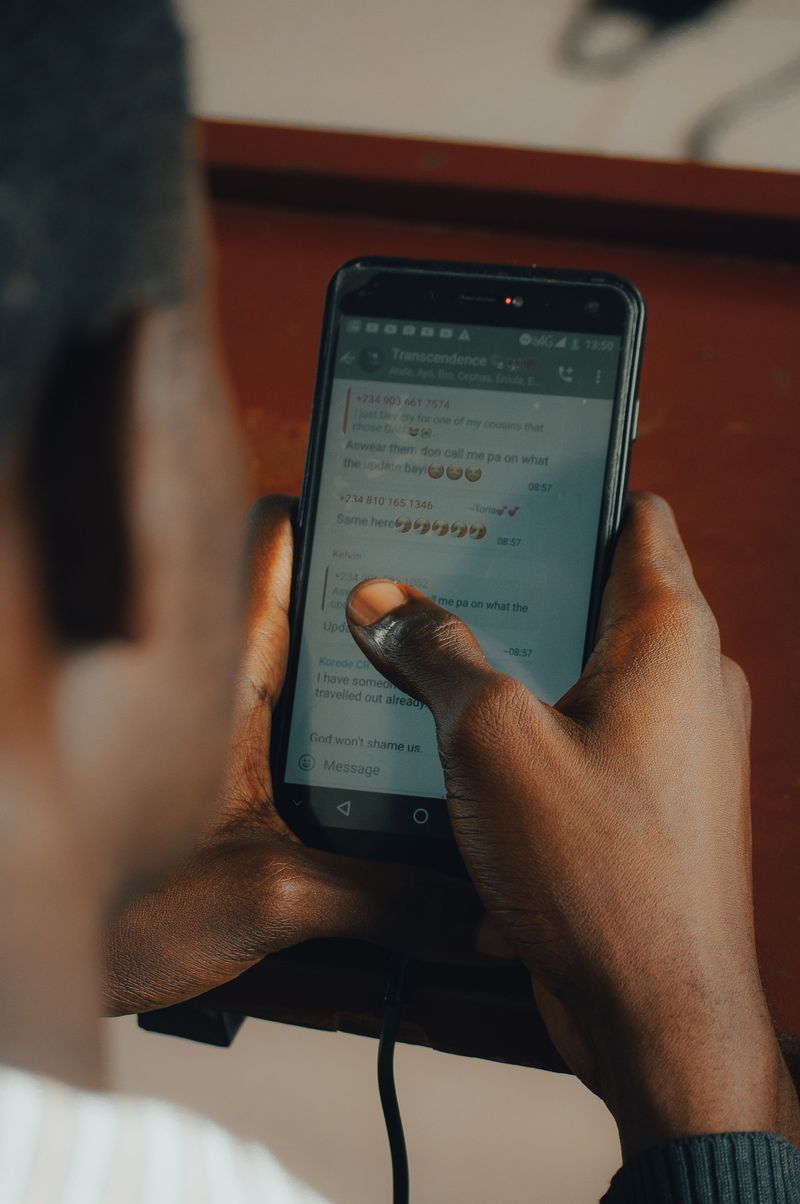
Sometimes a birthday invite lands, and the first instinct is to start drafting an excuse.
Turning down plans while also feeling lonely sounds like a contradiction, but it happens a lot.
Social events can feel like a lot of effort.
Getting dressed, making small talk, and figuring out who to stand next to can seem exhausting before you even leave home.
Anxiety plays a role too.
After a stretch of isolation, being around people can feel rusty, like a skill you have not practiced in a while.
Each no can make the next yes a little harder.
Over time, friends may stop asking, not because they do not care, but because they assume you are busy.
Try saying yes with an exit plan.
Tell yourself you will stay for one hour, and if you want to leave after that, you can.
Bringing something to do also helps, like offering to help with the snacks or setting up games.
Having a small job gives your hands and mind something to focus on.
If you truly cannot go, suggest another plan instead.
A quick No, but how about coffee next week? keeps the door open.
12. Talking to Objects

Naming your car or wishing your houseplant good morning is more common than you might guess.
People give human qualities to objects all the time, and lonely people may lean into it a bit more.
This habit is called anthropomorphism.
It is the same instinct that makes us see faces in clouds or feel bad for a lone teddy bear in a store.
For someone who feels isolated, chatting with a plant or apologizing to a dropped mug can be a small way to feel less alone.
It is usually harmless and often pretty sweet.
Movies get this too.
In Cast Away, Tom Hanks plays a stranded man who befriends a volleyball he names Wilson.
There is no need to stop talking to your fern.
Plants do not judge, and they make patient listeners.
Still, it is worth noticing if objects are becoming your main source of conversation.
That might be a sign you are craving more human contact than you are getting.
Pets, plant clubs, and community gardens can be a nice next step.
They keep the caretaking joy while adding people who love the same things you do.
13. Pulling Away From People

Loneliness can play a sneaky trick by making you want less of the very thing you are missing.
Some people start keeping to themselves, even though part of them wishes for more connection.
Withdrawing often happens slowly.
Replies get shorter, phone calls get skipped, and weekends go by without seeing anyone.
Staying away can feel safer than risking an awkward moment.
It can also feel easier when you are tired, stressed, or unsure where you fit.
The trouble is that isolation tends to feed itself.
The longer you stay apart, the bigger the gap can seem.
Start with low-pressure contact.
Saying hello to a neighbor, chatting with a cashier, or waving to a coworker are tiny moments that still count.
Shared activities can also help because they give conversation a built-in topic.
A walking group, a choir, or a volunteer shift lets connection grow without forced small talk.
If pulling away comes with lasting sadness, hopelessness, or loss of interest in things you used to enjoy, consider talking to a doctor or counselor.
In the U.S., you can also call or text 988 to reach the Suicide and Crisis Lifeline any time.
14. Replaying Old Moments

That awkward comment from a 2015 office party might still pop up uninvited at bedtime.
Replaying past moments and dwelling on what went wrong is a habit many lonely people know well.
Overthinking can feel like problem-solving.
You go over the scene again and again, hoping to understand it better.
Usually, though, it just loops.
The same memory replays with the same ending, and you feel a little worse each time.
Without others around to offer a reality check, these thoughts can grow louder.
A friend might laugh and say nobody even remembers that, but alone, the moment can feel huge.
One way to interrupt the loop is to get physical.
A short walk, a few stretches, or washing some dishes can shift your attention.
Writing can help too.
Putting a worry on paper and then listing one small thing you can do about it turns a spiral into a plan.
Talking it through with someone you trust is often the most helpful step.
Saying a thought out loud can shrink it back to its real size, and if rumination feels constant, a counselor can offer useful tools.
15. Chasing Quick Online Connections

A hundred likes can feel great for about ten minutes.
Lonely people sometimes chase lots of quick online interactions, hoping one of them will hit the spot.
Swiping on dating apps, jumping between group chats, and trading short replies with strangers can fill time.
It can also leave you feeling a little empty when the screen goes dark.
The issue is depth, not the internet itself.
Plenty of real friendships start online, and some last for years.
What tends to help is moving from quantity to quality.
One meaningful conversation can mean more than fifty quick reactions.
Try picking a few online spaces built around shared interests.
A gaming group, a hobby forum, or a fan Discord server gives you repeated contact with the same people, which helps friendships grow.
Ask follow-up questions and remember small details people share.
Asking how the job interview went shows you care, and that is how online buddies become real friends.
When it feels right and safe, consider a voice or video call.
Hearing someone laugh adds a layer that text simply cannot match, and meeting in a public place is a smart choice if you decide to meet in person.
16. Going Online to Escape
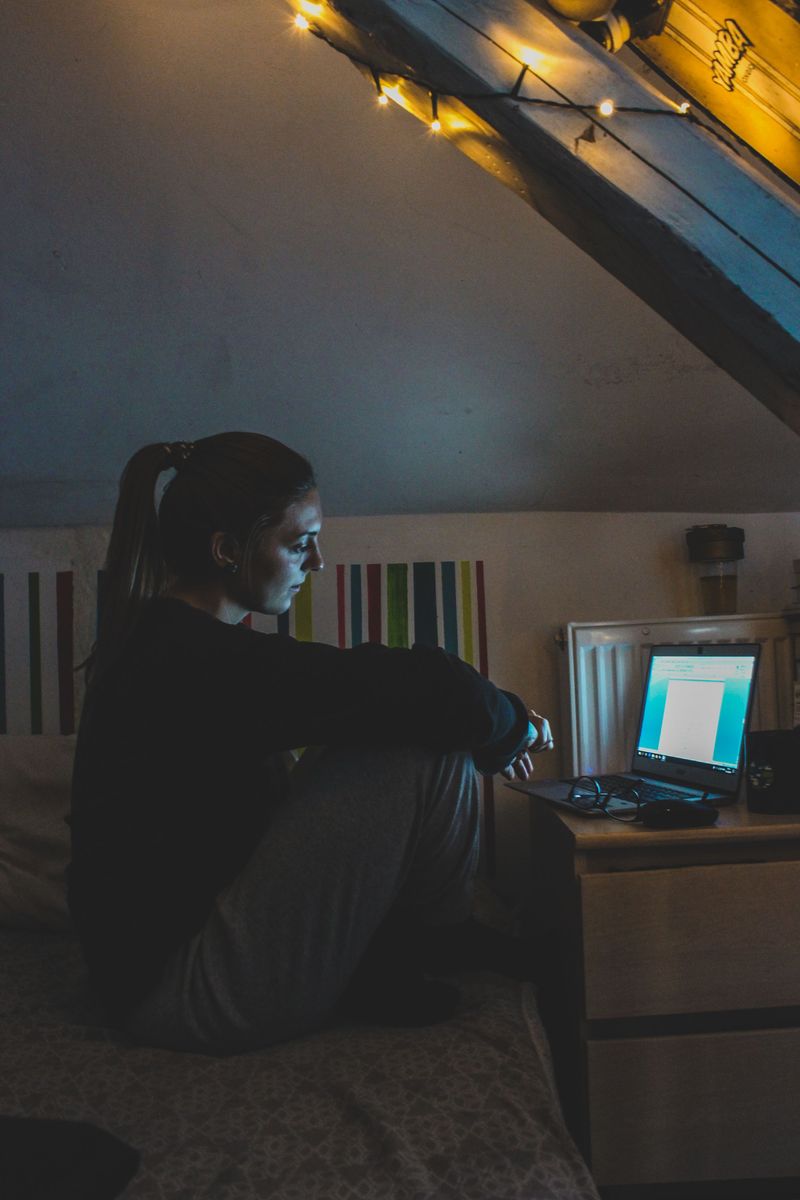
Logging on can feel like stepping through a side door away from the day’s problems.
Using the internet specifically to avoid hard feelings or real-life tasks is a pattern many people slip into.
Games, videos, forums, and shopping sites are always open.
They offer instant distraction with no waiting and no awkward silences.
A little escape is healthy, and everyone needs a break sometimes.
It becomes a problem when the internet is the only place you go to cope.
Avoidance tends to stack up.
The unanswered email, the overdue appointment, and the uncomfortable feelings are still waiting after you log off.
A quick check-in can help before you open an app.
Ask yourself what you are hoping to get from it, like fun, rest, or a way out.
If the answer is a way out, try facing one small thing first.
Answer the email, then enjoy your game guilt-free.
Offline breaks can also reset your habits.
Leaving your phone in another room during meals or keeping one evening a week screen-free might feel strange at first, but it can create space for other activities and people.
17. Eating Meals in Front of a Screen

Dinner for one often comes with a side of whatever is streaming.
Eating alone is normal for many people, but some feel uneasy or even embarrassed about it.
To fill the silence, the phone or TV becomes the dinner guest.
Meals get rushed, or they turn into background noise for a show.
Some people also avoid eating in public by themselves.
A restaurant table for one can feel like a spotlight, even though most diners are too busy with their own food to notice.
There are friendly ways to make solo meals feel better.
Set the table, use a real plate, and treat the meal as a small event worth enjoying.
Shared meals can be built into your week too.
Potlucks, community dinners, and family meals over video chat are all ways to bring company back to the table.
Many senior centers, places of worship, and community groups host regular shared meals.
These are great options if you want a low-key place to eat with others.
If eating out alone sounds intimidating, start with a counter seat at a diner.
Chatting with the staff is an easy, friendly way to ease in.
18. Letting Clutter Pile Up

A chair that used to be for sitting is now officially a clothes rack.
When few people visit, clutter can creep in quietly and settle down for a long stay.
Without guests, there is less reason to tidy up.
The mail stack grows, the dishes linger, and the spare room becomes storage.
Lonely people may also find it harder to throw things away.
Items can carry memories or a sense of comfort that makes parting with them painful.
A messy space can then make inviting someone over feel embarrassing.
That keeps visitors away, which keeps the clutter growing, and the cycle continues.
Start tiny so the job does not feel huge.
Clear one drawer, one shelf, or one corner of the counter, then stop and enjoy the win.
Inviting help can make it social.
A friend can keep you company, offer a fresh opinion, and make the job feel less like a chore.
Donating useful items gives them a second life with someone else.
If clutter starts to affect your safety or daily routine, a doctor or therapist can help, because hoarding is a recognized condition with real support available.