 MomSkoop

Growing up without much money leaves a mark that stays with you long after childhood ends. The lessons learned from tight budgets, shared meals, and making do with what you have shape the way you see the world.
For many people, these experiences build a kind of wisdom that money simply cannot buy. If you grew up with less, you might recognize yourself in every one of these life lessons.
1. You Learn to Appreciate What You Have

There is something quietly powerful about knowing how to find joy in small things.
When you grow up without much, even a warm meal, a new pair of shoes, or a working heater can feel like a gift.
You don’t take these things for granted because you remember what it felt like without them.
That awareness sticks with you.
As an adult, you might pause before complaining about minor inconveniences, knowing others face much harder days.
Gratitude becomes less of a habit and more of a reflex.
People who grew up with less often find satisfaction in simple pleasures that others overlook completely.
2. Money Represents Security, Not Just Spending Power

For many people who grew up struggling financially, money has never really been about buying fun things.
It has always meant something far more serious: safety.
Knowing rent is covered, groceries are stocked, and an emergency won’t spiral into a crisis – that is what financial comfort truly means to someone shaped by scarcity.
Saving money becomes almost instinctive.
Even when income improves, the urge to build a cushion stays strong because you remember the anxiety of uncertainty.
A full bank account isn’t about showing off.
It’s about sleeping soundly at night without worrying what happens if something goes wrong tomorrow.
3. The Difference Between Wants and Needs Becomes Clear Early

Most kids want everything they see.
But children who grow up in households with tight budgets learn quickly that wanting something and needing something are two very different things.
Groceries come before video games.
Winter coats come before new sneakers.
That lesson gets absorbed early and deeply.
By the time you reach adulthood, budget decisions feel almost automatic.
You naturally weigh whether a purchase is practical before you consider whether it’s enjoyable.
This kind of thinking can sometimes feel restrictive, but it also builds real financial discipline.
Knowing your priorities keeps spending grounded and helps avoid the kind of impulse decisions that derail budgets for people who never learned this distinction.
4. Resourcefulness Becomes Second Nature

When you can’t buy a solution, you find one.
Growing up with limited resources turns ordinary people into creative problem-solvers.
A broken zipper gets stitched.
Leftovers become tomorrow’s lunch.
Old clothes get repurposed.
Nothing goes to waste when resources are tight, and that mindset quietly builds a remarkable skill set.
Resourcefulness learned in childhood doesn’t disappear when circumstances improve.
Adults who grew up stretching every dollar often find clever workarounds that others wouldn’t even consider.
They fix things before replacing them, research before spending, and improvise when the budget won’t cooperate.
That scrappy creativity is genuinely valuable – both in everyday life and in professional settings where adaptability matters more than having all the right tools.
5. Hard Work Feels Necessary, Not Optional

Some kids grow up believing that effort and reward go hand in hand.
For children raised in financially stretched households, hard work isn’t a motivational concept – it’s survival strategy.
You watch parents work multiple jobs, stay late, take extra shifts, and push through exhaustion.
That image becomes your model for how life operates.
Persistence starts to feel like the only reliable tool you have.
Luck feels distant and uncertain, but showing up and working hard feels controllable.
Many adults who grew up this way carry an unusually strong work ethic into their careers.
They don’t wait for opportunities to fall into their laps.
They build them, often starting from very little and refusing to stop until the job is done.
6. Wasting Anything Feels Wrong

Leaving food on your plate, tossing out half-used items, or forgetting about groceries until they spoil – these habits feel almost physically uncomfortable to someone raised with very little.
Waste becomes something you notice, something that bothers you on a gut level, long before any environmental reason enters the picture.
Turning off lights when leaving a room, finishing every bite, and reusing bags and containers aren’t eco-conscious choices for many people who grew up poor.
They are deeply ingrained reflexes shaped by years of watching every resource carefully.
Even after financial situations improve, these habits tend to linger.
Some people feel mild guilt throwing away anything still usable.
That sensitivity to waste, though sometimes called frugal, is really just respect for what things cost.
7. Experiences Can Matter More Than Possessions
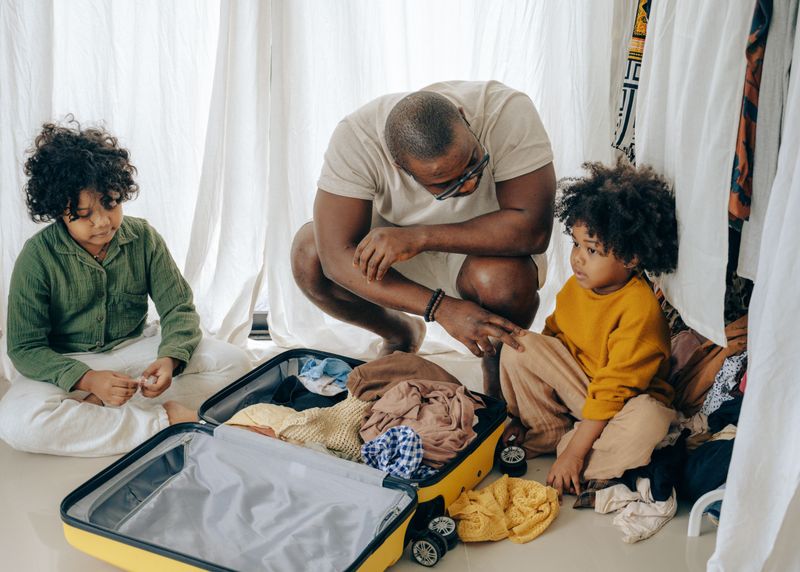
Ask someone who grew up with little what their happiest childhood memory is, and they rarely mention a toy or a gadget.
More often, they describe a family meal with everyone laughing, an afternoon playing outside with neighborhood kids, or a long car ride full of bad singing and inside jokes.
These moments didn’t cost much, but they stayed.
That perspective can feel like a gift in adulthood.
When the pressure to buy things, upgrade lifestyles, and accumulate possessions surrounds you, having a built-in reminder that experiences carry more weight than stuff is genuinely freeing.
Relationships, shared time, and meaningful conversations tend to hold more value for people whose childhoods taught them that joy doesn’t come with a price tag.
8. You Don’t Judge People by What They Own

Expensive clothes, a new car, or a big house can impress people who have always measured worth by wealth.
But someone who grew up with less tends to look past the surface pretty quickly.
They know that possessions don’t reveal character, kindness, or reliability.
Those things show up in how people treat others, not in what they drive.
This perspective creates a kind of social openness that is genuinely valuable.
People who grew up modestly often connect easily across economic lines because they don’t filter relationships through financial status.
They are more likely to judge someone by their actions and words.
That habit of looking deeper makes for richer, more honest relationships built on something far more durable than shared income levels.
9. Asking for Help Can Be Surprisingly Hard

Pride and self-reliance can be two sides of the same coin.
Growing up in a household where making do was the default setting means you get very good at handling problems on your own.
But it can also mean that asking for help feels uncomfortable, even embarrassing, long into adulthood.
There’s a quiet stubbornness that forms when you grow up hearing that you figure things out yourself.
Reaching out to others can feel like admitting failure, even when it’s simply the smart choice.
Recognizing this pattern is the first step to working through it.
Accepting help isn’t weakness – it’s wisdom.
Many people who grew up with less eventually learn that collaboration and community are strengths, not signs of falling short.
10. Circumstances Can Change Faster Than You Expect
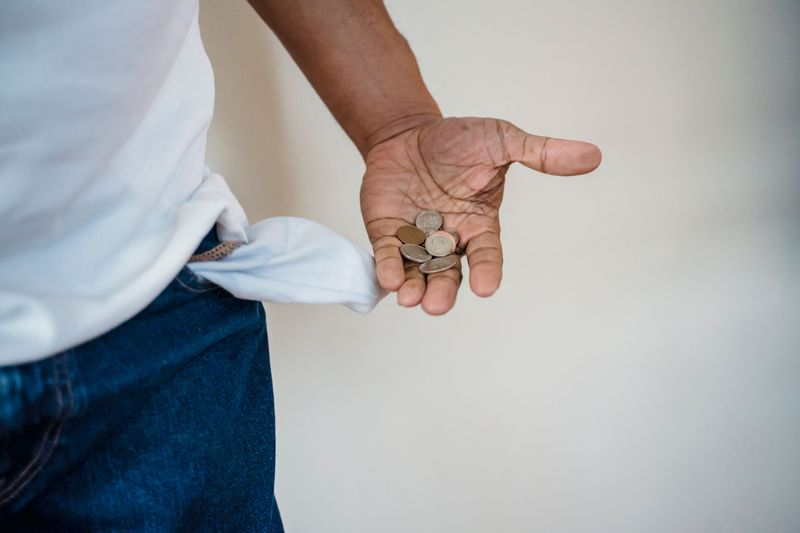
Financial stability can disappear faster than anyone plans for.
One lost job, one unexpected medical bill, or one family emergency can completely change the picture.
Children who grow up watching that kind of volatility learn early that security is never fully guaranteed, no matter how carefully you plan.
That awareness can produce anxiety, but it also creates a realistic outlook that serves people well.
Adults shaped by financial instability tend to keep emergency funds, avoid overextending credit, and stay alert to economic shifts that others might ignore.
They don’t assume tomorrow looks like today.
That caution might seem pessimistic from the outside, but it is actually a form of preparation built from real experience with how unpredictable life can genuinely be.
11. Generosity Isn’t Measured by the Amount Given

There’s a particular kind of generosity that only someone who has very little can truly offer.
Sharing the last of something, giving time when money isn’t available, or showing up for someone when your own situation is fragile – these acts carry a weight that expensive gifts simply can’t match.
Growing up around this kind of giving teaches you that generosity is about intention, not price.
A neighbor who brings soup when someone is sick, a relative who watches the kids for free, a friend who shares their last meal – these moments leave lasting impressions.
As an adult, you tend to value effort and thoughtfulness over cost.
And you carry forward the understanding that giving from scarcity is one of the most powerful forms of kindness there is.
12. Financial Habits from Childhood Follow You Into Adulthood

Old habits are stubborn, especially the ones formed during childhood.
Even after income grows and financial pressure eases, many people who grew up with less continue comparing prices, saving leftovers, clipping coupons, or feeling anxious about spending on anything non-essential.
These behaviors don’t simply switch off when the bank balance improves.
Sometimes these habits are genuinely helpful, keeping spending disciplined and savings consistent.
Other times they can cause unnecessary stress, making it hard to enjoy money even when it’s available.
Recognizing which habits serve you and which ones hold you back is an important part of adult financial health.
The patterns learned in a tight household deserve examination – some are worth keeping, and some are worth gently letting go of.
13. Education and Opportunity Feel Especially Valuable

When something isn’t guaranteed, it becomes precious.
For kids who grow up in households where higher education feels financially out of reach, the chance to learn, advance, or access new opportunities carries real emotional weight.
You don’t take a scholarship, a job opening, or a mentorship lightly when you know how rare and fragile those doors can be.
This attitude often translates into extraordinary dedication.
First-generation college students, for example, frequently outwork peers who had easier paths, simply because they understand what it took to get there.
The awareness that opportunity is not evenly distributed creates a kind of hunger that is hard to manufacture.
People who grew up with less often bring that hunger into everything they pursue, making the most of every chance they earn.
14. Success Means Stability, Not Luxury

Ask someone who grew up wealthy what success looks like and you might hear about corner offices, exotic vacations, or luxury cars.
Ask someone who grew up with very little and the answer is often much quieter: bills paid on time, a reliable car, food in the refrigerator, and enough saved to handle a surprise expense without panic.
That definition of success isn’t small – it’s honest.
Stability is genuinely hard to achieve and deeply meaningful when you have lived without it.
People shaped by financial scarcity tend to find real satisfaction in the basics that others overlook.
They celebrate a steady paycheck, a comfortable home, and a life free from constant financial stress.
That satisfaction, rooted in lived experience, is completely valid and worth honoring.
15. Having Less Doesn’t Mean Having a Lesser Life

Childhood wealth isn’t only measured in dollars.
Love, resilience, creativity, humor, and strong family bonds can fill a home far more completely than money ever could.
Many people who grew up with very little look back on childhoods rich with laughter, connection, and lessons that shaped them into capable, grounded, empathetic adults.
The struggles were real, and it would be dishonest to romanticize financial hardship.
But growing up with less does not automatically mean growing up deprived of what matters most.
Character forged under pressure tends to be durable.
The ability to adapt, to find joy, to connect deeply with others – these are not small things.
They are the foundation of a full and meaningful life, built on far more than a bank balance.