 MomSkoop

Birth order shapes personality in ways we often don’t realize.
The youngest child in a family grows up in a unique environment, learning to navigate life with older siblings paving the way.
Over time, certain traits emerge that make them stand out in a crowd, whether they’re charming their way out of trouble or bringing people together with ease.
1. The Peacekeeper

Growing up watching older siblings argue taught youngest children a valuable skill: how to calm things down before they explode.
They became experts at reading the room and knowing exactly when to step in with a joke or a kind word.
Conflict makes them uncomfortable, so they’ve mastered the art of diplomacy.
They can sense tension before it escalates and often play mediator without being asked.
This natural ability to smooth over disagreements makes them wonderful friends and coworkers.
People gravitate toward them during stressful times because they know how to bring peace without taking sides.
2. The Social Butterfly

Walk into any party and you’ll likely spot the youngest child right away—they’re the one laughing loudly, bouncing between friend groups, and making everyone feel included.
Social settings energize them like nothing else.
Their wide circle of friends isn’t accidental.
From a young age, they learned to connect with people of all ages, thanks to their older siblings’ friends hanging around.
That early exposure made them comfortable in diverse social situations.
Whether it’s organizing group outings or just being the glue that holds friendships together, they thrive on human connection and rarely enjoy being alone for long.
3. Charming Without Trying

There’s something magnetic about the way youngest children interact with others.
Maybe it’s the twinkle in their eye or the quick wit that catches you off guard, but they have a knack for winning people over effortlessly.
Humor became their survival tool early on.
When you’re the smallest in the family, making everyone laugh is sometimes the best way to get noticed and avoid being left out.
This charm isn’t manipulative—it’s genuine warmth mixed with playfulness.
They know how to lighten the mood and make others feel special, which is why people naturally want to be around them and help them out.
4. Risk-Taker at Heart

While their older siblings were busy following the rules and meeting expectations, youngest children often felt freer to experiment and push boundaries.
They watched their siblings take the safe path and decided to try something different.
This adventurous spirit shows up in big and small ways.
They’re more likely to backpack through unfamiliar countries, switch careers mid-life, or try extreme sports that make their parents nervous.
Sometimes this trait gets them into trouble, but it also leads to incredible experiences and stories.
Their willingness to take chances often pays off in unexpected and exciting ways that more cautious people miss.
5. People-Pleasing Instinct

Youngest children developed emotional intelligence early by necessity.
When you’re trying to keep up with older, bigger siblings, you learn to read faces, sense moods, and adjust your behavior accordingly.
This sensitivity makes them incredibly thoughtful friends and partners.
They notice when someone’s feeling down and know just what to say or do to help.
Making others happy genuinely brings them joy.
The downside?
Sometimes they struggle to set boundaries or say no because they’re so focused on keeping everyone comfortable.
Learning to prioritize their own needs without feeling guilty is often a lifelong challenge for them.
6. Negotiator Extraordinaire

When you’re the youngest, you don’t always get what you want just by asking nicely.
Youngest children became master negotiators out of pure survival, learning to bargain, trade, and persuade their way to fairness.
They know how to present their case in a way that makes others want to say yes.
Whether it’s convincing friends where to eat dinner or negotiating a raise at work, they approach it strategically and calmly.
This skill serves them well throughout life.
They rarely throw tantrums when things don’t go their way—instead, they regroup, adjust their approach, and find another angle that works for everyone involved.
7. Creative Problem-Solver
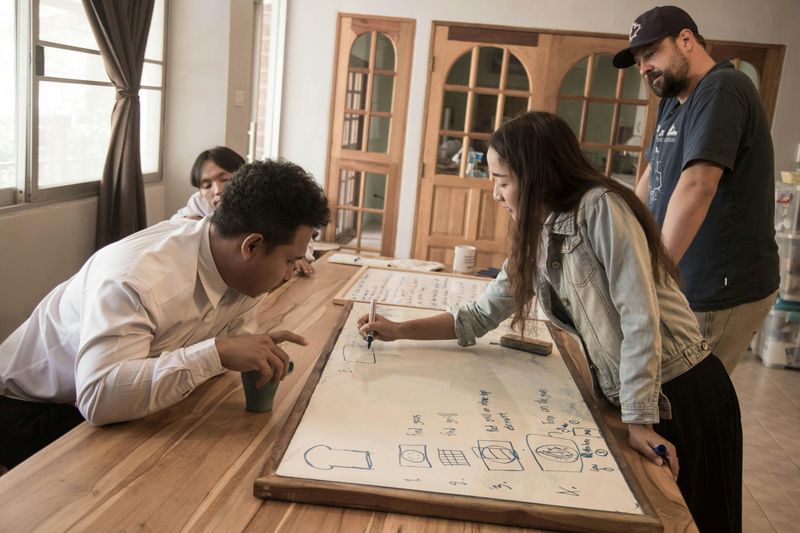
Hand-me-downs, shared bedrooms, and being told to figure things out on their own taught youngest children to think creatively.
When conventional solutions weren’t available, they invented new ones.
This outside-the-box thinking becomes their superpower as adults.
They approach challenges from unexpected angles and come up with solutions others might overlook.
Rules feel more like suggestions to them.
In professional settings, they’re the ones proposing innovative ideas during brainstorming sessions.
Their childhood experience of having to carve out their own space and identity made them naturally inventive and resourceful in ways that constantly surprise people around them.
8. Adaptive and Flexible

Plans change at the last minute?
No problem.
Youngest children learned early that life doesn’t always go according to plan, especially when older siblings’ schedules took priority.
This adaptability makes them excellent travel companions and reliable team members.
They don’t get flustered when circumstances shift unexpectedly because they’re used to rolling with the punches and adjusting on the fly.
Their flexible nature also helps in relationships.
They’re generally easygoing about decisions and don’t need everything to be perfect or planned out.
This go-with-the-flow attitude reduces stress for themselves and everyone around them, making life feel lighter and more spontaneous.
9. Attention Magnet

Being the baby of the family meant competing for attention, and youngest children got really good at it.
They learned early how to command a room, tell a captivating story, or do something that made everyone turn and look.
As adults, they’re often comfortable in the spotlight in ways their older siblings aren’t.
Public speaking, performing, or leading meetings doesn’t intimidate them—it energizes them instead.
This comfort with attention isn’t about ego; it’s about feeling alive when all eyes are on them.
They know how to work a crowd and keep people engaged, which makes them natural entertainers and effective communicators in any setting.
10. Non-Conformist Streak

By the time the youngest child came along, parents were often more relaxed about rules.
This gave them permission to question authority and challenge the status quo in ways their siblings never could.
They’re the ones asking “why?” when everyone else just accepts things as they are.
Traditional paths don’t appeal to them automatically—they need to understand the reasoning behind expectations before committing.
This rebellious streak can be refreshing and frustrating in equal measure.
They’re not difficult for the sake of it; they genuinely see the world differently and believe there’s usually more than one right way to do things.
11. Optimist by Default

Did you know that youngest children tend to bounce back from disappointment faster than their siblings?
Growing up, they experienced plenty of letdowns—being too young for certain activities or always coming in last—but they learned not to dwell on it.
This natural optimism shapes how they approach life’s challenges.
When something goes wrong, they genuinely believe things will work out eventually.
Their glass-half-full perspective isn’t naive; it’s a coping mechanism that’s served them well.
Friends often turn to them when feeling discouraged because their positive energy is contagious.
They have a gift for finding silver linings and helping others see possibilities instead of obstacles.
12. Supportive Connector

Youngest children have a special talent for bringing people together and making everyone feel valued.
Perhaps it comes from years of trying to unite their family or keep up with older siblings’ social circles.
They’re the friends who introduce people who should know each other and remember to check in when someone’s going through a tough time.
Supporting others feels as natural to them as breathing.
This connector role extends beyond friendships into their professional lives too.
They excel at building networks, fostering collaboration, and creating communities where people feel they belong.
Their genuine interest in others’ success makes them beloved by nearly everyone they meet.