 MomSkoop

Have you ever noticed someone who just lights up when they pass by, flashing a warm smile to people they’ve never met?
There’s something magnetic about these individuals, and it turns out their friendly greetings reveal much more than simple politeness.
People who naturally smile at strangers share a fascinating collection of personality traits that set them apart and make the world feel a little friendlier for everyone around them.
1. High Social Warmth

Walking into a room with someone who radiates social warmth feels like stepping into sunshine.
These folks have mastered the art of making others feel instantly comfortable without saying a word.
Their smile isn’t forced or fake—it flows naturally from a genuine interest in the people around them.
What makes this trait special is how effortlessly it happens.
They don’t have to think about being friendly; it’s just who they are at their core.
Even in quick moments like passing someone in a hallway or waiting in line at the grocery store, their warmth shines through.
This quality creates ripple effects everywhere they go, turning ordinary encounters into pleasant memories for strangers who might be having tough days.
2. Emotional Generosity
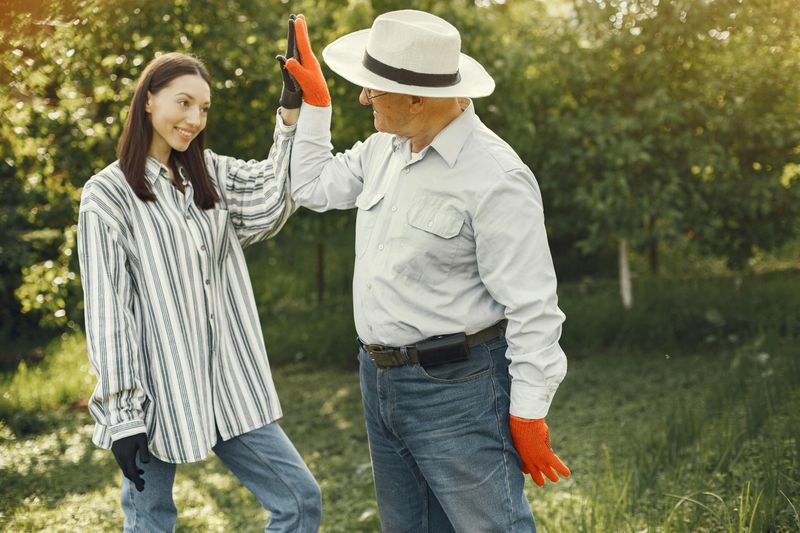
Some people hoard their good vibes like precious treasure, but not these generous souls.
They scatter kindness like confetti, offering smiles and positive energy to anyone who crosses their path.
There’s no scorecard tracking who deserves their warmth or what they might get in return.
Think about the last time someone’s unexpected smile lifted your spirits.
That’s emotional generosity in action—giving without expecting anything back.
These individuals understand that happiness multiplies when shared, not divided.
Their gift costs nothing but means everything to someone having a rough morning.
By freely distributing positive emotions, they make the world feel less lonely and more connected, one smile at a time.
3. Confidence Without Dominance

Being comfortable in your own skin doesn’t mean taking up all the oxygen in the room.
People who smile at strangers possess a quiet confidence that invites rather than intimidates.
They’re perfectly happy being noticed without needing to dominate every social interaction.
This balanced confidence shows up in their relaxed posture and easy smiles.
They don’t shrink away from brief connections, but they also don’t force themselves into your personal space.
It’s a sweet spot between invisible and overwhelming.
Their self-assurance actually makes others feel more confident too.
When someone smiles at you without any hidden agenda or need to prove something, it creates space for genuine human connection to bloom naturally.
4. Low Social Threat Perception
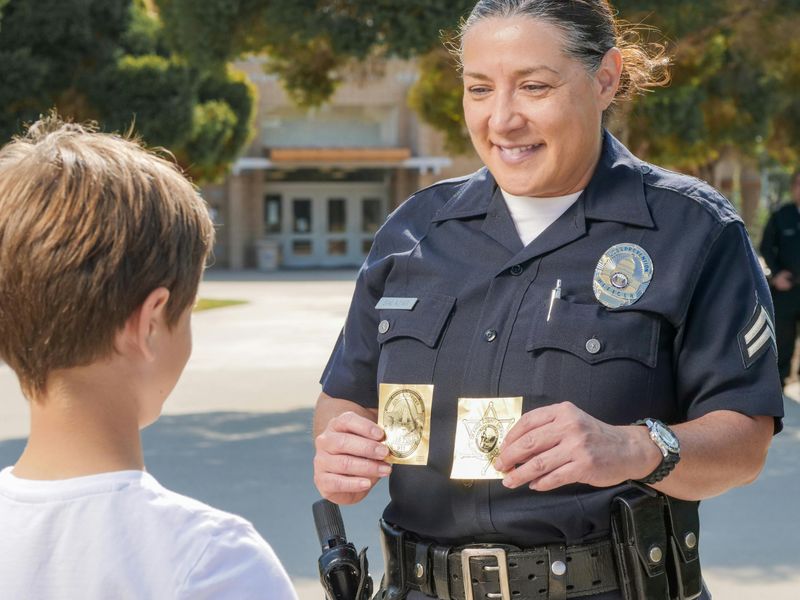
Most people walk through the world with invisible shields up, scanning for danger in every unfamiliar face.
But some lucky individuals see strangers differently—as potential friends rather than possible threats.
Their brains default to trust instead of suspicion when encountering new people.
This doesn’t mean they’re naive or careless about safety.
They’ve simply calibrated their internal alarm system to recognize that most random encounters are harmless.
A stranger making eye contact isn’t automatically something to fear.
Because they interpret neutral situations as safe, they feel free to offer smiles without anxiety.
Their relaxed approach to social interactions creates a positive feedback loop, where their openness often brings out the best in others around them.
5. Empathic Awareness

Ever wonder how some people just know when you need a pick-me-up?
That’s empathic awareness at work.
These intuitive souls can read the emotional temperature of a room and understand how their small actions might impact someone else’s entire day.
They recognize that their smile might be the only kindness a stranger receives all day.
Maybe that tired parent in the checkout line needs to feel seen, or that teenager walking alone could use a reminder that people care.
They get it.
This heightened sensitivity to others’ emotional states isn’t exhausting for them—it’s energizing.
Knowing they’ve potentially brightened someone’s day through a simple smile gives their life deeper meaning and purpose beyond themselves.
6. Prosocial Orientation

Competition has its place, but these individuals naturally lean toward cooperation and connection instead.
They view society as a team sport where everyone wins when people support each other.
Smiling at strangers is just one way they actively participate in building community bonds.
Their instinct in social situations is to create bridges rather than walls.
Where others might see strangers as competition or irrelevant background characters, they see potential allies and fellow humans deserving of acknowledgment.
This orientation shapes every interaction.
Research shows that prosocial people experience greater life satisfaction and stronger social networks.
By choosing connection over isolation, they create a more supportive environment for themselves and everyone lucky enough to cross their path each day.
7. Positive Affect Baseline

Some people wake up seeing gray clouds while others spot silver linings before breakfast.
Those who smile at strangers typically operate from a sunnier emotional starting point.
Their default mood setting leans toward optimism and lightness rather than worry or gloom.
This doesn’t mean they never experience sadness or frustration—they’re human, after all.
But their emotional baseline bounces back to positive more quickly than most.
It’s like having an internal thermostat set to contentment.
Their naturally upbeat disposition makes smiling feel effortless rather than forced.
When happiness is your home base, sharing it with passing strangers feels as natural as breathing.
This positive energy becomes self-reinforcing, attracting more good experiences into their lives.
8. Open-Body Communication Style

Body language speaks volumes before words ever leave our mouths.
People who instinctively smile at strangers typically display open, welcoming nonverbal signals.
Their arms stay uncrossed, their shoulders face toward others, and their posture invites rather than blocks interaction.
Watch them in a crowd and you’ll notice they don’t hunch over their phones or create physical barriers with bags and belongings.
Instead, they maintain an accessible presence that signals availability for brief, friendly exchanges.
This communication style isn’t calculated or rehearsed—it flows from genuine receptivity to human connection.
Their bodies literally say “I’m approachable” before their smiles confirm it.
Such alignment between inner feelings and outer expression creates authentic moments that strangers instinctively trust and respond to positively.
9. Secure Attachment Tendencies

Psychologists talk about attachment styles formed in childhood that shape adult relationships.
People comfortable smiling at strangers often display secure attachment patterns—they’re at ease with brief moments of connection without clinging or running away.
Eye contact doesn’t trigger anxiety for them, and acknowledging another person’s existence doesn’t feel threatening or overwhelming.
They can handle the tiny vulnerability of being seen and seeing others without their nervous system sounding alarm bells.
This emotional security allows them to enjoy micro-moments of human connection without overthinking the interaction.
They don’t worry about being rejected if someone doesn’t smile back, nor do they avoid eye contact to protect themselves.
Their internal emotional foundation stays solid regardless of strangers’ responses.
10. Social Courage in Micro-Moments

It takes guts to be the first one to smile, even though we rarely think of it as courage.
Making eye contact with a stranger and offering a genuine smile requires a willingness to be vulnerable, if only for a second.
These individuals possess social bravery in tiny doses throughout their day.
They risk the possibility of being ignored, misunderstood, or rejected with every smile they offer.
Yet they do it anyway because connection matters more than protecting their ego.
This quiet courage accumulates into something powerful over time.
Each small act of openness strengthens their confidence and reminds them that most people respond positively to genuine friendliness.
Their bravery often inspires others to be braver too, creating chains of kindness.
11. Low Ego Defensiveness

Ever catch yourself overthinking whether to smile at someone because you’re worried about how it might look?
People who naturally smile at strangers don’t get tangled in those mental gymnastics.
Their egos don’t need constant protection from imagined judgment.
They’re not obsessing over whether strangers think they’re weird, too friendly, or have ulterior motives.
This freedom from excessive self-consciousness allows them to act on kind impulses without second-guessing themselves into paralysis.
They’re simply being human.
Low ego defensiveness means they can handle the occasional non-response without creating dramatic stories about rejection.
If someone doesn’t smile back, they assume that person is preoccupied—not that they themselves are somehow deficient or foolish for trying.
12. Human-Centered Perspective

Walk through a busy airport and you’ll notice two types of people: those who see a blur of obstacles and those who see individual humans with their own stories.
Smile-givers fall into the second category—they maintain a human-centered perspective even in crowds.
Strangers aren’t just extras in the movie of their life.
Each person they pass is the main character of their own story, complete with hopes, struggles, and feelings.
This perspective shift changes everything about how they move through shared spaces.
Recognizing the full humanity in strangers makes smiling feel like the obvious response.
When you truly see people rather than treating them as furniture, acknowledging their existence becomes natural and necessary.
This worldview creates a kinder, more connected society one interaction at a time.