 MomSkoop
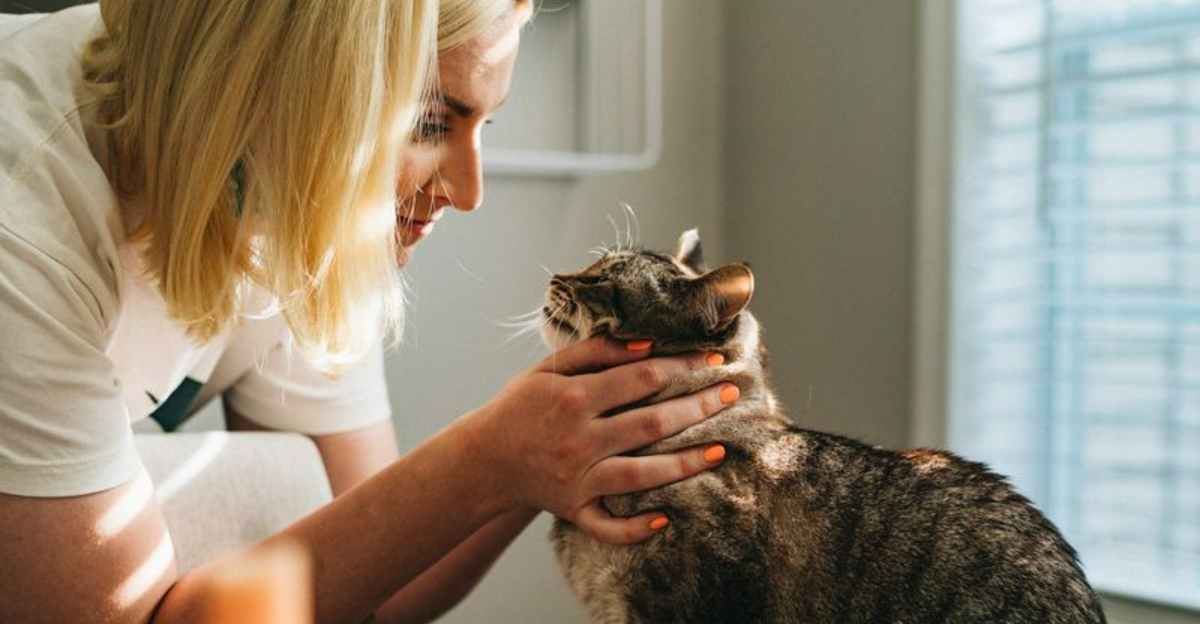
Some people feel more at ease around animals than they do around other people, and that preference often starts long before adulthood. Childhood experiences shape the way we connect, trust, and find comfort in the world around us.
For many animal lovers, early life offered lessons that made four-legged companions feel safer, kinder, and more reliable than the humans nearby. If you have always felt a deeper bond with animals, these shared childhood experiences might explain exactly why.
1. They Found Comfort in Animals During Emotional Distress
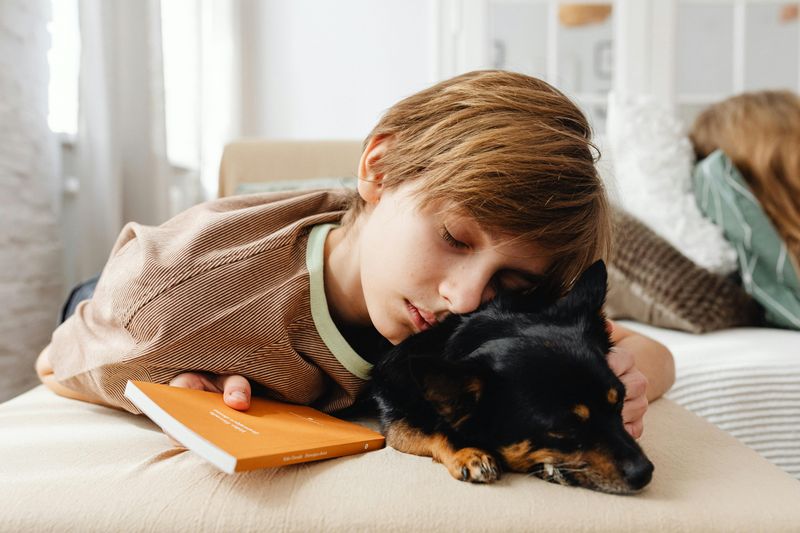
Picture a tough day at school, a fight at home, or just that heavy feeling you could not shake.
For many kids, the first place they turned was not a parent or a friend — it was a pet.
Animals have a quiet, steady presence that does not ask questions or make demands.
When human relationships felt overwhelming or unpredictable, a dog curled up beside you or a cat purring in your lap could make everything feel manageable again.
That emotional relief leaves a deep mark.
Over time, those children learned to associate animals with safety, peace, and unconditional support that humans sometimes failed to provide.
2. They Experienced Inconsistent or Unpredictable Caregiving

Growing up in a home where the emotional climate shifted without warning is exhausting for a child.
One day everything feels fine, and the next, tension fills every room.
Kids in those environments often search for something stable to hold onto.
Animals rarely change their behavior based on mood swings or stress.
A dog greets you the same way every single morning.
A rabbit stays calm no matter what argument happened at dinner.
That reliability becomes incredibly meaningful to a child who never quite knows what version of home they will walk into.
The unconditional steadiness of animals feels like solid ground when everything else shifts beneath your feet.
3. They Felt Misunderstood by the People Around Them
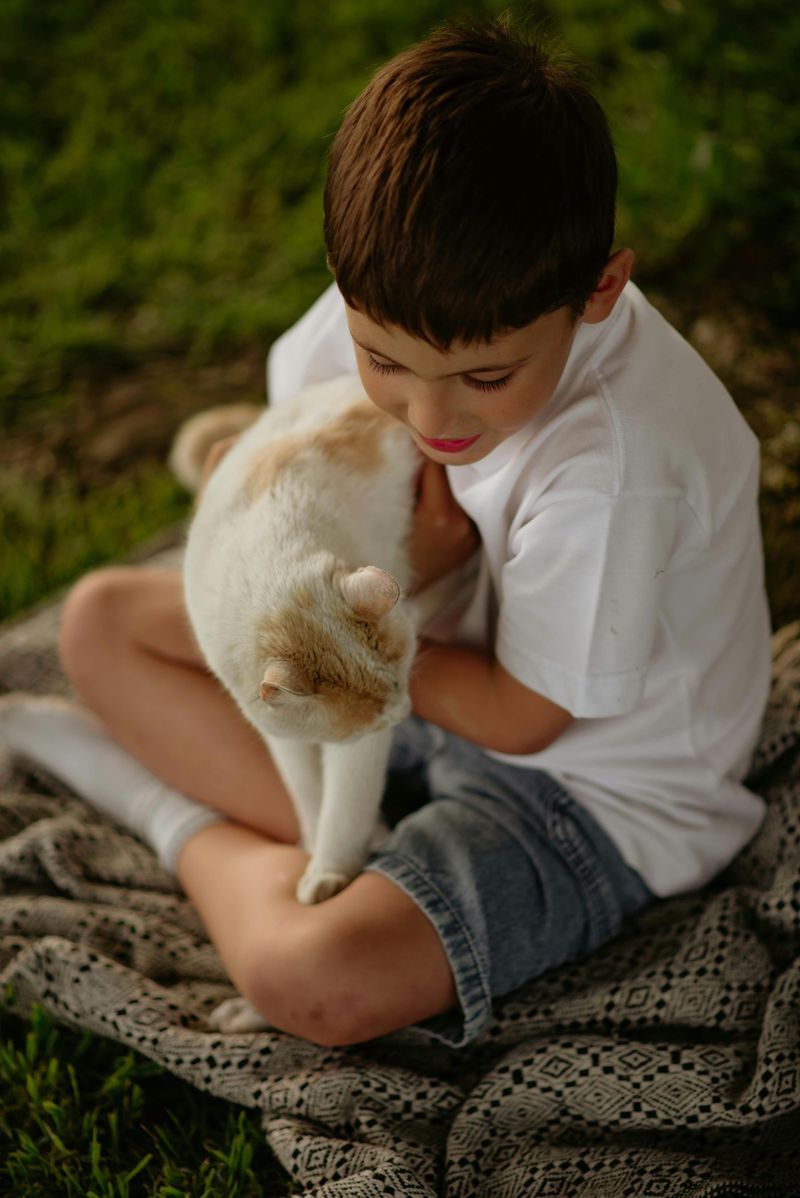
Some kids just never quite fit the mold.
Maybe they were too sensitive, too quiet, too curious, or simply wired differently from those around them.
Being misread by adults and peers over and over again creates a loneliness that is hard to shake.
Animals, though, never misinterpret your intentions or roll their eyes at your feelings.
They respond to your energy and presence without layering on judgment or expectation.
For children who constantly felt like they were explaining themselves to people who still did not get it, animals offered something rare — total acceptance without translation.
That experience plants a seed of preference that often blooms into a lifelong love for animals over people.
4. They Spent a Lot of Time Alone

Solitude and childhood do not always mix well.
Long stretches of time without company can feel isolating, especially for kids who craved connection but did not always have easy access to it.
Enter the family pet — always present, always willing, never busy.
Pets fill silence in a way that feels warm rather than empty.
They become confidants, adventure partners, and the audience for every imaginative game.
Children who spent significant time alone often developed incredibly rich bonds with animals because those relationships demanded nothing complicated in return.
No social scripts, no awkward silences.
Just honest, consistent companionship that shaped how they value loyalty and presence well into their adult years.
5. They Were Highly Sensitive or Empathetic
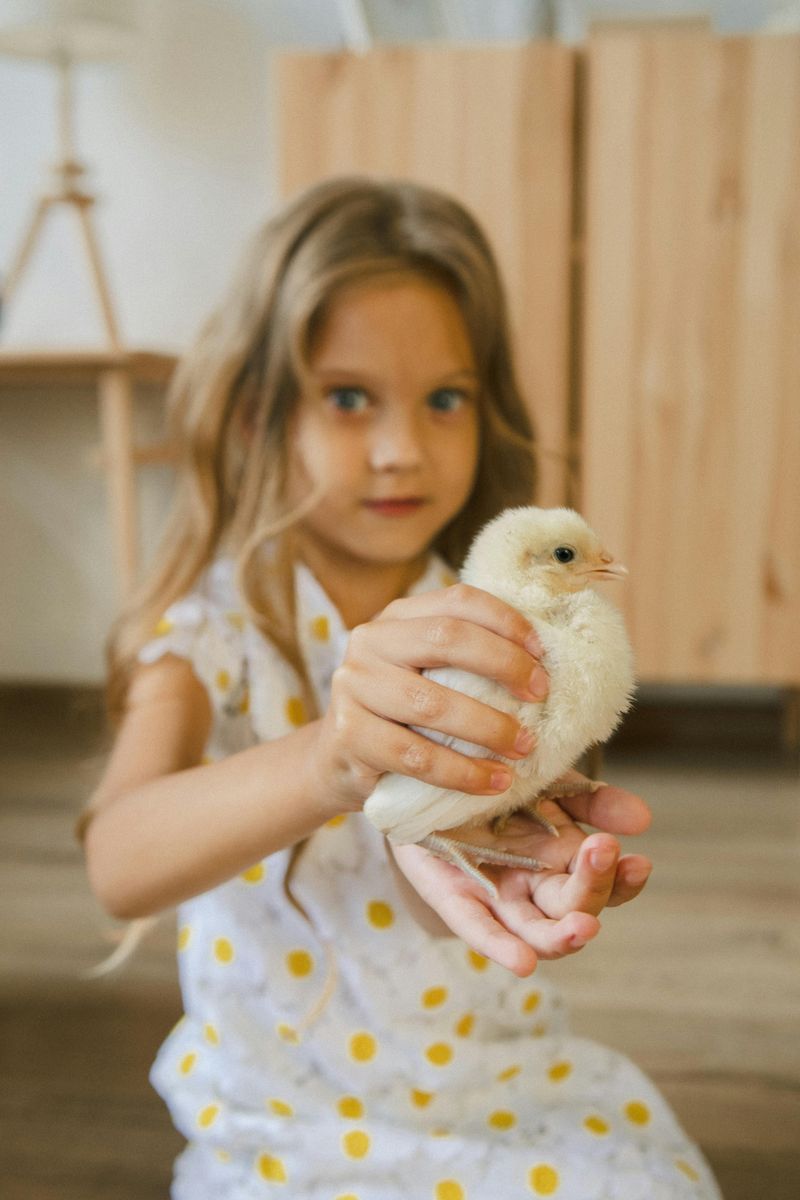
Highly sensitive children feel the world at a higher volume than most.
Loud arguments, social tension, or even a sad movie can be genuinely overwhelming.
That emotional depth, while sometimes challenging, also comes with a remarkable gift — the ability to tune into others without words.
Animals communicate almost entirely through body language, energy, and subtle signals.
Sensitive kids naturally pick up on those cues in a way that feels almost effortless.
A drooping tail or a tucked ear speaks volumes to a child who already processes nonverbal information so well.
That natural attunement creates bonds that feel almost telepathic, and it is no surprise those children grow into adults who feel most understood when surrounded by animals.
6. They Trusted Animals More Than Authority Figures
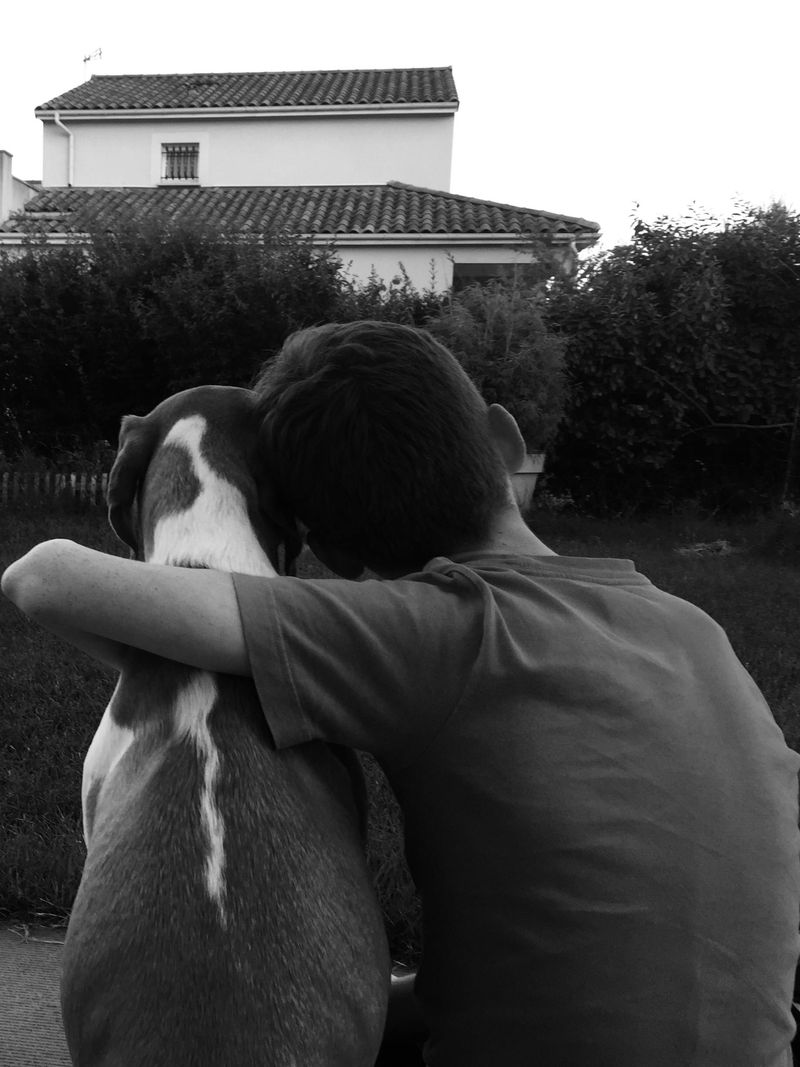
Trust is not given freely by children who have had it broken early.
When the adults in your life prove unreliable, dishonest, or hurtful, your instinct shifts — you stop leaning on people and start looking elsewhere for safety.
Animals stepped into that gap for many kids.
A dog never lied.
A horse never broke a promise.
They responded to kindness with kindness, and that simple exchange felt revolutionary compared to complicated human dynamics.
Children who learned early that adults could not always be counted on often found that animals were the only beings who consistently showed up without an agenda.
That early lesson in trustworthiness through animals tends to stick for a lifetime.
7. They Grew Up in Environments Where Emotions Were Rarely Expressed
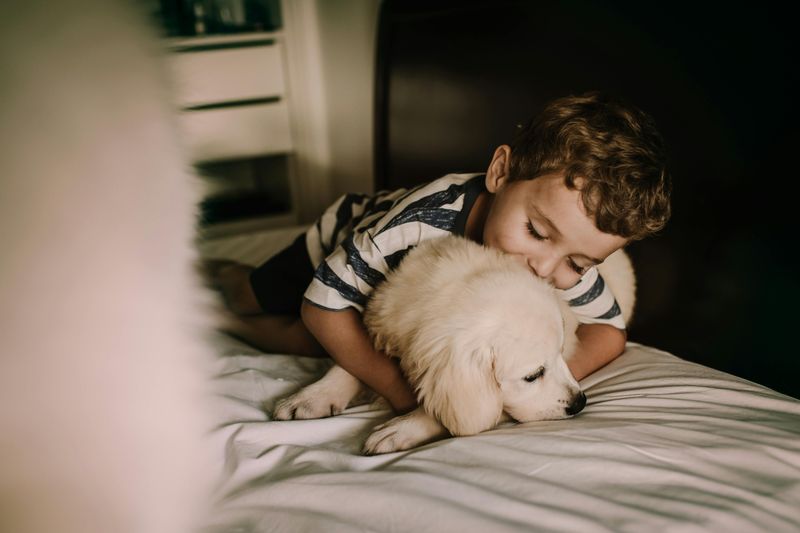
Not every household made room for big feelings.
In some families, showing emotion was seen as weakness, and children learned to bottle things up rather than risk vulnerability.
But feelings do not disappear just because they are not allowed — they find another outlet.
Animals became that outlet for many kids.
You could cry into a dog’s fur without being told to stop.
You could talk to a cat without anyone calling you dramatic.
That freedom to feel fully, without consequence or correction, was profoundly healing.
Over time, those children came to associate emotional expression with animals, building a preference for their company that carries forward into adulthood as something deeply personal and irreplaceable.
8. They Experienced Bullying or Social Rejection

Being left out, laughed at, or targeted by peers carves a wound that takes a long time to heal.
For children navigating the brutal social landscape of school, the walk home to a waiting pet could feel like the best part of the day.
Animals do not form cliques.
They do not whisper behind your back or exclude you from games.
A dog’s tail wags just as hard whether you are popular or not.
Kids who faced rejection from peers often found in animals the steady loyalty that humans had refused to offer.
That contrast — between the cruelty of social dynamics and the warmth of an animal’s welcome — often shapes a lifelong preference that is both understandable and deeply human.
9. They Were Drawn to Nature From an Early Age
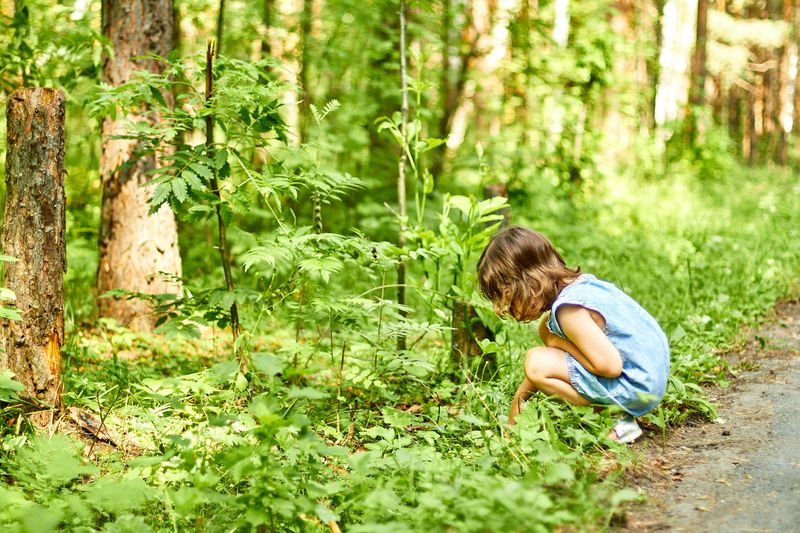
Some children seem born with a magnetic pull toward the outdoors.
They are the ones turning over rocks to find insects, feeding ducks at the pond, or spending entire afternoons watching birds from a window.
Nature feels like home to them in a way that crowded rooms never quite do.
That early connection to the natural world almost always extends to a deep affection for animals.
When you grow up seeing wildlife as fascinating rather than frightening, and ecosystems as something to respect rather than avoid, animals become natural allies.
Children raised with that sense of wonder tend to carry it forward, building lives where animals remain central to their sense of joy, purpose, and belonging.
10. They Had a Strong Bond With a Childhood Pet
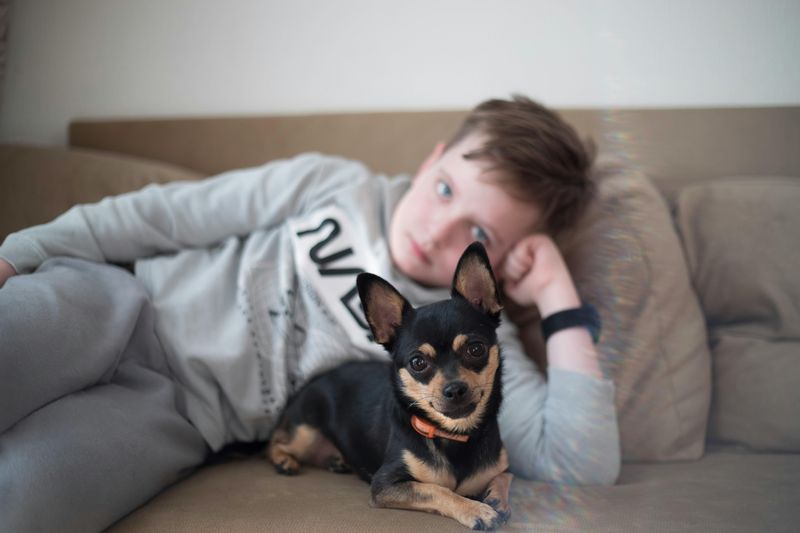
Ask almost any devoted animal lover about their childhood, and a specific pet will come up immediately.
Maybe it was a scruffy terrier named Biscuit or a sleepy old tabby who always chose their lap.
That first deep animal bond is something truly formative.
Childhood pets teach empathy, responsibility, and the kind of love that does not come with conditions or complications.
They are there through awkward phases, tough school years, and quiet evenings when nothing else makes sense.
Losing that pet often becomes a child’s first real experience of grief, which deepens the emotional significance even further.
The attachment patterns formed in those early relationships frequently shape how a person connects with animals — and people — for the rest of their life.
11. They Learned That Animals Offer Unconditional Acceptance
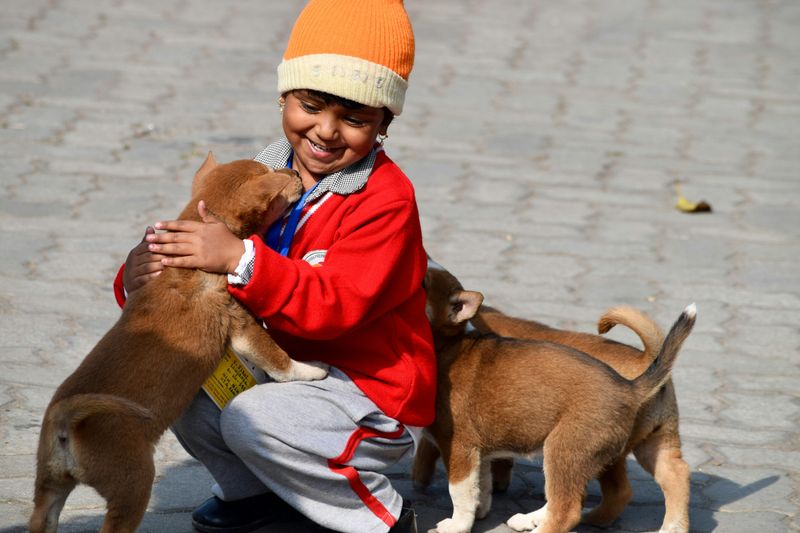
Here is something no animal has ever done: held a grudge.
Animals do not remember that you forgot to feed them on time last Tuesday, and they do not withdraw affection because you said the wrong thing.
Their love resets every single day, fresh and complete.
For children who grew up around conditional approval — where love felt earned rather than freely given — that quality in animals is nothing short of transformative.
Being accepted exactly as you are, without performance or apology, rewires something deep in how a child understands relationships.
Those kids often grow into adults who find animal company not just enjoyable, but genuinely restorative — a reminder that acceptance without strings attached is not just possible, it is real.