 MomSkoop

Some people feel happiest when their day follows a familiar rhythm. Same breakfast, same schedule, same cozy habits.
While others chase the next new thing, routine lovers quietly build skills that matter everywhere. Here are ten strengths that often come with a steady way of living.
1. Consistency
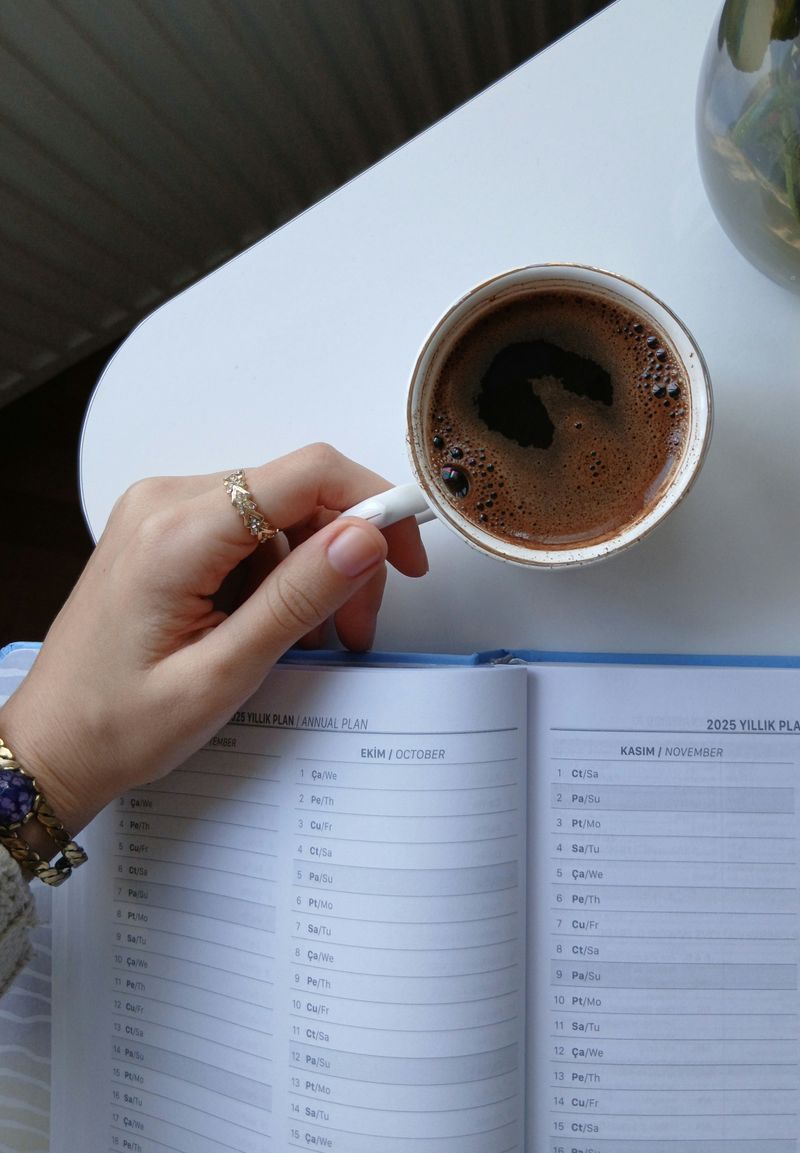
People who love routine show up with the same effort day after day.
Consistency builds a strong reputation over time.
Teachers, coaches, and bosses notice when someone keeps their standards steady, even on dull or rainy days.
Want to grow this strength?
Pick one small habit, like reading for ten minutes after dinner, and keep it going.
Mark each day on a calendar.
Watching the chain of check marks grow feels surprisingly good, and it proves that small actions repeated often can create big results.
2. Dependability

“Just ask Sam, he never forgets.” Hearing a sentence like that is a big compliment, and routine lovers earn it often.
When they say they will do something, it usually gets done.
Friends and teammates feel relaxed around dependable people.
There is no guessing about whether the report will arrive or the ride will show up on time.
This quality also makes life easier for the person who has it.
Keeping promises means fewer awkward excuses and less stress.
A simple trick is to write commitments down right away, so nothing slips through the cracks.
Trust grows slowly, but it lasts a very long time.
3. Self-Discipline

Studies of athletes and musicians often find that steady practice matters more than raw talent.
Routine lovers seem to understand this naturally.
They stick with the plan, even when the couch looks very tempting.
Having a set schedule takes away the daily fight over what to do next.
Brushing teeth never needs a pep talk, and the same goes for homework or workouts once they become habits.
To strengthen discipline, attach a new task to an old habit.
Stretch right after brushing your teeth, for example.
Over time, the choice feels automatic, and willpower is saved for harder moments.
4. Organization
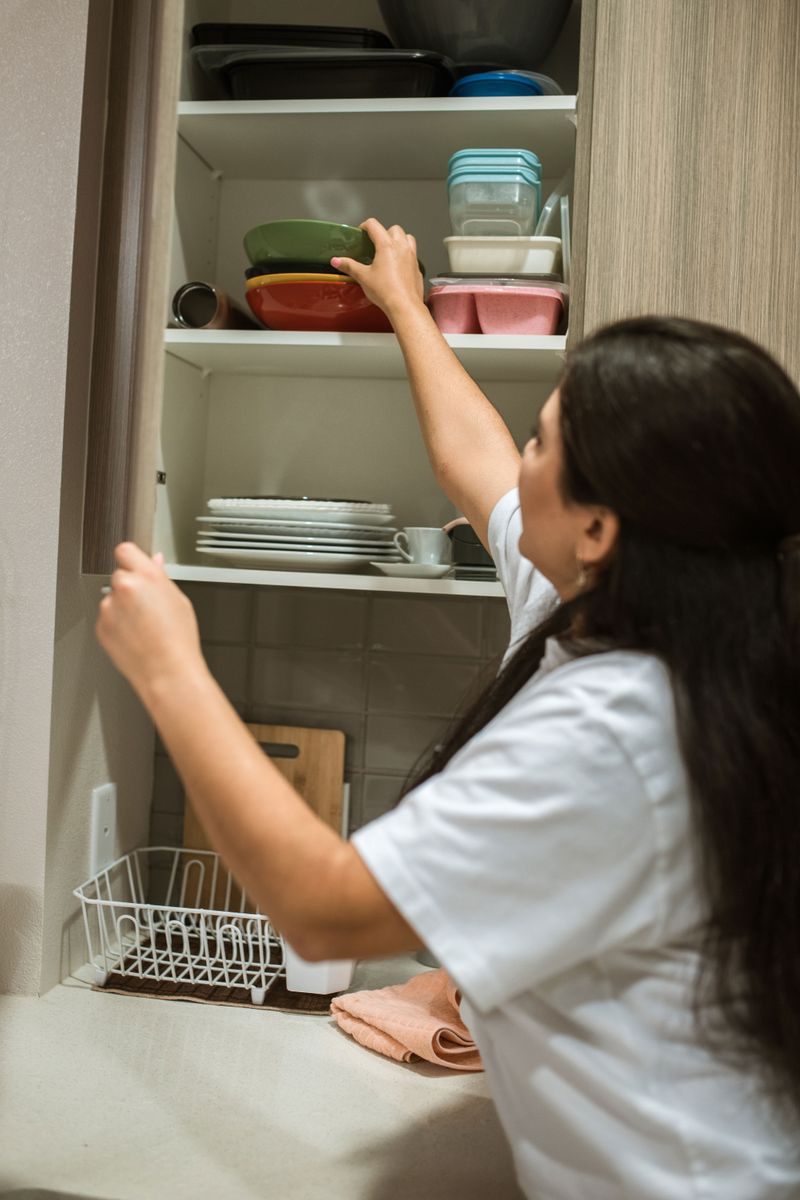
Routine lovers create that kind of order in many parts of life.
Predictable setups save time.
When keys always hang on the same hook, no one runs around in a panic ten minutes before leaving.
Organization also helps the mind.
A clear desk and a clear schedule leave more room for good ideas.
Try a Sunday reset, where you spend fifteen minutes preparing for the week ahead.
It is a small habit that pays off every single day.
5. Attention to Detail

When you walk the same path every day, you notice the one new crack in the sidewalk.
That is the quiet power of familiarity.
Routine lovers often spot small changes that others walk right past.
At work, this might mean catching a typo, a wrong number, or a tiny shift in a machine’s sound.
Those small catches can prevent big problems later.
Familiar steps free up brain space for noticing.
If you want to sharpen this skill, slow down once a day and look closely at something ordinary.
Ask yourself what looks different from yesterday.
You may be surprised by what you find.
6. Persistence
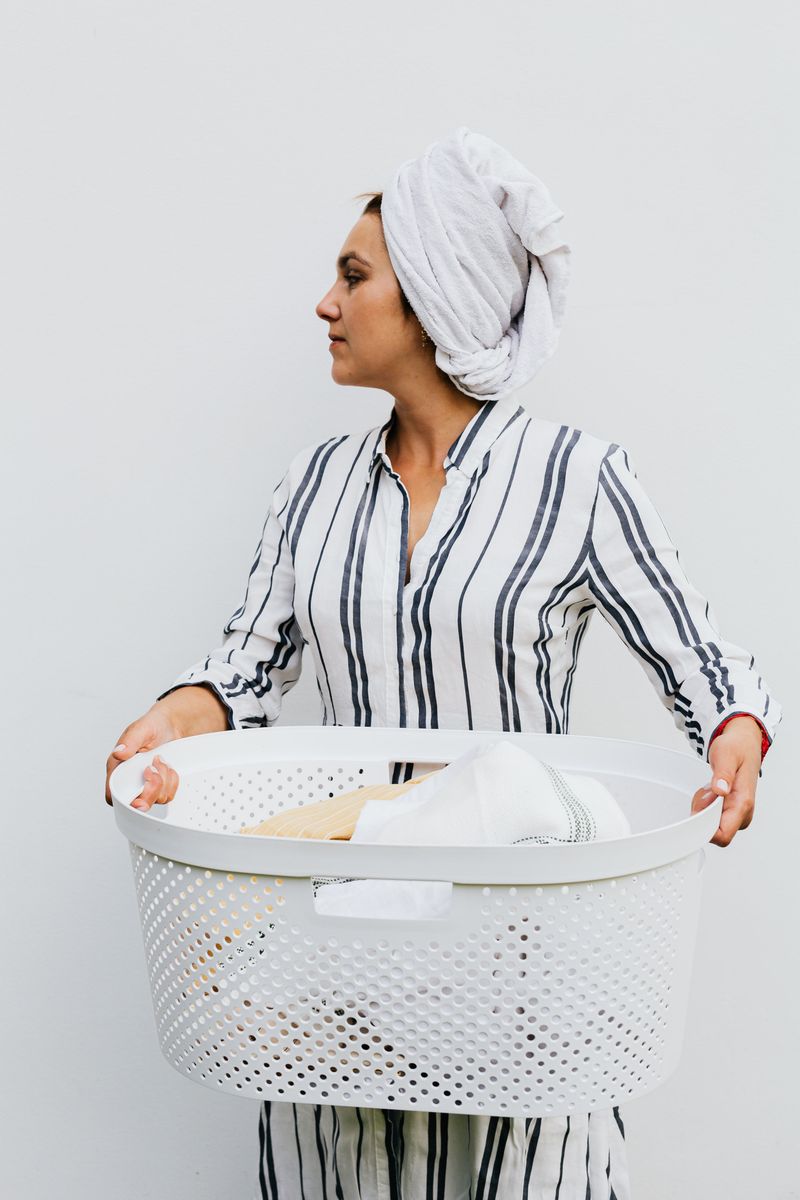
Some jobs are repetitive, and let’s be honest, not everyone enjoys them.
Folding laundry, practicing scales, filing reports.
Yet routine lovers tend to keep going without much complaint.
That staying power matters.
Many big goals, like learning a language or finishing a degree, are mostly made of ordinary, repeated steps.
Instead of waiting for excitement, they lean on rhythm.
A steady beat can carry you farther than a burst of energy ever could.
To boost persistence, break big tasks into small daily pieces, and reward yourself when a week is done.
Finishing becomes a habit too.
7. Efficiency

Ever watch a cafe worker make five drinks without pausing?
That smooth speed comes from repetition.
Doing a task the same way again and again turns clumsy steps into quick, easy motions.
Routine lovers often reach this level in many areas.
Their morning getaway, their grocery runs, and their work tasks all run like well-oiled machines.
Efficiency is not about rushing.
It is about removing wasted steps.
Try timing a common chore, then look for one small change that saves a minute.
Repeat that new method until it becomes second nature.
Soon you will have extra time for things you truly enjoy.
8. Stability

“Where’s the calm person when you need one?” Often, it is the routine lover, sitting steady while everyone else scrambles.
Their even pace can settle a whole room.
In friendships and families, this steadiness feels like solid ground.
People know what to expect, which makes it easier to relax and be themselves.
During stressful times, familiar habits act like an anchor.
A regular bedtime or a daily walk can keep the mind balanced when life gets bumpy.
If you want to offer stability to others, stay predictable in kindness.
Small, regular check-ins often mean more than a single grand gesture.
9. Planning Ability

Last-minute scrambles are not their style.
Routine lovers usually like to know what comes next, so they map it out in advance.
Packed lunches, set appointments, and backup plans are all part of the picture.
Thinking ahead helps avoid many problems.
If you know Tuesday is busy, you can prep dinner on Monday and save yourself a headache.
Planning also makes room for fun.
When chores are scheduled, free time feels guilt-free.
To practice, spend five minutes each evening writing your top three goals for tomorrow.
Looking ahead becomes a friendly habit, not a heavy chore.
10. Patience

Oak trees do not grow overnight, and routine lovers seem to know it.
They are often fine with slow, gradual progress, because they trust that daily effort adds up.
This calm attitude helps with long projects like saving money, learning an instrument, or building a friendship.
While others quit when results feel slow, patient people keep showing up.
Patience also lowers stress.
There is less pressure to be perfect right now.
If you want to grow it, track your progress over months instead of days.
Take a photo, jot a note, and look back later.
Seeing how far you have come is a great reward.