 MomSkoop

Have you ever noticed how some people can watch the same TV show five times and still enjoy every single episode? While others chase the newest releases, certain viewers keep returning to their favorite worlds like old friends.
There’s actually some fascinating psychology behind this habit. If you or someone you know loves rewatching the same shows, these 11 traits might explain exactly why.
1. High Nostalgia Proneness
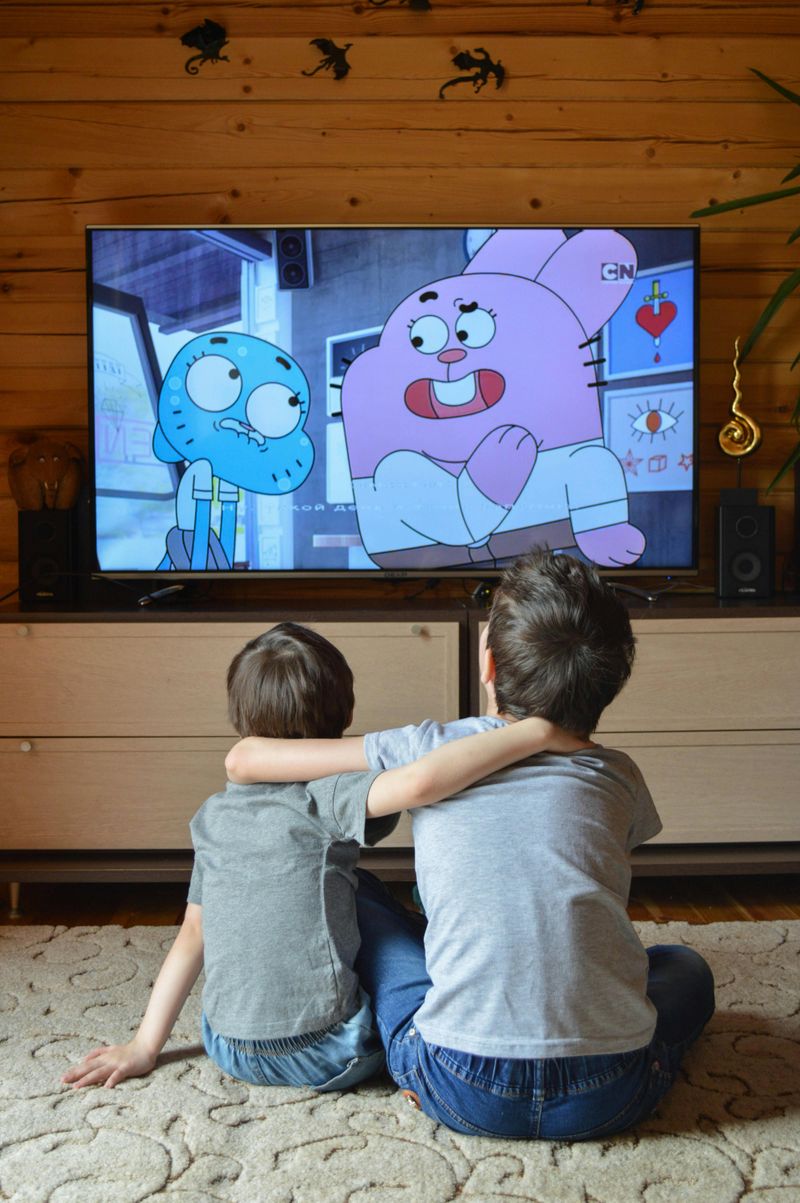
There’s something almost magical about pressing play on a show you’ve already seen a dozen times.
For people high in nostalgia proneness, rewatching isn’t just entertainment — it’s emotional time travel.
Familiar scenes carry the scent of earlier days, triggering warm feelings tied to specific life chapters.
Psychologists have found that nostalgia boosts mood and strengthens a sense of personal identity.
Rewatching a beloved series can feel like flipping through a mental photo album.
Each episode quietly whispers, “Remember when?”
This trait is especially strong in people who form deep emotional connections with stories.
Their favorite shows aren’t just shows — they’re living memories wrapped in dialogue and music.
2. Preference for Predictability

Knowing exactly how a story ends might sound boring to some, but for certain viewers, it’s the whole point.
When your brain already knows the plot, it can relax instead of working overtime to track twists and surprises.
That mental ease is genuinely satisfying.
Research in cognitive psychology shows that predictability lowers stress and reduces mental fatigue.
Watching something familiar is kind of like taking the same comfortable route home — your brain can cruise on autopilot.
People who prefer predictability often thrive in structured environments and appreciate routines.
A rewatch isn’t a lack of imagination — it’s a smart, stress-reducing choice that gives the mind a well-earned break.
3. Emotion Regulation Awareness

Some people treat their show queue like a medicine cabinet.
Feeling anxious?
Put on that beloved sitcom.
Lonely on a rainy Tuesday?
Queue up that cozy drama that always makes the world feel smaller and warmer.
This isn’t mindless watching — it’s intentional emotional management.
Emotion regulation is the ability to recognize and adjust your own emotional state.
People who rewatch regularly often have a strong handle on which shows serve which moods.
They’ve basically built a personal emotional toolkit out of streaming content.
Far from being a passive habit, this kind of viewing is surprisingly self-aware.
Choosing the right rewatch at the right moment is its own quiet form of emotional intelligence.
4. Lower Novelty-Seeking Tendencies

Not everyone craves the thrill of the unknown.
Some people would rather spend two hours with characters they already love than roll the dice on something completely new.
That’s not a flaw — it’s simply a different kind of preference.
Psychologists describe novelty-seeking as a personality trait linked to how much stimulation a person needs to feel engaged.
Lower novelty-seekers often find deep satisfaction in familiar things, whether that’s their favorite restaurant order or their go-to TV series.
Depth beats variety for this group.
They’d rather explore every layer of one excellent story than skim across ten mediocre ones.
Rewatching gives them that richness, offering new details each time without the risk of disappointment.
5. Strong Attachment to Fictional Characters

Ever felt genuinely sad when a TV character moved away, broke up with someone, or — worst of all — died?
That emotional pull is called a parasocial bond, and serial rewatchers tend to experience it intensely.
These fictional folks feel like real members of an extended social circle.
Parasocial relationships aren’t unhealthy by nature.
They offer connection, empathy practice, and even comfort during lonely periods.
For strong attachment-oriented people, beloved characters provide a sense of social warmth without the complexity of real-world relationships.
Rewatching keeps those bonds alive and refreshed.
Spending time with familiar characters feels like catching up with old friends — complete with inside jokes, shared history, and genuine emotional investment.
6. Sentimental Tendencies

Sentimental people don’t just hold onto objects — they hold onto feelings, moments, and the stories attached to them.
A TV show watched during a meaningful life chapter can become permanently woven into personal history.
Rewatching it later is almost like reopening a treasured journal.
This trait shows up in people who value emotional continuity — the idea that certain experiences deserve to be revisited and honored, not left behind.
They’re the same people who reread birthday cards and keep ticket stubs from concerts years ago.
For them, a beloved show carries emotional weight far beyond its storyline.
Every rewatch is a quiet act of honoring something that once mattered deeply, and still does.
7. Higher Anxiety Sensitivity

During stressful stretches of life, the brain instinctively gravitates toward what feels safe.
For anxiety-sensitive individuals, an unpredictable new show can actually increase tension rather than reduce it.
Familiar content, on the other hand, acts almost like a psychological security blanket.
Studies on stress and media consumption have found that people under pressure prefer predictable, low-stakes entertainment.
When your nervous system is already on high alert, the last thing you need is a cliffhanger you didn’t sign up for.
Rewatching a beloved series during tough times isn’t avoidance — it’s a legitimate coping strategy.
The brain knows what’s coming, relaxes its guard, and gets the mental breathing room it desperately needs to recover.
8. Detail-Oriented and Reflective Thinking

“Wait — was that foreshadowing?” If you’ve ever rewound a scene just to catch a subtle clue you missed the first time, you know the peculiar joy of discovering hidden layers in a story.
Detail-oriented thinkers rewatch with purpose, treating episodes like puzzles worth solving repeatedly.
These viewers notice things casual watchers walk right past — a glance between characters, a prop placed deliberately in frame, a line of dialogue that means something entirely different after the finale.
Each rewatch reveals a new level of the storyteller’s craft.
Reflective thinkers also process emotions more deeply over time.
Revisiting a story after personal growth often changes how they interpret characters’ choices, adding entirely new meaning to scenes they thought they already understood.
9. Introverted Leanings

Solo viewing marathons are basically an introvert’s ideal Saturday.
Emotionally engaging but socially low-demand, rewatching a familiar show delivers genuine connection and stimulation without the energy drain of real-world social interaction.
It’s the perfect balance for someone who recharges in quiet spaces.
Introverts tend to process experiences deeply and often prefer meaningful, familiar environments over unpredictable social situations.
A beloved show provides exactly that — a rich emotional experience on their own terms, at their own pace, without any small talk required.
This doesn’t mean introverts are antisocial or lonely.
Many have vibrant friendships and full lives.
But when downtime arrives, curling up with a trusted series feels far more restorative than almost anything else on the schedule.
10. Comfort-Oriented Coping Style

For some people, self-care looks like face masks and bubble baths.
For others, it’s pressing play on the same show they’ve already watched three times — and feeling zero guilt about it.
Comfort-oriented copers build soothing rituals into their lives with genuine intention.
Rewatching becomes a reliable signal to the nervous system: “You’re safe.
You’re home.
You can relax now.” Over time, familiar shows get mentally linked to feelings of calm and security, making them incredibly effective at shifting a stressful mood.
Routines matter deeply to this personality type.
Whether it’s a weekly rewatch night or a specific episode they return to whenever life gets overwhelming, these rituals provide emotional stability that feels both practical and deeply nourishing.
11. Situational Emotional Intelligence

Before pressing play, some people ask themselves a quiet but powerful question: “What do I actually need right now?” That kind of internal check-in is a hallmark of situational emotional intelligence — knowing your own emotional state and making deliberate choices based on it.
Serial rewatchers with this trait have essentially mapped out their own emotional landscape through years of mindful viewing.
They know which show lifts their energy, which one soothes a heavy heart, and which one to avoid when they’re already feeling fragile.
This isn’t overthinking — it’s self-awareness in action.
Using storytelling as an emotional tool, rather than just background noise, reflects a sophisticated relationship with both media and personal mental health.