 MomSkoop

Most people know someone who seems to sleep way more than everyone else, and it can be easy to wonder why. Sleeping a lot is not always just about being lazy or tired from a long day.
Sometimes, the reasons go much deeper, touching on emotions, mental habits, and how a person handles the world around them. Understanding what heavy sleepers often have in common might just help you understand yourself or someone you care about a little better.
1. They Feel Emotions More Deeply
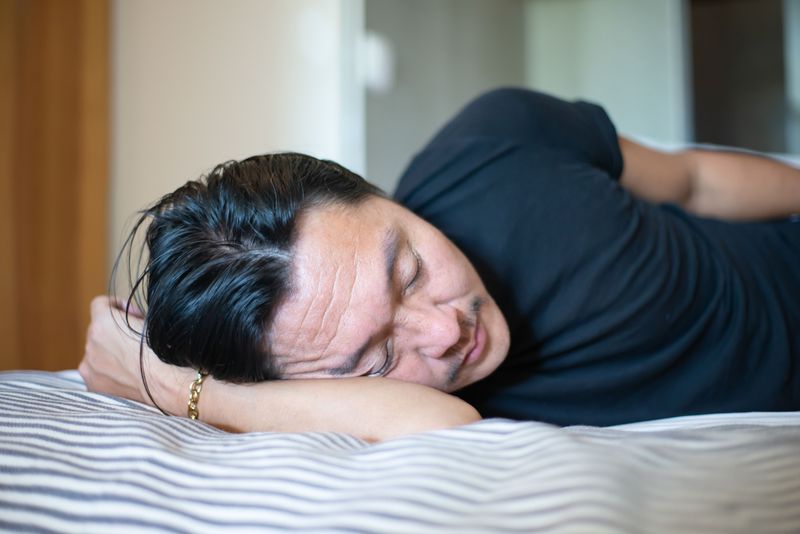
Feeling things intensely is both a gift and a burden.
People who experience emotions on a deeper level often find that even ordinary events, like a tense conversation or a sad movie, can leave them feeling completely wrung out by the end of the day.
That emotional weight adds up fast.
When your heart feels everything at full volume, your body and mind need extra recovery time.
Sleep becomes less of a luxury and more of a necessity for getting back to baseline.
Heavy sleepers who are emotionally sensitive are not being dramatic.
Their nervous systems are simply working overtime, and rest is how they refuel and prepare to face another emotionally charged day.
2. Overthinking Keeps Their Mind Running Overtime

Some minds just refuse to clock out.
For people who tend to overthink, the brain keeps replaying conversations, second-guessing decisions, and spinning out worst-case scenarios long after the rest of the world has gone quiet.
All of that mental activity burns through energy at a surprising rate.
Constant thinking is genuinely exhausting, and over time it creates a kind of emotional fatigue that sleep alone can barely fix.
Interestingly, oversleeping can sometimes be the body’s attempt to force the mind to stop.
Researchers have found links between rumination and extended sleep duration, suggesting that a busy, restless mind often needs more downtime than average to recover and reset properly.
3. Getting Overwhelmed Comes Easily to Them

Too much noise, too many responsibilities, too many people needing things at once.
For some individuals, the world can feel like it is constantly turned up too loud, and the only real relief is retreating somewhere quiet and still.
Bed becomes a refuge when overstimulation takes hold.
Pulling the covers up and tuning everything out is not avoidance for these people; it is survival.
Their systems genuinely need a break from the relentless input of daily life.
People who get overwhelmed easily often sleep longer as a way of resetting.
After a particularly hectic day, the body pushes back by demanding more rest, helping the person gradually return to a calmer, more manageable state of mind.
4. Sleep Sometimes Serves as an Escape

When life gets hard, some people talk it out, go for a run, or call a friend.
Others pull the blanket over their head and sleep.
There is nothing unusual about wanting distance from stress, but for heavy sleepers, that distance often comes in the form of extra hours unconscious.
Sleep provides a genuine break from difficult thoughts and feelings.
For a few hours, worries about money, relationships, or the future simply disappear.
That relief, even if temporary, can become something a person starts to rely on regularly.
Recognizing this pattern is a healthy first step.
If sleep has become a primary coping tool, exploring other strategies alongside rest can help build a more balanced and sustainable way of handling life’s harder moments.
5. A Strong Craving for Peace and Quiet
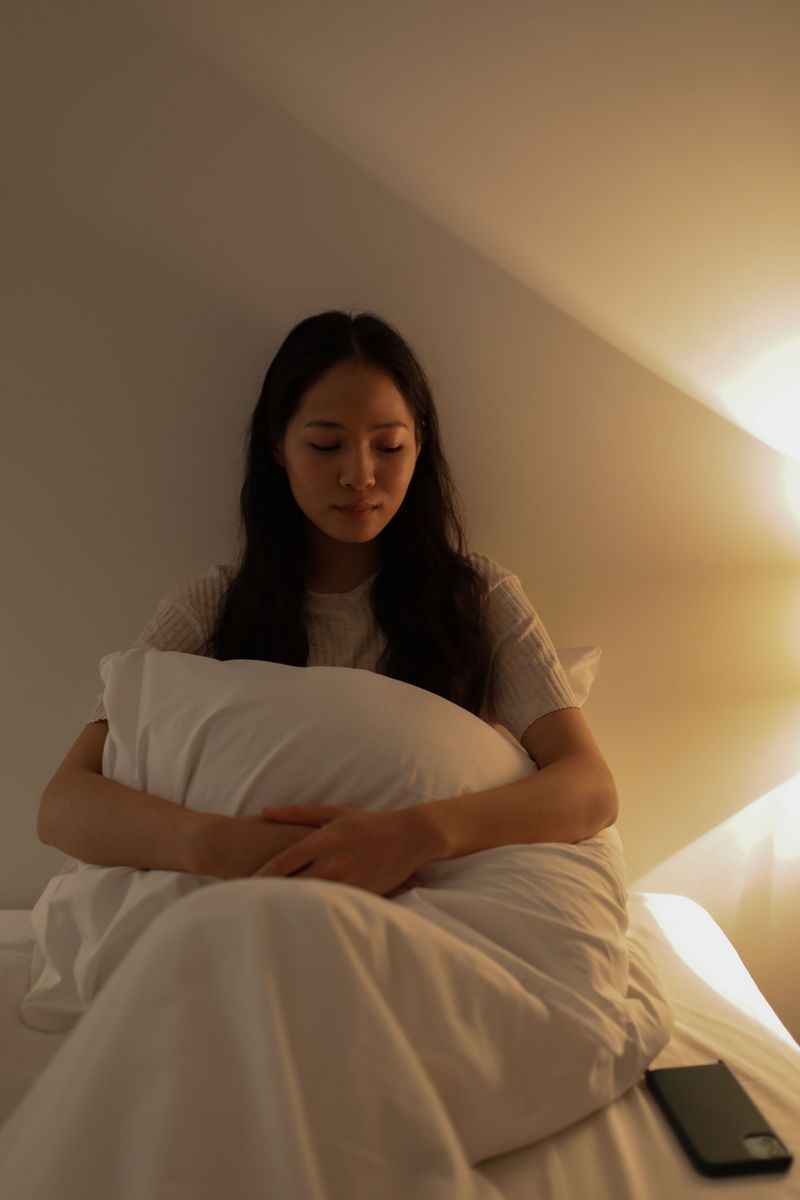
Not everyone thrives on background noise and constant activity.
For people who crave peace and quiet, the bedroom is not just a place to sleep.
It is a sanctuary, one of the only spaces where they feel truly undisturbed and free from the demands of the outside world.
Bedtime holds a special appeal for these individuals.
The moment the lights go out and the noise fades, there is a sense of relief that is hard to describe but deeply satisfying.
That peaceful stillness is something they genuinely look forward to each day.
Naturally, when something feels that good, you want more of it.
Heavy sleepers who crave quiet are often drawn to longer sleep simply because that stillness is where they feel most like themselves.
6. Emotional Exhaustion Can Sneak Up on Them

Here is something that surprises a lot of people: emotional exhaustion does not always feel emotional.
Sometimes it just feels like being tired, really, really tired, with no obvious physical reason for it.
That is what makes it so easy to miss.
People who carry prolonged emotional strain often assume they just need more sleep.
And while rest does help, the tiredness keeps coming back because the root cause is not physical.
The body mirrors what the mind is going through, translating inner stress into outward fatigue.
Paying attention to patterns can be revealing.
If someone consistently sleeps long hours but still wakes up exhausted, emotional overload may be the real culprit, and addressing it gently can make a meaningful difference in how rested they actually feel.
7. Withdrawing Is Their Go-To Stress Response

When stress builds up, some people reach out for support.
Others go quiet, pull back from friends and family, and spend more and more time alone.
For heavy sleepers who tend to withdraw, extra sleep often fills the space left by reduced social contact.
Withdrawing is not always a sign of depression, though it can be.
Sometimes it is simply how a person processes difficulty.
Being alone feels safer than explaining what is wrong, and sleep offers a kind of wordless comfort that conversation cannot always provide.
The challenge is that withdrawal, while temporarily soothing, can deepen feelings of isolation over time.
Balancing the need for alone time with small moments of connection can help prevent the cycle from becoming harder to break as the weeks go on.
8. Their Bedroom Feels Like the Safest Place on Earth

For some people, the bedroom is more than just a room.
It is the one place where they feel completely themselves, with no pressure to perform, explain, or keep it together.
That sense of safety is powerful, and it can make spending time in bed feel deeply appealing.
When a space becomes associated with comfort and security, the body naturally wants to return to it.
Heavy sleepers who feel safest in their own space often find that being in bed, even when not fully asleep, brings a sense of calm that is hard to replicate anywhere else.
Creating that kind of personal sanctuary is actually healthy.
The key is making sure it does not become the only place a person feels safe, since that can limit how freely they move through the rest of their life.
9. Other People’s Moods Hit Them Hard
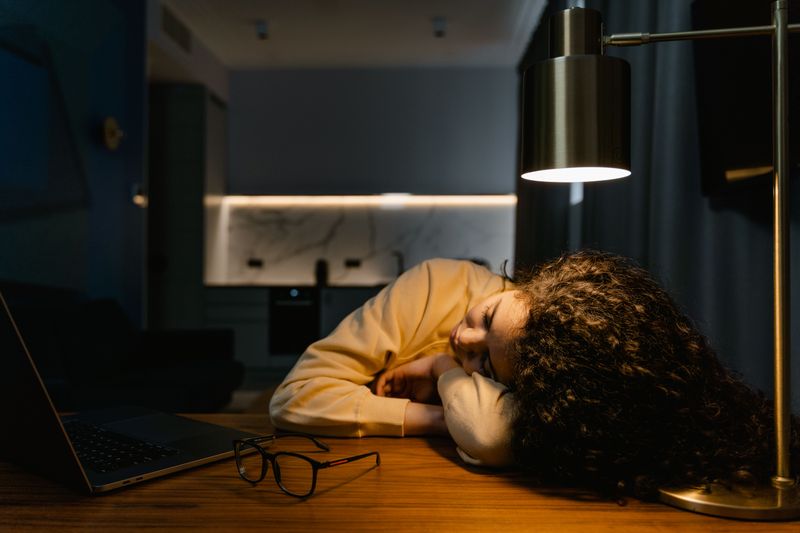
Walking into a room full of tension can be exhausting for anyone, but for people who are highly sensitive to others’ moods, it is on another level entirely.
They pick up on emotional signals quickly, sometimes without even realizing it, and those signals linger long after the interaction ends.
Social situations that others shrug off can leave sensitive people feeling completely drained.
A difficult conversation, a friend’s bad mood, or even a stressful work meeting can deplete their energy reserves faster than any physical activity would.
Sleep becomes the natural recovery tool after these kinds of encounters.
Longer rest periods help sensitive individuals process what they absorbed during the day.
Over time, this pattern of needing extra sleep after social exposure becomes a regular and recognizable part of their routine.
10. Motivation Can Be Hard to Find Some Days

There is a big difference between being lazy and genuinely struggling to feel motivated.
For people who sleep a lot and deal with low motivation, getting out of bed is not just inconvenient.
It can feel like climbing a wall with no handholds.
Emotional flatness, discouragement, and a lack of clear purpose can all make mornings feel pointless.
When there is nothing pulling a person forward, staying horizontal feels like the path of least resistance, and sleep fills the void that motivation used to occupy.
Small wins matter enormously for people in this position.
Setting one simple goal for the morning, even something tiny like making coffee, can create just enough forward momentum to shift the day in a more energized and purposeful direction.
11. Switching Off Mentally Is a Real Struggle

The day might be over, but for some people, the mind has not gotten the memo.
Replaying conversations, worrying about tomorrow, analyzing what went wrong, and mentally rehearsing future events can keep the brain buzzing well into the night.
This inability to mentally switch off is genuinely tiring.
The brain uses a significant amount of energy even when the body is at rest, and prolonged mental activity without proper breaks leads to the kind of fatigue that extra sleep tries to compensate for.
People who struggle to wind down often sleep longer because their sleep quality suffers.
Waking up unrefreshed after many hours is a common sign.
Building a calming pre-sleep routine, like reading or stretching, can gradually train the mind to settle more easily each evening.
12. Loneliness May Be Playing a Quiet Role
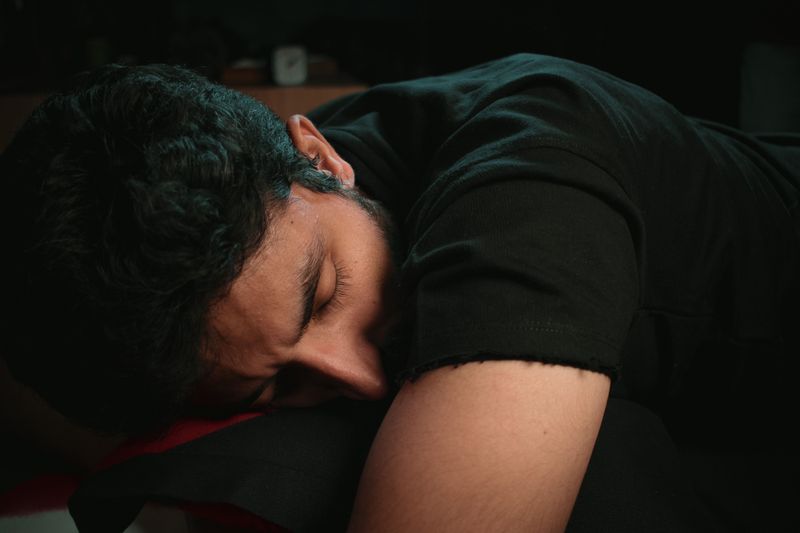
Loneliness has a way of making time feel heavy and slow.
When someone feels disconnected from others and does not have plans, people to call, or places to be, sleep can quietly step in to fill those empty hours in a way that feels manageable.
This is not always a conscious choice.
Sometimes a person simply finds themselves sleeping more without fully understanding why.
The connection between loneliness and extended sleep is real, and researchers have noted that socially isolated individuals often report higher sleep durations alongside lower overall wellbeing.
Building even small social connections can shift this pattern noticeably.
A regular check-in with a friend, joining a local group, or even chatting with a neighbor can reduce that quiet heaviness and make waking hours feel worth getting up for.
13. Recharging Alone Is Non-Negotiable for Them

After a weekend packed with social events, family gatherings, or intense work demands, some people feel genuinely depleted in a way that only solitude and rest can fix.
For introverts and highly sensitive individuals, alone time is not optional.
It is how they refuel.
Extended sleep often follows periods of high social or emotional demand.
The body uses rest to process everything that happened and gradually restore the inner resources that were used up.
Skipping this recovery time can leave a person feeling off-balance and irritable for days.
Honoring this need without guilt is important.
Recognizing that recharging alone is a personality trait rather than a flaw helps people plan their schedules more realistically, making space for the rest they need without feeling like they are falling behind everyone else.
14. Carrying Hidden Stress Without Showing It

Some of the most stressed people in any room are the ones who look completely fine.
They smile, they answer questions, they show up.
But underneath, they are carrying a weight that nobody else can see, and that invisible load takes a serious toll on their energy levels.
Hidden stress does not disappear just because it is not expressed out loud.
It accumulates quietly, showing up as fatigue, low mood, and a persistent need for more sleep than usual.
The body registers what the mind tries to hide, and it responds accordingly.
Acknowledging the stress, even privately through journaling or talking to someone trusted, can begin to release some of that pressure.
People who carry silent stress often find that simply naming what they feel helps them sleep more restoratively and wake up feeling less depleted overall.
15. Dreams Offer a Temporary World of Their Own
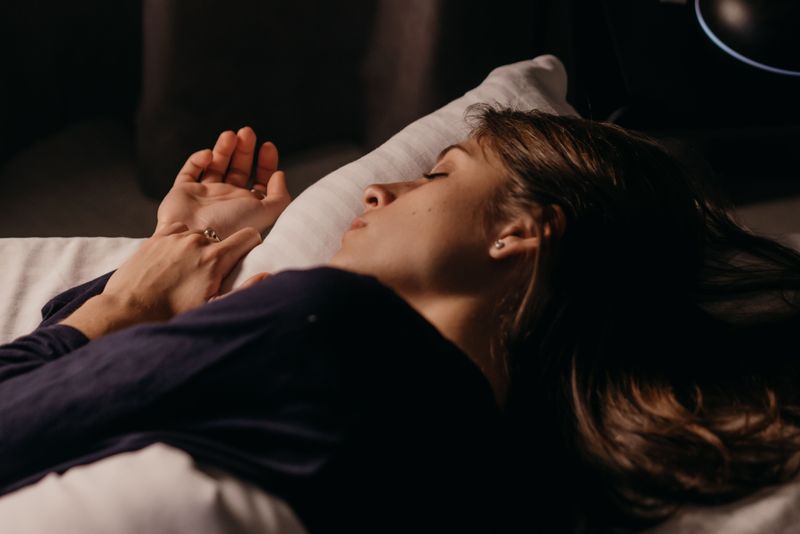
Not everyone sees sleep as just a biological necessity.
For some people, the dream world holds a genuine appeal.
Dreams can be vivid, adventurous, emotional, or comforting in ways that waking life sometimes is not, making the act of falling asleep feel like stepping into something worth looking forward to.
People who find comfort in dreaming may unconsciously extend their sleep to spend more time in that state.
Rem sleep, the stage where most dreaming occurs, becomes longer during extended sleep periods, giving the brain more time to create and explore those inner landscapes.
While dreaming can be a healthy and creative part of sleep, relying on it as a primary source of comfort is worth noticing.
Nurturing joy and meaning in waking life can make both worlds, awake and asleep, feel far more rewarding and balanced.