 MomSkoop

The moment you walk through your front door, what’s the first thing you do? For millions of people, the answer is simple: swap those stiff jeans or work clothes for something soft, loose, and wonderfully comfortable.
This small habit might seem like no big deal, but it actually says a lot about who you are. People who make this swap every single day tend to share some pretty interesting traits that go way beyond just loving sweatpants.
1. Comfort Over Appearances
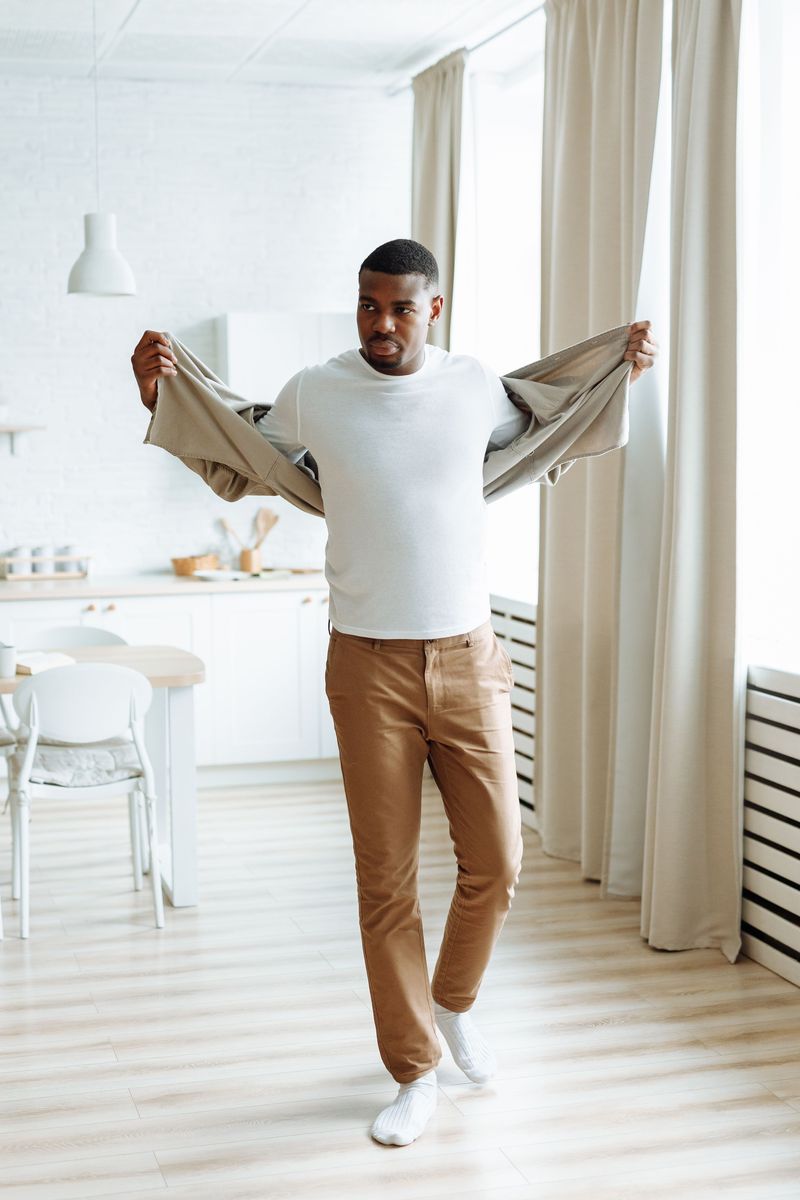
Some people spend all day carefully dressed for the world, but the second they’re home, appearances take a back seat.
People who rush to change into comfy clothes simply don’t feel the need to impress anyone within their own four walls.
Home is their space, and looking polished there feels unnecessary.
This isn’t laziness — it’s a healthy sense of priorities.
They understand that comfort and self-image don’t have to compete.
Once the front door closes, the performance is over.
Choosing a worn-in hoodie over tailored trousers at home shows genuine confidence.
These folks know their worth isn’t tied to how they look, and that quiet self-assurance is honestly pretty admirable.
2. Masters at Mentally Switching Off
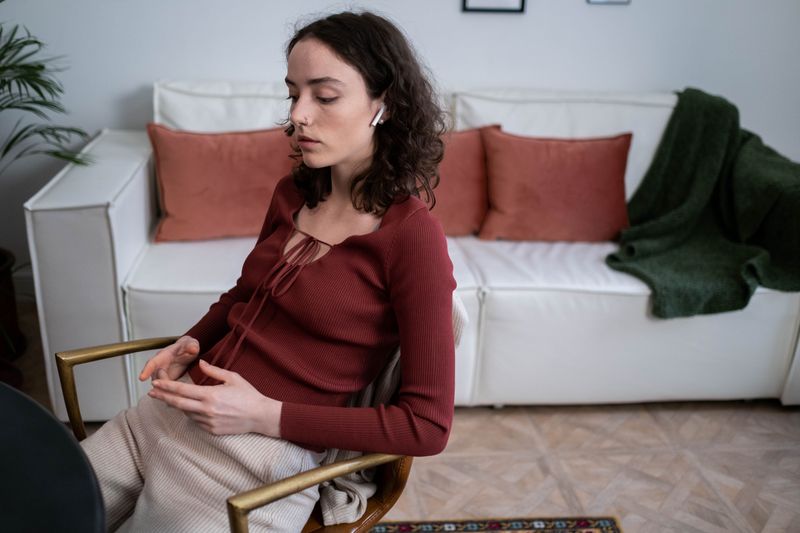
Changing clothes isn’t just a physical act — for many people, it’s a mental reset button.
The moment the work outfit comes off and the soft loungewear goes on, the brain gets a clear signal: the day’s obligations are officially done.
It’s a surprisingly powerful psychological trick.
Research in behavioral psychology suggests that what we wear influences how we think and feel.
Swapping a blazer for a cozy fleece can genuinely help the mind shift gears from “work mode” to “rest mode.”
People who do this regularly are usually better at leaving stress at the door.
They’ve figured out how to mentally clock out, which makes them calmer, more present, and way more fun to be around at home.
3. Appreciators of Simple Pleasures

There’s a kind of magic in pulling on a pair of buttery-soft sweatpants after a long day.
People who change into comfy clothes immediately understand this joy on a deep level.
They don’t need grand gestures or expensive experiences to feel satisfied — the little things genuinely light them up.
Soft fabric against the skin, the warmth of a favorite hoodie, the relief of elastic waistbands — these sensations feel like small but meaningful luxuries.
And honestly?
They are.
Appreciating simple pleasures is actually linked to greater overall happiness and life satisfaction.
People who notice and savor everyday comfort tend to feel more grateful and content, even on tough days.
That’s a genuinely wonderful way to move through the world.
4. Creators of Cozy Environments
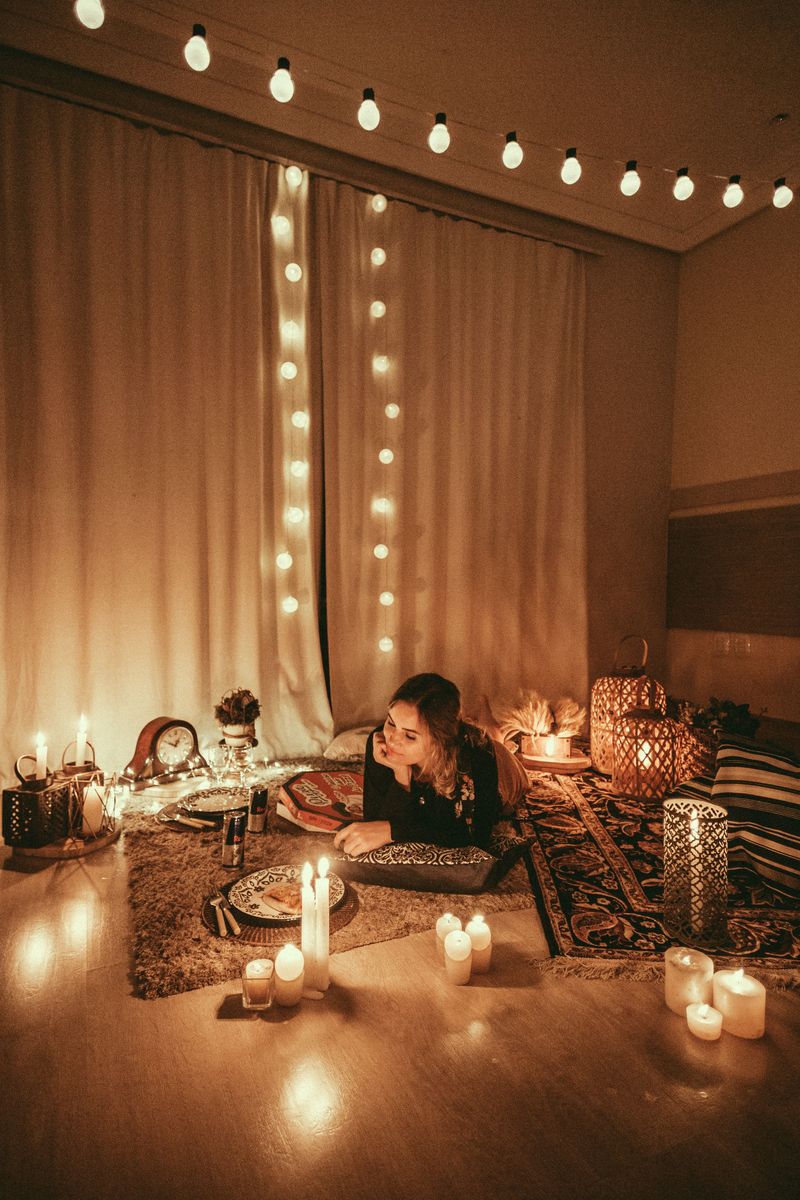
Changing into comfy clothes is usually just one piece of a bigger picture.
People with this habit often go the extra mile to make their entire home feel like a sanctuary.
Soft lighting, warm blankets, scented candles — they put real thought into creating a space that feels good to exist in.
This kind of intentional coziness isn’t about being fancy.
It’s about understanding that your environment shapes your mood.
A comfortable home helps you decompress faster and recharge more fully.
Interior designers sometimes call this the “hygge” effect — a Danish concept centered on coziness and well-being.
People who prioritize comfy clothes at home often embrace this philosophy naturally, turning their living spaces into genuine retreats from the outside world’s noise and pressure.
5. Clear Boundary Setters Between Work and Home Life
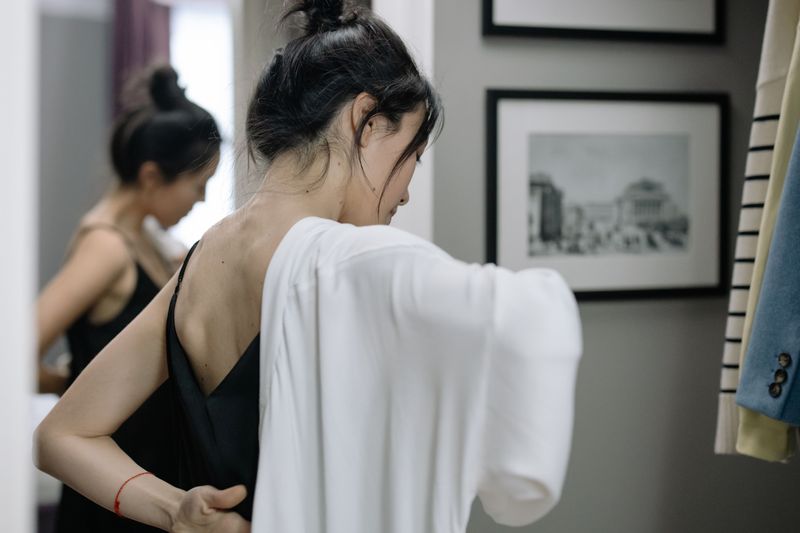
Work life and home life are two very different worlds, and people who change clothes right away understand this instinctively.
That wardrobe swap acts like an invisible boundary line — a clear, physical signal that separates “outside mode” from “home mode.” It’s a boundary that protects their personal time.
Setting this kind of limit is genuinely healthy.
Without clear transitions, work stress can bleed into home time, making it hard to truly rest.
A simple clothing change creates a mental checkpoint that says, “This part of my day is mine.”
Psychologists often recommend creating rituals to help with work-life balance.
Changing clothes is one of the easiest and most effective ones out there — simple, free, and surprisingly powerful for protecting your peace of mind.
6. Deeply in Tune With Their Physical Comfort
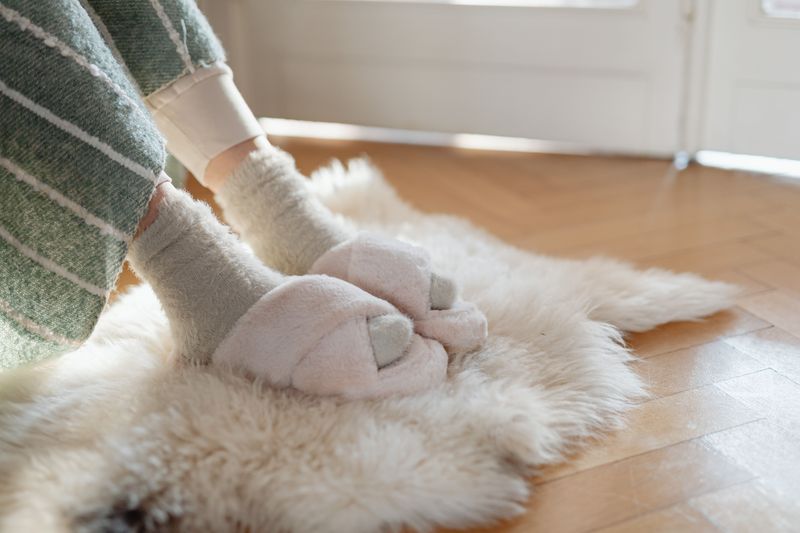
Have you ever worn something all day that pinched, scratched, or just felt wrong — but kept it on anyway because you thought you had to?
People who change clothes the moment they get home don’t play that game.
They notice physical discomfort quickly and don’t hesitate to do something about it.
Being in tune with your body’s signals is a form of self-awareness that many people overlook.
Tight waistbands, stiff collars, and rigid shoes all create low-level physical stress that adds up throughout the day.
Removing those pressures as soon as possible isn’t being dramatic — it’s being smart.
People who prioritize physical comfort tend to have lower stress levels overall, simply because they listen to what their bodies are telling them and actually respond.
7. Routine-Oriented Personalities
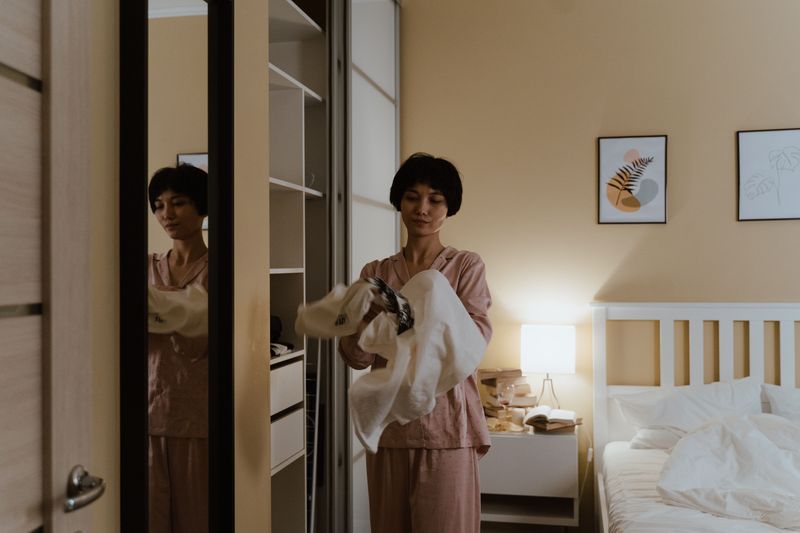
Slipping into comfy clothes isn’t random for these people — it’s a ritual.
Part of a reliable evening sequence that might also include making tea, feeding a pet, or putting on a favorite playlist.
Routines like these create structure, and structure helps the brain feel safe and settled.
Behavioral scientists have found that consistent evening routines significantly improve sleep quality and reduce anxiety.
The predictability of a routine tells your nervous system that everything is okay and it’s time to wind down.
People who love their comfy-clothes ritual often have other healthy habits stacked alongside it.
They’re the types who meal prep on Sundays, keep tidy spaces, and get to bed at a reasonable hour.
Their evening wardrobe change is just the first domino in a well-organized night.
8. Practical Thinkers Who Protect Their Wardrobe
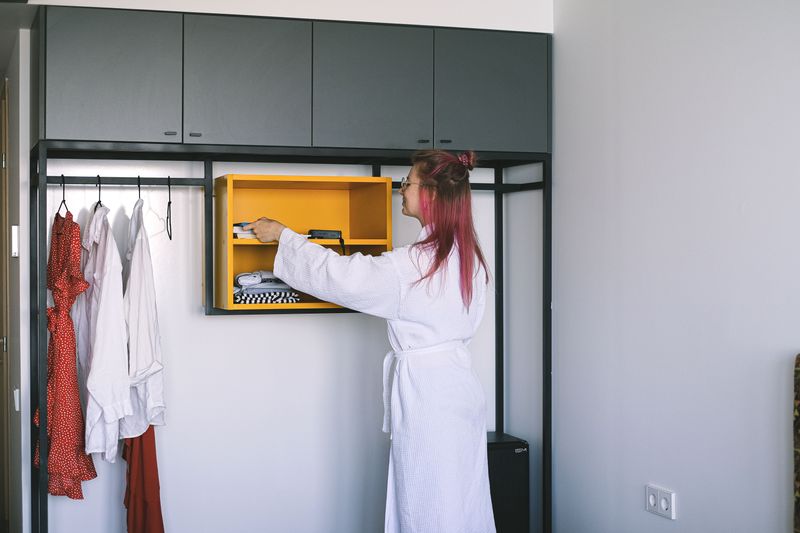
Here’s a thought that practical people have all the time: why would you lounge around in your nice clothes and risk staining, stretching, or wrinkling them?
People who change into comfy clothes right away are often motivated by pure, sensible logic.
They’d rather keep their better outfits in good condition.
This practicality extends beyond clothing.
These folks tend to think ahead in many areas of life — they carry an umbrella before it rains and keep their car’s gas tank above a quarter full.
Protecting nice things just makes sense to them.
It’s a small habit that saves real money over time.
Clothes that aren’t worn unnecessarily last longer.
And that means fewer replacements and a wardrobe that stays looking sharp when it actually matters — out in the world.
9. Recharged by Downtime
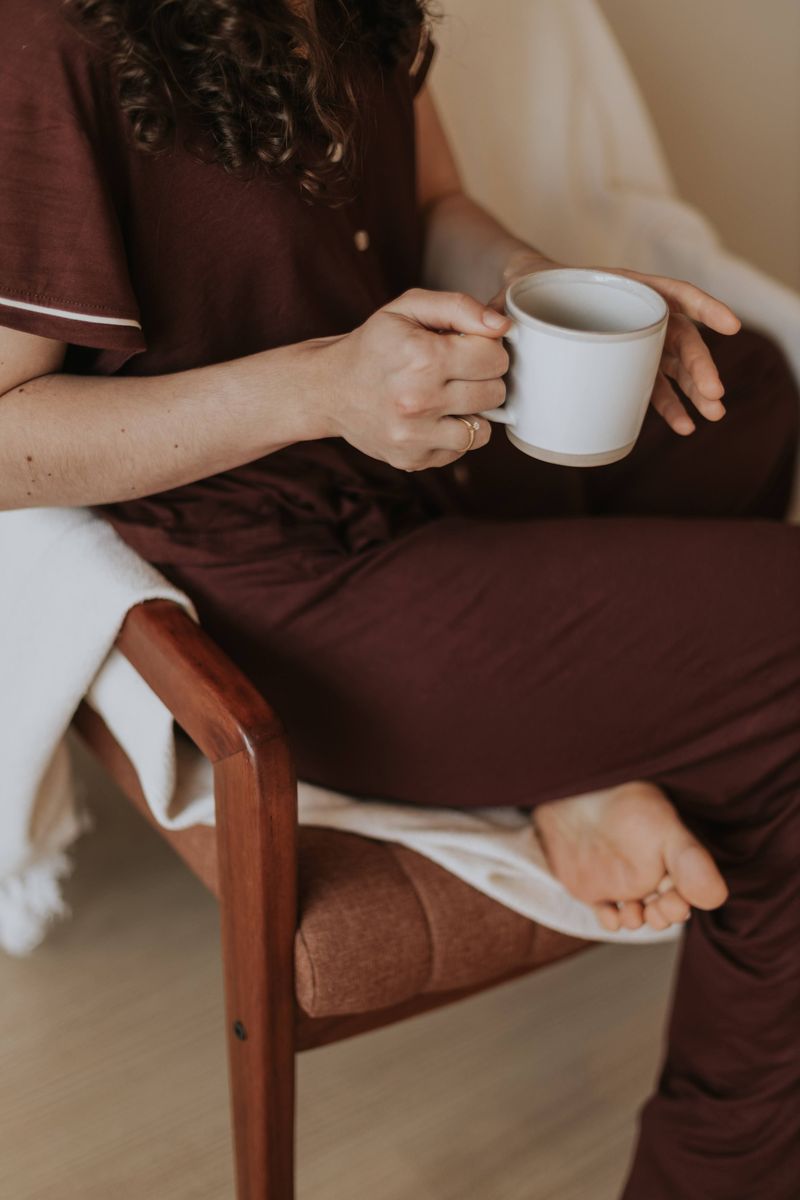
Whether someone is a full-on introvert or simply a busy human running on fumes, downtime is non-negotiable for them.
People who change into comfy clothes the second they arrive home usually understand something important: rest isn’t a reward for finishing everything — it’s a requirement for functioning well.
Wearing comfortable clothing actually supports physical recovery.
Loose, soft fabrics don’t restrict blood flow the way fitted work clothes can, which helps the body relax more efficiently after hours of activity and sitting.
These are the people who guard their evenings fiercely.
They say no to last-minute plans that feel draining.
They know that showing up fully tomorrow requires genuinely recharging tonight.
Cozy clothes are less about fashion and more about giving their body and mind what they actually need.
10. Self-Care Champions in Small Ways
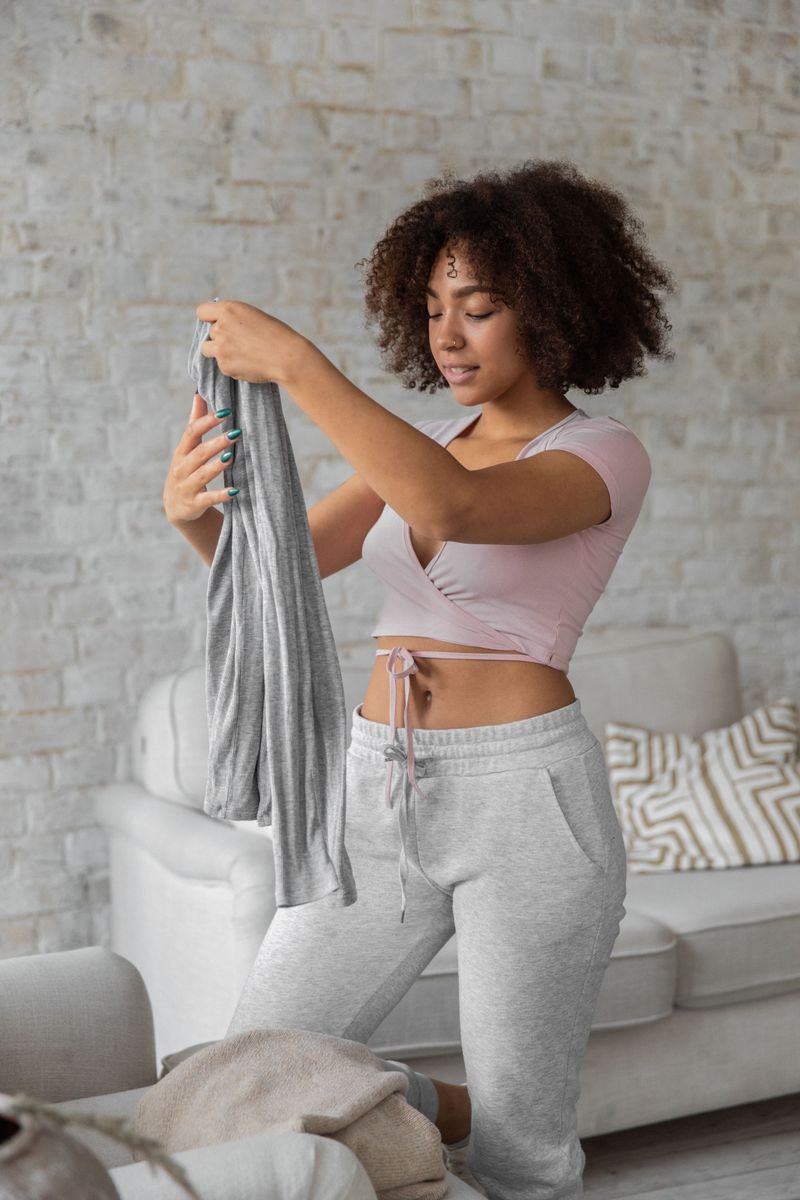
Self-care doesn’t always mean spa days and expensive treatments.
Sometimes it looks like pulling on your favorite worn-in sweatshirt and letting out the longest sigh of relief.
People who make that clothing change a priority are quietly practicing self-care in one of its most honest forms every single day.
Small daily habits compound over time.
Choosing comfort at home — even in something as minor as what you wear — signals to yourself that your comfort matters.
That message, repeated daily, builds genuine self-respect.
Studies on habit formation show that tiny, consistent acts of self-kindness improve mental well-being significantly over time.
Changing into comfy clothes might seem trivial, but it’s a daily vote for your own comfort and happiness.
And those votes add up in a big way.
11. Free From Social Expectations at Home
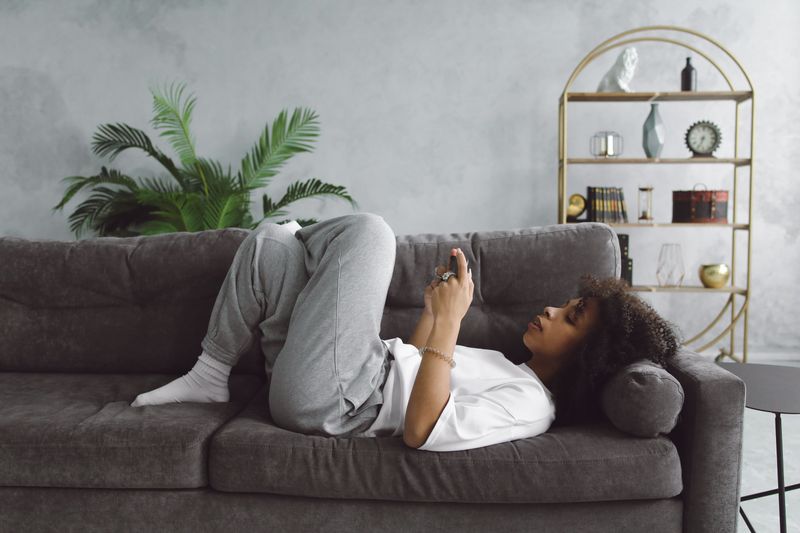
Out in the world, most of us perform a little.
We dress for our jobs, our colleagues, our social circles.
But at home?
People who change into comfy clothes immediately are done performing.
Home is where the social rulebook gets tossed out the window, and they love it that way.
This freedom from external expectations is genuinely healthy.
Constantly managing how others perceive you is exhausting.
Having a space — and a wardrobe — where none of that applies gives the mind real room to breathe.
These folks don’t stress about looking put-together in front of their houseplants or their dog.
They’ve created a private world with different rules, and within those walls, comfort and ease outrank every social expectation that governed their day.
It’s quietly liberating.
12. Authentically Themselves Behind Closed Doors
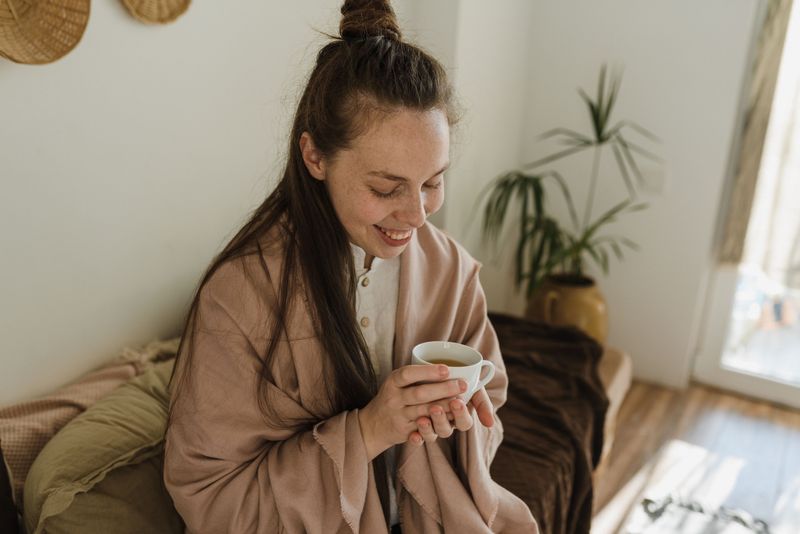
Authenticity is a word that gets thrown around a lot, but people who change into comfy clothes the moment they’re home actually live it.
They’re not interested in keeping up a polished image around the clock.
Once they step through the front door, the curated version of themselves clocks out for the night.
Letting your guard down at home — wearing the stretched-out leggings, the old college hoodie, the socks with the tiny hole — is an act of self-acceptance.
It says, “I’m enough exactly as I am right now.”
People who embrace this kind of authenticity at home often bring more genuine energy to their relationships too.
When you’re comfortable being real with yourself, being real with others comes a whole lot easier.
That’s a trait worth celebrating.