 MomSkoop

Some people carry heavy burdens without ever saying a word about it. They learned early on that the world could be unpredictable, and they adapted in ways that helped them survive — but often at a real cost.
These quiet coping habits didn’t appear out of nowhere; they were lessons shaped by difficult childhood experiences. Understanding where these patterns come from can help us show more compassion — for others, and for ourselves.
1. Don’t Be a Burden
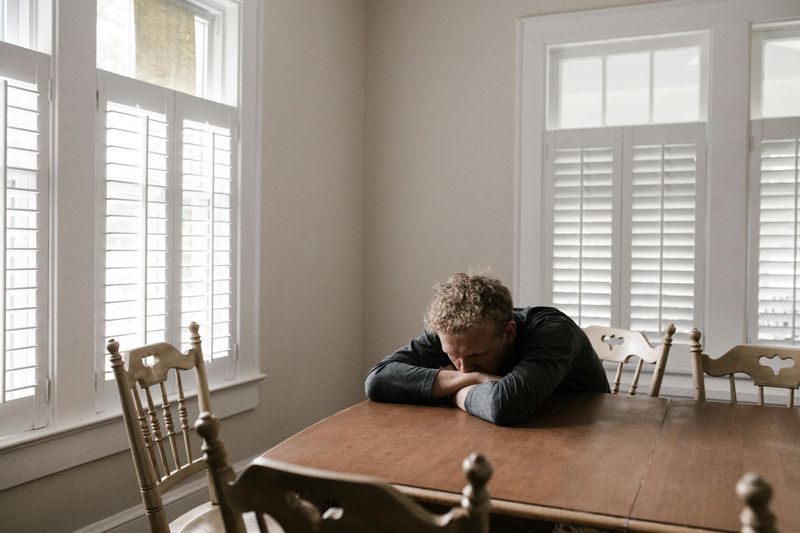
There’s a particular kind of loneliness that comes from shrinking yourself so others won’t have to deal with you.
Many people who suffered early in life learned that their needs were “too much” — so they stopped expressing them altogether.
They became experts at handling pain privately, swallowing emotions before anyone could notice.
Over time, suppressing needs felt safer than risking rejection or frustration from the people they depended on.
Breaking this pattern starts with recognizing that having needs is human, not a weakness.
You are not an inconvenience for needing support, connection, or care.
Reaching out doesn’t make you a burden — it makes you honest.
2. Handle Everything Alone

Asking for help can feel terrifying when you grew up in an environment where relying on others led to disappointment — or worse.
Self-reliance becomes the default setting, not by choice, but by necessity.
When no one consistently showed up for you, you learned to show up for yourself.
That’s genuinely impressive.
But it can also leave you exhausted, isolated, and struggling to accept support even when it’s freely offered.
Real strength includes knowing when to let others in.
Carrying everything alone isn’t a badge of honor — it’s a sign that somewhere along the way, you stopped believing help was available to you.
3. Stay Quiet to Stay Safe

Words can get you in trouble.
That’s a lesson some children learn painfully early.
When speaking up led to conflict, punishment, or being dismissed, staying quiet became the smartest strategy in the room.
Silence felt like armor.
It kept things calm, kept attention away, and kept you out of the line of fire.
Over time, that protective quiet became a habit — one that followed many people straight into adulthood.
But silence has limits.
It protects you from conflict while also keeping you from being truly seen or heard.
Learning that your voice deserves space — even when it shakes — is one of the most powerful things you can reclaim.
4. Read the Room Constantly

Hypervigilance sounds like a clinical word, but it starts in ordinary moments — a child scanning their parent’s face the second they walk through the door, trying to figure out what kind of night it’s going to be.
Reading the room isn’t a superpower; it’s a survival skill.
Kids who grew up in unpredictable or tense households became incredibly attuned to body language, tone of voice, and subtle emotional shifts in others.
As adults, this shows up as an almost uncomfortable awareness of other people’s moods.
It can be exhausting.
You deserve environments where you don’t have to constantly brace for what’s coming next.
5. Emotions Must Be Controlled

Crying got you called weak.
Anger got you punished.
Showing fear made things worse.
So you learned to keep it all locked up tight, presenting a calm face no matter what storm was happening underneath.
Emotional control isn’t always a healthy discipline — sometimes it’s a trauma response dressed up as maturity.
Many children who learned to suppress their feelings became adults who genuinely struggle to identify or express what they’re feeling.
Feelings aren’t flaws.
They’re information.
Allowing yourself to feel angry, sad, or scared without judgment is not losing control — it’s finally giving yourself permission to be fully human after years of holding everything inside.
6. Love Can Be Inconsistent

Imagine waiting for affection that sometimes comes and sometimes doesn’t — and never knowing which version of love today will bring.
That kind of unpredictability leaves a mark that lasts well beyond childhood.
When love was conditional or inconsistently given, children learned to walk on eggshells emotionally.
They either worked hard to earn affection or eventually stopped expecting it altogether, both of which shape how they connect with others later in life.
Healthy love is steady.
It doesn’t disappear when you make mistakes or fail to perform.
Understanding that you deserve consistent, reliable affection — not love that must be constantly re-earned — is a genuinely healing realization.
7. Expect Disappointment

Hope is a vulnerable thing.
When it gets crushed enough times, the mind finds a clever workaround: stop hoping so much in the first place.
Expecting disappointment feels like protection — if you already assume the worst, you can’t be blindsided by it.
This mindset often develops in people who experienced repeated letdowns from the people or situations they counted on most.
It’s not pessimism for its own sake — it’s a shield that was built out of genuine self-defense.
The tricky part?
That shield can block out good things too.
Practicing cautious optimism — letting yourself hope while also being resilient — is a skill worth slowly rebuilding, one small expectation at a time.
8. Be Strong No Matter What

“Toughen up.” “Don’t cry.” “You’re fine.” These phrases, repeated often enough, teach children that endurance is a virtue and vulnerability is a liability.
Resilience gets redefined as simply not breaking — no matter the pressure.
People who absorbed this lesson early often become remarkably capable adults.
They push through pain, meet deadlines, and hold things together when others fall apart.
But beneath all that capability can be a person who has never been allowed to rest or fall.
True strength includes softness.
It means knowing when to pause, when to grieve, and when to ask for a break.
Enduring everything silently isn’t courage — it’s survival wearing courage’s clothing.
9. Overthink Everything

Overthinking isn’t a personality quirk — for many people, it’s a learned behavior rooted in the need to prevent things from going wrong.
When mistakes had real consequences early in life, the brain learned to analyze every angle before acting.
Running through every possible scenario, replaying conversations, anticipating problems before they arise — these habits feel protective.
And sometimes they are.
But they also drain enormous mental energy and make even simple decisions feel overwhelming.
Recognizing that not every situation requires maximum mental effort is genuinely freeing.
You don’t have to solve every problem before it happens.
Some things are safe enough to simply experience as they unfold, without a ten-step backup plan ready.
10. Earn Your Worth

Worth shouldn’t have to be earned.
But for children who only received attention, praise, or affection when they performed — got good grades, stayed quiet, helped out, or succeeded — that’s exactly what love started to feel like: a transaction.
The belief that you must constantly prove your value through productivity, achievement, or usefulness doesn’t disappear when childhood ends.
It shows up in adults who overwork, over-apologize, and feel deeply uncomfortable simply existing without contributing something.
You were worthy before you ever accomplished a single thing.
Your value as a person isn’t tied to your output or how useful you are to others.
That truth is simple, but for many people, it takes years to genuinely believe it.
11. Trust Carefully — or Not at All
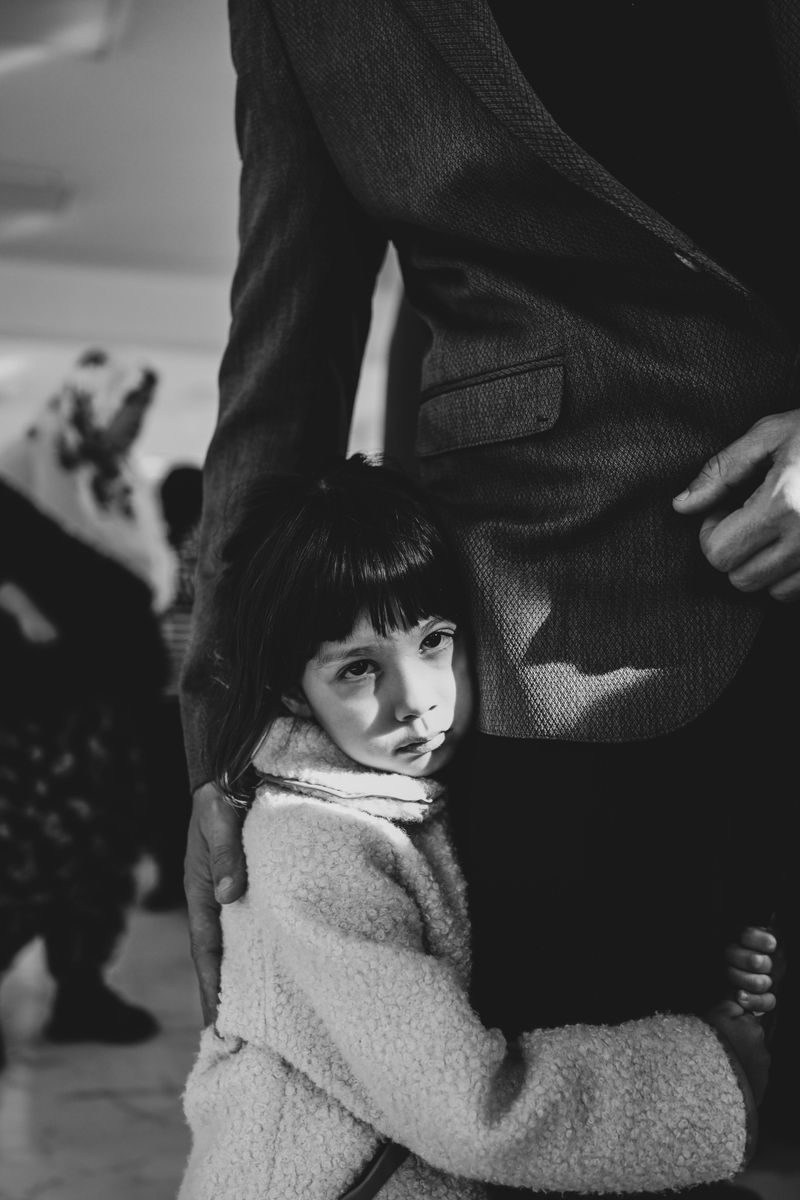
Trust is built through consistency, and broken through betrayal.
When you experience enough of the latter early on, the brain starts treating trust itself as the danger — something to be rationed carefully, if offered at all.
People who grew up in environments where trusted adults were unpredictable, absent, or harmful often carry that wariness into every relationship they form.
It’s not rudeness or coldness — it’s a very logical response to a very real history.
Building trust as an adult after early betrayal is slow, uncomfortable work.
But it is possible, especially with people who show up consistently over time.
Safety isn’t something you have to earn alone — sometimes, it’s something others build for you.
12. Take Responsibility Early

Some kids grow up fast — not because they chose to, but because someone had to.
Whether it was caring for younger siblings, managing household tasks, or emotionally supporting a struggling parent, they stepped into adult roles long before they were ready.
This kind of early responsibility often creates deeply capable, empathetic adults.
But it also creates people who never quite learned how to just be kids — how to play without guilt, rest without purpose, or exist without being needed by someone.
Growing up too quickly leaves a quiet grief behind it.
Healing sometimes means giving yourself permission to reclaim the lightness you missed — the parts of life that are simply joyful, with no responsibility attached.
13. Keep Going Even When Exhausted

Rest can feel like a reward you haven’t quite earned yet.
For people who grew up in survival mode — where stopping meant falling behind, or where stillness felt unsafe — pushing through exhaustion isn’t just a habit.
It’s an identity.
“Keep going” was the only acceptable option for a long time.
So the body and mind learned to override fatigue signals, to treat rest as laziness, and to keep moving no matter how depleted the tank actually is.
But the body always keeps score.
Chronic exhaustion, burnout, and emotional numbness are often the long-term price of never stopping.
Rest is not a luxury — it is maintenance.
You are allowed to stop.
You are allowed to recover.