 MomSkoop
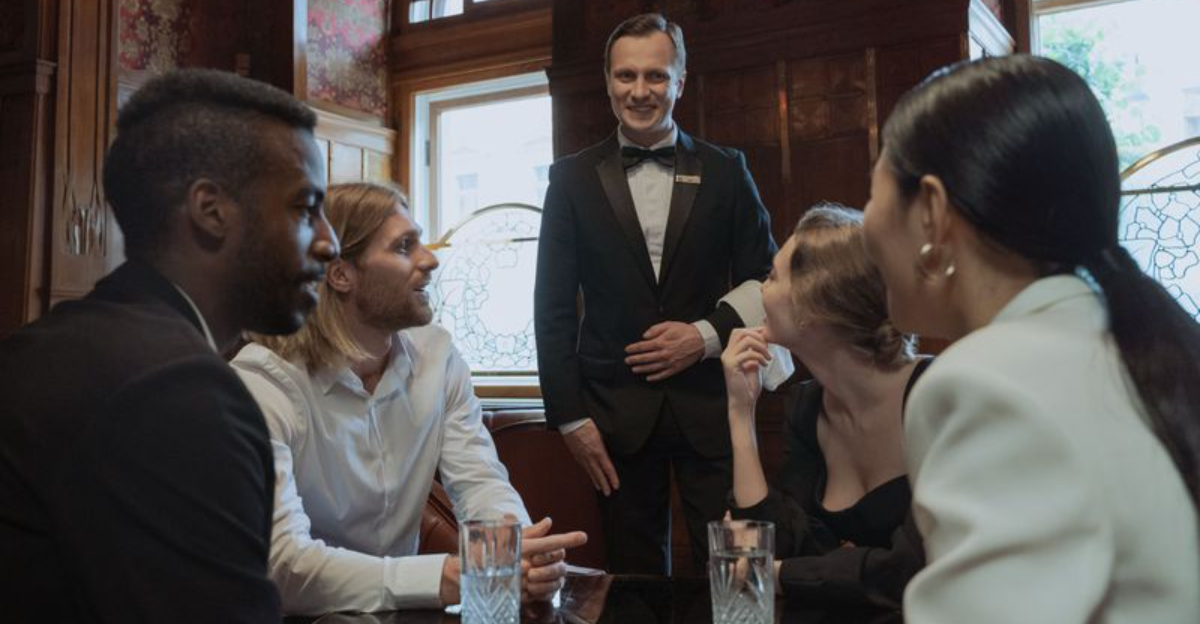
Good manners never go out of style. Whether you are at a fancy dinner or just hanging out with friends, how you treat others says a lot about who you are.
People with classic manners follow certain timeless rules that make everyone around them feel respected and valued. These habits are simple to learn, and they can make a big difference in your relationships and daily life.
1. Say Please and Thank You

Two small words carry an enormous amount of power.
Saying “please” and “thank you” shows the people around you that you appreciate their time and effort.
It costs nothing, yet it means everything to the person on the receiving end.
Studies have shown that expressing gratitude regularly can improve your own mood as well as the mood of those around you.
Whether you are asking a friend to pass the salt or thanking a teacher for extra help, these words build trust and warmth.
People remember how you made them feel, and a simple “thank you” leaves a lasting positive impression that no fancy gift can replace.
2. Greet People When You Arrive and Say Goodbye When You Leave
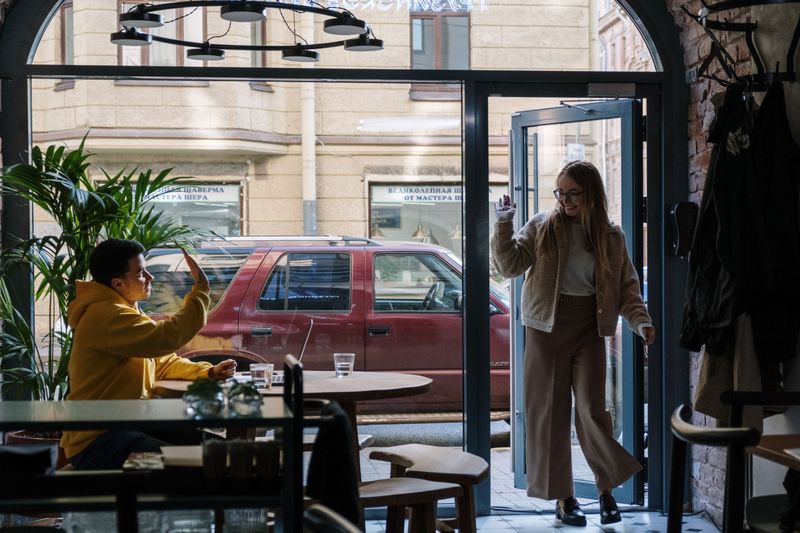
Walking into a room without acknowledging anyone is one of the quickest ways to seem cold or dismissive.
A warm greeting signals that you see people and that their presence matters to you.
Something as simple as “Good morning!” can completely change the energy of a room.
Saying goodbye is just as meaningful.
Leaving without a word can feel abrupt and even rude, even if you did not mean it that way.
A quick farewell shows respect and closes the interaction on a positive note.
People with classic manners understand that both the beginning and the end of an encounter matter equally.
Greetings and goodbyes are tiny rituals that build genuine human connection.
3. Hold the Door for the Person Behind You
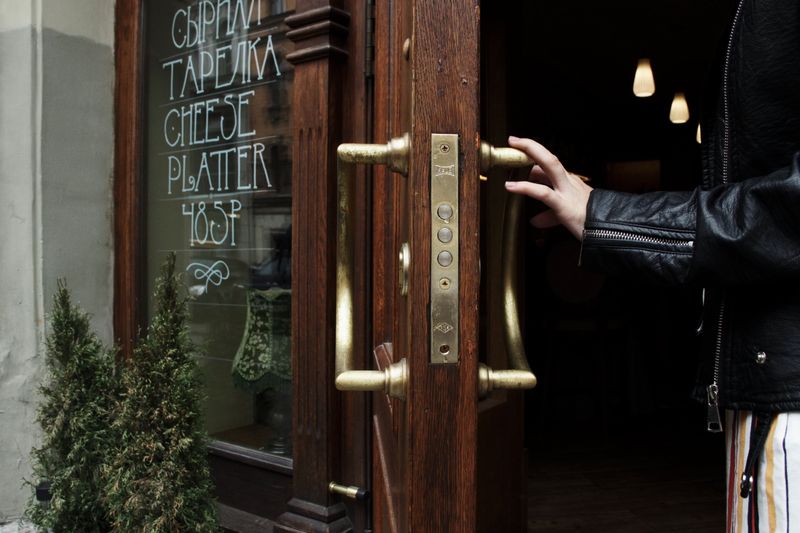
Holding the door open for someone is one of those small gestures that speaks volumes about your character.
It takes only a second, but it tells the person behind you that you noticed them and cared enough to wait.
This rule is not just about being old-fashioned or formal.
It is about basic human kindness.
When you hold a door, you are saying, “You matter too.” That feeling of being seen and considered is something everyone appreciates, regardless of age or background.
People with classic manners do this automatically, without expecting a reward.
Over time, these small acts of consideration add up and create a reputation for being someone others genuinely enjoy being around.
4. Do Not Interrupt When Someone Is Speaking

Imagine sharing an exciting story and being cut off mid-sentence.
It feels dismissive, right?
Interrupting someone while they are talking sends the message that what you have to say is more important than what they are sharing.
That is never a great impression to make.
Active listening is one of the most underrated social skills out there.
When you wait your turn and truly hear what someone is saying, conversations become richer and more meaningful.
People feel valued when they are not talked over.
A classic rule of good manners is to keep your thoughts ready but your mouth quiet until the other person has finished.
Patience in conversation is a quiet form of deep respect.
5. Be Punctual and Respect Other People’s Time

Showing up late repeatedly sends a clear message, even if unintentional: that your time matters more than theirs.
Punctuality is a form of respect that many people overlook, but those with classic manners take it seriously.
Being on time shows you planned ahead and that you value the other person’s schedule.
Of course, emergencies happen and delays are sometimes unavoidable.
The key is to communicate as early as possible if you are running late.
A quick message goes a long way in keeping trust intact.
Habitual lateness, on the other hand, erodes relationships over time.
People who consistently show up on time are seen as dependable and considerate, two qualities that open many doors in both personal and professional life.
6. Put Your Phone Away During Meals and Conversations

There is something almost magical about a conversation where everyone is fully present.
No buzzing notifications, no screens glowing in the background, just real people connecting face to face.
Yet in today’s world, that experience has become surprisingly rare.
Keeping your phone put away during meals and conversations shows the people you are with that they have your full attention.
Scrolling through your phone while someone is talking is a modern form of rudeness that many people feel but few say out loud.
Classic manners adapt to the times, and this rule is the updated version of an age-old principle: give the person in front of you your undivided respect.
Presence is the greatest gift you can offer.
7. Send a Thank You Message After Receiving a Gift or Special Favor
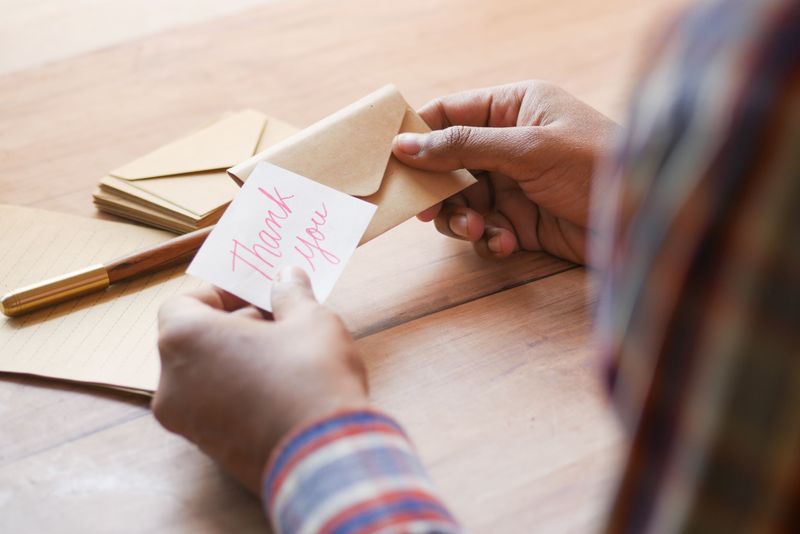
Someone took time out of their day, spent money, or went out of their way to do something kind for you.
The least you can do is acknowledge it.
A thank you message, whether handwritten or digital, closes the loop and lets the giver know their effort was noticed and appreciated.
Handwritten notes carry a special charm because they require effort.
But even a heartfelt text message works beautifully when it is sincere.
The key is to be specific.
Instead of a generic “thanks,” try mentioning what the gift meant to you or how the favor helped.
Specific gratitude feels far more genuine.
People with classic manners never let a kind gesture go unacknowledged, and that habit builds loyalty and warmth in every relationship.
8. Introduce People Who Don’t Know Each Other
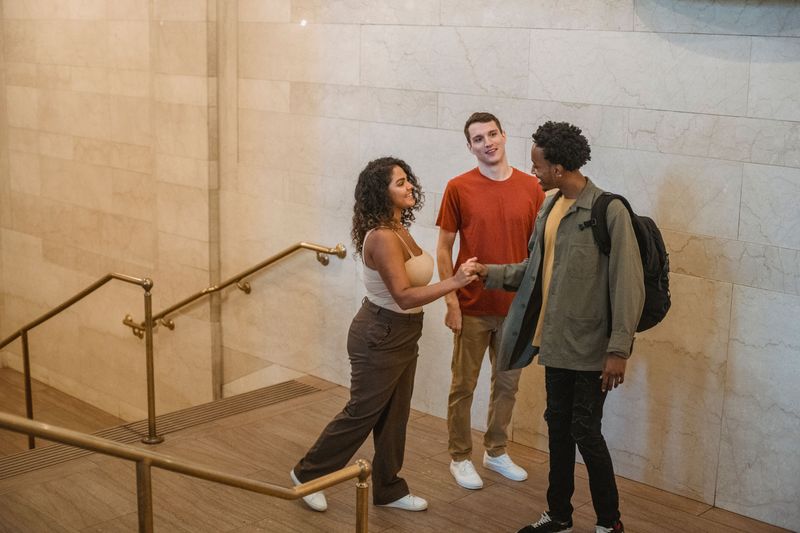
Picture walking into a party where you know no one and feeling completely invisible.
Now imagine someone stepping over and making a warm introduction.
That single act can transform an awkward moment into the start of a great friendship.
Introductions are a small effort with a huge social payoff.
People with classic manners never leave two acquaintances standing together in silence.
They bridge the gap by offering each person’s name and a quick detail that gives them something to talk about. “This is Maya, she loves hiking just like you do!” is a simple but powerful social gift.
Good introductions make everyone feel included and show that you are thoughtful enough to consider the comfort of those around you.
9. Offer Your Seat to Someone Who Needs It More

Giving up your seat might seem like a small thing, but to the person who is tired, elderly, pregnant, or carrying a heavy load, it is a genuinely meaningful act of kindness.
This rule has been around for generations because it reflects something deeply human: looking out for others.
You do not need a special occasion to practice this habit.
Waiting rooms, buses, trains, and crowded venues are all places where this rule applies.
Some people hesitate because they worry about offending someone.
The trick is to offer kindly and let the person decide.
A polite “Would you like to sit?” is always welcome.
Classic manners are rooted in empathy, and offering your seat is one of the purest expressions of that quality.
10. Chew With Your Mouth Closed and Practice Good Table Manners

Table manners might feel like an old-fashioned concept, but they matter more than most people realize.
Chewing with your mouth open, talking with food in your mouth, or reaching across someone’s plate are habits that make others uncomfortable, even if no one says anything at the time.
Good table manners show that you are aware of the people sharing your space and that you respect the shared experience of a meal.
Simple rules like placing your napkin on your lap, waiting until everyone is served before eating, and keeping your elbows off the table have stood the test of time for good reason.
They signal self-awareness and consideration.
Meals are a social ritual, and how you behave at the table reveals a lot about your character.
11. Avoid Discussing Private Matters or Embarrassing Someone in Public

Correcting someone in front of a crowd, sharing personal information without permission, or making a joke at someone else’s expense are all ways of embarrassing people publicly.
Even if it seems harmless, public humiliation leaves a mark that is hard to forget.
Classic manners call for handling sensitive topics in private, where the other person has space to respond without an audience.
Before sharing someone else’s news or bringing up a personal issue in a group setting, ask yourself: would this person want others to hear this?
If you are unsure, it is always better to wait.
Protecting someone’s dignity, even when they are not watching, is one of the highest forms of respect you can show another person.
12. Ask Before Borrowing or Using Someone Else’s Belongings

Grabbing something that belongs to someone else without asking might seem like no big deal, especially among close friends or family.
But assuming permission is never the same as receiving it.
Taking something without asking, even with the intention of returning it, can easily damage trust.
Asking first shows that you recognize the other person’s ownership and that their comfort matters to you.
It is a habit rooted in basic respect for boundaries.
The same applies to digital spaces too, like sharing someone’s photos or using their streaming accounts without checking first.
People with classic manners make asking a reflex, not an afterthought.
That simple habit of checking in before using what belongs to someone else keeps relationships smooth and built on mutual trust.
13. Respect Personal Space Boundaries and Differing Opinions

Not everyone thinks the same way, and that is actually a wonderful thing.
The challenge is learning how to disagree without dismissing the other person’s perspective.
Classic manners teach us that you can hold your ground firmly while still treating the other side with respect and dignity.
Personal space matters too, both physically and emotionally.
Standing too close, touching someone without consent, or pushing your opinions repeatedly after someone has clearly disagreed are all boundary violations.
Respecting where another person begins and where you end is a form of emotional intelligence.
People who do this well are known for making others feel safe and heard.
That kind of presence is rare and deeply valued in every type of relationship, from friendships to professional settings.
14. Treat Everyone With Courtesy Regardless of Their Job or Status
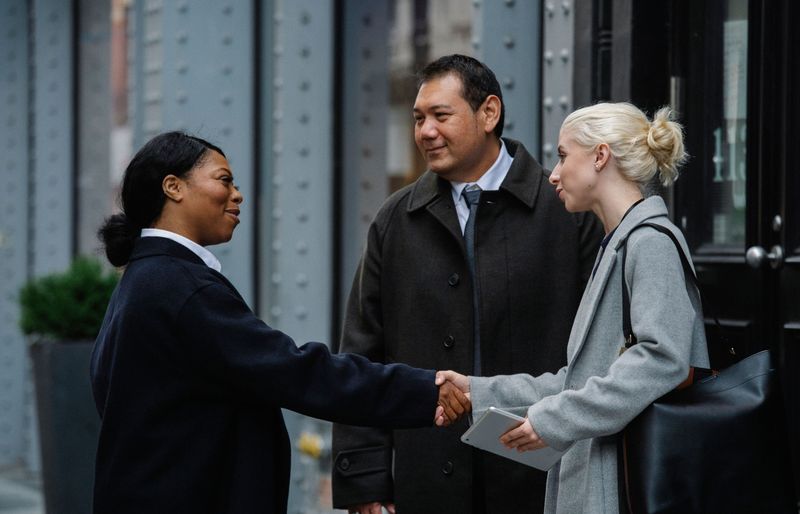
How you treat someone who can do nothing for you says everything about your character.
A person with classic manners is just as courteous to the janitor as they are to the CEO.
This consistency is what separates genuine kindness from strategic politeness.
It is easy to be nice to people who have power or influence.
The real test is how you behave toward those who are often overlooked: servers, cashiers, cleaning staff, and delivery workers.
These are the people who keep the world running smoothly every single day.
Acknowledging their effort with a smile, a kind word, or simple patience costs you nothing.
But for them, it can make an entire shift feel worthwhile.
True class is never about status.
It is about character.