 MomSkoop

What makes someone a truly good man? It goes beyond being polite or successful — it’s about how a person acts when no one is watching, how they treat people who can’t do anything for them, and how they handle the hard moments in life.
Psychologists have studied character and behavior for decades, and they’ve found some clear patterns that separate good men from the rest. These behaviors aren’t about perfection — they’re about integrity, empathy, and quiet strength.
1. They Notice Who’s Being Left Out of the Conversation

Some people have a radar for the forgotten ones in the room — the person standing alone at a party, the coworker no one addresses in a meeting.
A truly good man picks up on those moments and does something about them.
He redirects the conversation, makes eye contact, or simply walks over and says hello.
Psychologists call this social attunement — the ability to read a room and respond with empathy.
It takes emotional intelligence to notice who is being left out, and even more courage to do something about it.
That small act of inclusion can change someone’s entire day.
2. They’re the Same Person No Matter Who’s Watching

Consistency of character is one of the most telling signs of a good person.
Anyone can act kind when there’s an audience — but what happens when no one is looking?
A man with real integrity behaves the same way whether he’s with his boss, his friends, or a stranger on the street.
He doesn’t put on a different face depending on who might be judging him.
Research in psychology links this trait to authenticity — living in alignment with your actual values.
People who are consistent in their behavior tend to build deeper trust with others, because everyone around them knows exactly who they are.
3. They Don’t Need Credit for Doing the Right Thing

There’s a certain quiet confidence in doing good without waiting for applause.
A truly good man doesn’t need a thank-you to feel validated — he does the right thing because it aligns with who he is.
Psychologists point out that external validation rather than internal values often drive people who constantly seek recognition for their good deeds.
The man who anonymously helps a neighbor, stays late to fix a problem at work, or picks up litter without mentioning it to anyone — he’s operating from a different place.
His goodness isn’t a performance.
It’s just how he moves through the world, quietly and without fanfare.
4. They Give Credit More Easily Than They Take It

Watch how a man handles success — especially shared success.
Does he say “I did this” or “we did this”?
That small difference reveals a lot about character.
Good men are quick to point out the contributions of others.
They understand that lifting someone else up doesn’t shrink their own worth.
Psychologists tie this behavior to low ego-defensiveness and high emotional security.
A man who generously shares credit builds stronger teams, healthier relationships, and a reputation that actually earns respect.
People remember who made them feel seen and valued.
Giving credit freely is one of the most underrated leadership qualities a person can have.
5. They Can Be Corrected Without Collapsing or Retaliating
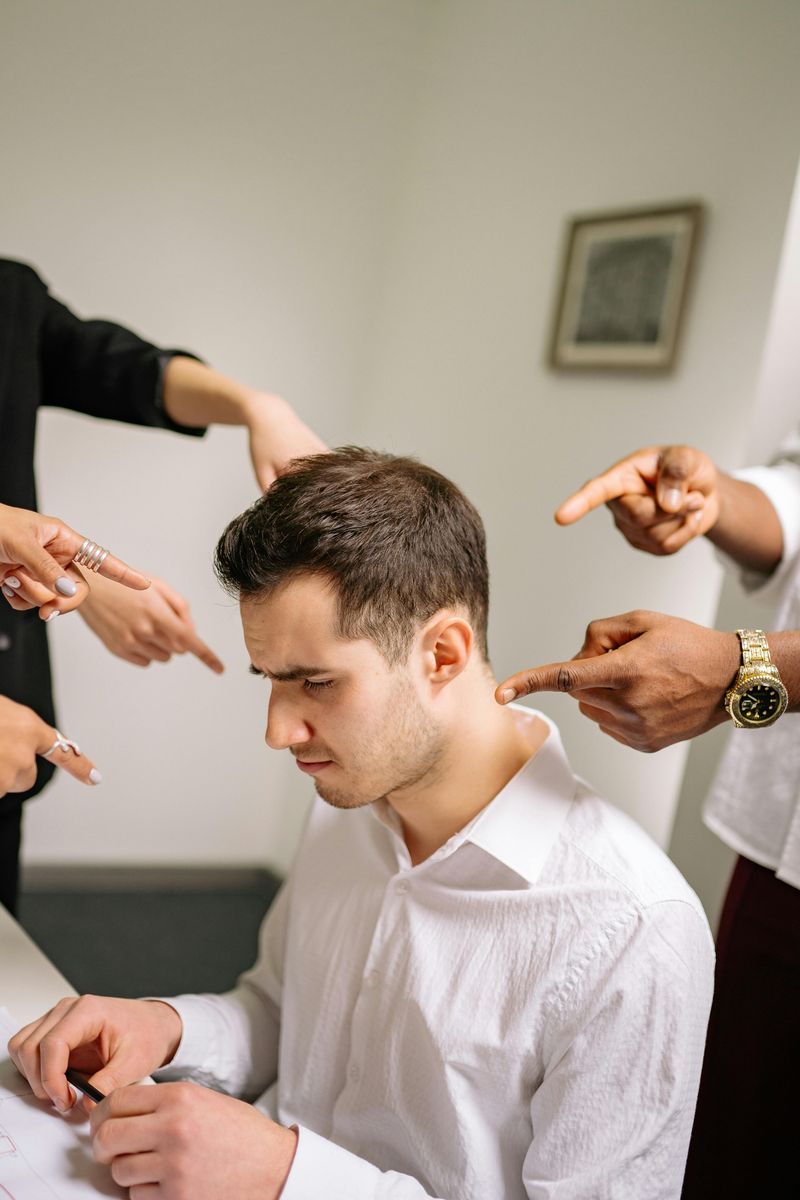
Being corrected stings — that’s just human nature.
But how a man responds to criticism says everything about his emotional maturity.
A good man can hear “you got that wrong” without shutting down, getting defensive, or turning it into a fight.
He separates his ego from his actions, understanding that being corrected doesn’t make him a failure — it makes him someone who’s still growing.
Psychologists describe this as having a growth mindset paired with emotional regulation.
Men who can accept feedback gracefully tend to improve faster, earn more trust, and create safer spaces for honest communication.
That kind of openness is genuinely rare and genuinely valuable.
6. They Don’t Belittle Other People to Feel Bigger
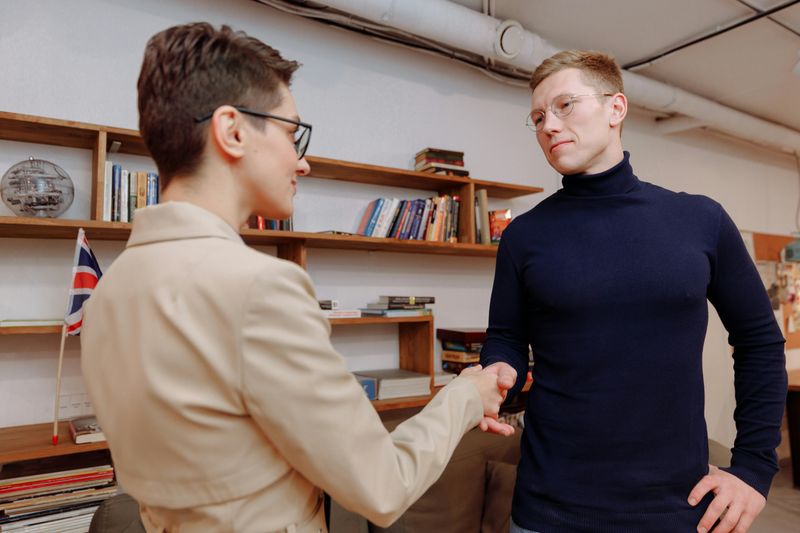
Putting someone else down to boost yourself is one of the oldest tricks in the insecurity playbook — and a good man simply doesn’t play that game.
Whether it’s a sarcastic comment about a coworker’s idea or a dismissive joke at someone’s expense, belittling behavior always comes from the same place: a need to feel superior.
Psychologists link this pattern to low self-esteem and fragile self-image.
A secure man doesn’t need to make others feel small.
He can acknowledge someone else’s strengths without feeling threatened.
His confidence doesn’t depend on comparison.
That kind of groundedness makes him someone others genuinely want to be around — not out of fear, but out of respect.
7. They Know the Difference Between Helping and Controlling
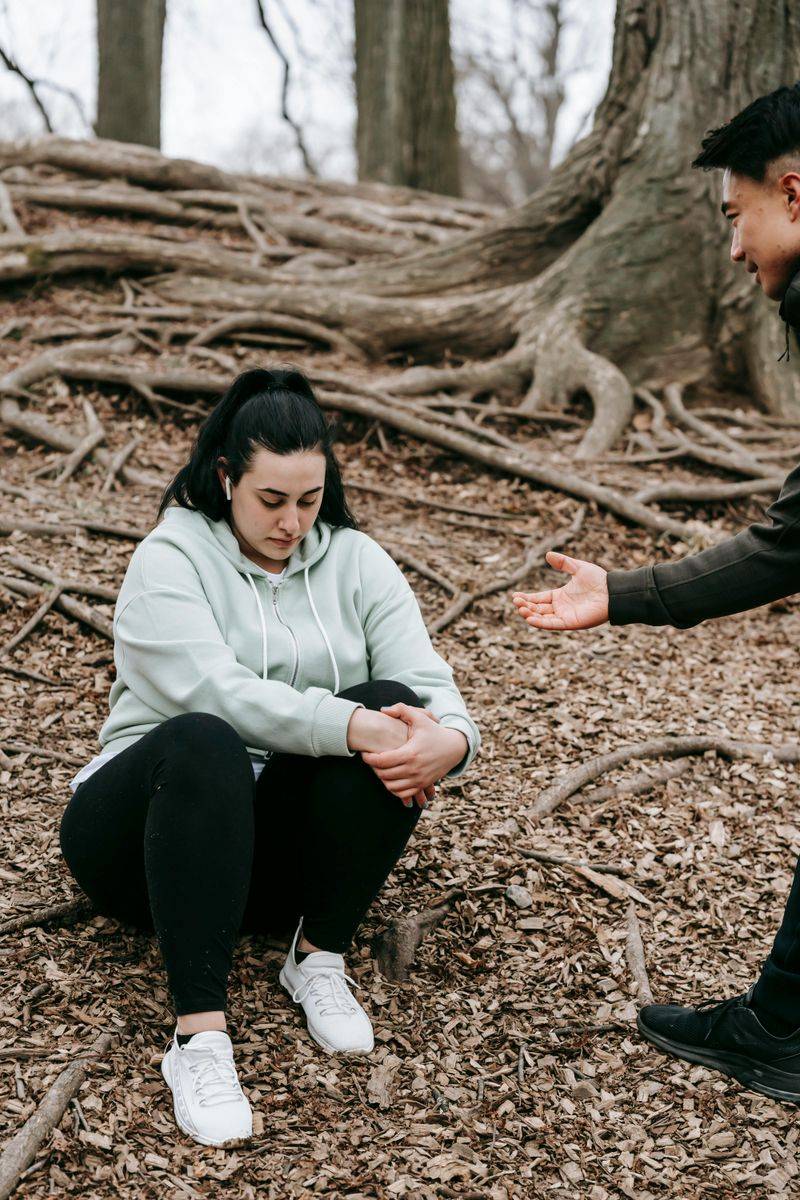
Helping someone means supporting their choices — even when you’d do it differently.
Controlling someone means steering their choices toward what you want, dressed up as advice.
A good man knows that difference and stays firmly on the right side of it.
He offers help when it’s wanted, steps back when it’s not, and trusts the people in his life to handle their own lives.
Psychologists note that the urge to control often comes from anxiety, not care.
Real support looks like presence without pressure.
A man who helps without strings attached — without needing the outcome to match his vision — is someone people feel genuinely safe turning to.
8. They Don’t Need to Win the Argument to Feel Okay About Themselves
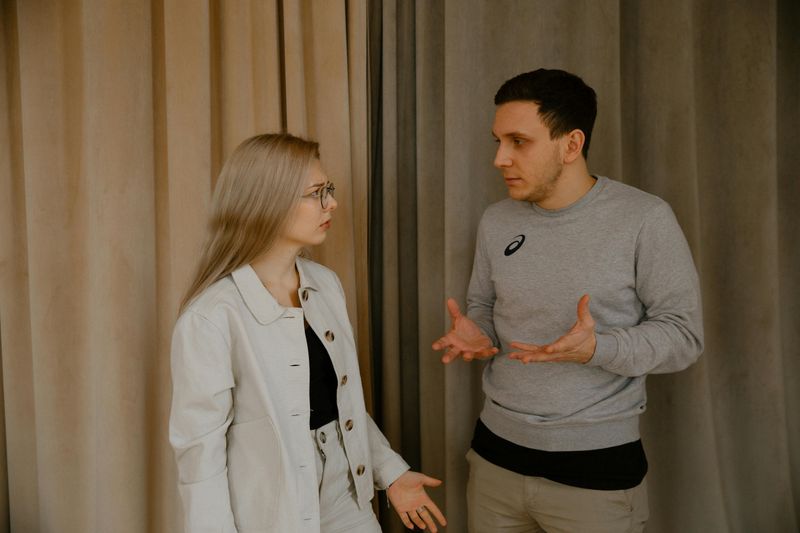
Some men treat every disagreement like a battle they must win at all costs.
A truly good man approaches conflict differently — he’s more interested in understanding than in winning.
He can say “you make a good point” without feeling like he’s lost something.
His sense of self isn’t tied to being right all the time.
Psychologists link this to what’s called non-defensive communication — engaging with ideas honestly rather than protecting an image.
Letting go of the need to win doesn’t mean being a pushover.
It means being secure enough to change your mind when the facts call for it.
That kind of flexibility is a quiet sign of real strength.
9. They Can Hold Space for Someone Else’s Pain Without Trying to Fix It

Most people, when faced with someone else’s pain, immediately reach for a solution.
It feels helpful — but often, it’s just uncomfortable silence that’s being avoided.
A good man can sit with someone in their hurt without rushing to patch it up.
He listens without interrupting, stays present without redirecting, and resists the urge to explain why things will be okay.
Psychologists call this holding space — and it’s one of the most powerful things one person can offer another.
It communicates: “Your pain is real, and I’m not going anywhere.” That kind of presence, without an agenda or a quick fix, is one of the deepest forms of human kindness.
10. They Don’t Make Their Bad Days Someone Else’s Problem
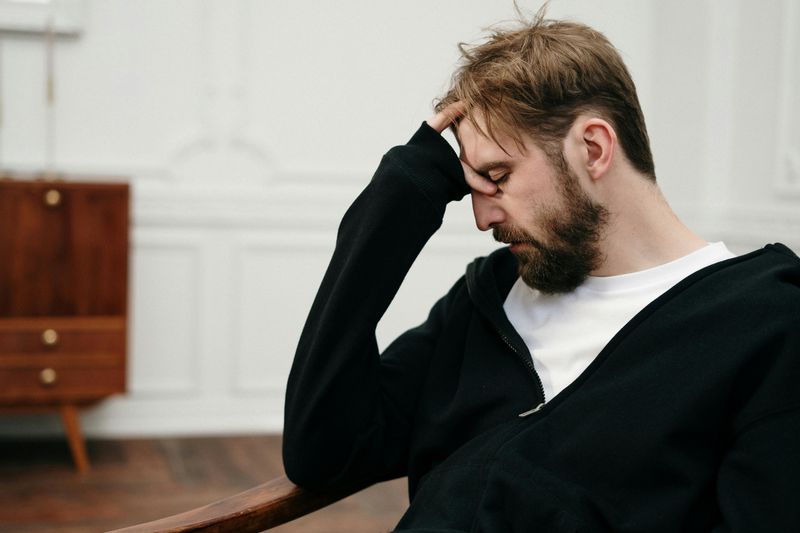
Everyone has bad days — the kind where everything goes wrong and the frustration just builds.
The difference lies in what happens next.
A good man feels those hard emotions without dumping them on the people around him.
He doesn’t snap at his partner because work was rough, or take out his stress on his kids because traffic was bad.
He finds healthy ways to decompress and takes responsibility for managing his own emotional state.
Psychologists describe this as emotional self-regulation — one of the most important markers of maturity and mental health.
Knowing that your mood is yours to handle, not others’ to absorb, is a form of deep respect for the people you love.