 MomSkoop

Most people think living alone is just about having your own space, but psychologists say it’s actually one of the best personal growth experiences you can have.
When no one else is around, you’re forced to figure things out, face yourself honestly, and build skills that roommates and partners often unknowingly do for you.
These abilities quietly shape you into a more grounded, capable, and self-aware person.
If you’ve ever lived alone — or are thinking about it — here’s what you might be gaining without even realizing it.
1. Radical Self-Reliance

Nobody’s coming to save you — and honestly, that’s a good thing.
When you live alone, you quickly learn that waiting around for someone else to fix a problem just means the problem stays unfixed.
So you figure it out yourself.
Whether it’s assembling furniture, troubleshooting a broken appliance, or making a tough call at work, you stop second-guessing and start doing.
Psychologists call this self-efficacy — the belief that you can handle what life throws at you.
Living alone builds that muscle fast.
Over time, you stop feeling helpless and start feeling genuinely capable.
2. Comfort With Solitude

There’s a big difference between being alone and being lonely, and living solo teaches you that distinction firsthand.
At first, the quiet might feel strange.
But over time, you start to actually enjoy it.
You discover hobbies you never made time for, thoughts you never slowed down enough to notice, and a kind of peace that only comes when no one else needs anything from you.
Research in positive psychology shows that people who are comfortable with solitude tend to have stronger mental health overall.
Solitude stops being something to escape and becomes something to appreciate.
3. Emotional Self-Regulation

When something upsets you and there’s no one to immediately vent to, you have to sit with the feeling — and that’s where real emotional growth happens.
Living alone removes the habit of outsourcing your emotional processing to someone else.
You start to notice your patterns.
Why does this make you angry?
What are you actually afraid of?
Over time, you get better at calming yourself down, thinking clearly before reacting, and understanding your own emotional landscape.
Psychologists refer to this as intrapersonal intelligence — and solo living is one of the most effective ways to sharpen it.
4. Decision Ownership

Every single choice is yours when you live alone — what to cook, when to sleep, how to spend your weekend, what risks to take in life.
That might sound overwhelming at first, but it becomes incredibly freeing.
You stop waiting for someone to agree with you before you act.
You stop doubting yourself every time a choice feels uncertain.
Bit by bit, you build real trust in your own judgment.
Psychologists note that people who practice autonomous decision-making develop stronger confidence and clearer values over time.
Living alone puts you in the driver’s seat — and keeps you there.
5. Deep Self-Awareness

You can’t really hide from yourself when you live alone.
There are no distractions, no one to keep the conversation going, and no one else’s habits to focus on.
It’s just you — and everything you bring to the table, good and not-so-good.
That kind of honest self-reflection is surprisingly rare.
Most people go years without truly examining their triggers, routines, or blind spots.
Solo living forces that reckoning in the best possible way.
Studies in psychology suggest that self-aware individuals make better decisions, maintain healthier relationships, and report higher life satisfaction.
Living alone quietly hands you that gift.
6. Personal Accountability

When the dishes pile up, nobody else is going to wash them.
When the rent is due, it’s your name on the lease.
Living alone strips away the easy habit of quietly relying on someone else to pick up the slack.
At first, that accountability can feel heavy.
But most solo dwellers will tell you it becomes one of their proudest traits.
You stop making excuses because there’s no audience for them.
You follow through, stay organized, and take ownership of your environment and commitments.
That kind of self-discipline, built in private, tends to show up powerfully in every other area of life too.
7. Resourcefulness

Locked out of your apartment at midnight?
Forgot to buy a key ingredient mid-recipe?
No one’s around to bail you out — so you get creative.
Living alone turns you into a natural problem-solver, because the alternative is just suffering through a problem indefinitely.
Resourcefulness isn’t something most people are born with.
It’s built through necessity.
And solo living delivers that necessity regularly.
Over time, you develop a kind of mental flexibility — the ability to look at a situation sideways and find a workable solution.
That skill becomes quietly invaluable in your career, relationships, and everyday life.
8. Boundary Clarity
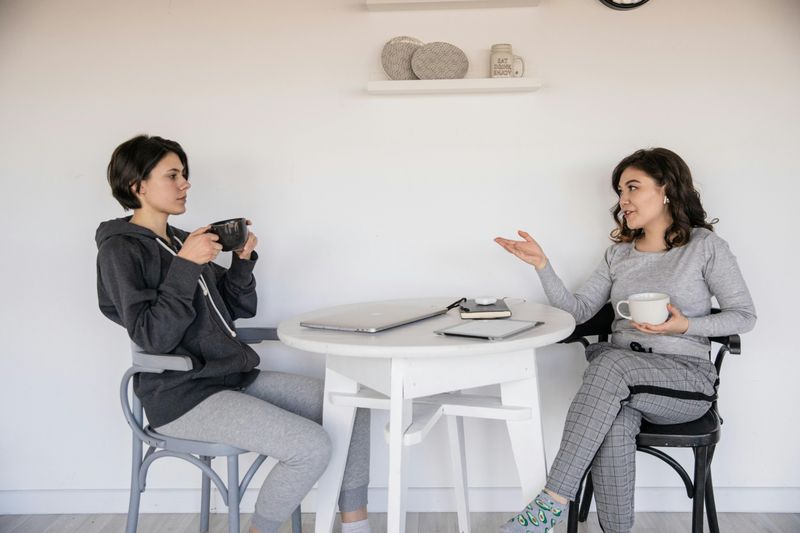
Something interesting happens when you spend significant time in your own space on your own terms — you start to understand exactly what you need and what you won’t tolerate.
Living alone teaches you what your boundaries actually are, not just in theory, but in practice.
You notice how you feel when your time is interrupted, your space is invaded, or your energy is drained.
And because you’ve grown comfortable protecting those things for yourself, you get much better at protecting them in relationships too.
Psychologists say that boundary clarity is one of the strongest predictors of long-term relationship satisfaction.
Solo living builds it naturally.
9. Financial Awareness

Splitting rent sounds great until you’re the only one on the lease.
When every expense — utilities, groceries, insurance, repairs — comes out of your account alone, you get financially sharp fast.
Living solo teaches you to budget not because someone told you to, but because there’s no safety net.
You start tracking spending, building savings habits, and making smarter trade-offs.
Research shows that financial literacy increases significantly when people manage their own households independently.
The skills you build — prioritizing expenses, planning ahead, handling emergencies — become a foundation that follows you through every financial season of your life.
10. Intentional Socializing

When you share a home with others, social interaction just happens — someone’s always around.
But when you live alone, connection requires effort.
You have to reach out, make plans, and show up on purpose.
That shift changes the quality of your relationships in a real way.
You stop taking people for granted because you know what their absence actually feels like.
You become more selective about who you spend time with and more present when you do.
Psychologists describe this as moving from passive to intentional connection — and it tends to produce friendships that are deeper, more honest, and far more fulfilling.
11. Inner Stability

Here’s perhaps the most underrated thing solo living teaches you: your happiness doesn’t have to depend on another person being in the room.
That realization is genuinely life-changing.
When you build your own routines, comfort, and sense of peace from the inside out, you stop being emotionally reactive to other people’s moods, schedules, or choices.
You become grounded in yourself.
Psychologists call this internal locus of control — the belief that your wellbeing is largely in your own hands.
People who develop this quality tend to navigate stress better, maintain healthier relationships, and feel more consistently satisfied with their lives.