 MomSkoop

For decades, society has held onto certain ideas about women that simply don’t hold up under modern psychological research.
Many of these outdated beliefs have shaped how we communicate, build relationships, and understand emotional health.
Psychologists now have evidence showing that what we once thought was true about women’s emotions, behavior, and desires is often misunderstood or just plain wrong.
It’s time to challenge these old assumptions and embrace a more accurate, respectful understanding.
1. Women Are Overly Emotional and Irrational

Research shows that emotional awareness isn’t about being dramatic or losing control.
Actually, women tend to be better at identifying and naming their feelings, which psychologists call emotional intelligence.
This skill helps in making thoughtful decisions, not reckless ones.
Being in touch with emotions doesn’t mean being ruled by them.
Studies find that recognizing feelings early prevents bigger problems later.
Men and women both experience strong emotions, but expressing them doesn’t equal irrationality.
Modern psychology values emotional literacy as a strength.
When someone can notice and respond to feelings appropriately, relationships improve and stress decreases.
The old belief that emotions cloud judgment has been replaced with evidence that awareness actually sharpens it.
2. Women Don’t Know What They Want

Many women communicate indirectly not because they’re confused, but because directness has felt unsafe in the past.
If honesty was met with anger or dismissal before, subtle hints become a protective strategy.
Psychologists explain this as learned caution, not manipulation or uncertainty.
Context matters enormously here.
When women feel psychologically safe—respected, heard, and not judged—they communicate much more clearly.
The issue isn’t confusion; it’s whether the environment supports honest expression.
Attraction and desire are also responsive rather than constant for many women.
Connection, emotional closeness, and feeling valued help desire grow over time.
Understanding this pattern helps relationships thrive instead of assuming women are simply indecisive or mysterious about their needs.
3. Women Need Constant Reassurance and Attention

Feeling safe isn’t optional—it’s foundational to intimacy and trust.
Psychological safety means being respected and not judged, which directly affects how attraction and closeness develop.
This isn’t neediness; it’s basic human wiring that applies to everyone, not just women.
Consistency builds desire, while unpredictability creates anxiety.
When actions match words over time, it signals emotional maturity.
Research links this reliability to long-term attraction and relationship satisfaction.
Independence is attractive, but emotional availability is essential too.
Self-sufficiency without openness feels distant and cold.
Openness without independence feels unstable and draining.
The healthiest relationships balance both qualities, creating security without sacrificing personal growth or freedom.
That’s not neediness—that’s healthy attachment.
4. Women Are Naturally Better at Caregiving

Caregiving skills aren’t hardwired by gender—they’re learned through experience and social expectations.
Boys and girls both have the capacity for empathy and nurturing, but society often encourages these traits more in girls.
Psychologists emphasize that environment shapes behavior far more than biology in this case.
Assuming women are natural caregivers puts unfair pressure on them to always prioritize others’ needs.
It also discourages men from developing these important skills.
Both genders benefit when caregiving is seen as a human skill, not a female one.
Modern research shows that when men are given equal opportunities and expectations around caregiving, they perform just as well.
Parenting, emotional support, and household management are abilities anyone can develop with practice and encouragement.
5. Women Are Less Interested in Casual Relationships

Desire varies widely among individuals regardless of gender.
Some women prefer committed relationships, while others enjoy casual connections—just like men.
Psychologists point out that societal judgment, not biology, often limits women’s choices and honesty about their preferences.
Safety concerns also play a role.
Women may approach casual relationships more cautiously due to real risks around physical safety and social reputation.
This doesn’t mean lack of interest; it means weighing consequences differently.
Responsive desire means attraction grows from connection and context, not just spontaneous impulse.
For many women, feeling emotionally safe and respected enhances physical attraction.
Understanding this helps everyone communicate better about what they actually want instead of assuming based on outdated stereotypes.
6. Women Use Emotions to Manipulate

Expressing feelings isn’t manipulation—it’s communication.
When someone shares emotions, they’re usually trying to be understood, not to control or deceive.
Psychologists stress that being understood beats being agreed with every time.
Validation matters more than problem-solving or winning arguments.
Stress changes behavior, not character.
Mood shifts under pressure are about mental load, not loss of interest or secret agendas.
Recognizing this prevents unfair judgments during tough times.
Boundaries are a form of trust, not rejection.
When women set clear limits, it shows self-respect and emotional health, not coldness or manipulation.
Healthy relationships require both people to express needs honestly.
Dismissing emotions as manipulative shuts down genuine connection and creates distance instead of closeness.
7. Women Are Less Ambitious Than Men

Ambition exists equally across genders, but opportunities and obstacles differ greatly.
Women often face more barriers in workplaces, like bias in promotions or lack of support balancing family responsibilities.
Psychologists note these systemic issues, not lack of drive, explain career gaps.
Cultural expectations also pressure women to downplay ambition to seem likable.
This doesn’t mean they lack goals; it means they navigate social penalties men don’t face.
Many women strategically manage how they present their aspirations.
When given equal resources and encouragement, women achieve at the same levels as men.
Studies show that removing bias and providing mentorship closes performance gaps quickly.
Ambition isn’t gendered—it’s shaped by the environment and support systems available to each person.
8. Women Are Too Sensitive to Criticism

Sensitivity to criticism isn’t weakness—it often reflects high standards and self-awareness.
Everyone responds to feedback based on how it’s delivered and the relationship involved.
Psychologists find that harsh or disrespectful criticism triggers defensiveness in anyone, regardless of gender.
Women may also be judged more harshly for the same reactions men have.
What’s called sensitivity in women might be labeled passion or intensity in men.
This double standard makes fair comparison difficult.
Constructive feedback delivered with respect usually lands well with everyone.
The key is focusing on behavior, not character, and offering solutions instead of just pointing out problems.
When criticism feels like an attack, anyone will struggle to accept it.
Framing matters as much as content.
9. Women Prefer Dominant, Aggressive Partners

Confidence is attractive, but aggression and dominance are not the same thing.
Psychologists distinguish between healthy assertiveness and controlling behavior.
Most women value partners who are emotionally available, respectful, and consistent—not those who dominate or intimidate.
Being chosen feels better than being pursued.
Genuine interest, not pressure or persistence, creates lasting attraction.
Pushy behavior often signals insecurity rather than strength, which actually reduces attraction over time.
How you make her feel over time outweighs initial physical appeal.
Attraction is strongly shaped by context, safety, and emotional connection.
Reliability and emotional maturity build desire far more effectively than dramatic gestures or aggressive pursuit.
Respectful consistency wins in the long run.
10. Women Are Less Logical Than Men

Logic and emotion aren’t opposites—they work together in healthy decision-making.
Neuroscience shows that emotions provide important information that improves judgment, not clouds it.
Both men and women use a mix of rational thinking and emotional input when solving problems.
Gender differences in cognitive ability are tiny and mostly explained by education and opportunity, not biology.
Women perform equally well in math, science, and analytical fields when given the same resources and encouragement.
Stereotypes about women being illogical often dismiss valid concerns or different perspectives.
When someone’s reasoning doesn’t match yours, it doesn’t mean they’re being irrational.
Psychologists encourage listening to understand rather than assuming emotional thinking equals flawed thinking.
11. Women Should Prioritize Relationships Over Careers
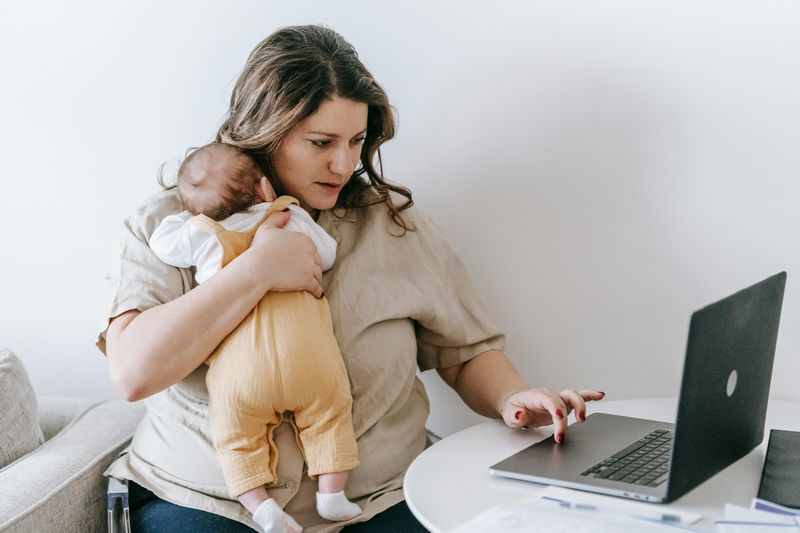
Fulfillment looks different for everyone, regardless of gender.
Some women prioritize careers, others focus on relationships, and many want both.
Psychologists stress that personal choice, not societal pressure, should guide these decisions.
Forcing women to choose between career and relationships creates unnecessary stress and resentment.
Men aren’t typically asked to make this choice, which highlights the unfair expectation.
Balanced lives include multiple sources of meaning and satisfaction.
Modern research shows that women thrive when they have autonomy over their life paths.
Supportive partners and workplaces make it possible to pursue both professional goals and meaningful relationships.
Outdated beliefs that women must sacrifice one for the other ignore the reality that both contribute to well-being and happiness.