 MomSkoop
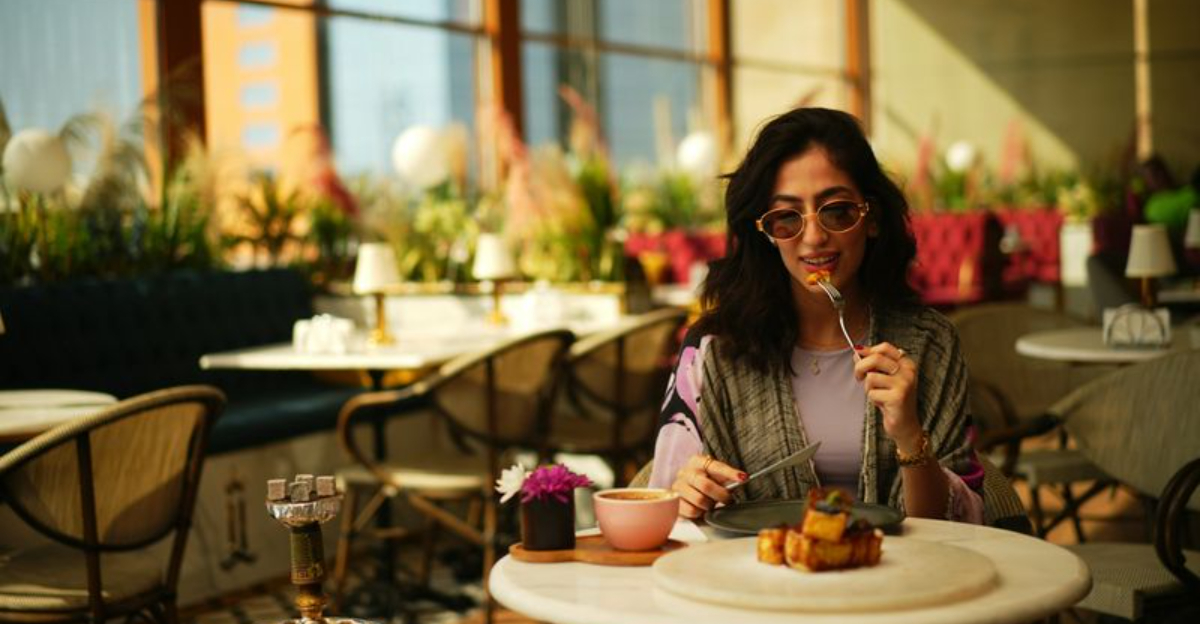
Ever notice someone sitting alone at a restaurant, completely content with their own company? While many people feel awkward dining solo, some actually prefer it.
Psychology suggests that people who choose to eat alone often possess unique personality traits that set them apart. These characteristics reveal a lot about their inner strength, confidence, and emotional intelligence.
1. High Self-Sufficiency

Some people naturally know how to take care of themselves without needing others around constantly.
When you can enjoy a meal by yourself, it shows you are comfortable in your own skin.
You do not need someone else to make the experience feel complete or worthwhile.
This ability to be self-reliant extends beyond just eating.
It means you can handle challenges, make decisions independently, and find happiness within yourself.
People with high self-sufficiency trust their own judgment and rarely feel lonely when alone.
They understand that being by themselves does not mean being isolated or sad.
Instead, they see solo time as an opportunity to recharge and enjoy their own thoughts.
2. Strong Independence
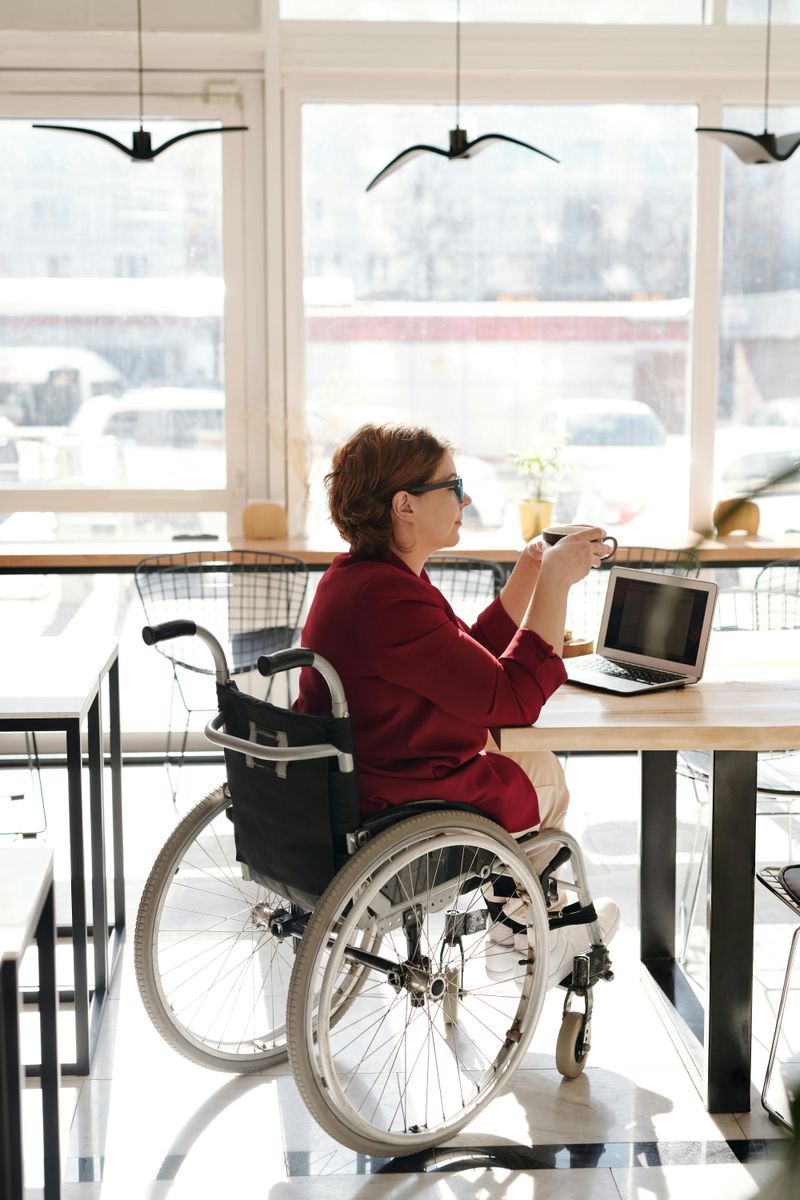
Choosing to eat alone is a clear sign of personal autonomy.
Independent individuals make choices based on what they want, not what others expect.
They do not wait for someone to join them before doing something they enjoy.
This freedom to act on their own terms builds confidence over time.
Independence also means they are comfortable making decisions without seeking constant approval.
Whether it is picking a restaurant or ordering something unusual, they trust themselves.
This trait shows up in other areas of life too, like career choices and hobbies.
People who value independence often feel more fulfilled because they live authentically.
They create their own path rather than following the crowd blindly.
3. Deep Self-Awareness

Spending time alone gives you space to really understand yourself better.
When you eat without distractions from conversation, you can tune into your own thoughts and feelings.
This quiet time helps you recognize patterns in your emotions and behaviors.
Self-aware people know what makes them happy, stressed, or excited.
They use solitary moments to reflect on their goals and values.
This awareness leads to better decision-making and healthier relationships with others.
Instead of running from silence, they embrace it as a chance to check in with themselves.
Understanding your inner world is like having a personal guidebook for life.
It keeps you grounded and aligned with what truly matters to you.
4. Emotional Regulation

Managing your emotions without needing others to calm you down is a valuable skill.
People who eat alone often have strong emotional control and stability.
They do not rely on external validation to feel okay about themselves.
When something upsets them, they can process those feelings independently.
This does not mean they never seek support, but they are not dependent on it.
Emotional regulation helps them stay balanced during stressful situations.
They can sit with uncomfortable feelings without panicking or needing distraction.
This strength comes from practice and self-trust built over time.
Being able to soothe yourself is a sign of emotional maturity and resilience.
5. Low Need for Social Approval
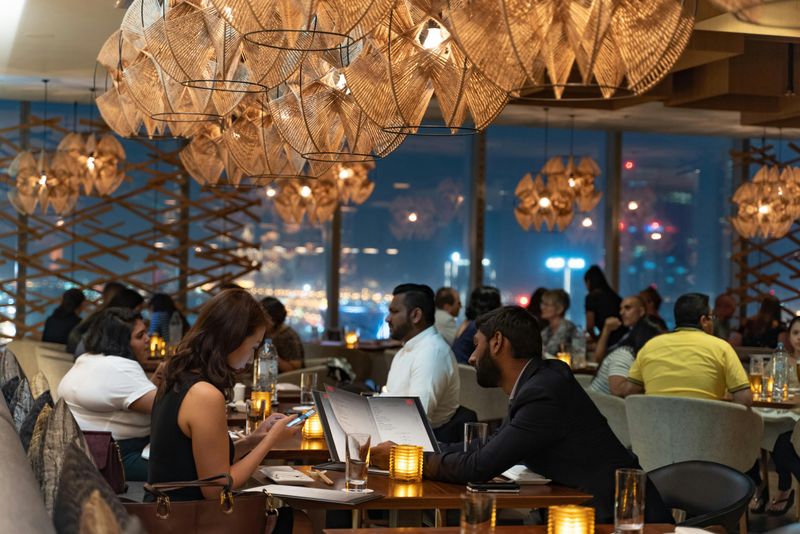
Many people worry about what others think when they see someone eating alone.
However, those who prefer solo dining rarely care about these judgments.
They do not let social norms dictate how they should behave or feel.
This freedom from needing approval is incredibly liberating and empowering.
They understand that other people’s opinions do not define their worth.
Instead of seeking validation from crowds, they validate themselves.
This mindset allows them to live more authentically without pretending to fit in.
They make choices based on personal preference rather than social pressure.
Living this way reduces anxiety and increases genuine happiness in daily life.
6. Introverted or Ambiverted Tendencies

Not everyone gains energy from being around people constantly.
Introverts and ambiverts often need quiet time to recharge their batteries.
Eating alone provides that necessary break from social stimulation.
Even if they enjoy socializing sometimes, they value their solo moments equally.
This preference does not mean they dislike people or lack social skills.
In fact, many are quite charming and engaging in group settings.
They simply recognize when they need space to feel their best.
Honoring this need shows emotional intelligence and self-care.
Quiet meals alone help them reset and return to social situations feeling refreshed and present.
7. High Focus and Mindfulness

Eating without conversation allows you to truly pay attention to your meal.
You can notice flavors, textures, and aromas that usually go unnoticed.
This mindful approach to eating improves digestion and satisfaction.
People who dine solo often practice this kind of focused awareness naturally.
They are not distracted by phones, chatter, or external noise.
Instead, they stay present in the moment, fully experiencing their food.
This skill extends beyond meals into work, hobbies, and relationships.
Being able to concentrate deeply is increasingly rare in our distracted world.
Those who cultivate mindfulness find more joy and meaning in everyday activities.
8. Confidence in Public Settings

Walking into a restaurant alone and ordering a table for one takes real courage.
Many people feel self-conscious doing this, but confident individuals do not.
They understand that eating alone is perfectly normal and nothing to feel ashamed about.
This public confidence shows they have overcome social anxiety about being judged.
They hold their head high and enjoy their experience without worrying about stares.
This assurance comes from strong self-esteem and inner security.
They know their value does not depend on always having company.
Confidence in public settings spills over into other areas of life too.
It helps them speak up, take risks, and pursue opportunities without fear.
9. Preference for Quality Over Quantity in Relationships

Having many acquaintances does not always mean having meaningful connections.
People who eat alone often prioritize deeper relationships over casual friendships.
They would rather have a few close friends than dozens of surface-level contacts.
This selective approach to relationships means they invest time and energy wisely.
They do not feel the need to constantly surround themselves with people.
Instead, they cherish quality conversations and authentic connections when they happen.
Solo dining gives them time to appreciate their own company too.
They understand that being alone does not equal being lonely.
This wisdom leads to more satisfying and fulfilling relationships overall.
10. Psychological Resilience

Regularly choosing solitude builds mental and emotional strength over time.
People who eat alone learn to cope with discomfort and uncertainty independently.
They develop resilience by facing situations that others might avoid.
This psychological toughness helps them bounce back from setbacks more quickly.
They do not crumble when plans fall through or friends are unavailable.
Instead, they adapt and find contentment in whatever circumstances arise.
Resilience also means they handle stress better and maintain emotional stability.
These individuals trust themselves to navigate challenges without constant support.
Building this inner strength makes them more capable and confident in all aspects of life.