 MomSkoop

Relationships require effort, emotional intelligence, and the willingness to grow together. However, certain behavioral patterns can make it nearly impossible for some men to build healthy, lasting connections.
Psychology has identified specific traits that consistently sabotage romantic partnerships, creating cycles of conflict and disappointment. Understanding these patterns can help you recognize warning signs early and make better choices for your emotional well-being.
1. The Emotionally Unavailable Man

When feelings get intense, he vanishes behind walls you cannot break through.
Conversations about emotions make him uncomfortable, and he changes the subject or leaves the room entirely.
During arguments, he shuts down instead of working through problems, leaving his partner feeling abandoned and unheard.
This pattern creates a one-sided relationship where vulnerability only flows in one direction.
Over time, partners grow exhausted trying to connect with someone who refuses to meet them halfway.
His inability to express feelings stems from fear, past trauma, or learned behavior, but the impact remains the same.
Without emotional availability, intimacy cannot develop.
Relationships need both people willing to be open and honest about their inner worlds.
2. The Narcissistic Man

Everything revolves around him—his achievements, his image, his needs.
Partners exist to provide admiration rather than share genuine connection.
He lacks empathy for others’ feelings and dismisses their concerns as insignificant compared to his own.
Conversations always circle back to his accomplishments or problems.
When his partner needs support, he becomes irritated or disinterested, unable to step outside his own perspective.
This self-centered approach makes balanced partnership impossible.
He craves constant validation but offers little emotional reciprocity in return.
Research shows narcissistic traits correlate strongly with relationship dissatisfaction and higher breakup rates.
True intimacy requires mutual respect and the ability to prioritize someone else’s happiness alongside your own.
3. The Highly Controlling Man

He decides what you wear, who you see, and how you spend your time.
Freedom feels like a threat to him, so he monitors your phone, questions your friendships, and isolates you from support systems.
This behavior stems from deep insecurity masked as concern or love.
Healthy relationships thrive on trust and independence, not surveillance.
Control tactics can escalate from subtle manipulation to overt domination over time.
Partners trapped in these dynamics lose their sense of self and autonomy.
Psychology identifies control as a major predictor of relationship failure and potential abuse.
No partnership can survive when one person treats the other as property rather than an equal partner with their own desires and rights.
4. The Commitment-Avoidant Man

Years pass, yet he still calls you his “friend” or avoids labels entirely.
Talk of future plans makes him nervous, and he keeps one foot out the door at all times.
This fear of commitment prevents relationships from deepening beyond surface-level connection.
He enjoys companionship but panics when things become serious or permanent.
Partners feel stuck in relationship limbo, never knowing where they truly stand.
His avoidance often stems from fear of losing freedom or getting hurt, but the result damages both people involved.
Commitment requires vulnerability and trust in the future together.
Without willingness to fully invest, relationships remain shallow and ultimately unfulfilling for everyone involved in them.
5. The Chronic People-Pleaser

He agrees to everything, never expresses his true preferences, and avoids all conflict.
At first, this seems considerate, but soon patterns of resentment emerge beneath the surface.
By constantly accommodating others while ignoring his own needs, he builds invisible walls of frustration.
Partners struggle to know his authentic self because he hides behind agreeableness.
When resentment finally explodes, it shocks everyone because he never communicated his boundaries earlier.
Healthy relationships need honest communication, even when it creates temporary discomfort.
People-pleasing prevents genuine intimacy because one person never shows up authentically.
Over time, this imbalance creates distance rather than the harmony he desperately seeks through constant accommodation and self-erasure.
6. The Poor Communicator

Ask him how he feels, and you get silence or defensive reactions.
Difficult conversations become impossible because he stonewalls, deflects, or storms off entirely.
Communication forms the foundation of every successful relationship, yet he treats it like an optional skill.
His partner feels unheard and invalidated, forced to guess his thoughts and feelings constantly.
This pattern creates misunderstandings that spiral into bigger conflicts over time.
He may not intend to hurt anyone, but his inability to express himself clearly causes significant damage.
Research consistently shows communication quality predicts relationship longevity better than almost any other factor.
Without open dialogue, couples cannot resolve conflicts, build intimacy, or grow together through life’s inevitable challenges and changes.
7. The Insecure / Jealous Man
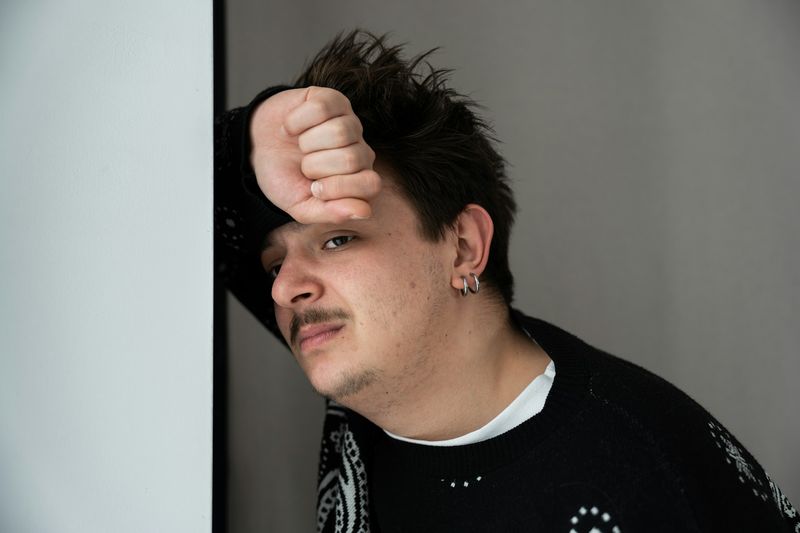
Every male friend becomes a potential threat in his mind.
He questions innocent interactions, accuses without evidence, and creates drama from his own insecurities.
This constant suspicion poisons trust, which forms the bedrock of healthy partnerships.
His jealousy stems from his own self-doubt rather than his partner’s actual behavior.
Partners feel suffocated, constantly defending themselves against baseless accusations and restrictions.
Over time, the relationship becomes exhausting as trust erodes completely.
Psychology shows chronic jealousy correlates with relationship violence and emotional abuse.
Secure individuals trust their partners until given real reasons not to, understanding that love cannot exist alongside constant surveillance and suspicion of betrayal.
8. The Emotionally Reactive Man

Minor disagreements explode into major fights because he cannot regulate his emotional responses.
His reactions are disproportionate to situations, creating an atmosphere of walking on eggshells.
Partners never know what small thing might trigger his next outburst or emotional storm.
This volatility prevents productive conflict resolution and creates fear instead of safety.
Healthy relationships require the ability to discuss problems calmly and work toward solutions together.
His impulsivity damages trust and makes his partner feel unsafe expressing concerns or needs.
Emotional regulation is a learned skill, but without it, relationships become chaotic and unpredictable.
Stability and security cannot exist when one person’s emotions constantly hijack every interaction and conversation.
9. The Passive or Unmotivated Man

He drifts through life without goals, ambition, or effort toward self-improvement.
His partner carries the mental and emotional load of the relationship while he coasts passively.
This imbalance breeds resentment as one person constantly initiates plans, solves problems, and pushes growth.
Relationships thrive when both people actively contribute to building a shared future together.
His lack of motivation extends beyond career to personal development and relationship maintenance too.
Partners feel more like parents than equals, exhausted from doing all the heavy lifting.
Psychology emphasizes that successful relationships require mutual investment and effort from both individuals.
Without his active participation, the partnership becomes one-sided and unsustainable over the long term.
10. The Chronically Self-Sacrificing / Martyr Man

He gives endlessly while keeping a mental scorecard of every sacrifice made.
His generosity comes with strings attached, though he never admits it until resentment boils over.
By ignoring his own needs completely, he builds walls of bitterness disguised as selflessness.
Partners feel guilty rather than grateful, sensing the unspoken expectations beneath his actions.
True generosity flows freely without keeping score or demanding recognition for every deed.
His martyr complex prevents honest communication about needs and creates toxic emotional dynamics.
Psychology shows this pattern damages relationships as much as outright selfishness does.
Healthy partnerships require balance where both people honor their needs while supporting each other genuinely and without hidden resentment.