 MomSkoop
The 1960s was one of the most exciting decades in music history, giving the world songs that still feel fresh and powerful today. From soulful ballads to rock anthems, artists of that era created music that touched hearts across generations.
Whether you grew up in the sixties or discovered these songs later, there is something truly special about the way they make you feel. Get ready to take a musical journey back in time with 16 unforgettable chart-toppers that defined a decade.
1. The Beatles – Hey Jude (1968)
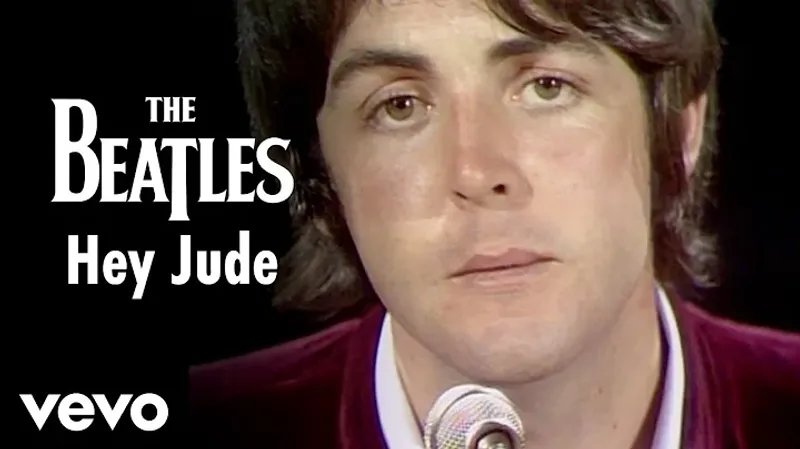
Few songs in history have inspired as many sing-alongs as “Hey Jude” by The Beatles.
Paul McCartney wrote this heartfelt anthem to comfort John Lennon’s young son, Julian, during his parents’ divorce.
That personal touch gave the song an emotional depth that listeners immediately connected with.
The song clocked in at over seven minutes, which was unusually long for a pop single at the time.
Radio stations played it anyway, and it became one of the best-selling singles of all time.
The famous “na na na” ending feels like a celebration every single time you hear it.
Fun fact: “Hey Jude” spent nine weeks at number one on the Billboard Hot 100 in 1968.
2. The Rolling Stones – (I Can’t Get No) Satisfaction (1965)
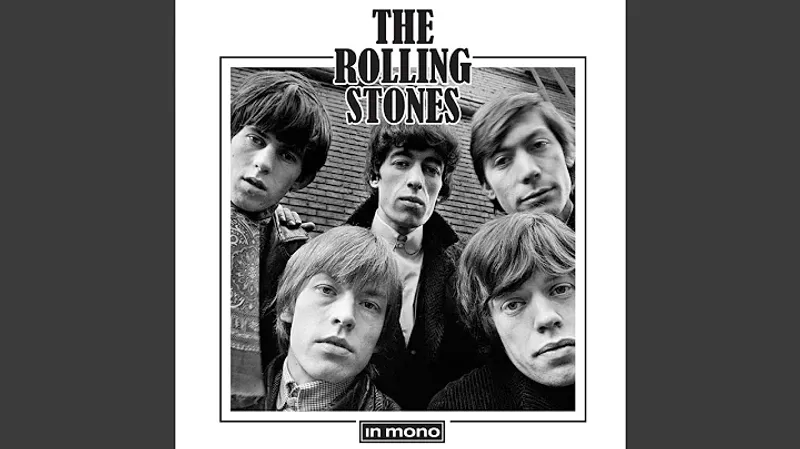
When Keith Richards woke up in the middle of the night with a guitar riff in his head, he had no idea he was about to change rock music forever.
He recorded the idea on a tape recorder and went back to sleep, and by morning, “Satisfaction” was born.
That fuzzy guitar hook became one of the most recognizable sounds in rock history.
Mick Jagger’s lyrics captured the frustration of a generation tired of advertisements and empty promises.
The song shot straight to number one in the United States and cemented the Rolling Stones as one of the biggest bands on the planet.
It remains a stadium staple to this day, still sounding as rebellious and raw as ever.
3. The Supremes – Baby Love (1964)
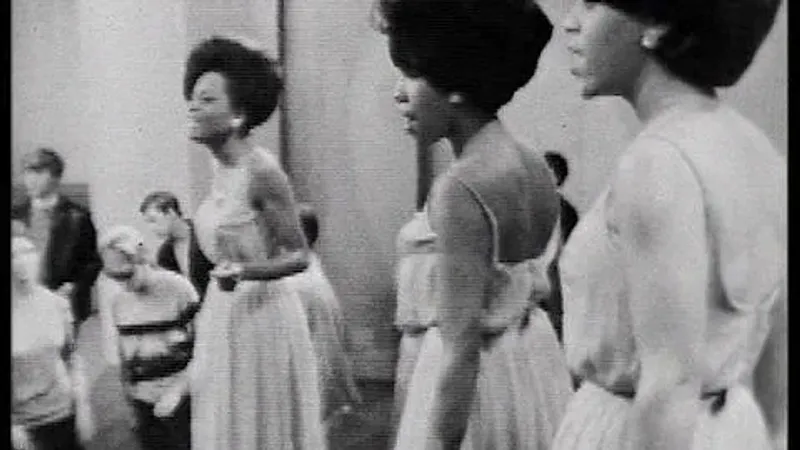
Smooth, sweet, and completely irresistible, “Baby Love” by The Supremes was the kind of song that made you want to dance the moment it started.
Diana Ross delivered the lead vocals with a warmth that felt like a hug, and the lush Motown production behind her was pure magic.
The song became the group’s second number-one hit in a row.
Written and produced by the legendary Holland-Dozier-Holland team at Motown Records, “Baby Love” was a masterclass in pop songwriting.
It topped charts in both the United States and the United Kingdom, making The Supremes international superstars almost overnight.
Even decades later, the melody is impossible to get out of your head once it starts playing.
4. The Beach Boys – Good Vibrations (1966)
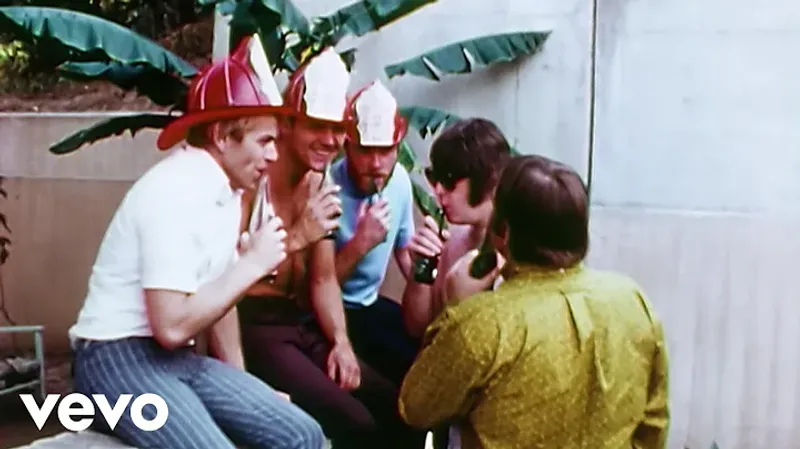
Brian Wilson called it his “pocket symphony,” and it is easy to understand why. “Good Vibrations” by The Beach Boys was unlike anything pop radio had heard before, layering unusual instruments like the theremin with lush harmonies to create something truly otherworldly.
Recording sessions reportedly cost around $50,000, an enormous amount for the time.
The song took six months and over 90 hours of studio recordings to complete, which shows just how obsessed Wilson was with getting it exactly right.
That dedication paid off when it shot to number one on both sides of the Atlantic.
Listeners felt the joy and creativity bursting from every second of the track, making it one of the most celebrated records of the entire decade.
5. Simon & Garfunkel – The Sound of Silence (1965)
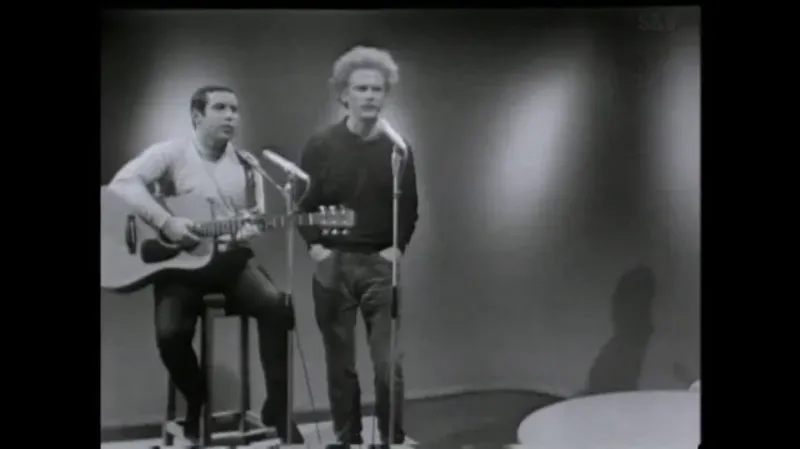
Paul Simon wrote “The Sound of Silence” in his bathroom with the lights off, strumming his guitar in the dark.
That image alone tells you everything about the song’s haunting, introspective mood.
When it was first released in 1964, it barely made a ripple, but a remixed version with electric instruments pushed it to number one in early 1965.
The lyrics spoke to a generation feeling disconnected and unheard in a rapidly changing world.
Lines about people talking without speaking and hearing without listening felt almost prophetic, and they still resonate with listeners today.
Simon and Garfunkel’s blend of folk poetry and melodic beauty made this track a timeless reminder that silence can sometimes say more than words ever could.
6. Aretha Franklin – Respect (1967)
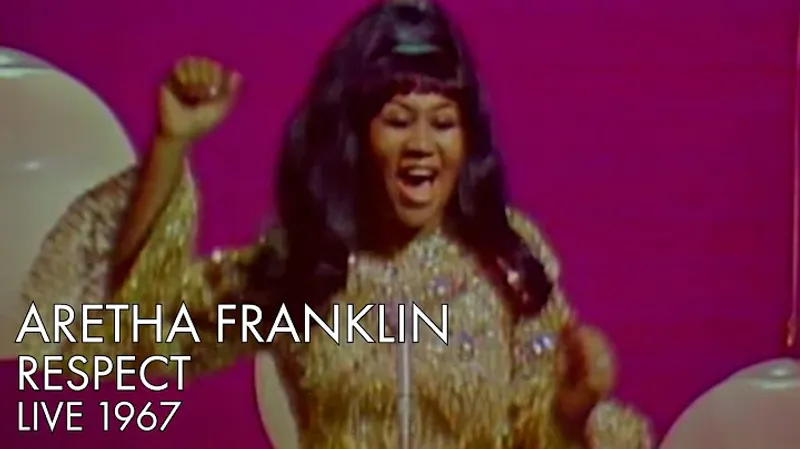
Aretha Franklin did not just sing “Respect” — she owned it completely.
Originally written and recorded by Otis Redding, Aretha flipped the song’s perspective and turned it into a bold declaration of self-worth and dignity.
Her version hit number one in 1967 and quickly became an anthem for both the civil rights and women’s movements.
The iconic spelling out of R-E-S-P-E-C-T in the middle of the song was Aretha’s own addition, and it became one of the most memorable moments in soul music history.
Her voice carries so much power and emotion that it is nearly impossible not to feel something when you hear it.
Rolling Stone magazine ranked “Respect” as one of the greatest songs ever recorded, and few would argue otherwise.
7. The Temptations – My Girl (1964)
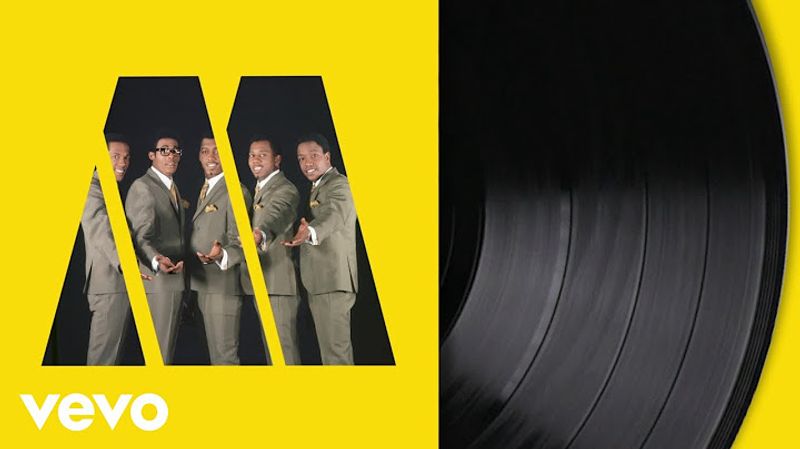
Smokey Robinson wrote “My Girl” specifically for The Temptations, tailoring the lead vocal to showcase David Ruffin’s rich, velvety tenor voice.
The result was a song so warm and tender that it felt like sunshine in musical form.
From the very first guitar notes, you know something beautiful is about to happen.
Released in late 1964 and climbing to number one in early 1965, “My Girl” became one of Motown’s signature songs.
It perfectly captured the label’s ability to blend pop appeal with genuine emotional depth, making listeners of every background feel the love being expressed.
Decades of commercials, movies, and TV shows have featured this track, proving that its cheerful charm never fades no matter how many times you hear it.
8. The Righteous Brothers – You’ve Lost That Lovin’ Feelin’ (1964)
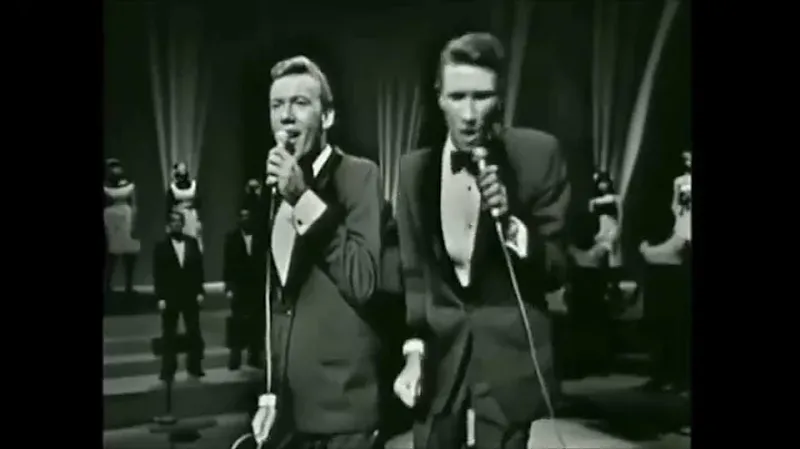
Producer Phil Spector built his famous “Wall of Sound” production technique around tracks like “You’ve Lost That Lovin’ Feelin’,” and this song remains the most stunning example of that approach.
The sheer scale of the arrangement — layers of instruments, voices, and reverb — makes the song feel enormous, like it could fill an entire stadium all by itself.
Bill Medley’s deep baritone opening gives way to Bobby Hatfield’s soaring tenor, and together they create one of the most emotionally devastating performances in pop history.
The song is about watching love slip away, and every note makes you feel that loss.
BMI once declared it the most-played song in radio history, a staggering achievement that speaks to its lasting power and emotional pull.
9. The Mamas & the Papas – California Dreamin’ (1965)
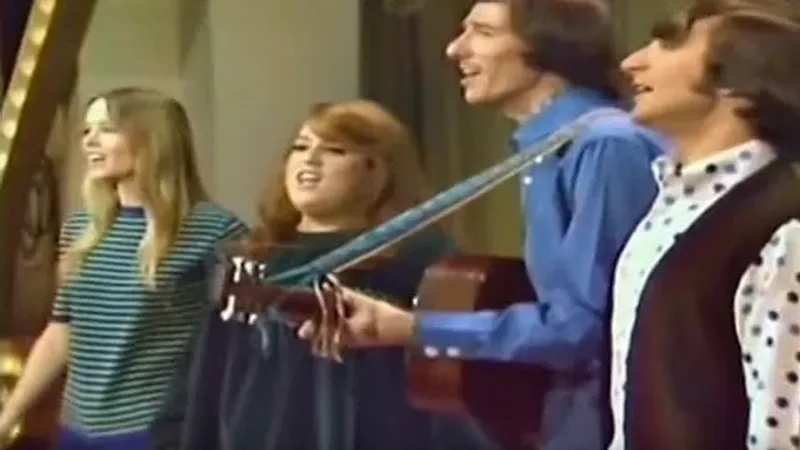
John Phillips wrote “California Dreamin'” on a cold New York City winter night while longing for the warmth of the West Coast, and that feeling of yearning is baked into every lyric.
The song perfectly captures the wanderlust and restlessness that defined the mid-1960s counterculture, making listeners feel like they too could just pack up and head somewhere better.
The four-part harmonies from The Mamas & the Papas gave the track an airy, dreamlike quality that set it apart from everything else on the radio.
It climbed to number four on the Billboard Hot 100 and became one of the defining sounds of the era.
That flute solo near the end is a small detail that somehow makes the whole song feel even more magical and free-spirited.
10. The Doors – Light My Fire (1967)
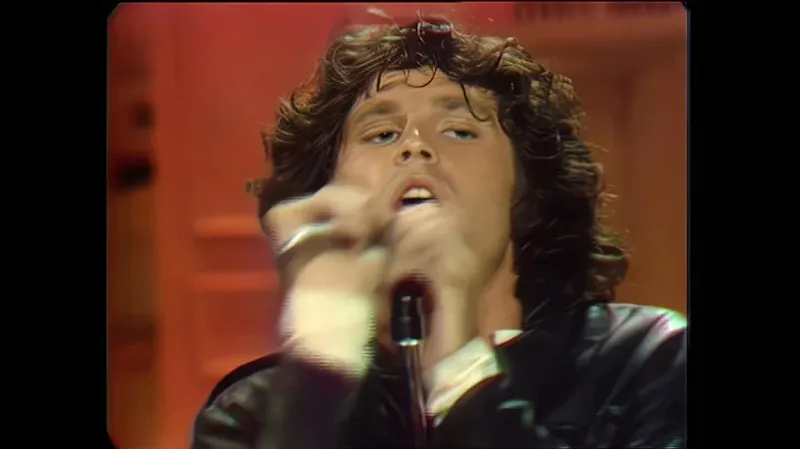
At over seven minutes in its album version, “Light My Fire” was not supposed to be a radio hit — but a trimmed-down single version proved everyone wrong.
Jim Morrison’s brooding, magnetic vocals wrapped around Robby Krieger’s guitar and Ray Manzarek’s hypnotic organ riff to create something that felt genuinely dangerous and exciting.
The song spent three weeks at number one in the summer of 1967 and turned The Doors into one of the biggest rock acts in the country almost overnight.
Krieger wrote most of the lyrics, which was unusual since Morrison was typically the band’s primary songwriter.
There is an intensity to “Light My Fire” that no other song from the era quite matches, drawing listeners in and refusing to let them go until the final note.
11. Elvis Presley – Suspicious Minds (1969)
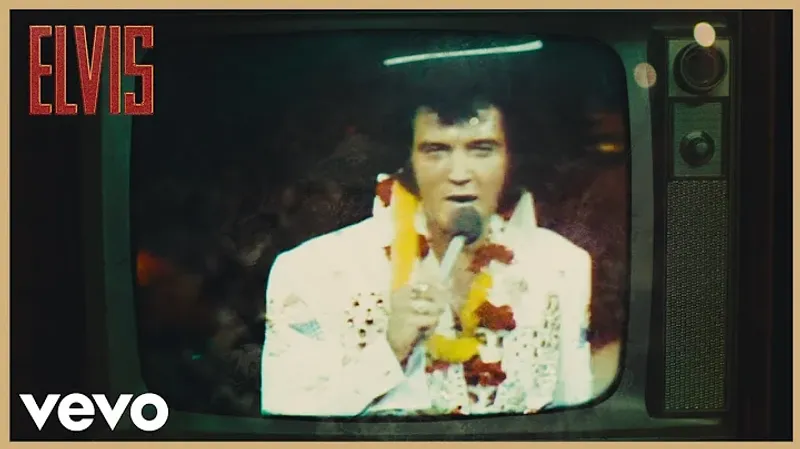
By 1969, some people were writing Elvis Presley off as a star from a previous era. “Suspicious Minds” changed all of that in one dramatic, sweeping comeback.
The song’s story of two people trapped in a relationship built on distrust hit listeners right in the gut, and Elvis delivered every line with the kind of raw passion that reminded everyone why he was called the King.
It became his first number-one hit in seven years, ending a long chart drought and proving his staying power in spectacular fashion.
The dramatic false ending near the close of the track is a genius touch that builds even more emotional tension before the song finally fades out.
“Suspicious Minds” stands as one of Elvis’s finest vocal performances and a true highlight of his legendary career.
12. Marvin Gaye – I Heard It Through the Grapevine (1968)
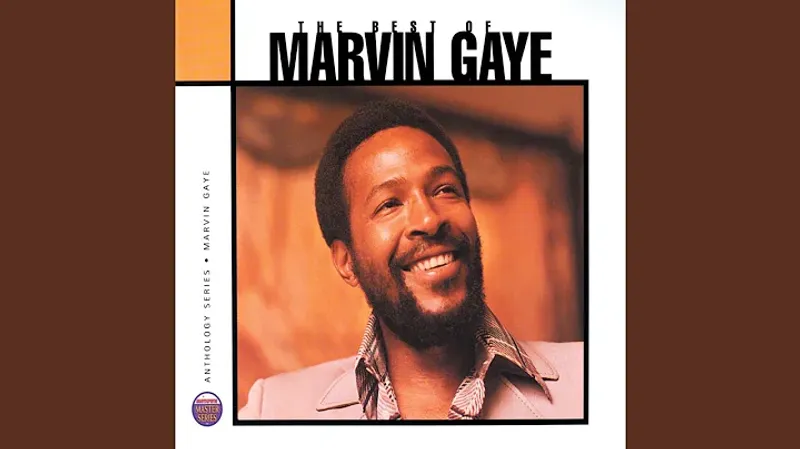
Several artists recorded “I Heard It Through the Grapevine” before Marvin Gaye, but his version was so extraordinary that it became the definitive one.
Motown founder Berry Gordy initially shelved Marvin’s recording because he thought it was too dark and brooding for mainstream radio.
Fortunately, fan pressure and critical acclaim eventually convinced Gordy to release it.
The song hit number one and stayed there for seven weeks, becoming Motown’s biggest-selling single up to that point.
Marvin’s voice on this track has a nervous, urgent energy that perfectly matches the lyrics about hearing bad news through rumor and gossip.
That unmistakable opening riff is one of the most recognized sounds in soul history, instantly pulling you into the song’s world of suspicion and heartbreak.
13. Creedence Clearwater Revival – Bad Moon Rising (1969)
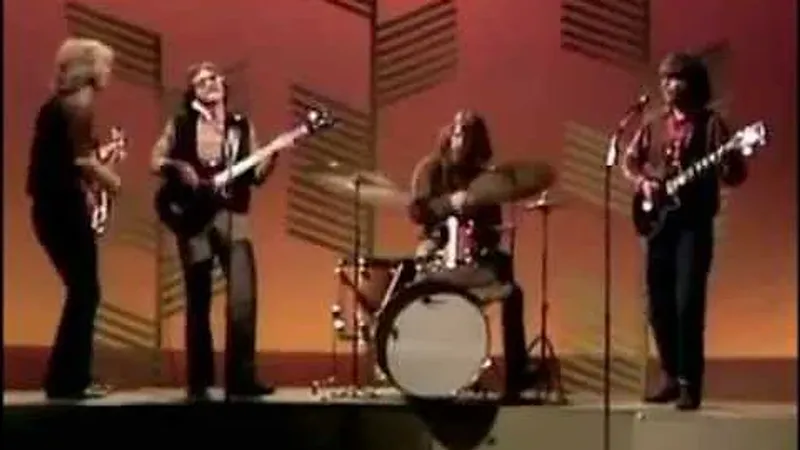
John Fogerty was watching a disaster movie called “The Devil and Daniel Webster” when inspiration struck for “Bad Moon Rising.” The film’s tornado scene gave him the idea for a song about impending doom delivered in the cheeriest, most foot-stomping way imaginable.
That contrast between dark lyrics and upbeat music is what makes the song so unforgettable.
Released in the spring of 1969, the track shot to number two on the Billboard Hot 100 and number one in the United Kingdom.
Its tight, driving rhythm and Fogerty’s swamp-soaked guitar sound became the signature of CCR’s no-frills rock style.
Generations of listeners have misheard the lyric “there’s a bad moon on the rise” as something quite different, which has become one of rock’s most beloved musical misunderstandings.
14. The Monkees – I’m a Believer (1966)
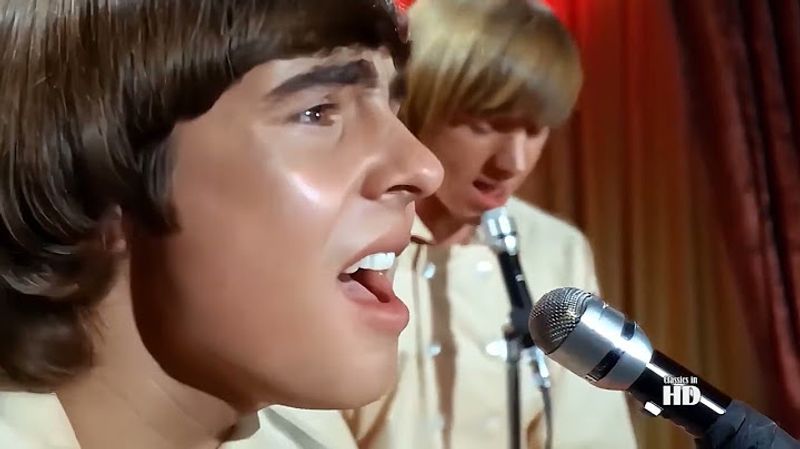
Written by Neil Diamond and performed by The Monkees, “I’m a Believer” is one of those songs that makes even the grumpiest person crack a smile.
Micky Dolenz sang lead with an infectious enthusiasm that matched the song’s joyful, love-struck message perfectly.
From the opening organ notes, you know you are in for something fun.
The song debuted at number one and stayed there for seven consecutive weeks, selling over one million copies in just three days after its release.
That kind of success was almost unheard of, even during the chart-dominating era of the 1960s.
A whole new generation discovered the song when it appeared in the animated movie “Shrek” in 2001, proving that truly great pop music never really goes out of style no matter the decade.
15. The Box Tops – The Letter (1967)
At just 16 years old, Alex Chilton had one of the most surprisingly mature voices in all of pop music, and “The Letter” showed it off brilliantly.
The song is barely two minutes long, making it one of the shortest number-one hits of the entire decade, but it packs more energy into those two minutes than most songs manage in five.
Recorded in Memphis with a raw, urgent sound, “The Letter” topped the Billboard Hot 100 for four weeks in 1967.
The sound of an airplane engine woven into the track gave it a clever, cinematic quality that helped it stand out on crowded radio playlists.
There is something wonderfully scrappy about this recording that makes it feel alive every single time it plays, like it was recorded in one breathless, brilliant take.
16. Tommy James & the Shondells – Crimson and Clover (1968)
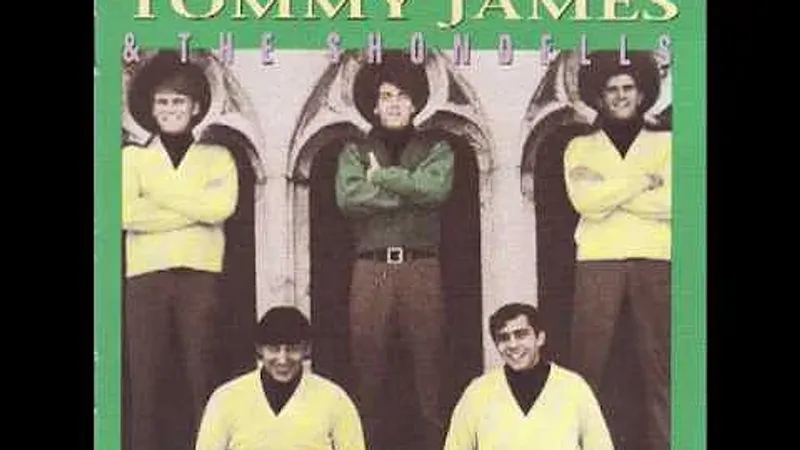
“Crimson and Clover” arrived at a moment when Tommy James was experimenting with new studio techniques, and the result was one of the most hypnotic singles of the entire decade.
The tremolo effect applied to his voice during the chorus created a dreamy, almost trance-like sound that felt completely original and fresh on pop radio in 1968.
James has said he wrote the title by simply combining two of his favorite words, with no deeper symbolic meaning intended.
Yet somehow, “crimson and clover” perfectly captures the hazy, romantic mood of the song without needing any explanation at all.
The track spent two weeks at number one and has since been covered by dozens of artists, each one drawn in by its irresistible blend of psychedelic atmosphere and pure pop melody.