 MomSkoop

Growing up, we did things naturally that actually made us happier, healthier, and more connected to the world around us.
Somewhere along the way, adult responsibilities took over and those simple joys got pushed aside.
The good news is that many of the habits we had as kids are backed by science as genuinely beneficial.
Bringing even a few of them back could make a real difference in your daily life.
1. Playing Just for Fun
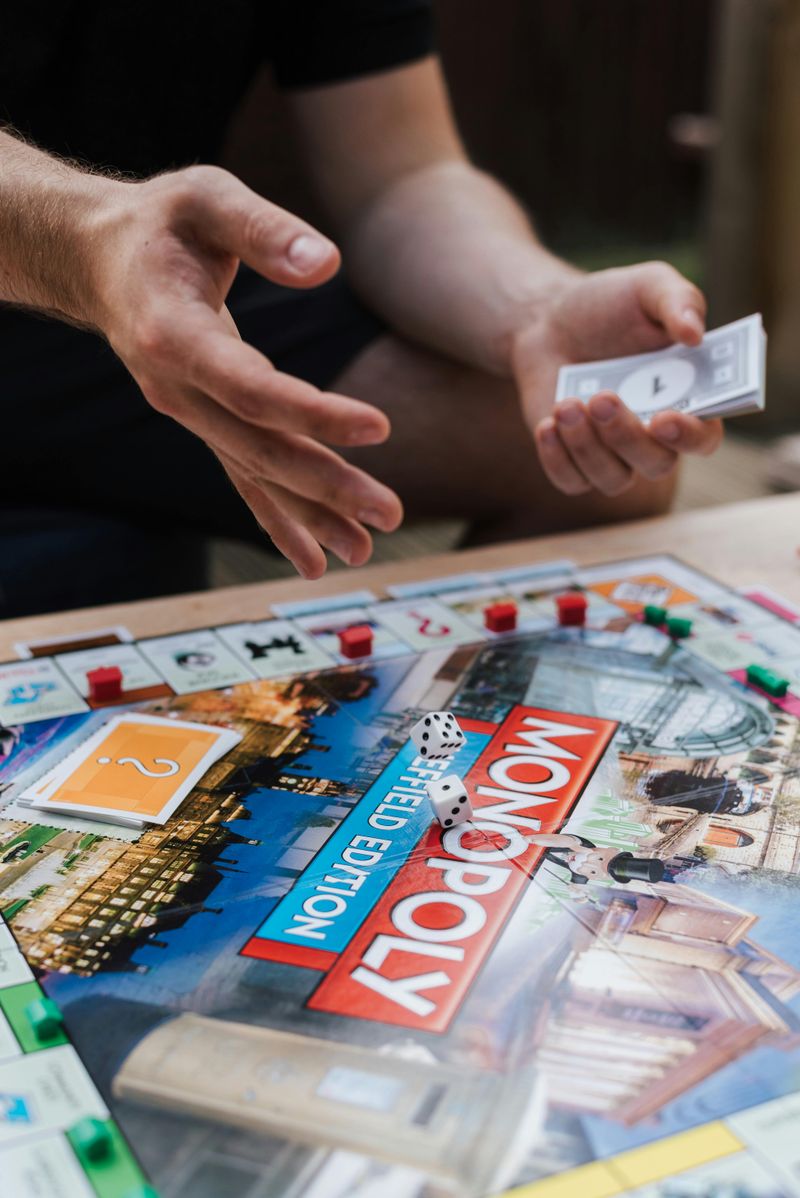
Remember when you could spend hours playing without any reason other than it felt good?
At some point, adults started believing that every activity needs a purpose or a productive outcome.
That mindset quietly drains the joy out of life.
Play without goals actually reduces stress hormones and boosts creativity.
It could be a board game, a silly card game, or tossing a frisbee in the yard.
No scoreboard required.
Giving yourself permission to do something purely for fun is not childish.
It is one of the most refreshing things you can do for your mental health.
2. Asking Lots of Questions

Kids ask “why” about everything, and honestly, that habit is worth holding onto.
Somewhere in adulthood, many people stop asking questions out of fear of looking uninformed or wasting someone’s time.
That silence comes at a cost.
Staying curious keeps your brain active and helps you learn faster.
It also makes conversations more meaningful and deepens your relationships with the people around you.
Next time you do not understand something, ask.
Whether it is at work, in a conversation, or while reading the news, curiosity is a skill that sharpens the more you use it.
3. Moving Your Body Naturally

As children, we ran just because running felt amazing.
We climbed, jumped, stretched, and spun around without thinking twice about it.
Movement was just part of being alive, not a scheduled workout session.
Natural movement throughout the day, like walking to a neighbor’s house, stretching while watching TV, or taking the stairs, does wonders for your posture, energy levels, and mood.
It does not have to look like exercise to count.
Your body was built to move in lots of different ways.
Finding small, joyful moments of physical activity each day brings back that effortless energy kids seem to have endlessly.
4. Spending Time Outdoors

Fresh air and open skies have a way of resetting everything.
Studies show that spending time in nature lowers cortisol levels, improves focus, and even helps with feelings of anxiety and depression.
Kids know this instinctively, even if they cannot explain it.
You do not need a trail or a national park to get the benefit.
A backyard, a city park, or even a walk around the block without your phone can do the trick.
Disconnecting from screens and reconnecting with the outdoors, even briefly, reminds you that the world is bigger and quieter than your inbox suggests.
5. Laughing Easily and Often

There is something almost magical about the way kids laugh, loud, full-bodied, and completely unfiltered.
Adults tend to laugh more quietly and less often, as if joy needs to be kept in check.
But laughter is genuinely good medicine.
Regular laughter strengthens your immune system, eases physical tension, and makes other people feel comfortable around you.
It also shifts your perspective when things get heavy.
You do not have to force it.
Watch a funny show, swap silly stories with a friend, or let yourself giggle at something dumb.
Playfulness does not expire when you turn eighteen.
6. Being Fully Present

Watch a toddler eat a snack or look at a bug on the sidewalk.
That level of focus and wonder is something most adults have completely forgotten.
We are almost always somewhere else mentally, even when our bodies are right here.
Being present, even for short windows of time, lowers anxiety and helps you actually enjoy what is happening in your life.
It sounds simple, but it takes real practice.
Try putting your phone away during meals, making eye contact during conversations, or just sitting quietly for five minutes.
Presence is a skill, and reclaiming it changes everything about how life feels day to day.
7. Taking Creative Breaks
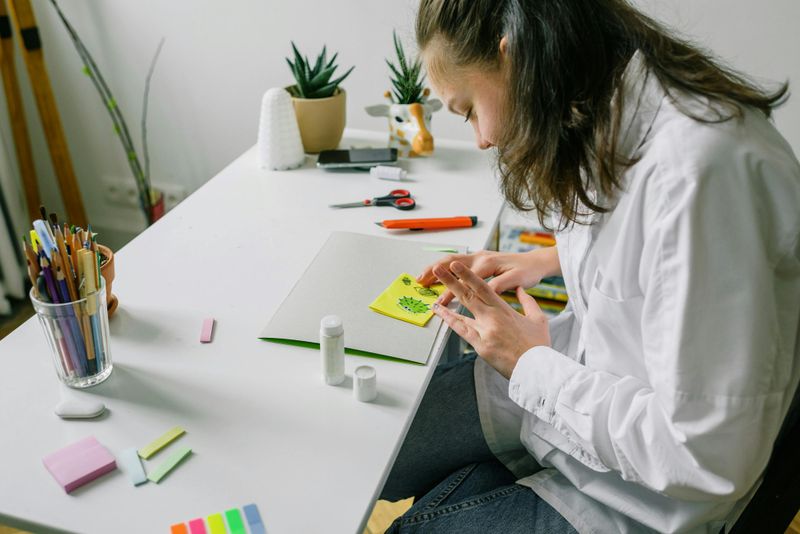
Before responsibilities took over, most of us spent chunks of time drawing, building things, writing stories, or crafting something with our hands.
That creative outlet was not just entertainment.
It was a way of processing the world.
Creative breaks have been shown to improve problem-solving, reduce burnout, and spark new ideas.
You do not have to be talented to benefit.
Doodling during a lunch break or writing a few lines in a journal counts completely.
Making something just for the sake of making it is incredibly freeing.
Creativity does not need an audience or a finished product.
It just needs a little time and space.
8. Expressing Emotions Honestly

Kids cry when they are sad, shout when they are excited, and say exactly what is bothering them.
Somewhere in growing up, many people learn to hide all of that.
Suppressing emotions does not make them disappear, it just makes them louder on the inside.
Acknowledging how you actually feel, whether to yourself or someone you trust, reduces stress and prevents emotional buildup from turning into burnout or resentment.
You do not need to overshare or fall apart in public.
Simply naming your emotions honestly, like saying “I am overwhelmed right now” instead of “I am fine,” is a small act of self-respect that adds up fast.
9. Making Friends Without Overthinking

As a kid, making a friend could happen in five minutes on a playground.
As an adult, meeting new people often feels complicated, awkward, or just not worth the effort.
But loneliness is one of the biggest health challenges facing adults today.
Children make friends by simply showing up and being open.
They do not worry about seeming weird or saying the wrong thing.
That kind of relaxed openness is actually a superpower.
Smiling at a neighbor, chatting with someone in a class, or saying yes to a casual invitation can be the start of something great.
Friendship does not require a perfect approach, just a little courage.
10. Resting When You Are Tired
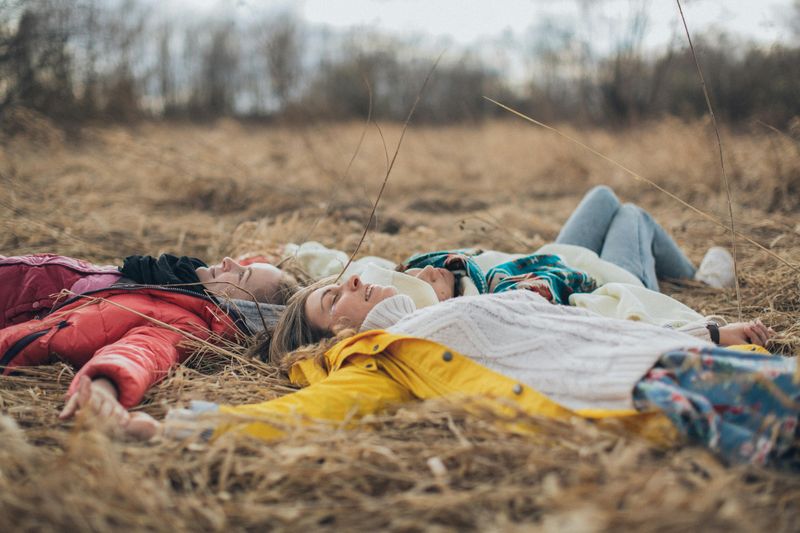
Kids nap without guilt and go to bed when their bodies say so.
Adults, on the other hand, wear exhaustion like a badge of honor.
Pushing through tiredness has somehow become a sign of dedication, but it is actually working against you.
Rest is when your brain consolidates memories, your body repairs itself, and your mood resets.
Skipping it consistently leads to slower thinking, irritability, and a weakened immune system.
Listening to your body and actually resting, whether that means an afternoon nap, an early bedtime, or just a quiet hour with no demands, is not laziness.
It is smart, sustainable living that your future self will thank you for.