 MomSkoop
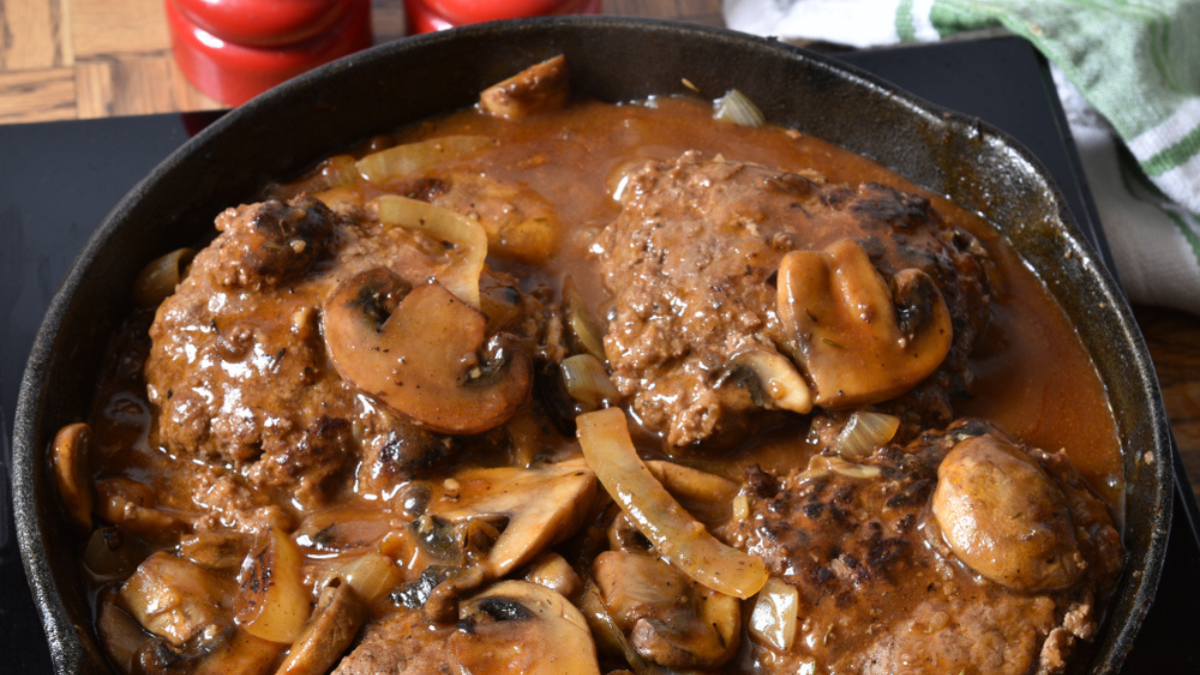
American food culture has always been evolving, with new trends replacing old favorites. Some dishes that were once staples at family dinners and community gatherings have quietly disappeared from our tables.
These forgotten foods tell stories of different times, when cooking methods, ingredients, and tastes were quite different from today. Let’s take a nostalgic trip down memory lane and rediscover these vanished American classics.
1. Tomato Aspic
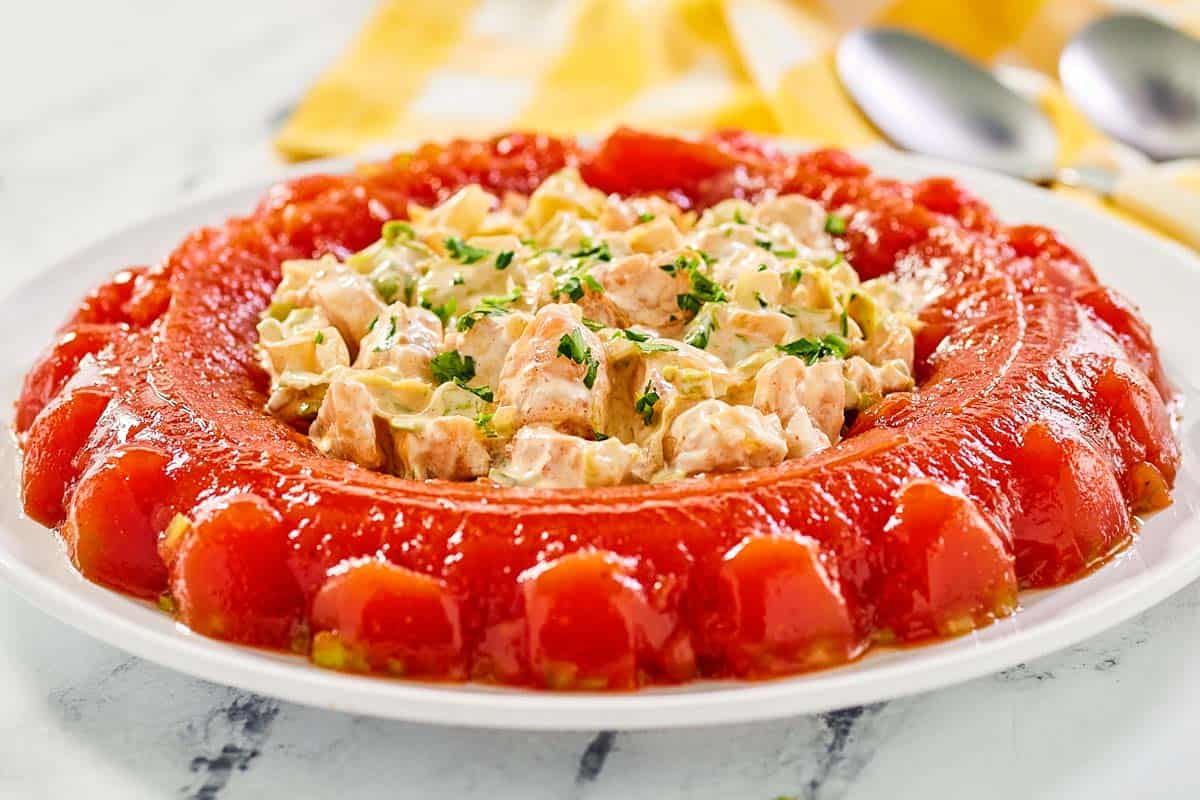
Back in the 1950s and 60s, no potluck was complete without a wobbly, shimmering tomato aspic.
This savory gelatin dish combined tomato juice with unflavored gelatin, creating a jiggly mold that often contained vegetables like celery, onions, or olives.
Families proudly displayed their aspics in fancy ring molds or decorative shapes.
The dish fell out of favor as tastes changed and people began associating gelatin more with desserts than savory foods.
Today, younger generations find the concept strange, but their grandparents remember it as a sophisticated side dish.
Aspic represented an era when presentation mattered just as much as flavor at the dinner table.
2. Chicken à la King
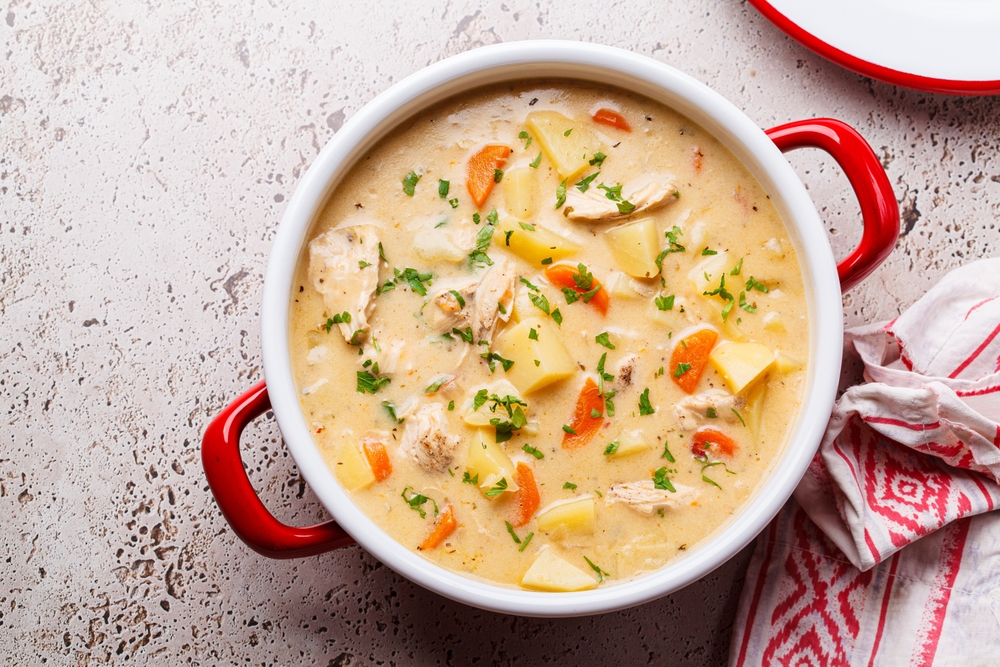
Creamy, rich, and loaded with chicken chunks, this dish once ruled the menu at fancy hotels and diners across America.
Chicken à la King featured diced chicken in a thick cream sauce with mushrooms, peppers, and pimentos, typically served over toast, rice, or puff pastry shells.
The dish supposedly originated in the late 1800s, though its exact creator remains disputed.
It became especially popular in the mid-1900s as a quick, elegant meal option.
As dietary preferences shifted toward lighter, less cream-heavy foods, this indulgent classic lost its appeal.
You might still find it at old-fashioned diners, but it’s rare nowadays compared to its golden age.
3. Liver and Onions
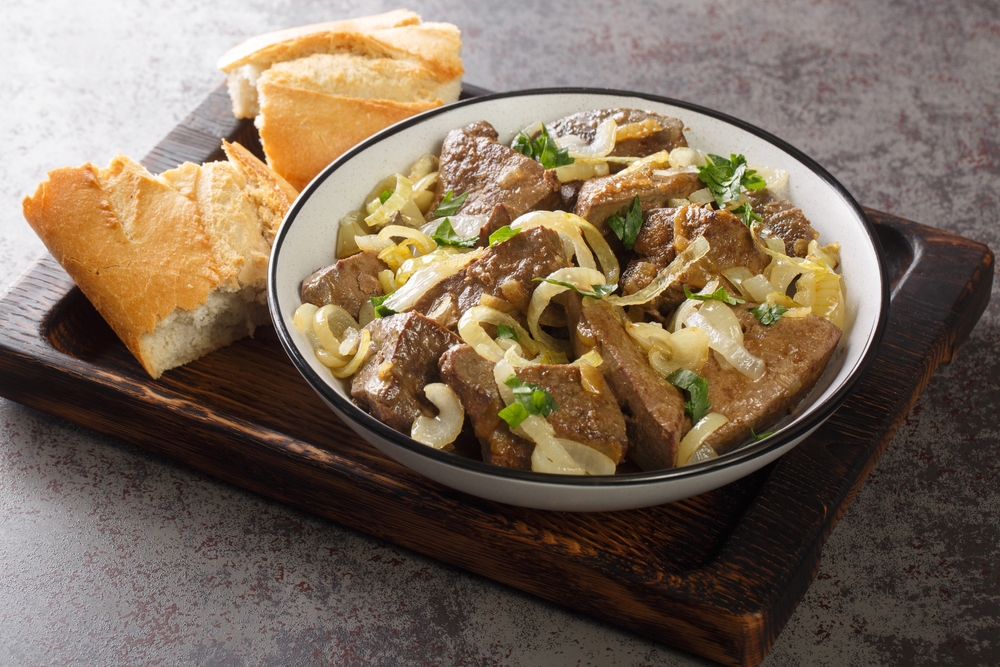
Your grandparents probably ate this regularly, but today’s kids would likely refuse to even try it.
Liver and onions was a weekly staple in many American households, especially during the Depression and World War II when affordable protein was essential.
The dish featured beef or calf liver, sliced thin, pan-fried, and topped with sweet caramelized onions.
Rich in iron and nutrients, it was considered healthy and economical.
However, liver’s strong flavor and unique texture turned off many people, especially younger generations with more food options.
Modern Americans rarely cook organ meats at home, making this once-common dish nearly extinct from family dinner tables.
4. Beef Stroganoff
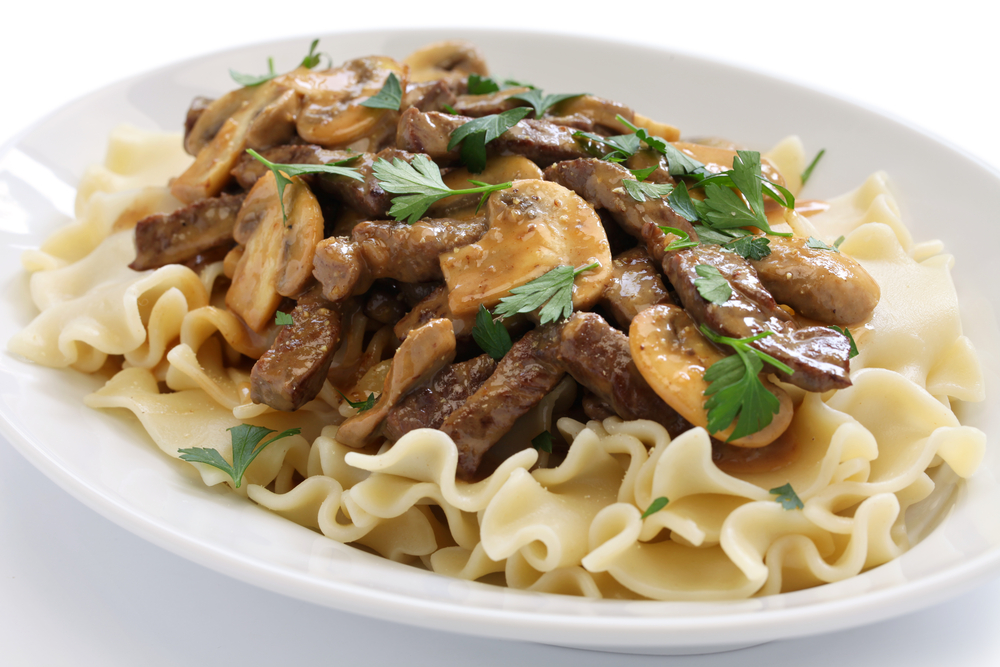
This Russian-inspired dish became an American dinner party favorite throughout the 1960s and 70s.
Beef stroganoff combined tender strips of beef with mushrooms and onions in a rich sour cream sauce, usually served over egg noodles.
Busy homemakers loved it because it looked fancy but was actually quite simple to prepare.
The dish appeared in countless cookbooks and women’s magazines of that era.
As food trends moved away from heavy cream sauces and toward fresher, lighter cuisines, stroganoff’s popularity faded.
While some families still make it occasionally, it’s nowhere near as common as it once was in American kitchens.
5. Welsh Rarebit
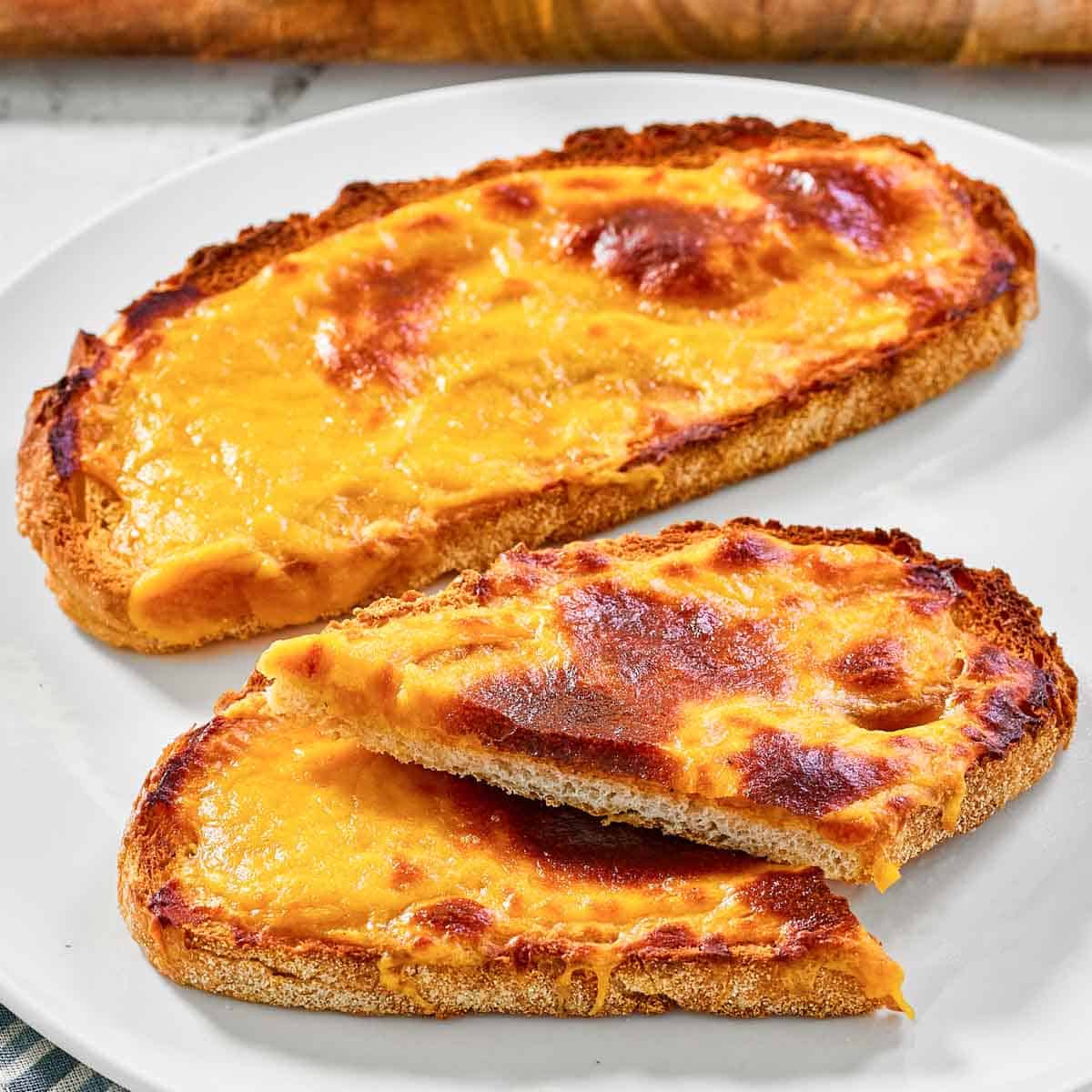
Despite its name suggesting rabbit meat, this dish contains absolutely no rabbit at all.
Welsh rarebit is essentially a sophisticated cheese sauce made with sharp cheddar, beer or ale, mustard, and spices, poured generously over toasted bread.
It was a popular quick meal in American homes and taverns from the late 1800s through the mid-1900s.
The dish offered an economical way to turn simple ingredients into something special and filling.
As grilled cheese sandwiches became the go-to cheese-and-bread comfort food, Welsh rarebit gradually disappeared.
Few modern Americans have even heard of it, let alone tasted this once-beloved cheesy creation from their ancestors’ tables.
6. Ambrosia Salad
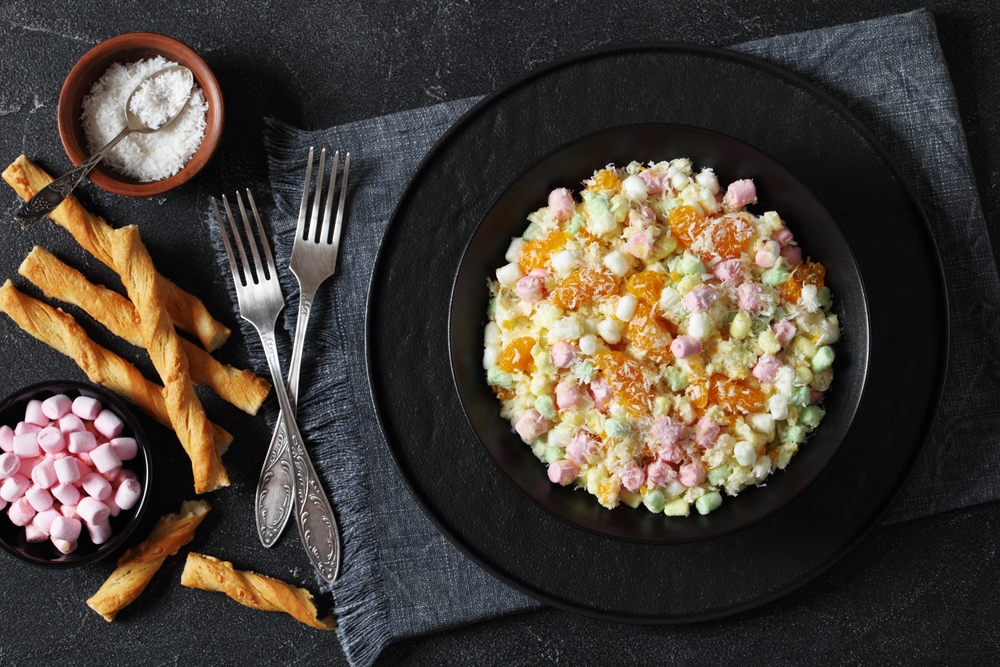
Named after the food of the Greek gods, this sweet concoction was a must-have at every holiday gathering and church potluck.
Ambrosia salad mixed canned fruit cocktail, mini marshmallows, shredded coconut, and sour cream or whipped cream into a fluffy, sweet side dish.
Some families added maraschino cherries or chopped pecans for extra flair.
Popular from the early 1900s through the 1980s, it represented a time when canned fruits were considered convenient and modern.
Today’s preference for fresh ingredients and less sugary sides has made ambrosia seem outdated and overly sweet.
You might still spot it at Southern gatherings, but it’s mostly a nostalgic memory now.
7. Pineapple Upside-Down Cake
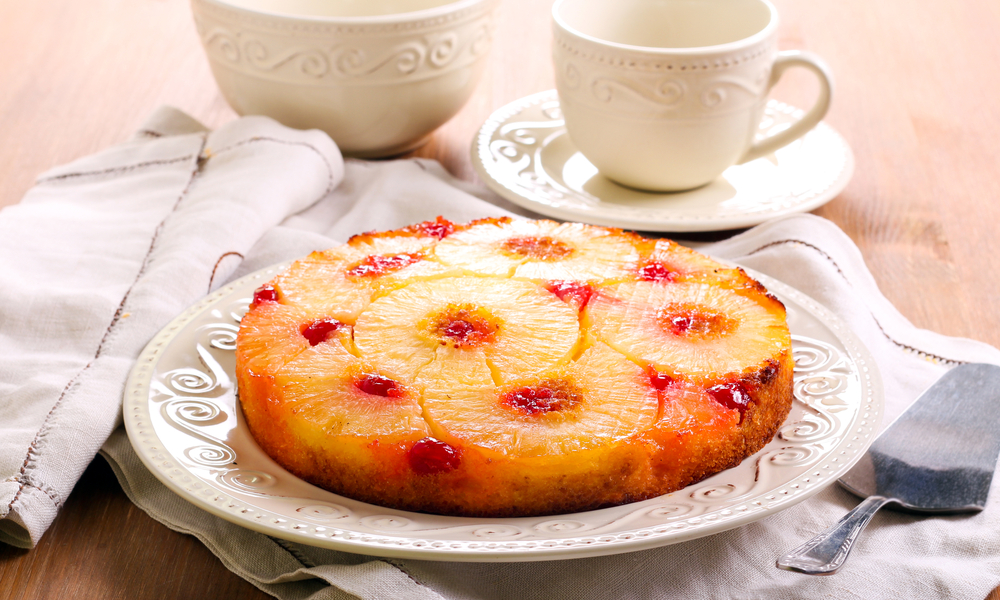
With its sticky-sweet caramelized top and bright maraschino cherries, this cake was the showstopper of mid-century American baking.
Bakers would arrange pineapple rings and cherries in a cast-iron skillet with butter and brown sugar, then pour cake batter over top.
After baking, they’d flip it upside down to reveal the gorgeous fruit topping.
The dessert became especially trendy in the 1950s when canned pineapple was readily available and affordable.
Modern dessert trends favor more complex flavors and less processed ingredients, pushing this classic aside.
Though some grandmas still make it, pineapple upside-down cake has largely vanished from contemporary American dessert tables and bakeries.
8. Salisbury Steak
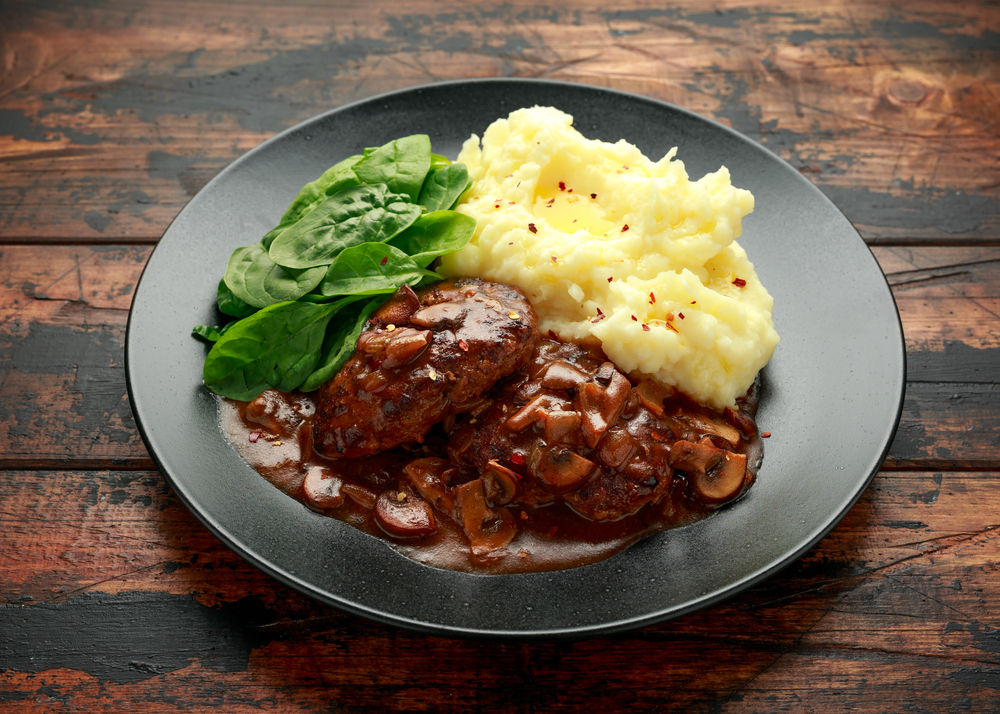
This wasn’t just a hamburger patty—it was fancier, or at least that’s what Americans believed in the 1960s and 70s.
Salisbury steak consisted of seasoned ground beef shaped into oval patties and smothered in rich brown gravy, often with mushrooms.
Named after Dr. James Salisbury, who promoted a meat-centered diet in the 1800s, it became a diner and TV dinner staple.
Families considered it an affordable way to serve something that felt more elegant than regular burgers.
As Americans developed more adventurous palates and questioned processed foods, Salisbury steak’s popularity plummeted.
Today, it’s mostly remembered as a frozen dinner option rather than something people cook from scratch at home.
9. Creamed Chipped Beef
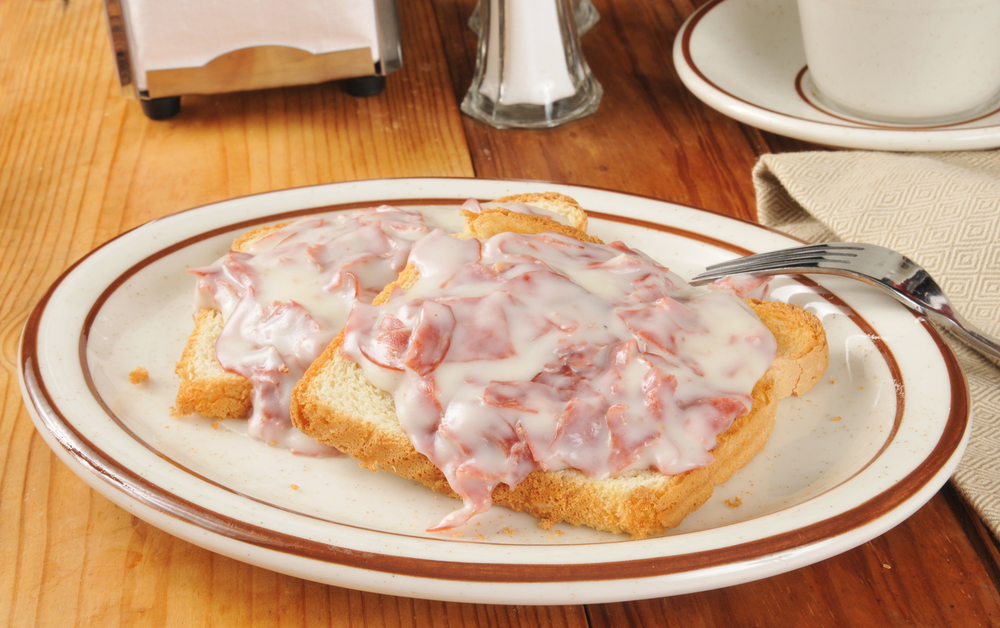
Affectionately nicknamed something we can’t print here, this military mess hall staple found its way into civilian kitchens across America.
Creamed chipped beef combined dried, salted beef in a thick white béchamel sauce, served over toast for a filling breakfast or dinner.
World War II veterans brought their taste for this dish home, making it popular in the 1940s and 50s.
The meal was cheap, quick, and packed with protein—perfect for feeding large families on tight budgets.
Modern tastes find the salty, creamy combination unappealing, and dried beef has become hard to find in stores.
This once-common comfort food has nearly disappeared except in the memories of older generations.
10. Jell-O Salad
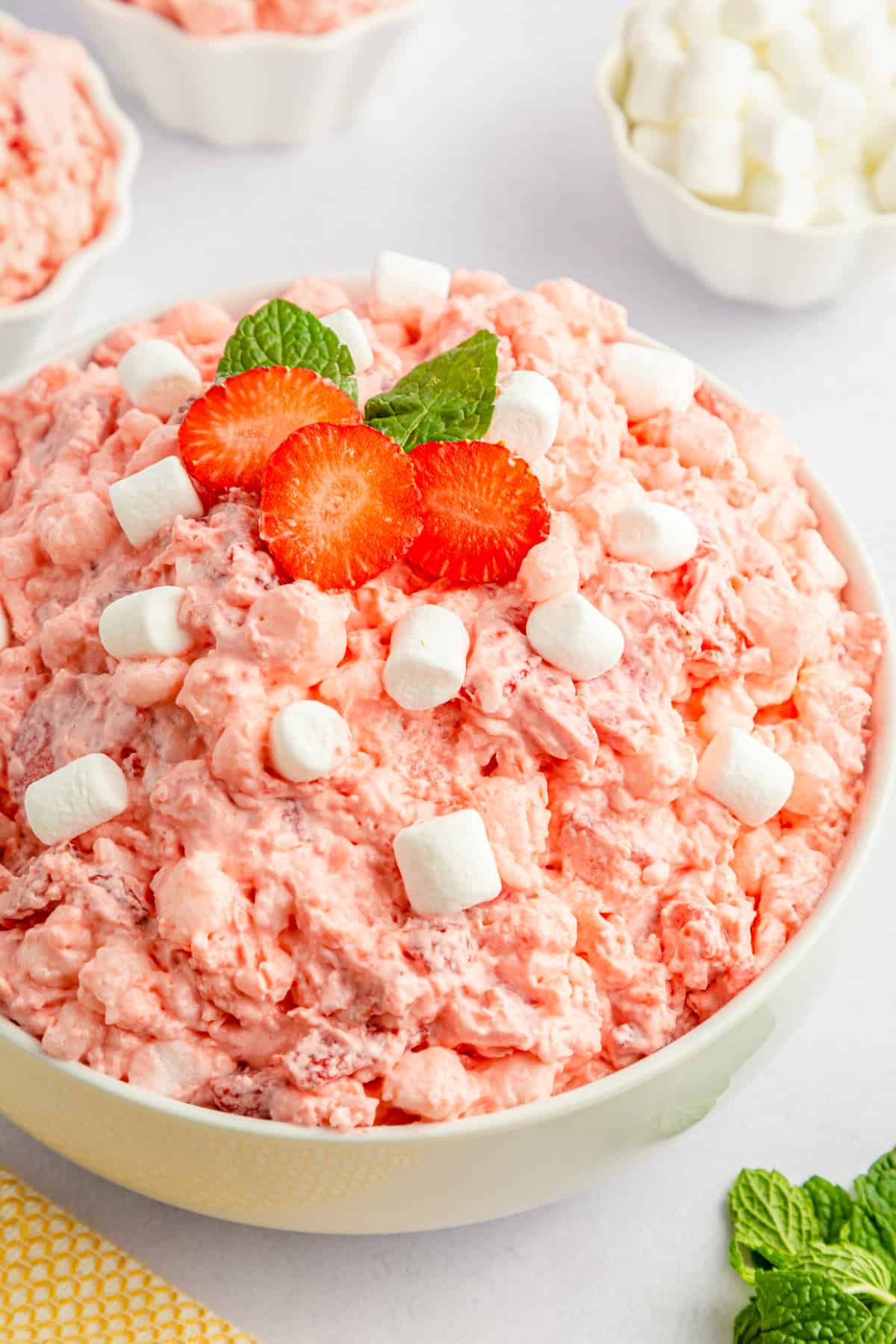
If it could be suspended in gelatin, Americans in the 1950s and 60s would put it there—vegetables, fruits, even seafood.
Jell-O salads came in countless varieties, from lime gelatin with shredded carrots to strawberry with bananas and nuts.
These wiggly creations were considered sophisticated and modern, perfect for showing off at gatherings.
The rise of convenience foods made gelatin molds incredibly popular since they were easy to prepare ahead of time.
As food photography improved, people realized these dishes often looked better than they tasted.
Today, Jell-O salads are mostly jokes on social media, representing outdated food trends that nobody misses, except perhaps for nostalgic purposes at retro-themed parties.
11. Tuna Noodle Casserole
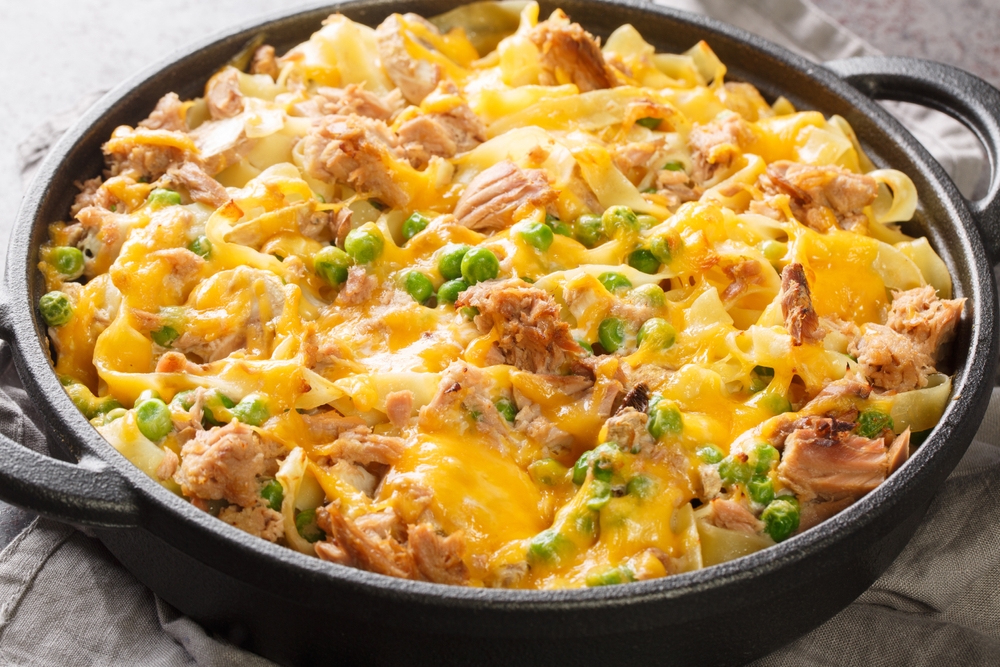
Every busy mom in the 1960s had this recipe memorized—it was the ultimate weeknight dinner solution.
Tuna noodle casserole combined canned tuna, egg noodles, cream of mushroom soup, frozen peas, and a crunchy topping of crushed potato chips or breadcrumbs.
It required minimal cooking skills and used mostly pantry staples, making it incredibly economical.
The dish represented post-war American optimism about convenience foods and modern homemaking.
As fresh food movements gained momentum and people questioned processed ingredients, this casserole fell from grace.
While some families still make it for nostalgia’s sake, it’s rarely seen in contemporary cookbooks or on modern dinner tables across America.
12. Deviled Ham Spread
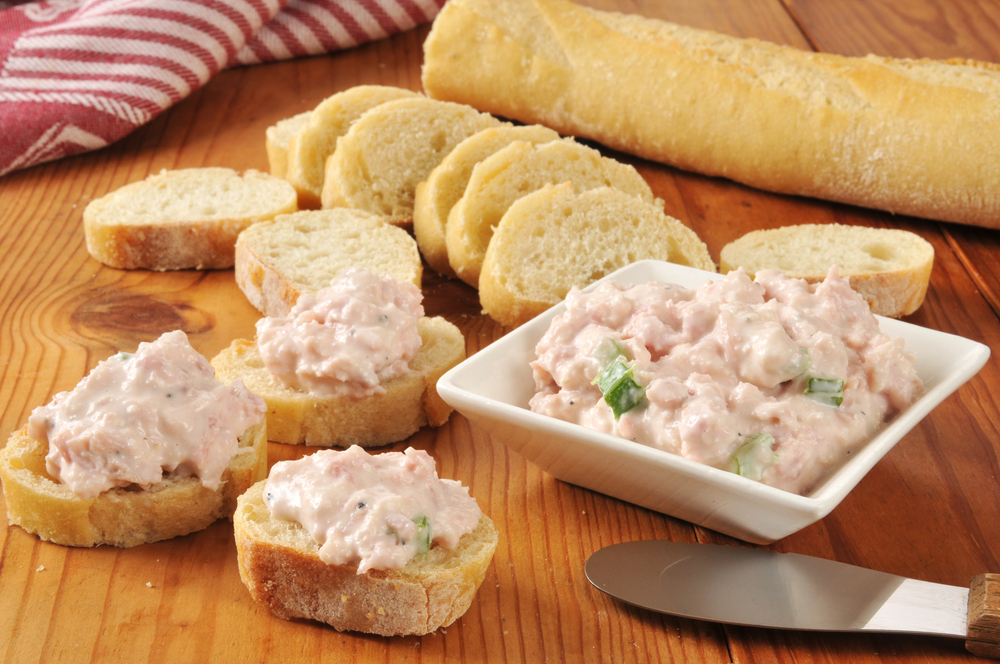
Before fancy charcuterie boards took over, Americans served deviled ham spread at every cocktail party and bridge club meeting.
This potted meat product combined finely ground ham with spices, creating a spreadable paste for crackers, celery sticks, or small sandwich triangles.
The iconic little cans with the red devil logo were pantry staples throughout the early and mid-1900s.
Hostesses appreciated how quickly they could whip up appetizers using this convenient spread.
Modern concerns about processed meats and preference for fresh, whole foods have made deviled ham seem unappetizing and outdated.
Though still available in some stores, hardly anyone buys it anymore, making this once-popular party food nearly extinct from American entertaining.