 MomSkoop

Most people spend decades dreaming about retirement, but not everyone arrives there feeling ready. The truth is, the people who seem to glide into their golden years with ease usually didn’t get lucky — they built smart habits long before they stopped working.
Small choices made years earlier can shape how happy, healthy, and fulfilled retirement actually feels. If you’re still working, you have a real advantage: time to start building those habits right now.
1. They Created An Identity Outside Of Work

For years, the answer to “Who are you?” was simple: your job title.
But when that title disappears at retirement, many people feel genuinely lost — like a phone with a dead battery.
Smart future retirees figured this out early and started investing in hobbies, volunteer roles, and passions that had nothing to do with their paycheck.
Whether it was woodworking, coaching a youth soccer team, or writing short stories, these activities gave them a sense of purpose beyond the office.
Building an identity outside of work is not a luxury — it’s a lifeline.
Start now, and retirement won’t feel like an ending.
It’ll feel like a beginning.
2. They Got Serious About Their Health

Nobody wants to spend retirement in a waiting room.
People who thrive after leaving the workforce usually made a decision years earlier: health wasn’t something to deal with later — it was something to protect right now.
They started moving their bodies regularly, swapping soda for water, and actually showing up to doctor appointments instead of canceling them.
Small, consistent choices added up to big results over time.
Studies consistently show that regular physical activity in midlife dramatically reduces the risk of heart disease, cognitive decline, and depression in older adults.
Your future self can’t go back and exercise for you.
But you can start today.
3. They Saved Consistently — Even When It Was Hard

Retirement savings rarely happen in one big dramatic moment — they happen in a hundred small, quiet ones.
The people who retire comfortably are usually the ones who set up automatic transfers, skipped unnecessary purchases, and treated their savings account like a non-negotiable bill.
Even during tight months, they found a way to put something aside.
Compound interest rewards patience in a way that few things in life do — money saved in your 30s grows far more than money saved in your 50s.
Starting small is perfectly fine.
What matters far more than the amount is the consistency of the habit itself.
4. They Tended To Their Friendships

Loneliness is one of the biggest surprises people face in retirement — and one of the most dangerous.
Research from Harvard’s famous 80-year study on happiness found that strong relationships matter more to long-term health and happiness than wealth, fame, or even exercise.
People who retire well understood this truth early and treated friendships like a garden: something that needs regular watering to stay alive.
They made the effort to call, show up, and stay connected even when life got busy.
Work naturally provides a social circle, so when it’s gone, those friendships can vanish too.
Nurture them now, and you’ll never feel alone later.
5. They Became Curious

Curiosity might just be the secret ingredient in a long, satisfying life.
People who age well tend to stay endlessly interested in the world around them — they ask questions, try new things, and never assume they’ve learned everything worth knowing.
Before retiring, these folks were already signing up for classes, picking up new languages, or exploring topics completely outside their comfort zones.
Staying mentally active isn’t just fun — neuroscientists have found that learning new skills literally builds new connections in the brain, helping protect against memory loss.
Curiosity keeps the mind young and the spirit alive.
Make it a daily habit, starting right now.
6. They Learned How To Be Comfortable With Slowness

Modern life runs at a relentless pace, and many people secretly don’t know how to slow down.
When retirement arrives and the calendar suddenly empties, that unfamiliar silence can feel overwhelming rather than peaceful.
People who handled this transition well had practiced slowing down long before they retired — taking quiet mornings, going for unhurried walks, or simply sitting with a cup of coffee without scrolling their phone.
They learned to find joy in stillness instead of needing constant stimulation.
Comfort with slowness is a skill, not a personality type.
Anyone can build it, and those who do tend to find retirement genuinely restorative rather than restless.
7. They Figured Out What They Actually Wanted
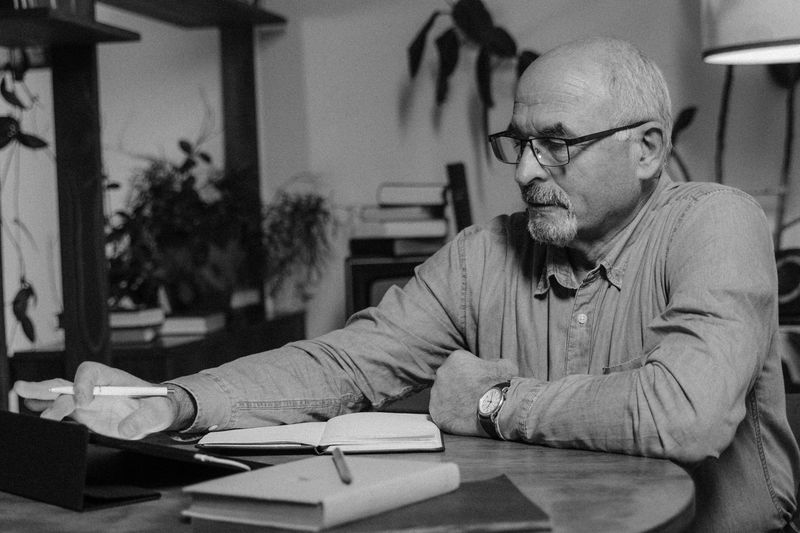
“I’ll figure it out when I retire” is one of the most common — and costly — delays people make.
The retirees who truly flourish are the ones who spent years asking themselves honest questions: What do I value?
How do I want to spend my time?
What kind of life actually makes me feel alive?
They didn’t wait for a blank calendar to hand them the answers.
Journaling, therapy, long conversations with trusted friends — all of these helped them get clear on what they genuinely wanted from life.
Retirement without a sense of direction can feel like a road trip with no destination.
Know where you want to go before you leave.
8. They Got Real About Money

Money stress doesn’t retire when you do — unless you faced it head-on before the paychecks stopped.
People who enter retirement with financial confidence didn’t necessarily earn the most money.
They were simply honest with themselves about what they had, what they needed, and what needed to change.
They tracked their spending, paid down debt with intention, and met with financial advisors instead of avoiding those conversations.
Knowing your numbers removes fear and replaces it with a plan.
Even people who started late found that facing financial reality — however uncomfortable — was far better than ignoring it.
Clarity around money is one of the greatest gifts you can give your future self.
9. They Connected With People Younger Than Them

There’s something quietly powerful about friendships that cross generational lines.
People who age with vitality often maintain close relationships with people much younger than themselves — and it keeps them sharp, open-minded, and genuinely plugged into the world.
Younger friends introduce new music, fresh perspectives, and technology that might otherwise pass them by.
In return, older mentors offer wisdom, patience, and lived experience that no algorithm can provide.
Before retiring, these individuals made a habit of mentoring younger colleagues, joining mixed-age community groups, or simply staying curious about the next generation’s world.
Age gaps in friendships aren’t awkward — they’re enriching, for everyone involved.
10. They Practiced Letting Go

Holding on too tightly — to status, old grudges, past versions of yourself — is exhausting at any age.
But in retirement, the inability to let go can quietly poison what should be a joyful chapter of life.
People who transitioned well had been practicing the art of releasing things long before they handed in their last timesheet.
They forgave people who didn’t deserve it, for their own sake.
They accepted that some career goals would remain unfinished, and made peace with that.
Letting go isn’t weakness — it’s one of the most mature and courageous things a person can do.
The lighter you travel into retirement, the freer you’ll feel.