 MomSkoop
Music moves fast, and every generation has its own set of superstars who ruled the radio and sold out arenas. But what happens to those artists when the next wave of pop culture rolls in?
Some of the biggest names from the 1980s and 1990s have quietly faded from the spotlight, even though they once had millions of fans singing their songs word for word. If you’re a Gen Z listener, get ready to discover some seriously talented artists your parents probably still hum in the car.
1. Paula Abdul
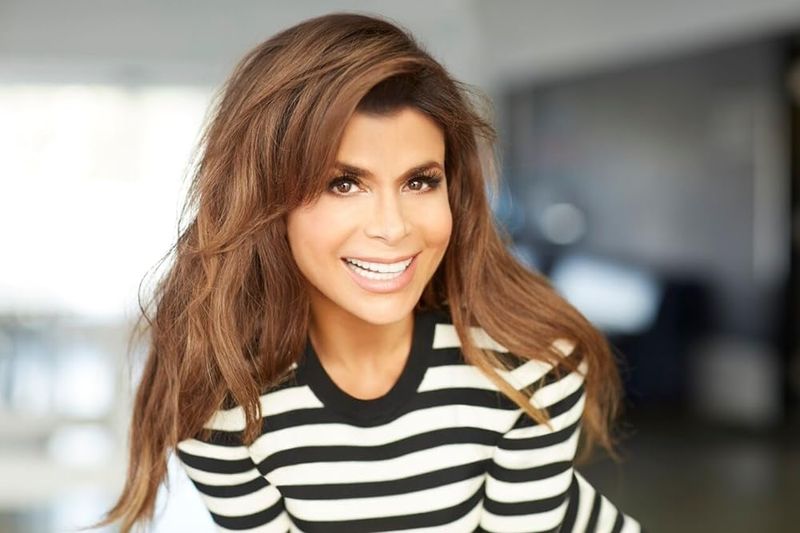
Before she became a familiar face on television, Paula Abdul was one of the hottest pop stars on the planet.
Her 1988 debut album Forever Your Girl produced four number-one singles, including the irresistible Straight Up, which had everyone doing her signature dance moves.
Abdul was unique because she was also an award-winning choreographer, which made her music videos feel like mini dance films.
Rush Rush, her emotional ballad from 1991, topped the charts for five straight weeks.
She had the full package — voice, moves, and screen presence.
Many younger listeners today would recognize her from American Idol but have no idea she was once a massive pop force in her own right.
2. Debbie Gibson
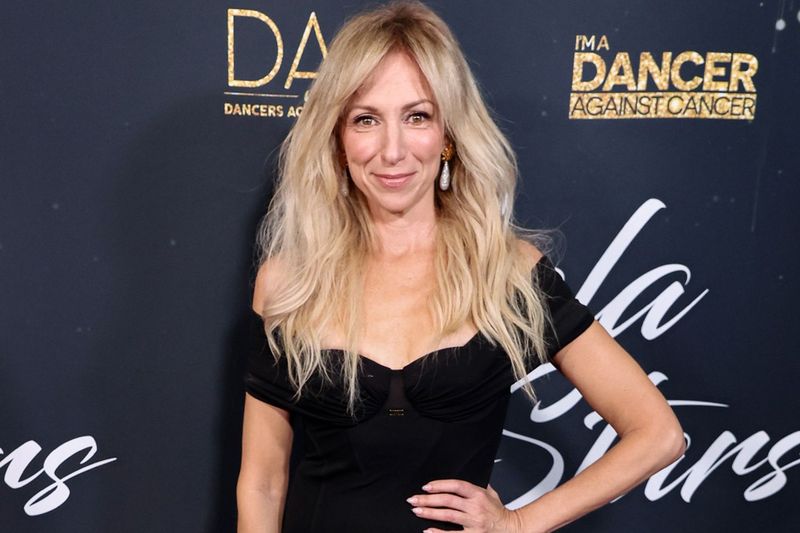
At just 16 years old, Debbie Gibson became the youngest artist ever to write, produce, and perform a number-one Billboard hit — a record that still turns heads today.
Her song Foolish Beat from 1988 proved she was far more than just another bubblegum pop act.
Lost in Your Eyes followed in 1989 and cemented her status as a true teen pop queen.
She sold out arenas and had a fanbase that rivaled much bigger adult artists of the era.
Gibson wrote and produced her own music at an age when most kids were still figuring out high school.
Her talent was real, her success was massive, and her story deserves way more recognition than it gets today.
3. Richard Marx
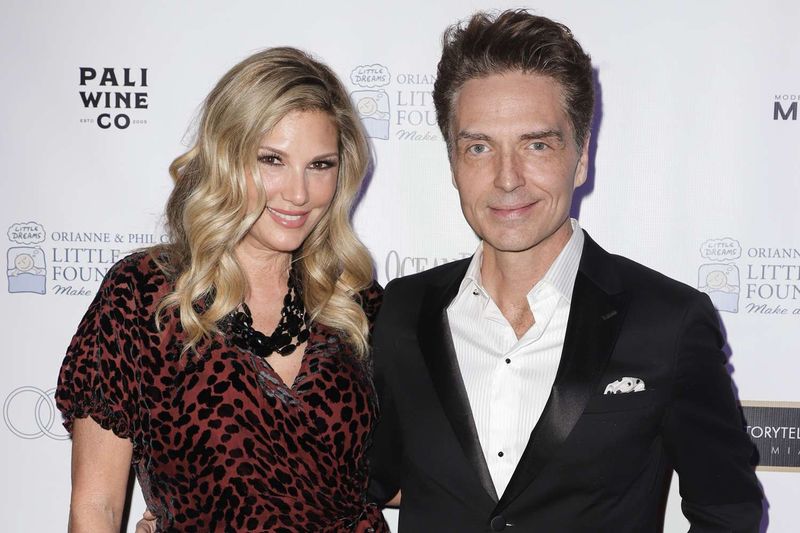
Few voices defined adult contemporary radio in the late 1980s quite like Richard Marx.
His smooth, emotional sound and heartfelt lyrics made songs like Right Here Waiting feel like they were written specifically for whoever was listening.
Marx had an incredible run — his debut album produced four top-five singles, a feat that almost no artist had pulled off before.
Hazard, his dramatic 1992 storytelling ballad, became one of the most-played songs of that year worldwide.
What made him stand out was his ability to craft melodies that stuck in your head for days.
Today, Right Here Waiting is still used in movies and TV shows, yet many younger fans have no idea who originally sang it.
4. Tiffany
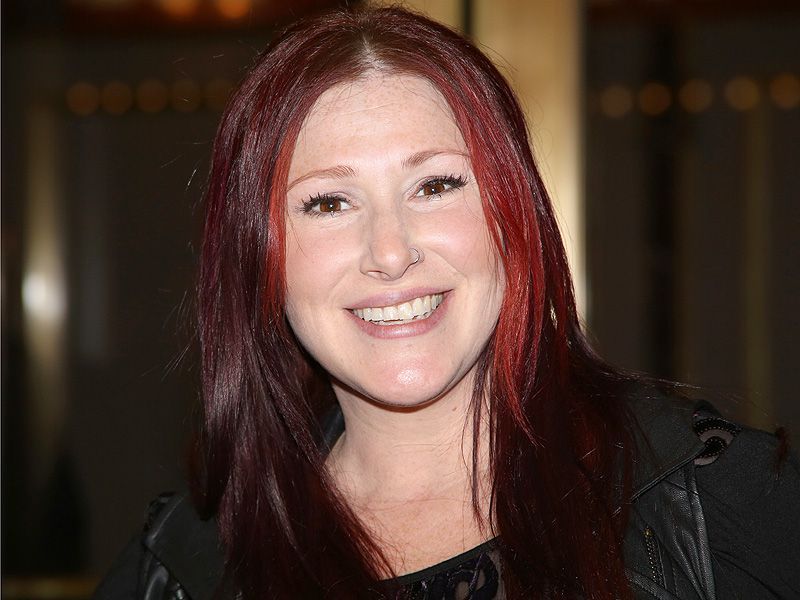
Long before pop stars used social media to build a following, Tiffany literally went to shopping malls.
Her 1987 mall tour strategy was so unconventional that it became legendary in music marketing history, and it worked brilliantly.
Her cover of I Think We’re Alone Now shot straight to number one and stayed there for two weeks, turning a teenage girl from California into a household name overnight.
She followed it up with Could’ve Been, another chart-topper that showed she had genuine vocal ability beyond the hype.
Tiffany was everywhere — on lunchboxes, in teen magazines, and on every radio station.
Her pop reign was short but spectacular, and her creative promotional approach changed how record labels thought about reaching young audiences.
5. Billy Ocean
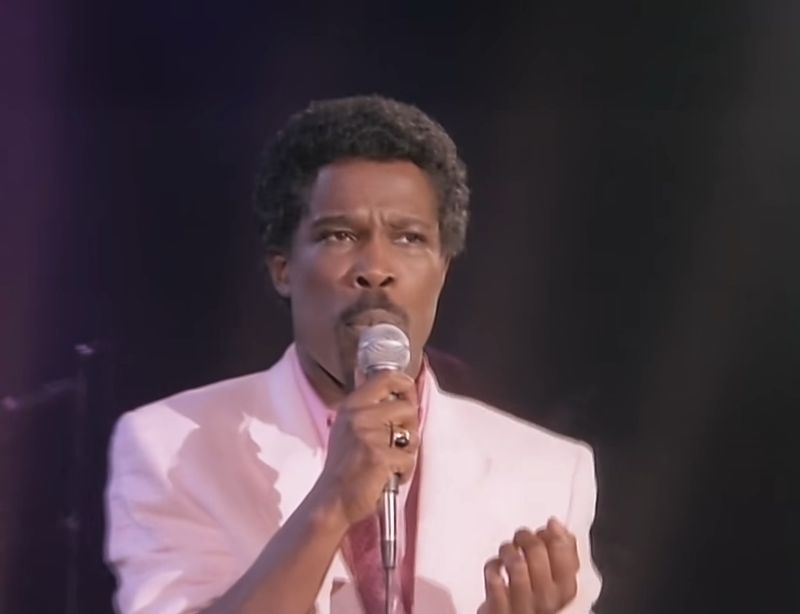
Caribbean Queen was so catchy in 1984 that it felt like it belonged on every summer playlist ever made.
Billy Ocean had a warm, soulful voice and an effortless charm that made his music feel both exciting and deeply emotional at the same time.
He kept the hits coming with Get Outta My Dreams, Get into My Car in 1988, which became one of the biggest songs of that entire year.
Ocean blended R&B, pop, and Caribbean rhythms in a way that felt genuinely fresh and fun.
He won a Grammy for Caribbean Queen and earned fans across multiple continents.
His music still holds up today, but somehow his name has quietly slipped out of the cultural conversation for younger generations.
6. Belinda Carlisle
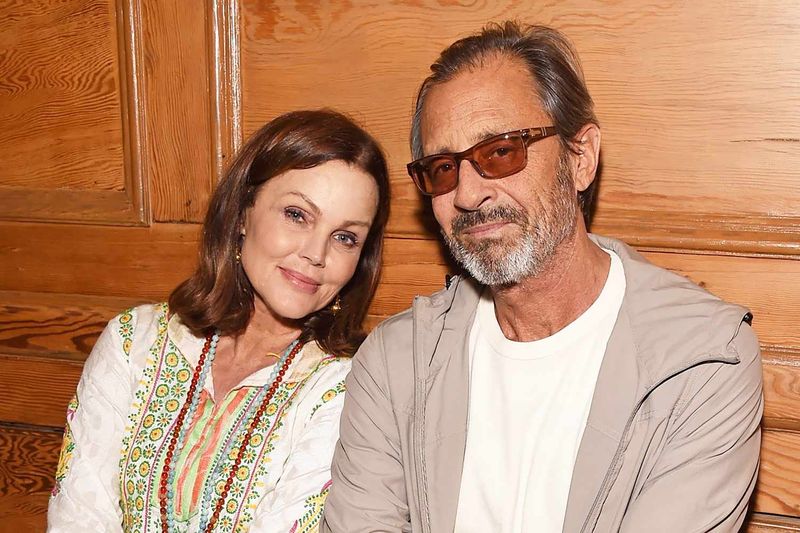
Heaven Is a Place on Earth is one of those songs that sounds like pure joy bottled up and turned into music.
When Belinda Carlisle released it in 1987, it became an instant global smash, hitting number one in multiple countries and earning her a Golden Globe nomination for the accompanying film.
Before going solo, Carlisle was the frontwoman of The Go-Go’s, one of the first all-female bands to both write their own songs and top the Billboard album chart.
Her solo career proved she was even bigger on her own.
Mad About You and Circle in the Sand added to her impressive run of hits.
For Gen Z listeners who love feel-good pop anthems, her music catalog is an absolute goldmine waiting to be discovered.
7. Taylor Dayne

Few debut singles in pop history made as big a splash as Tell It to My Heart in 1987.
Taylor Dayne arrived on the scene fully formed — powerful voice, commanding stage presence, and a sound that sat perfectly between dance pop and soul.
She racked up eleven top-ten hits during her career, a staggering number that put her alongside some of the biggest names of her era.
Prove Your Love and I’ll Always Love You showed she could handle tender ballads just as confidently as her club-ready dance tracks.
Dayne was frequently compared to Whitney Houston for the sheer strength of her vocals.
Yet somehow, outside of dedicated music fans, her name rarely comes up in conversations about the greatest female voices of the 1980s.
8. Lisa Loeb
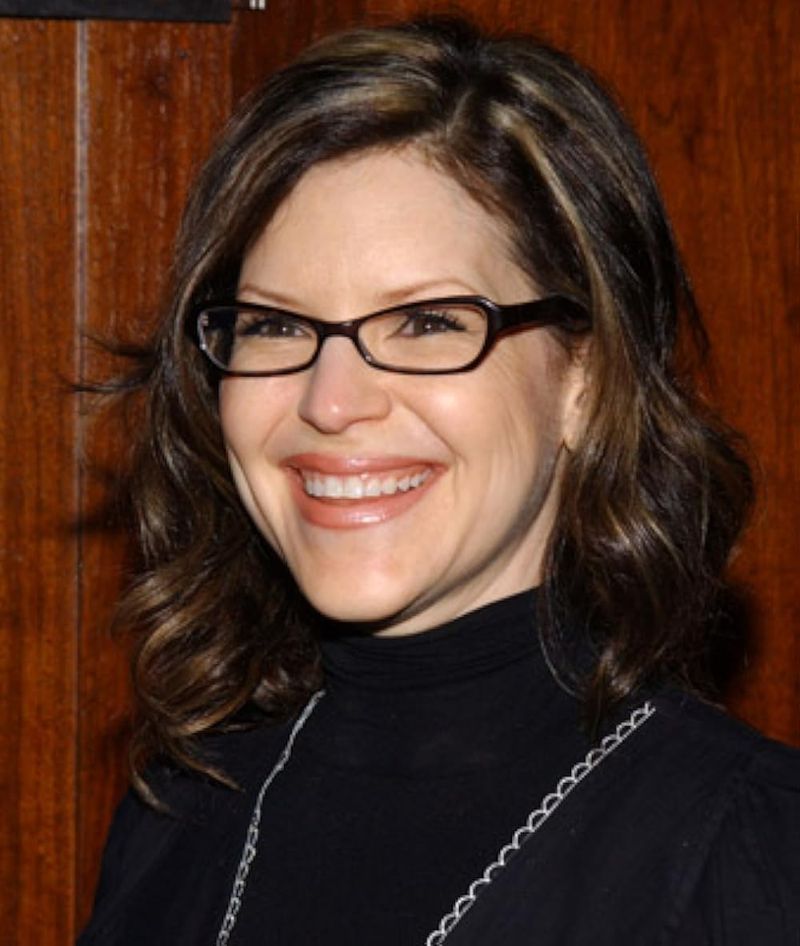
Stay (I Missed You) has one of the most interesting backstories in pop history.
Lisa Loeb recorded the song before she even had a record deal, and it ended up on the Reality Bites soundtrack in 1994 — then climbed all the way to number one on the Billboard Hot 100.
That made her the first unsigned artist ever to have a number-one single in the United States, which is a remarkable achievement that still sounds almost impossible today.
Her warm, confessional songwriting style and signature round glasses gave her an instantly recognizable image.
Loeb continued making music and even created children’s albums later in her career.
Her debut hit remains a defining song of mid-90s culture, even if her name has faded from mainstream memory.
9. Wilson Phillips
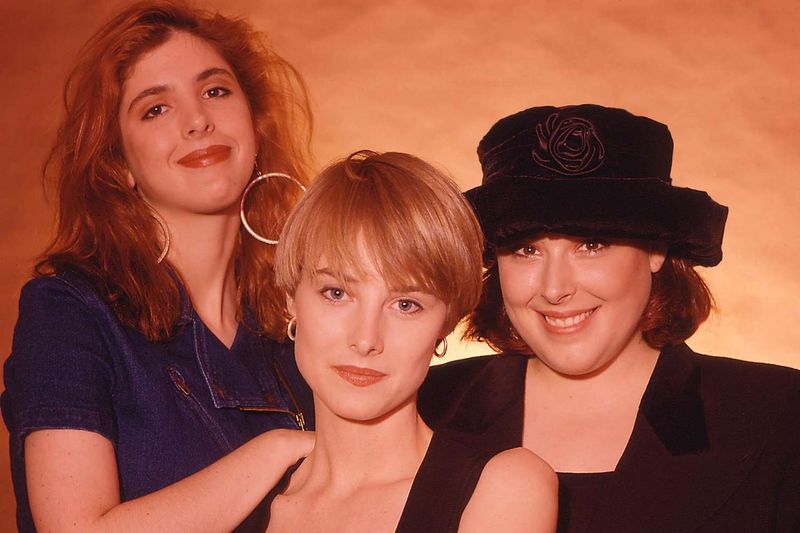
Hold On was practically the anthem of 1990.
Wilson Phillips — made up of Carnie Wilson, Wendy Wilson, and Chynna Phillips — had harmonies so smooth and powerful that the song felt like a warm hug during uncertain times.
What made the trio extra fascinating was their musical pedigree: Carnie and Wendy were daughters of Beach Boys legend Brian Wilson, while Chynna was the daughter of John and Michelle Phillips of The Mamas and the Papas.
That’s a serious amount of musical DNA in one group.
Release Me and You’re in Love also became major hits, cementing their status as one of the most successful debut acts of the early 1990s.
Their story is genuinely compelling, and their music still resonates with anyone who gives it a listen.
10. Amy Grant
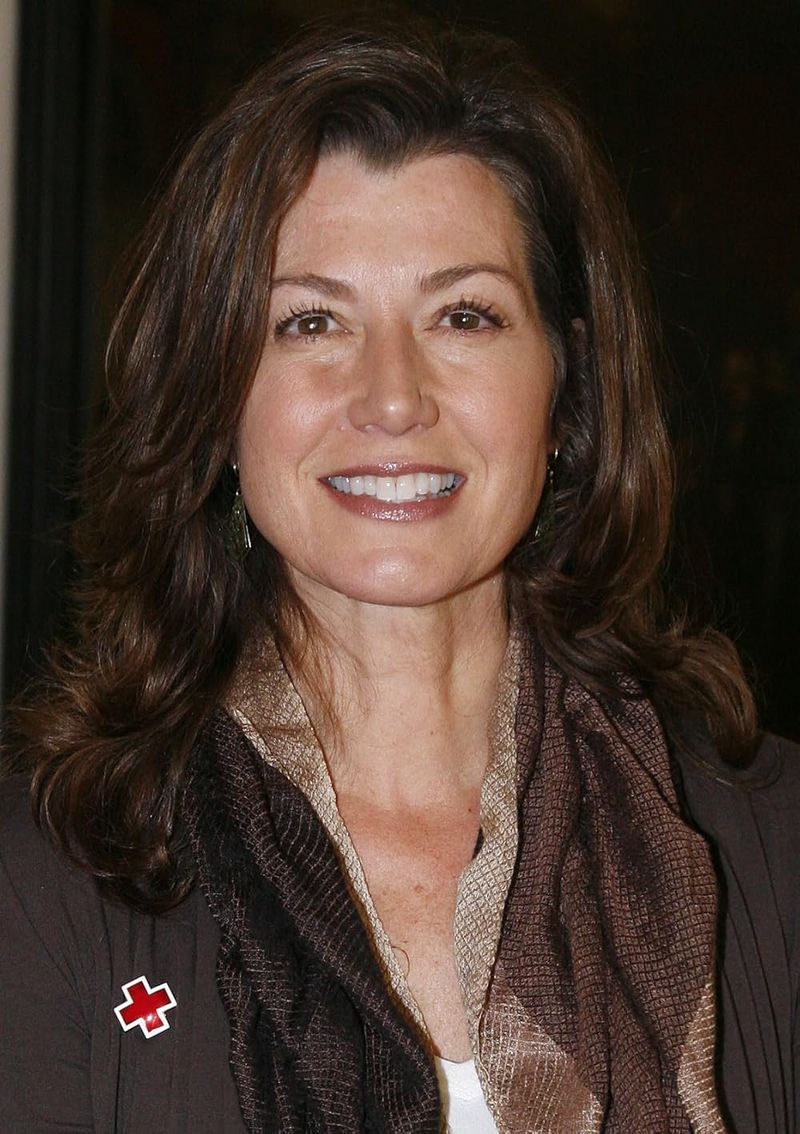
Amy Grant pulled off something that almost nobody had managed before — she crossed over from Christian music to mainstream pop and became a genuine chart-topping superstar in both worlds.
Baby Baby from 1991 was so irresistibly sweet that it reached number one and stayed in heavy rotation for months.
Grant had already won multiple Grammy Awards in the Christian music world before mainstream audiences discovered her.
That Every Heartbeat and Good for Me kept her pop momentum going strong throughout the early 1990s.
She was a trailblazer who opened doors for future artists navigating the line between faith-based and mainstream music.
Today, her influence is enormous in both genres, but younger listeners often discover her music through covers or samples without realizing who the original artist was.
11. Terence Trent D’Arby (Sananda Maitreya)
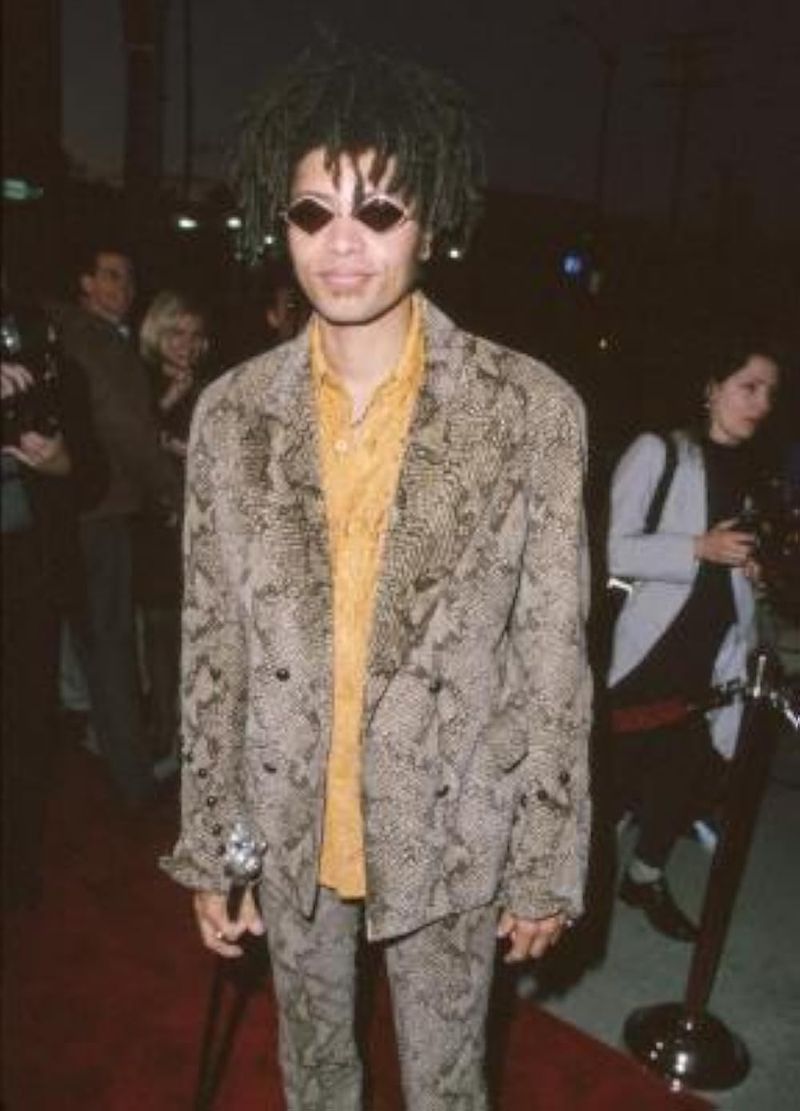
When Terence Trent D’Arby burst onto the scene in 1987, the hype around him was almost unreal.
His debut album Introducing the Hardline According to Terence Trent D’Arby sold over 10 million copies worldwide and produced the silky, unforgettable Sign Your Name — a song so beautiful it still gives listeners chills.
Wishing Well hit number one in the United States, and critics were already comparing him to Michael Jackson and Prince.
He had the voice, the look, and the charisma to match those enormous expectations.
Later in life, he legally changed his name to Sananda Maitreya following a personal and spiritual transformation.
His early catalog remains stunning, and revisiting those recordings today makes it clear just how much raw, rare talent he possessed.
12. Johnny Hates Jazz
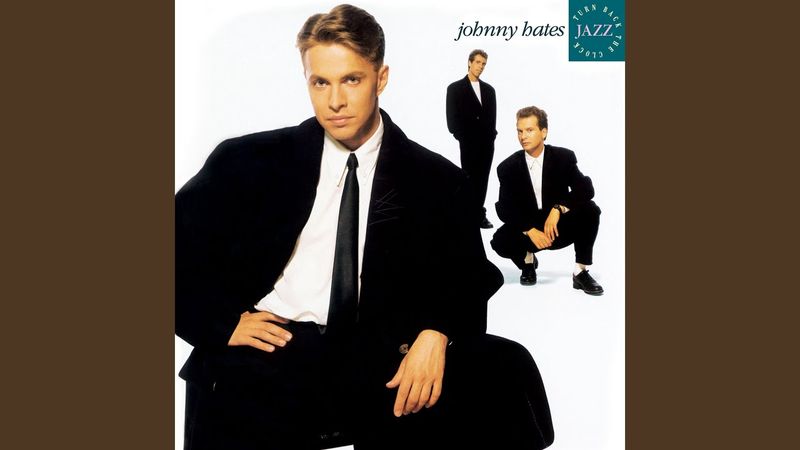
Shattered Dreams hit the airwaves in 1987 and immediately felt like something different — melancholic, cinematic, and emotionally honest in a way that stood out from the brighter, more upbeat pop dominating that era.
Johnny Hates Jazz had a sound that was cool without trying too hard.
The song reached the top five in multiple countries and became one of the defining tracks of late-80s pop radio.
Turn Back the Clock, their debut album, was a polished and sophisticated collection that showed genuine songwriting depth.
Despite their success, the band struggled with lineup changes and never quite recaptured that initial momentum.
Shattered Dreams remains a beloved classic for anyone who grew up in that era, though it often plays on nostalgia stations today without listeners knowing the band’s name.
13. Sheena Easton
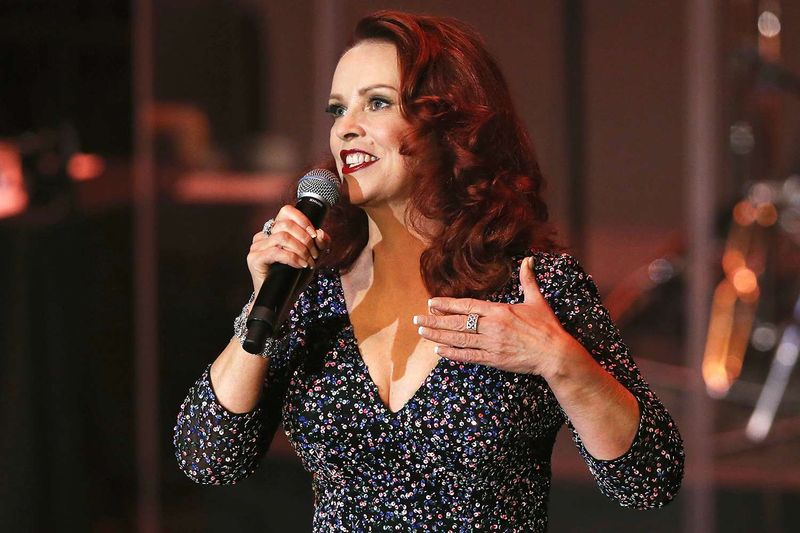
Sheena Easton had one of the most remarkable early career stories in pop music.
A BBC documentary actually followed her attempts to break into the music industry in 1980 — and then, almost unbelievably, her debut single Morning Train (Nine to Five) became a massive hit while the show was still airing.
She went on to record the James Bond theme For Your Eyes Only, making her one of only a handful of artists to perform a Bond song.
Easton also had a huge hit with Strut in 1984 and collaborated with Prince on the provocative U Got the Look.
She won Grammy Awards and earned fans across pop, R&B, and film.
Her range and versatility were extraordinary, yet her name rarely surfaces in today’s conversations about iconic 1980s artists.