 MomSkoop

Most of us grow up learning to be polite, hold doors, say sorry, and let others go first. These habits feel natural and kind, but not everyone receives them the same way.
What seems thoughtful to you might actually make someone else feel uncomfortable or even a little annoyed. Understanding how our well-meaning gestures land with others can help us connect better and communicate more naturally.
1. Apologizing for Everything

Some people say “sorry” so often that the word starts to lose its meaning.
Constant apologies, even for things that are not your fault, can make others feel uneasy or even guilty for simply existing around you.
When every small moment triggers an apology, it can signal low self-confidence rather than genuine remorse.
People around you may feel like they have to reassure you constantly, which gets exhausting fast.
Saving your apologies for moments that truly call for them makes them feel real and sincere.
Try replacing unnecessary “sorrys” with phrases like “excuse me” or “thanks for your patience” to keep conversations feeling balanced and comfortable for everyone involved.
2. Insisting on Paying the Bill

Picking up the tab feels like a generous move, but pushing the issue repeatedly can actually create tension at the table.
When someone insists over and over again, the other person may feel like their offer to contribute is being dismissed or ignored.
Generosity is a wonderful thing, but it works best when it feels mutual.
Constantly grabbing the bill can unintentionally send the message that you do not trust the other person to handle their share.
A simple, gracious acceptance the first or second time someone offers to split or pay goes a long way.
Real friendship thrives on balance, not one person always playing the role of the generous provider.
3. Giving Unsolicited Advice

Your friend vents about a rough day at work, and before they finish their sentence, you are already listing solutions.
It feels helpful in the moment, but many people just want someone to listen, not fix things.
Jumping straight into advice mode can make the other person feel like their emotions are being rushed past.
Sometimes the most supportive thing you can do is simply nod, stay quiet, and let them feel heard.
Before offering suggestions, try asking, “Do you want advice, or do you just need to talk?” That one small question shows respect for what the other person actually needs, and it makes your support feel far more genuine and welcome.
4. Overusing Compliments

Compliments are wonderful, but when they come every few minutes, they start to feel less like genuine praise and more like a performance.
Hearing “you are amazing” ten times in one afternoon makes it hard to believe any single instance.
Over-the-top flattery can actually make people suspicious of your motives.
They may wonder if you want something, or if you are just saying nice things to fill the silence rather than because you mean them.
Thoughtful compliments land much harder when they are specific and well-timed.
Telling someone their presentation was clear and well-organized means far more than a generic “you are so talented.” Quality always beats quantity when it comes to making someone feel truly appreciated and seen.
5. Holding the Door From Too Far Away

Few things create a more awkward shuffle than spotting someone holding a door open from halfway across the lobby.
Suddenly, you feel pressured to speed up, even if you were perfectly comfortable at your own pace.
The gesture comes from a kind place, but the execution can flip the dynamic entirely.
Instead of feeling helped, the person rushing toward the door may feel a little embarrassed or even mildly stressed by the unspoken obligation to hurry.
A good rule of thumb: hold the door only if someone is close enough that it would be rude not to.
When the gap is large, letting the door close naturally is actually the more considerate choice for everyone involved.
6. Refusing Compliments

“Oh, this old thing?
I got it on clearance.” Sound familiar?
Brushing off compliments is something many people do out of modesty, but it can actually make the person giving the compliment feel a little awkward or even foolish for saying something nice.
When you deflect every kind word, you are essentially telling the other person their observation was wrong or unnecessary.
Over time, people may stop bothering to compliment you at all, simply to avoid the uncomfortable back-and-forth.
Accepting a compliment gracefully is a skill worth practicing.
A simple “thank you, that means a lot” wraps things up warmly without any drama.
You do not have to gush, just receive the kindness with a smile and move on naturally.
7. Always Letting Others Choose

“Whatever you want” sounds easygoing, but when someone uses it every single time a decision comes up, it can quietly become a burden for the other person.
Making all the choices, even small ones like picking a restaurant, is mentally tiring.
This habit often comes from wanting to be low-maintenance or avoid conflict.
The tricky part is that always deferring can actually create more friction than simply stating a preference would have in the first place.
Sharing your opinion, even a mild one, shows that you are engaged and invested in the experience.
Try saying, “I am open to either, but I am leaning toward pizza tonight.” That small bit of input takes pressure off the other person and makes the interaction feel more like a real conversation between equals.
8. Helping Without Asking

Jumping in to carry someone’s groceries or finishing their task for them feels like pure helpfulness, but it does not always land that way.
Some people take real pride in handling things independently, and an uninvited assist can feel like a quiet suggestion that they cannot manage on their own.
This is especially true in situations involving age, ability, or expertise.
A well-meaning gesture can accidentally come across as condescending, even when the intention was completely the opposite.
A better approach is to offer first. “Would you like a hand with that?” takes only a second to ask and gives the other person the dignity of choosing.
Respecting someone’s autonomy is often the most thoughtful form of help you can offer them.
9. Being Overly Formal

There is something a little off-putting about someone who speaks in full, stiff sentences at a casual Friday hangout.
Excessive formality in relaxed settings can create an invisible wall between you and the people around you, making connection harder rather than easier.
When someone is overly polished in a casual moment, others may wonder if they are uncomfortable, uninterested, or simply not enjoying themselves.
The formality, meant to show respect, can accidentally read as coldness or distance.
Reading the room is a genuinely valuable social skill.
Matching your tone to the setting helps people feel at ease with you.
Being warm and a little relaxed does not mean being rude; it means showing up as your real, approachable self in the right context.
10. Avoiding Disagreement at All Costs

Always agreeing to keep the peace sounds harmless, but people pick up on it faster than you might think.
When someone never pushes back, never offers a different view, and nods along with everything, it can start to feel hollow and even a little unsettling.
Authentic relationships are built on honest exchanges, not constant agreement.
If a friend suspects you are just telling them what they want to hear, trust erodes quietly over time, even without a single argument ever happening.
Respectful disagreement is actually a sign of healthy communication.
Saying “I see it a little differently” opens a real conversation rather than closing one down.
People generally respect someone who engages honestly far more than someone who simply mirrors everything back at them.
11. Giving Up Your Seat Automatically
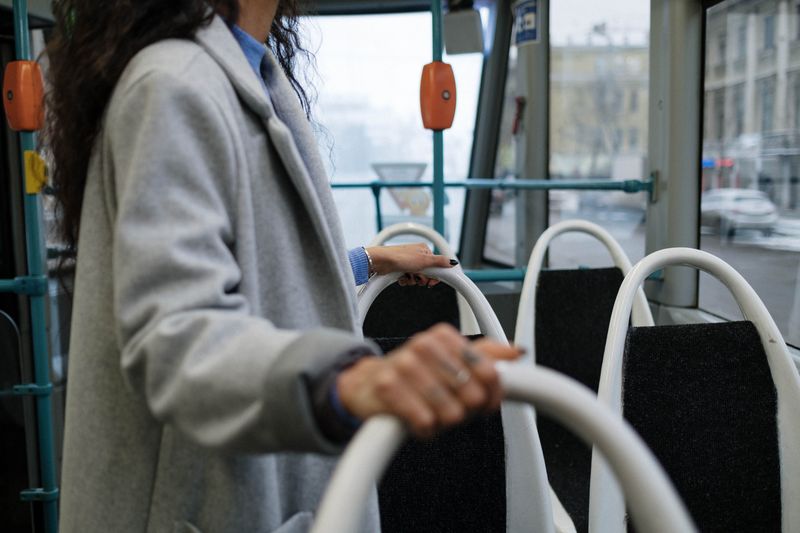
Offering your seat on a bus or subway feels like classic good manners, and often it absolutely is.
But automatically jumping up for someone based solely on their appearance can sometimes send an unintended message about how you perceive them.
Offering a seat to someone who does not feel they need one, based on assumptions about their age or physical condition, can feel more like an insult than a kindness.
Some people work hard to be seen as capable and independent, and the gesture can cut against that.
A gentle approach works best here.
Making brief eye contact and giving a small nod or quiet offer leaves the choice entirely with the other person, which is both respectful and genuinely thoughtful without making anyone feel singled out.
12. Saying No Problem to Every Thank-You

“No problem” has become one of the most common responses to “thank you,” and most of the time, people use it without thinking twice.
But in certain settings, especially professional or more formal ones, it can accidentally imply that the task could have been a problem under different circumstances.
Older generations in particular sometimes interpret “no problem” as slightly dismissive, as if the person is suggesting the help was barely worth mentioning.
The intention is friendly, but the effect can feel like a small brush-off.
Swapping in “of course,” “happy to help,” or “my pleasure” costs nothing and tends to land more warmly across a wider range of people and situations.
Small word choices carry more weight than we often realize in everyday exchanges.