 MomSkoop

The hippie movement of the 1960s and 1970s was one of the most colorful and unforgettable chapters in American history. People who lived through that era often carry little pieces of it with them to this day, whether it is a favorite record, a piece of tie-dye clothing, or a phrase that slips out in conversation.
If you know someone who grew up during that time, you might start noticing some telltale signs that they were part of the counterculture scene. Here are 13 things that might give it away.
1. They Still Rock Tie-Dye and Handmade Clothing
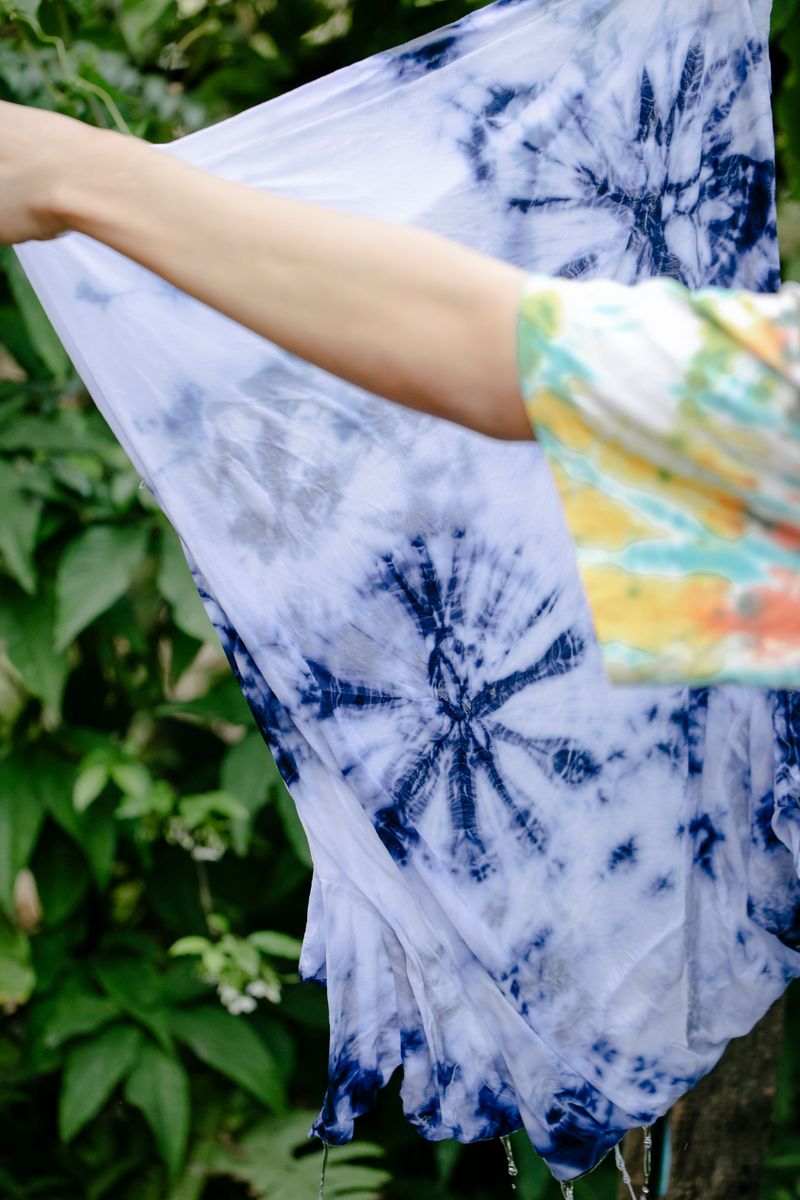
Walk into their closet and you might feel like you stepped into a rainbow.
Tie-dye was not just a fashion trend for hippies – it was a form of self-expression and creativity that felt deeply personal.
Many former hippies never let go of that love for color and handmade style.
Even today, they might reach for a tie-dye shirt without a second thought.
Some still make their own clothing or buy from artisan crafters.
For them, wearing something mass-produced and boring just does not feel right.
Handmade clothing carried a message: be yourself, stand out, and celebrate individuality.
That spirit never really goes out of style for someone who truly lived it.
2. Classic Rock and Folk Music Fill Their Playlist
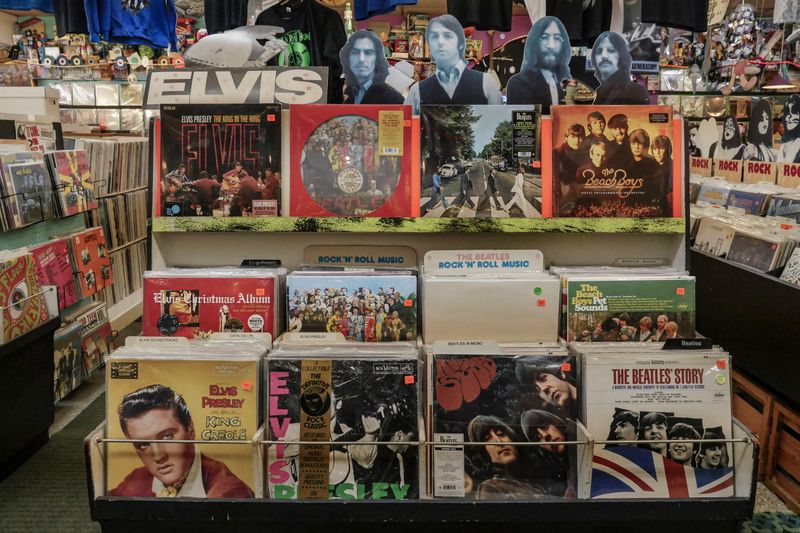
Ask them to name their favorite band and the answer will likely come fast – the Grateful Dead, Bob Dylan, Jimi Hendrix, or Jefferson Airplane.
For people who came of age in the ’60s and ’70s, music was not background noise.
It was the heartbeat of a whole generation’s beliefs and feelings.
Folk music told stories of protest and hope.
Rock music shook the world and challenged authority.
Together, they formed the soundtrack of a cultural revolution that still resonates decades later.
You might notice they can recite every lyric to songs from 1968 but forget what they had for breakfast.
That kind of musical memory runs bone-deep, and it is one of the clearest signs of a former hippie.
3. Festival Stories That Sound Almost Unbelievable
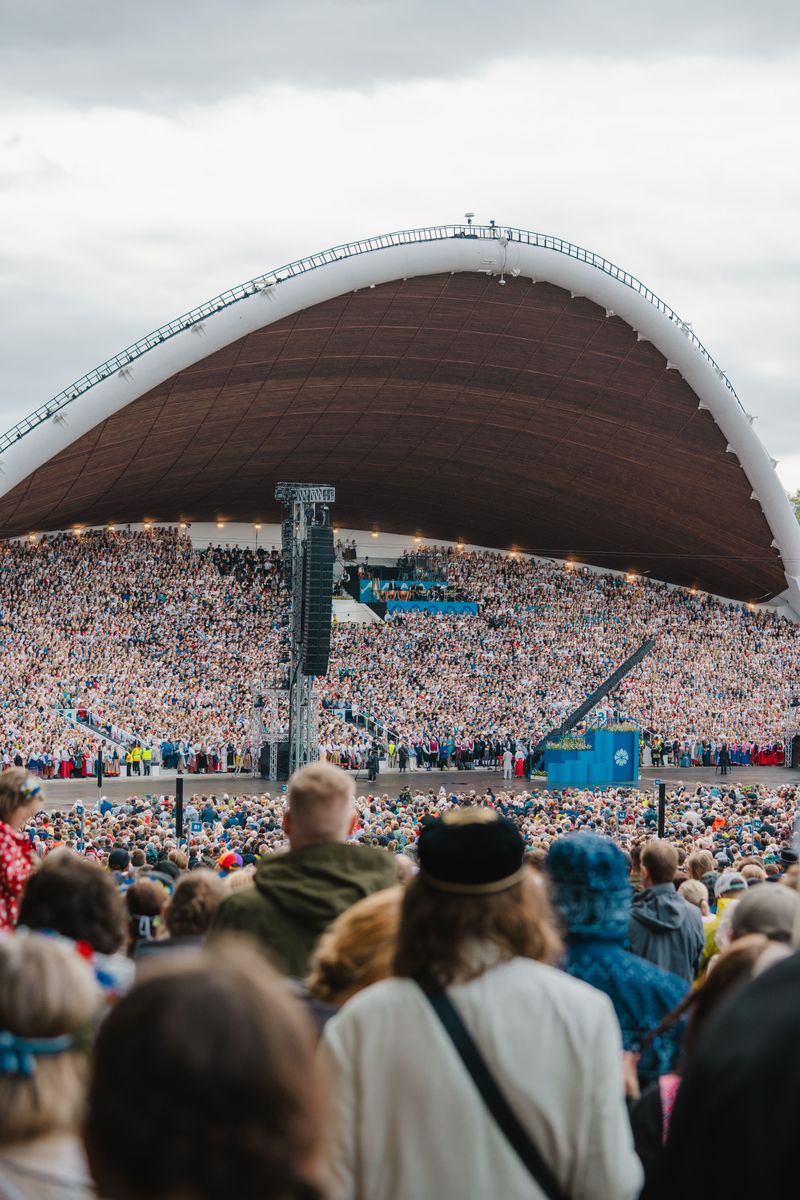
Mention Woodstock around someone who was there and watch their eyes light up.
The music festivals of the ’60s and ’70s were legendary gatherings that brought hundreds of thousands of people together in the name of music, peace, and freedom.
For many hippies, those events were life-changing moments they never forgot.
Even those who did not attend Woodstock have vivid memories of the festival scene.
Local concerts, traveling shows, and outdoor gatherings were a regular part of hippie life.
The stories they tell often sound too wild to be true.
Mud, music, community, and a sense of anything-is-possible – those memories tend to stay fresh no matter how many years pass.
When they start talking, clear your schedule.
4. Groovy Phrases Slip Into Everyday Conversation
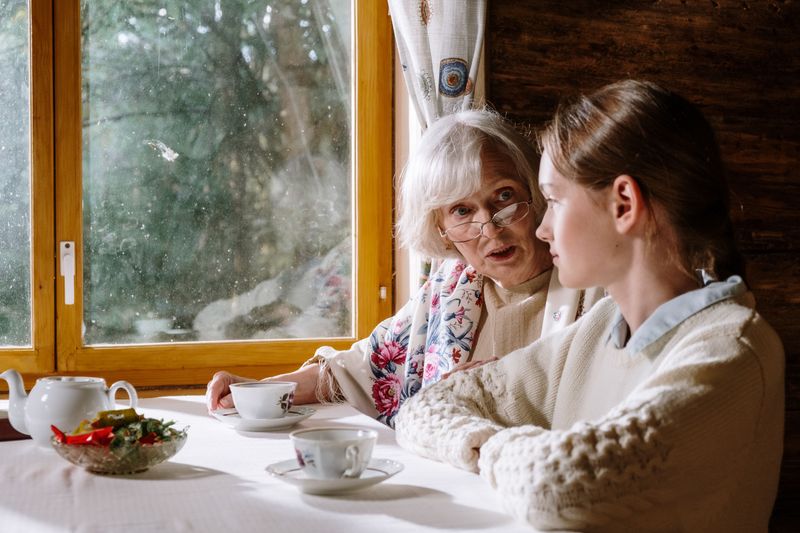
“Far out!” “Right on!” “That’s groovy!” If these phrases pop up naturally in someone’s conversation, there is a good chance they spent their formative years surrounded by the counterculture.
Hippie slang was its own little language, full of warmth and enthusiasm that standard vocabulary just could not capture.
These expressions were not just trendy words – they carried a laid-back, positive energy that matched the hippie worldview.
Saying “groovy” was a small act of belonging to something bigger than yourself.
Many former hippies use these phrases without even realizing it.
It is like a verbal time capsule that pops open mid-sentence.
If your grandparent or older friend drops one of these gems, now you know exactly where it came from.
5. A Treasure Trove of Vinyl Records and Concert Memorabilia
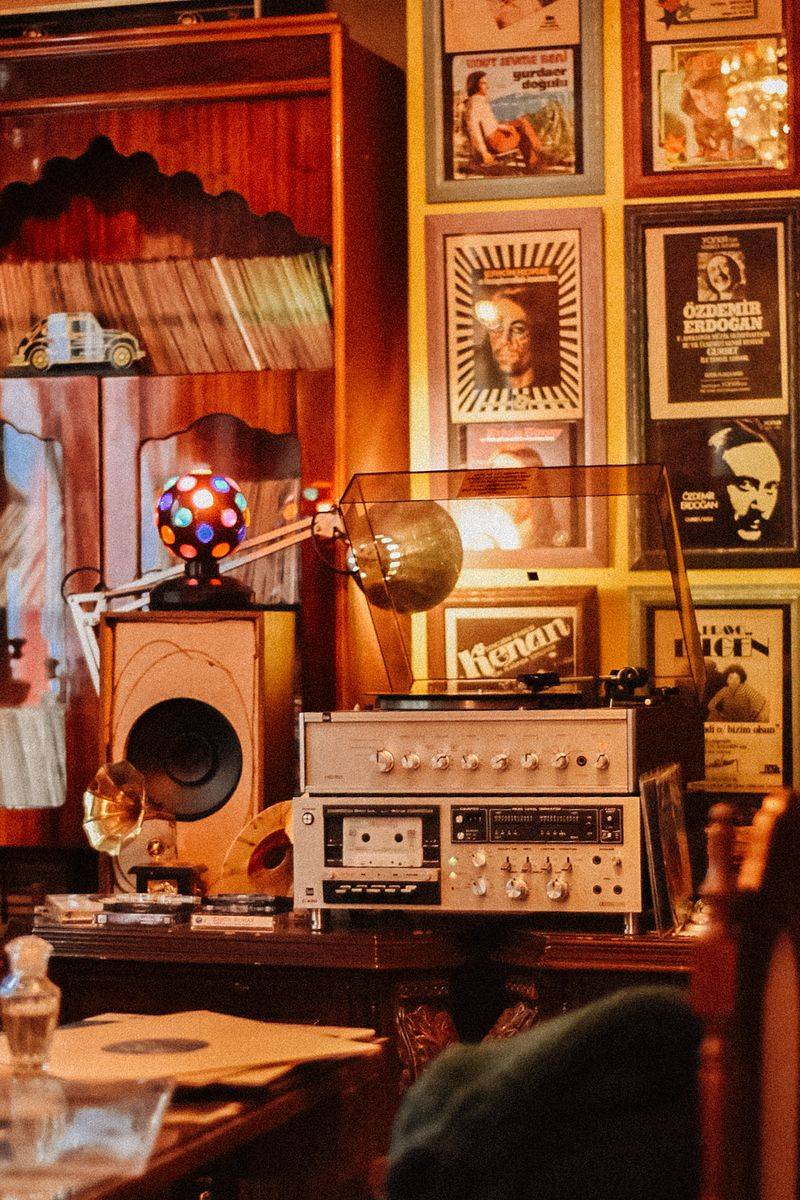
Open a closet or peek into the garage of a former hippie and you might find a goldmine of nostalgia.
Vinyl records stacked carefully in crates, concert posters rolled up in tubes, and little buttons with peace signs or band logos pinned to a corkboard – these are the artifacts of a generation.
Keeping these items was never really about collecting.
It was about holding on to moments that mattered deeply.
A ticket stub from a 1971 concert is not just paper – it is a memory you can hold in your hand.
Many of these collections are surprisingly well-preserved, because the owner knew even back then that something special was happening.
Those records and posters carry real history inside them.
6. A Special Place in Their Heart for VW Buses and Beetles
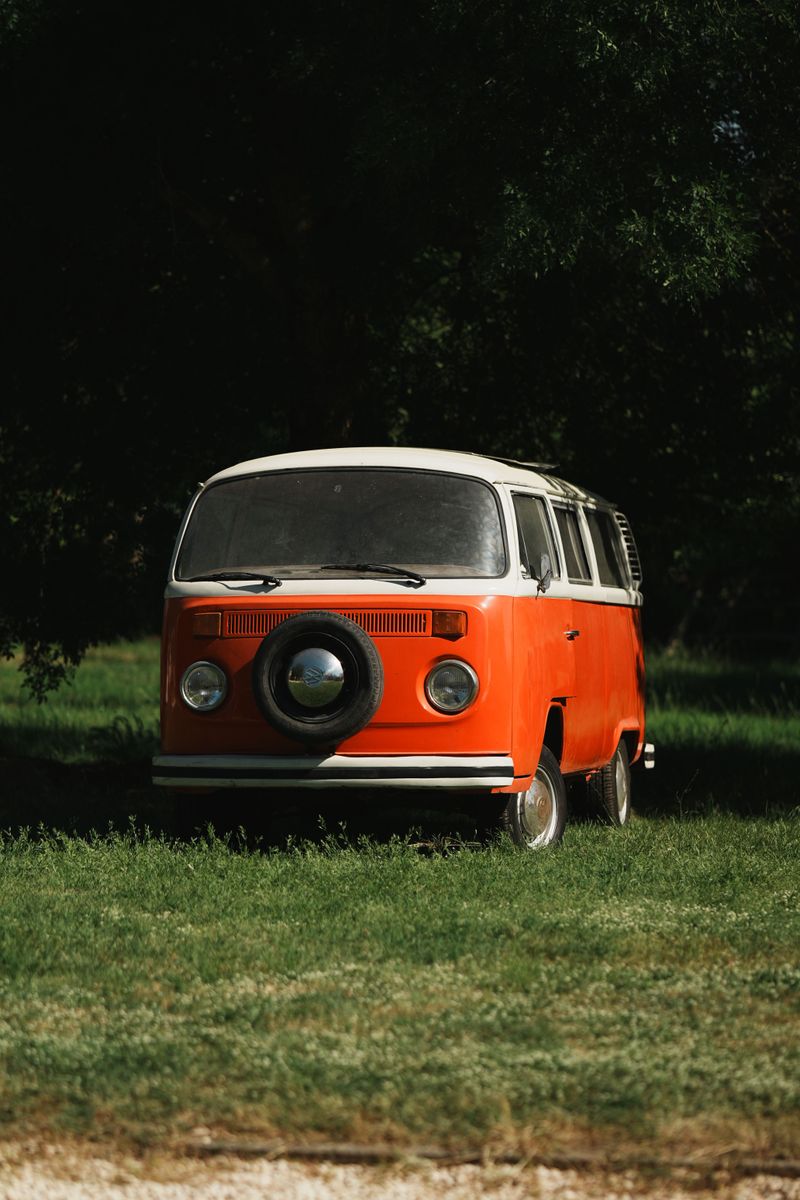
Few vehicles are as closely tied to a cultural movement as the Volkswagen Bus is to the hippie era.
These rolling homes became symbols of freedom, adventure, and the open road.
Hippies painted them with flowers, peace signs, and bold colors, turning ordinary vans into moving works of art.
Someone who lived through that time might still get misty-eyed at the sight of a vintage VW Bus cruising down the highway.
The Beetle had a similar charm – affordable, quirky, and perfect for a generation that valued personality over prestige.
Even if they no longer drive one, the affection never fades.
Ask them about it and be prepared for a long, happy story about a road trip that changed everything.
7. Natural Living Was Not a Trend – It Was a Lifestyle
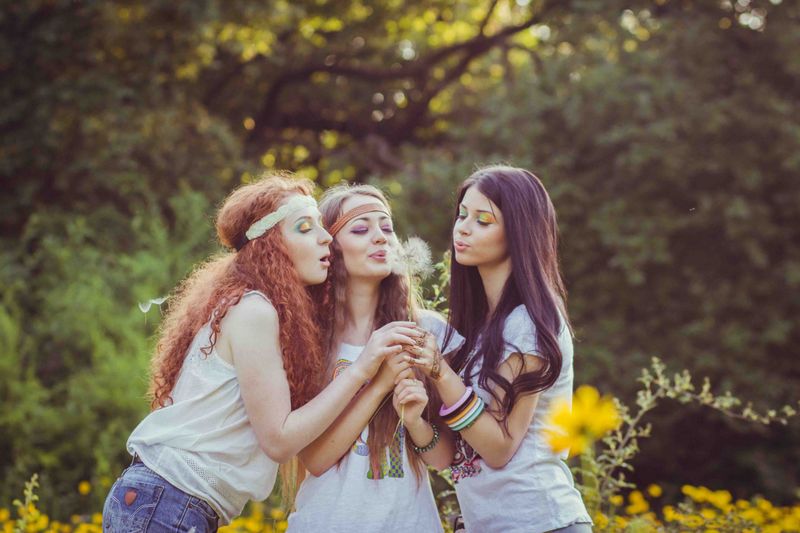
Long before organic food became a supermarket staple, hippies were already growing their own vegetables, avoiding processed foods, and seeking out natural remedies.
For many, this was not a health fad – it was a deeply held belief that living close to nature was the right way to exist on this planet.
Communal living arrangements, shared gardens, and meditation retreats were all part of the picture.
The hippie generation questioned mainstream consumer culture and chose a different path, one rooted in simplicity and sustainability.
Today, someone with those roots might still compost religiously, grow herbs on the windowsill, or practice daily meditation without fail.
Their lifestyle choices often feel ahead of their time – because in many ways, they truly were.
8. Long Hair Was a Statement, Not Just a Style Choice
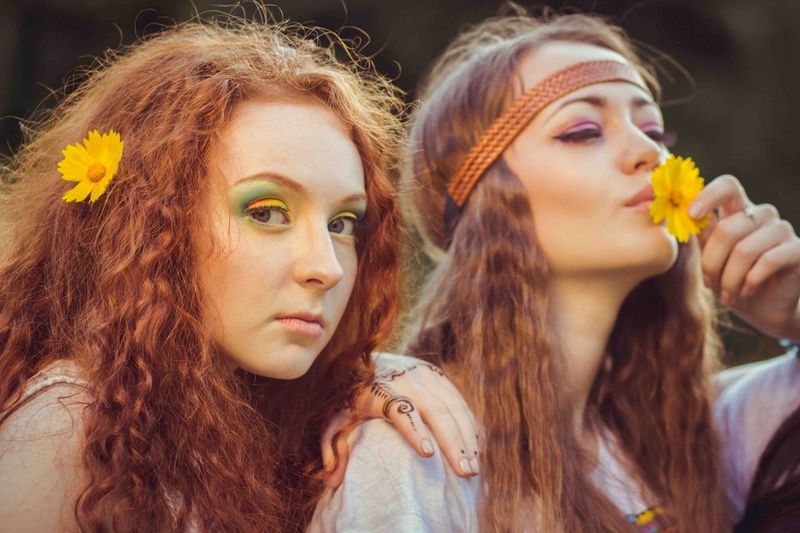
In the 1960s and ’70s, growing your hair long was a bold act of rebellion.
For men especially, long hair was a direct challenge to the crew-cut conformity of the previous generation.
It said loudly and clearly: I am not going to follow your rules.
Women embraced long, flowing hair as a symbol of natural beauty and freedom from rigid social expectations.
Both were pushing back against a culture that demanded neatness, obedience, and conformity at every turn.
A former hippie might smile when they see old photos of themselves with hair down to their waist.
Some still wear their hair long today as a quiet nod to who they once were.
That hair told a story the whole world could see.
9. Letters Still Matter
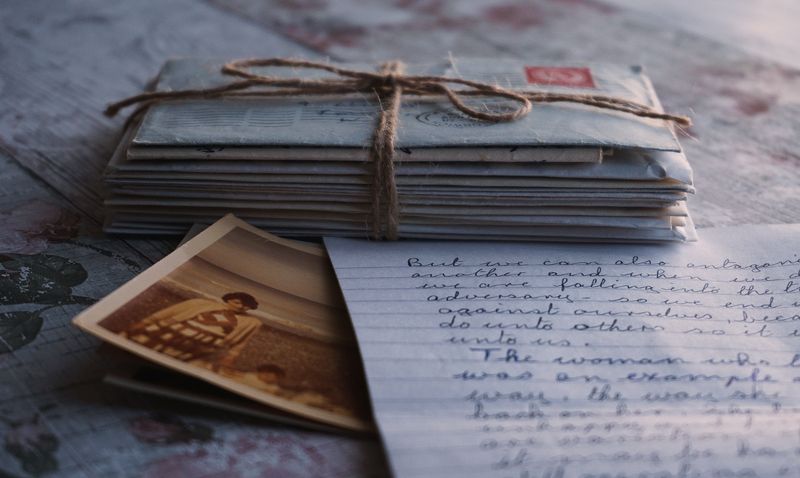
Open their desk drawer, and you may see envelopes tied with string.
Letters helped friends stay close when phone calls cost money and long distances kept them apart.
For some, writing by hand became a way to slow down and choose words with care.
Try sending a short note instead of a quick message.
Ask whether they saved letters from old friends, and let them decide what they feel comfortable sharing.
Privacy matters with personal memories, too.
10. Bell-Bottoms, Beads, and Fringe Were Their Fashion Language
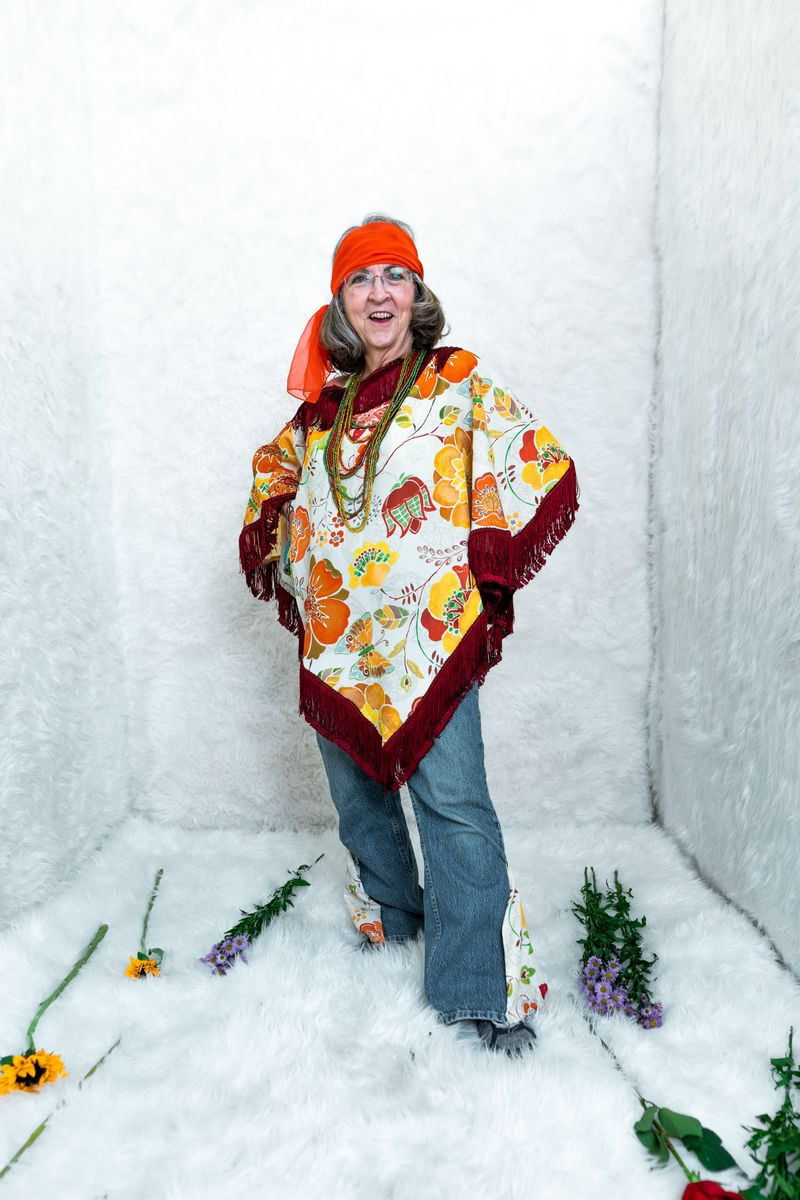
Hippie fashion was anything but subtle, and that was entirely the point.
Bell-bottom jeans, peasant blouses, fringed leather vests, beaded necklaces, headbands, and embroidered everything – the look was a visual declaration of freedom and creativity.
Clothes were not just something you wore; they were something you said.
Thrift stores and craft fairs were the go-to shopping destinations.
Many hippies made or altered their own clothing, adding patches, embroidery, or hand-painted designs.
Looking unique was the whole goal.
If someone you know still gravitates toward flowing fabrics, layered jewelry, or anything with fringe, there might be a reason rooted in the ’60s.
Old habits of self-expression tend to stick around.
Fashion from that era had a soul that is hard to replicate.
11. Eastern Spirituality Opened a Whole New World for Them
When the Beatles traveled to India in 1968 to study Transcendental Meditation, it sent ripples through the entire hippie community.
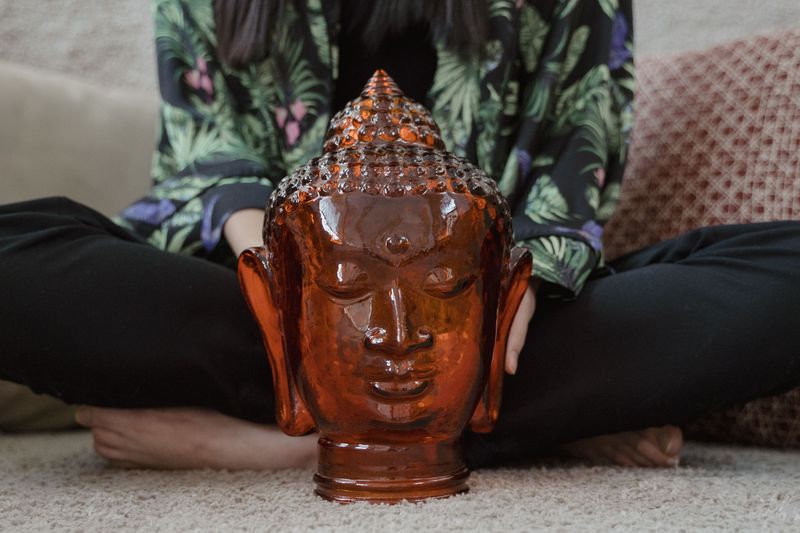
Eastern philosophy, yoga, Buddhism, and Hindu traditions offered something many young Americans felt was missing from their own culture: a deeper sense of inner peace and spiritual meaning.
Meditation centers, ashrams, and yoga classes started popping up across the country as hippies eagerly explored these ancient teachings.
For many, it was a genuine spiritual awakening that shaped the rest of their lives.
Someone with hippie roots might still practice yoga every morning, keep a meditation cushion in the corner, or have meaningful symbols from Eastern traditions displayed at home.
Those practices often became lifelong anchors, not passing curiosities.
12. Peace and Love Were More Than Just Words to Them
“Peace and love” might sound like a bumper sticker slogan today, but for the hippie generation, those two words carried enormous weight.
They represented a genuine belief that humanity could choose a better path – one built on cooperation, empathy, and respect rather than conflict and competition.
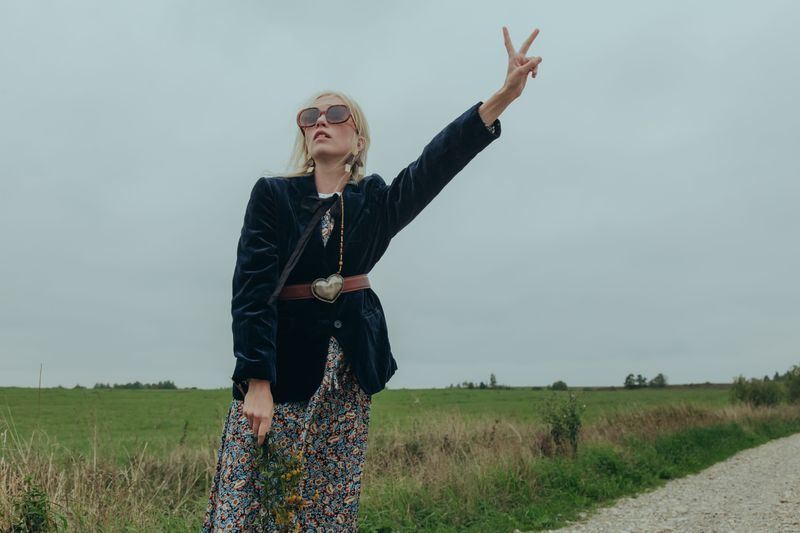
Peace signs appeared everywhere: on jewelry, painted on walls, sewn onto jackets, and drawn on notebooks.
The symbol became the visual shorthand for an entire movement’s deepest hopes.
Wearing or displaying it was a public commitment to those values.
Many former hippies still keep a peace sign somewhere in their home or wardrobe.
It is not nostalgia exactly – it is more like a reminder of what they once believed so fiercely.
Some of them still believe it just as strongly today.
13. Their Stories From That Era Sound Like Another World Entirely
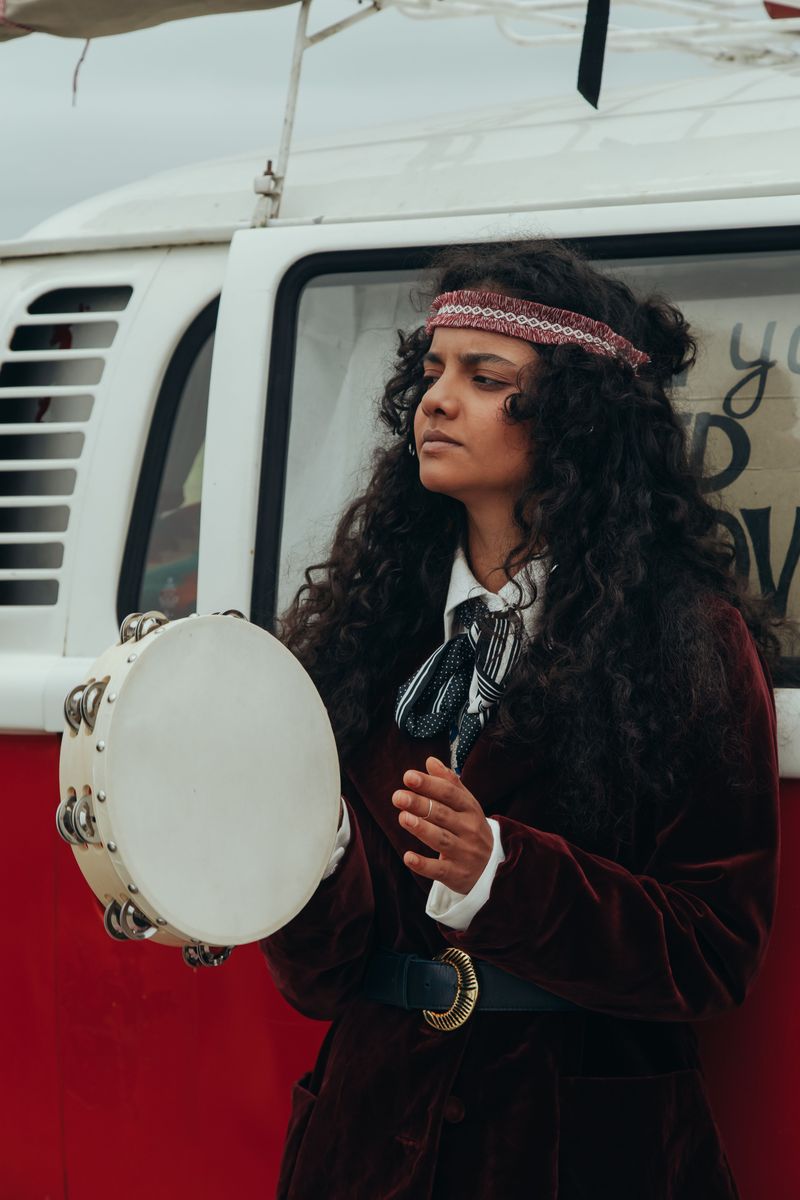
“You had to be there” – that phrase gets said a lot when former hippies try to explain what the ’60s and ’70s were really like.
The truth is, those decades were genuinely unlike anything before or since.
The combination of social upheaval, creative explosion, and generational rebellion produced moments that defy easy description.
Stories from that era tend to be vivid, strange, funny, and sometimes hard to believe.
Road trips with no plan, concerts that lasted three days, communities built from scratch in the woods – the adventures were real, even when they sound exaggerated.
If someone in your life has tales from that era that leave you laughing or speechless, treasure those conversations.
You are getting a firsthand window into one of history’s most fascinating and colorful chapters.