 MomSkoop

Ever notice how some people still reach for a pen instead of a keyboard?
While most of us have gone fully digital, a small group of people remain loyal to handwriting.
Research shows these pen-and-paper fans might possess unusual cognitive abilities that set them apart.
Scientists have discovered fascinating connections between handwriting and how our brains process information, remember details, and even handle emotions.
1. Deeper Processors of Information
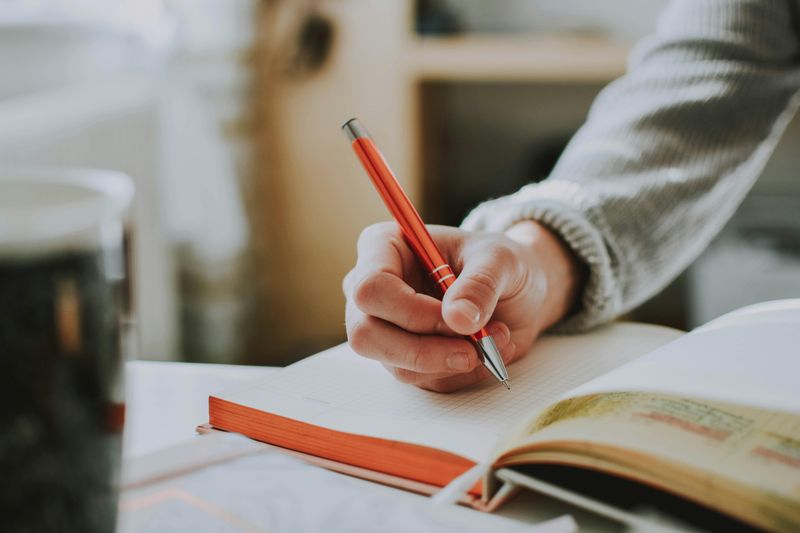
Handwriters rarely copy word-for-word.
Writing by hand moves slower than typing, which forces your brain to act like an editor in real time.
You automatically pick out the most important ideas and leave behind the fluff.
This natural filtering system strengthens how well you understand what you’re learning.
Your brain works harder to compress information into shorter, clearer thoughts.
That extra mental effort creates deeper pathways in your memory.
Over time, this habit trains you to think more critically about everything you read or hear.
You become skilled at spotting what truly matters instead of getting lost in unnecessary details.
2. Stronger Memory Encoding

When you write something down, your brain lights up like a fireworks show.
Motor skills kick in as your hand moves, visual processing tracks each letter, and language centers decode meaning.
All three systems work together simultaneously.
Typing only activates a fraction of these neural networks.
The physical act of forming letters by hand creates a richer, more complex memory trace.
Scientists can actually measure this difference using brain imaging technology.
People who handwrite their notes consistently score higher on memory tests weeks later.
The information sticks because your brain invested more energy in recording it.
It’s like the difference between taking a photo and painting a picture.
3. Higher Conceptual Thinkers

Recording every single word isn’t the goal for handwriters.
They’re too busy hunting for the big picture instead.
While others frantically type verbatim notes, pen users pause to ask themselves what it all means.
This approach transforms passive listening into active thinking.
You start connecting new information to things you already know.
Relationships between ideas become clearer because you’re forced to summarize concepts in your own words.
Teachers often notice these students ask better questions in class.
They’re not stuck in the details but rather exploring how different pieces fit together.
This skill becomes incredibly valuable in complex subjects that require understanding systems, not just memorizing facts.
4. Greater Intentionality

Choosing handwriting in our digital age is a statement.
Every word costs more effort, so handwriters treat their thoughts like precious cargo.
They don’t just scribble randomly but instead consider what deserves to be written down.
This deliberate approach spills into other areas of life.
Research suggests people who prefer handwriting also tend to make more thoughtful decisions overall.
They’re comfortable taking an extra moment to reflect before acting.
That pause before putting pen to paper creates a mental filter.
You end up with clearer, more purposeful communication.
Friends might describe you as someone who speaks carefully and rarely says things you don’t mean.
5. Better Focus Endurance

No browser tabs.
No pinging notifications.
No temptation to check social media every thirty seconds.
Handwriting creates a bubble of concentration that’s nearly impossible to achieve on screens.
Your brain doesn’t have to constantly switch between tasks, which scientists call cognitive switching costs.
These tiny interruptions drain mental energy faster than you realize.
Pen-and-paper users avoid this trap entirely.
Studies show they can maintain deep focus for longer stretches without feeling exhausted.
This superpower becomes especially noticeable during complex projects that require sustained attention.
While others burn out after twenty minutes, handwriters keep going strong for hours.
6. Stronger Personal Voice
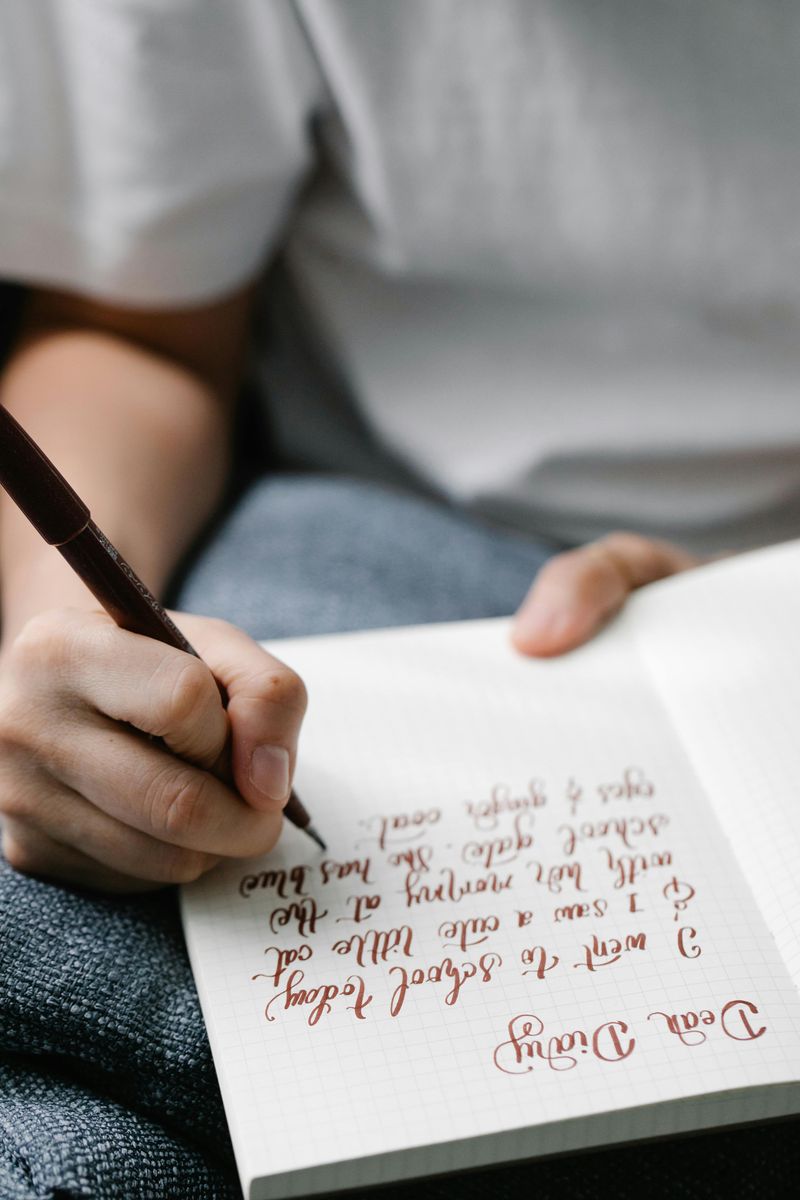
Your handwriting is literally your fingerprint on paper.
The rhythm of your strokes, how hard you press, even the space between words—all of it reveals something unique about how you think.
People who write by hand often develop a distinctive style that carries into their speaking and creative work.
They’re not copying templates or autocomplete suggestions.
Every sentence comes from an authentic place inside them.
Artists and writers frequently credit handwriting with helping them find their voice.
The physical connection between hand and brain seems to unlock something genuine.
You’re not performing for an algorithm or worrying about perfect grammar—you’re just being yourself on the page.
7. Enhanced Emotional Processing

Therapists have known this secret for decades: handwriting helps people work through difficult feelings.
Something about the slower, more embodied process allows emotions to surface and settle in healthier ways.
When you type about stress, your fingers often race ahead of your feelings.
Handwriting forces you to stay present with uncomfortable emotions long enough to understand them.
The physical act becomes almost meditative.
Research on journaling consistently shows better mental health outcomes for handwriters compared to digital journalers.
They report feeling more clarity about their problems and greater emotional relief.
The paper absorbs your worries in a way screens simply cannot replicate.
8. Creative Divergent Thinkers

Keyboards lock you into linear thinking—one line after another, top to bottom.
Paper gives you freedom to think in circles, spirals, or whatever shape your ideas want to take.
Creative people love drawing arrows between concepts, sketching quick diagrams, or adding notes in the margins.
This spatial flexibility matches how innovative thinking actually works.
Your brain doesn’t generate ideas in neat paragraphs.
Studies on brainstorming show that paper-based ideation produces more original solutions.
The ability to see everything at once and move freely across the page unlocks connections that typing misses.
Some of history’s greatest inventors were obsessive notetakers who covered pages with nonlinear scribbles.
9. Tactile Learners

Some brains need to touch things to truly understand them.
Tactile learners absorb information through physical sensation—the resistance of pen against paper, the texture of the page, even the sound of writing.
For these individuals, typing feels disconnected and forgettable.
The sensory feedback of handwriting creates a richer learning experience that sticks.
They can often remember information better by recalling where it appeared on the page.
Teachers recognize these students because they take extensive handwritten notes even when digital options are available.
They’re not being old-fashioned; they’re using the learning method that actually works for their brain.
This trait often goes unrecognized but makes a huge difference in academic success.
10. Stronger Internal Reflection

Handwriting creates tiny gaps between thoughts and words.
In those microseconds, something magical happens—you become aware of what you’re actually thinking.
This built-in pause button encourages self-examination.
Many handwriters describe their notebooks as conversations with themselves.
They discover opinions they didn’t know they had or notice patterns in their behavior.
The slower pace makes space for insights that rush past during typing.
Psychologists note that highly reflective people tend to prefer handwriting for important thinking.
They’re comfortable spending time inside their own heads.
This quality often leads to better self-knowledge and more authentic life choices.
11. Higher Cognitive Patience

Instant gratification rules modern life—except for handwriters.
Choosing the slower method signals something rare: comfort with delayed rewards.
These individuals don’t need immediate results to feel satisfied.
This patience extends beyond writing.
Research suggests they’re better at sticking with difficult tasks that don’t pay off right away.
They understand that some valuable things simply take time.
In a world obsessed with productivity hacks and shortcuts, this trait stands out.
Handwriters prove that sometimes the long way around actually gets you further.
Their willingness to invest effort upfront often leads to better outcomes than rushing through the fast option.
12. Memory-Oriented Thinkers

Digital notes disappear into the cloud and get forgotten.
Handwriters build physical archives they can see and touch.
Their notebooks aren’t just for capturing information—they’re designed as memory palaces.
These people often develop elaborate systems: color-coded tabs, indexed pages, or dated entries that create a searchable personal history.
They’re not hoarders; they’re building external memory banks.
Brain scans show that handwriters have stronger recall even without reviewing their notes.
The act of writing itself stamps information into long-term memory.
They understand something crucial: the point isn’t having notes to reference later, but remembering without needing to look anything up at all.