 MomSkoop
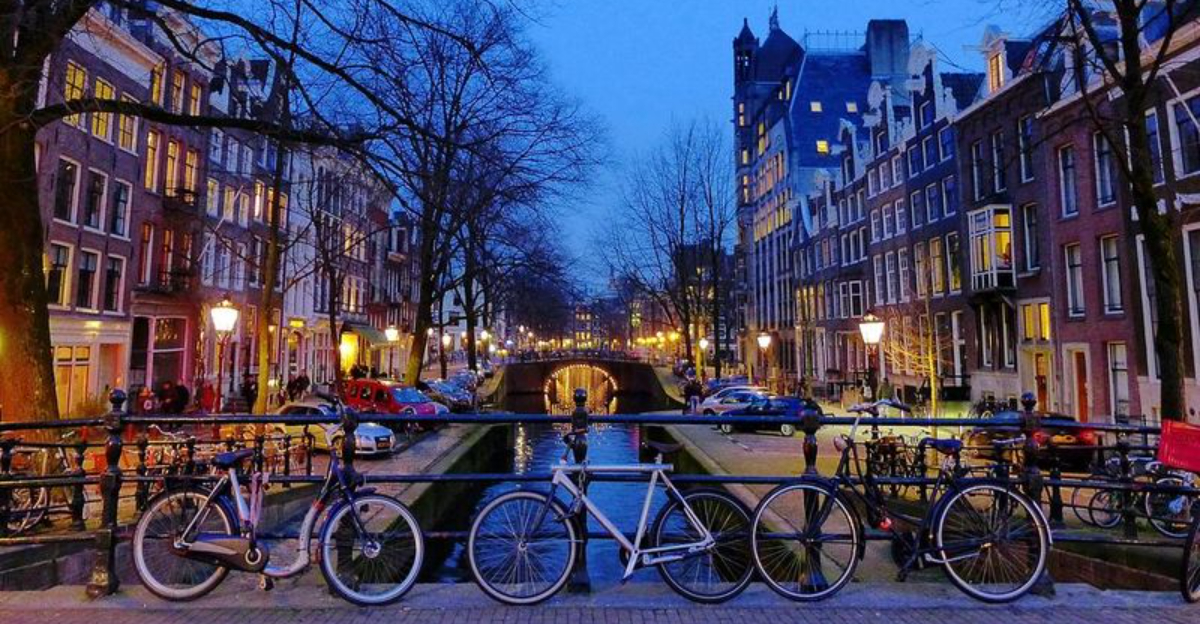
Life moves fast, and stress seems to follow us everywhere.
But some countries have figured out how to slow down and prioritize what really matters—happiness, health, and balance.
From peaceful Nordic nations to sunny coastal havens, these places offer valuable lessons on living with less worry and more joy.
1. Finland
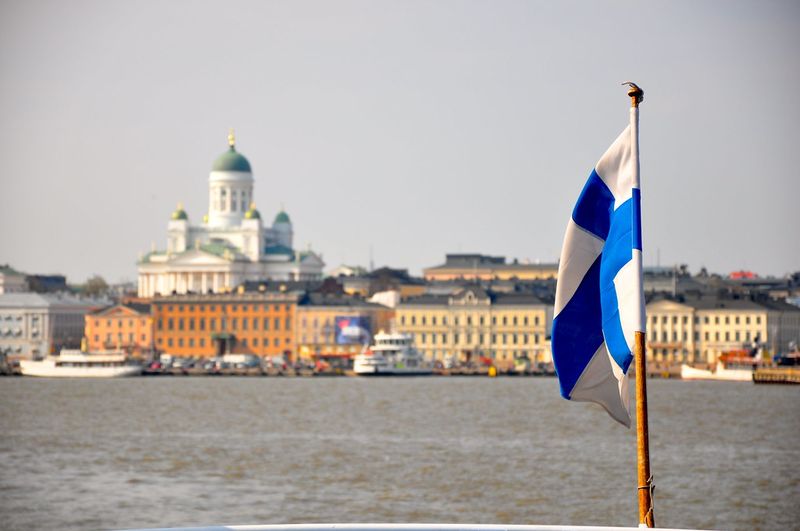
Topping happiness rankings year after year, Finland knows a thing or two about keeping stress at bay.
Citizens enjoy free education, excellent healthcare, and a strong sense of community that makes daily life feel secure and supported.
Nature plays a huge role too—forests, lakes, and clean air are always just a short walk away.
Work-life balance isn’t just a buzzword here; it’s woven into the culture.
Finns value time with family, hobbies, and outdoor activities over endless work hours.
The concept of “sisu,” or quiet determination, helps people face challenges calmly without panicking.
Saunas are a national treasure, offering relaxation and social connection in equal measure.
With low crime rates and trustworthy institutions, Finns can focus on what brings them joy instead of worrying about safety or corruption.
2. Denmark
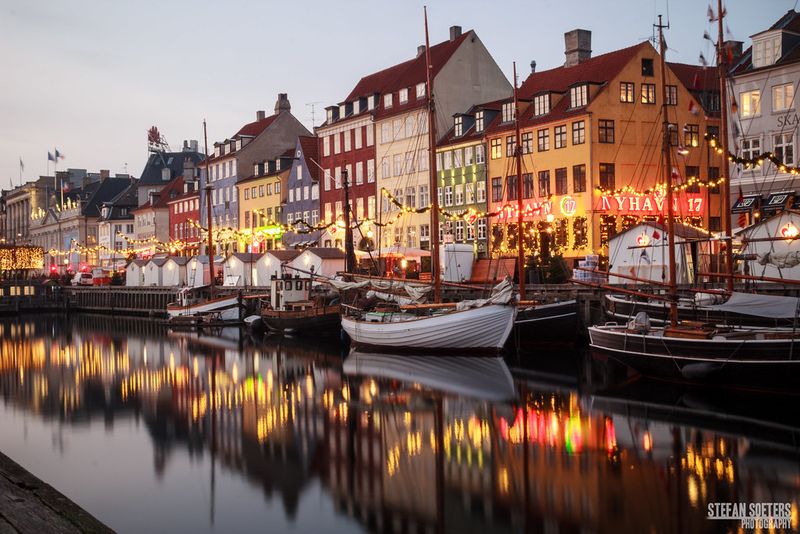
Denmark consistently scores sky-high for life satisfaction and work-life balance.
Danish workers rarely stay late at the office, and most leave by 5 p.m. to spend time with loved ones or pursue personal interests.
This respect for personal time reduces burnout and keeps stress levels refreshingly low.
The Danish concept of “hygge”—coziness and togetherness—encourages people to enjoy simple pleasures.
Lighting candles, sharing meals with friends, and creating warm, comfortable spaces all contribute to a sense of contentment.
These small rituals add up to big happiness.
Strong social safety nets mean Danes don’t worry constantly about healthcare, education, or unemployment.
Trust in government and fellow citizens runs deep, creating a stable environment where people feel safe and supported through life’s ups and downs.
3. Iceland
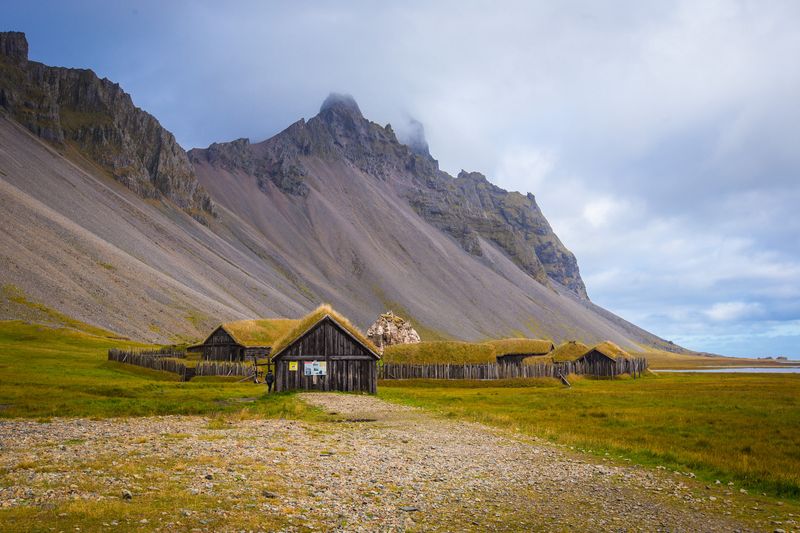
Imagine living surrounded by waterfalls, geysers, and volcanic landscapes that take your breath away daily.
Iceland offers exactly that, plus a tight-knit community where everyone looks out for each other.
The small population means less crowding, less traffic, and more space to breathe.
Icelanders embrace nature as part of their identity.
Hiking, swimming in geothermal pools, and watching the Northern Lights aren’t special occasions—they’re regular parts of life.
This constant connection to the natural world provides a powerful antidote to modern stress.
Crime rates are among the lowest globally, and the country ranks high for gender equality and progressive values.
People feel safe walking alone at night, and children often play outside unsupervised, fostering independence and trust throughout society.
4. Sweden
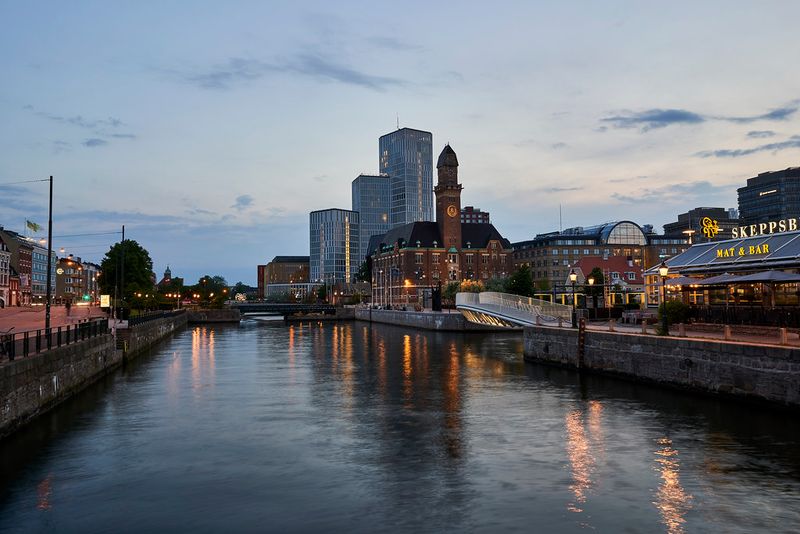
Swedish culture champions “lagom,” meaning “just the right amount”—not too much, not too little.
This philosophy extends to work, consumption, and daily habits, helping Swedes avoid the exhaustion that comes from excess.
Balance isn’t a goal; it’s a way of life.
Generous parental leave policies allow both parents to bond with newborns without financial stress.
Affordable childcare and free university education remove major worries that plague families elsewhere.
These supports create breathing room for people to actually enjoy life.
Swedes also prioritize “fika,” a daily coffee break that’s less about caffeine and more about pausing, connecting, and resetting.
Whether at work or home, taking regular breaks to chat and relax keeps stress from building up.
Nature is always accessible, with forests and coastlines offering peaceful escapes year-round.
5. Netherlands
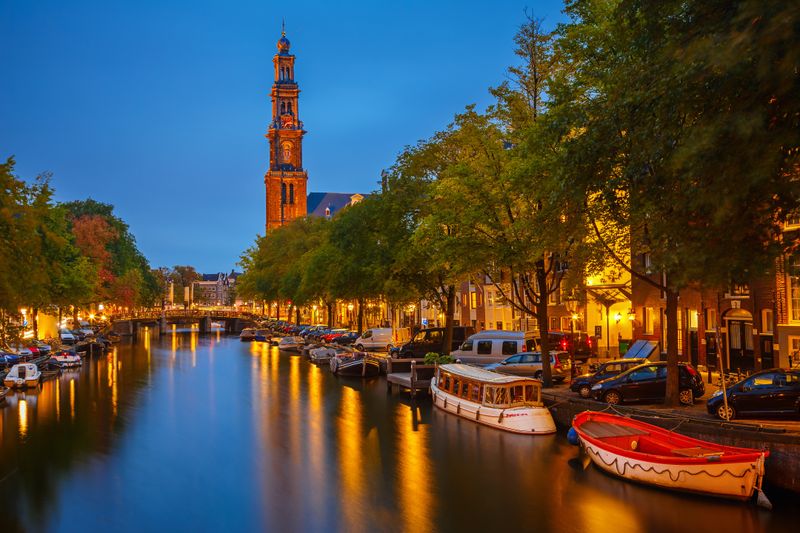
Bicycles outnumber cars in many Dutch cities, and that tells you something important about the pace of life here.
Cycling to work, school, or the grocery store keeps people active, reduces pollution, and builds a sense of community as neighbors greet each other on their routes.
The Dutch are famously direct and practical, which cuts down on misunderstandings and social anxiety.
People say what they mean, and honesty is valued over politeness for its own sake.
This straightforward communication style creates clarity and reduces unnecessary tension.
Strong social support systems and excellent public services mean families don’t face financial ruin from medical bills or education costs.
Affordable housing programs and worker protections contribute to stability, allowing people to plan for the future without constant worry about survival.
6. Canada
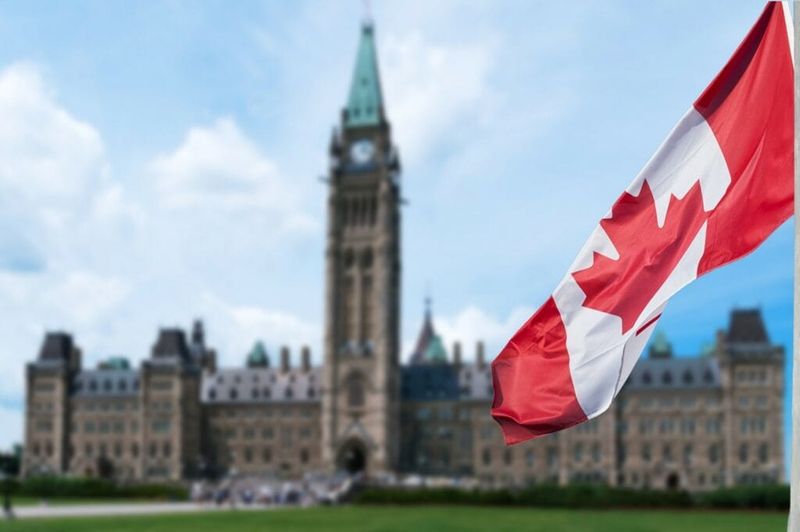
Vast wilderness, friendly people, and a reputation for politeness make Canada a top destination for relaxation seekers.
From the Rocky Mountains to peaceful Maritime coastlines, Canadians have access to stunning natural spaces that encourage outdoor activities and mental rejuvenation.
Universal healthcare removes a massive source of stress that burdens people in many other nations.
Canadians don’t worry about medical bankruptcy or avoiding doctor visits due to cost.
This security allows people to focus on prevention and wellness rather than crisis management.
Multicultural cities celebrate diversity, creating welcoming environments where people from all backgrounds feel valued.
Community programs, parks, and public spaces encourage social connection.
The slower pace in smaller towns and the balance in urban centers offer options for every lifestyle preference.
7. Australia
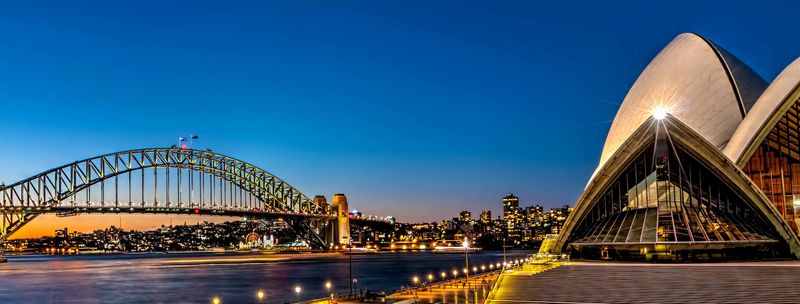
Australia leads global relaxation indexes thanks to wide-open spaces and a laid-back attitude that’s practically part of the national identity.
Beaches stretch for miles without crowds, and even major cities feel less frantic than their counterparts elsewhere.
Room to breathe makes all the difference.
The “no worries” mentality isn’t just a saying—it reflects a genuine approach to life’s challenges.
Australians tend to take problems in stride, finding humor and perspective rather than spiraling into panic.
This attitude, combined with strong social bonds, creates resilience against stress.
Outdoor living is the norm, with barbecues, beach trips, and sports woven into weekly routines.
Sunshine and fresh air are natural mood boosters, and Australians make the most of their climate.
Work is important, but so is enjoying life, and employers generally respect that balance.
8. New Zealand
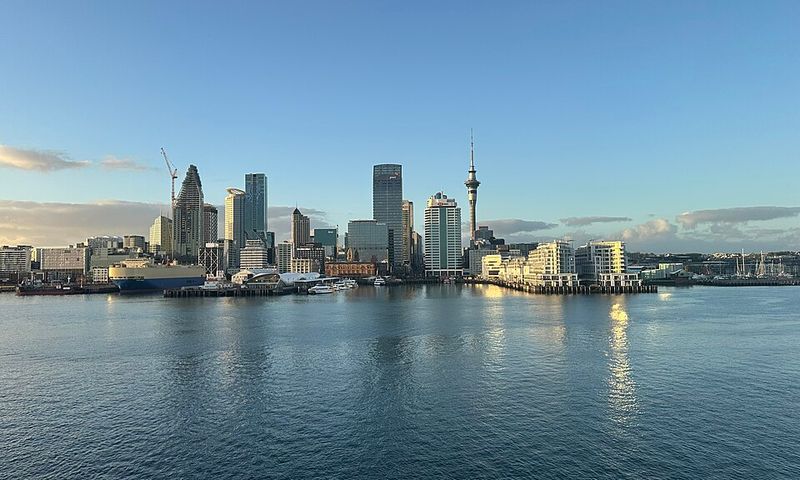
Dramatic mountains, pristine beaches, and lush green hills create a backdrop that naturally lowers blood pressure.
New Zealanders, or Kiwis, have embraced a lifestyle that prioritizes outdoor adventures and community connection over material accumulation or career obsession.
Safety is a major factor in New Zealand’s low-stress reputation.
Crime rates are low, and people generally trust their neighbors and institutions.
Children walk to school, doors are sometimes left unlocked, and there’s a genuine sense of security that’s increasingly rare elsewhere.
The Maori concept of “whanau,” emphasizing extended family and community, influences the entire culture.
People look out for each other, and social support networks are strong.
Work-life balance is taken seriously, with ample vacation time and flexible arrangements becoming more common across industries.
9. Norway
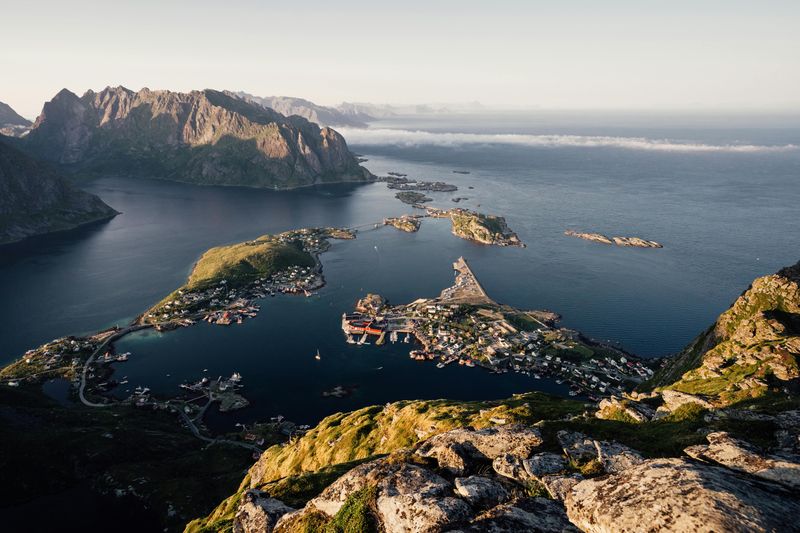
Norway combines stunning natural beauty with one of the world’s strongest social safety nets.
Fjords, mountains, and forests provide endless opportunities for hiking, skiing, and simply being present in nature.
Norwegians take full advantage, with outdoor recreation deeply embedded in the culture.
The concept of “friluftsliv,” or open-air living, encourages people to spend time outside regardless of weather.
This connection to nature reduces stress and promotes physical health.
Even city dwellers have easy access to trails, parks, and wilderness areas.
Norwegians work to live, not the other way around.
Short work weeks, generous vacation time, and parental leave policies ensure people have time for what matters most.
Economic equality is relatively high, reducing the anxiety that comes from vast wealth gaps and financial insecurity.
10. Portugal
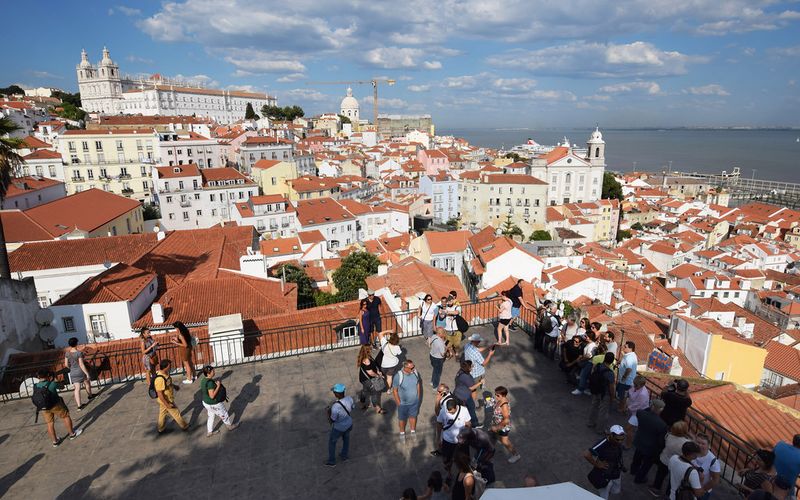
Portugal has gained attention recently for its relaxed pace of life and affordability compared to other Western European nations.
Coastal towns and historic cities offer charm without the hustle and chaos of bigger tourist destinations.
People take time to enjoy meals, conversations, and simple pleasures.
Safety rankings are excellent, and violent crime is rare.
This security, combined with a mild climate and beautiful landscapes, makes daily life feel less threatening and more enjoyable.
The Portuguese value family, community, and taking life as it comes rather than rushing constantly.
Healthcare is accessible and affordable, and the cost of living remains reasonable in many areas.
This economic breathing room reduces financial stress that plagues people elsewhere.
Expats and locals alike appreciate the blend of modern amenities and traditional values that characterize Portuguese culture.
11. Estonia
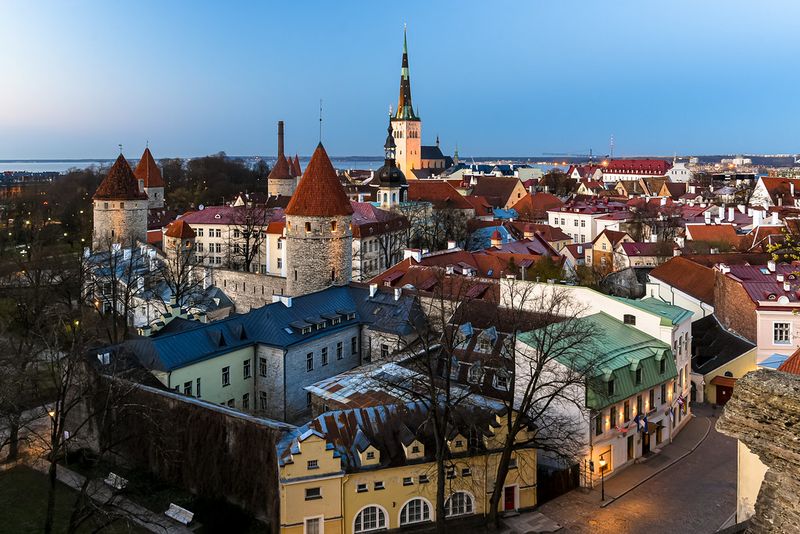
Often overlooked, Estonia offers a unique blend of digital innovation and natural tranquility.
As one of Europe’s least crowded countries, there’s plenty of space to think, breathe, and move without feeling cramped.
Forests cover nearly half the country, providing peaceful retreats just minutes from urban centers.
Estonians value privacy and personal space, which translates to a culture that respects boundaries and avoids unnecessary drama.
People tend to be reserved but genuine, creating social environments with less pressure to perform or impress.
This authenticity reduces social anxiety.
The country’s digital infrastructure makes bureaucracy surprisingly stress-free.
Voting, taxes, and government services happen online with minimal hassle.
Efficient systems mean less time wasted on frustrating administrative tasks, freeing people to focus on more meaningful activities and relationships.