 MomSkoop
Bloating can make even the best days feel uncomfortable, leaving you feeling puffy and sluggish after meals.
The good news is that what you eat can make a real difference.
Many nutrition experts agree that adding more fiber-rich foods to your diet can help your digestive system run more smoothly and reduce that unwanted bloat.
Here are foods worth adding to your plate starting today.
1. Lentils
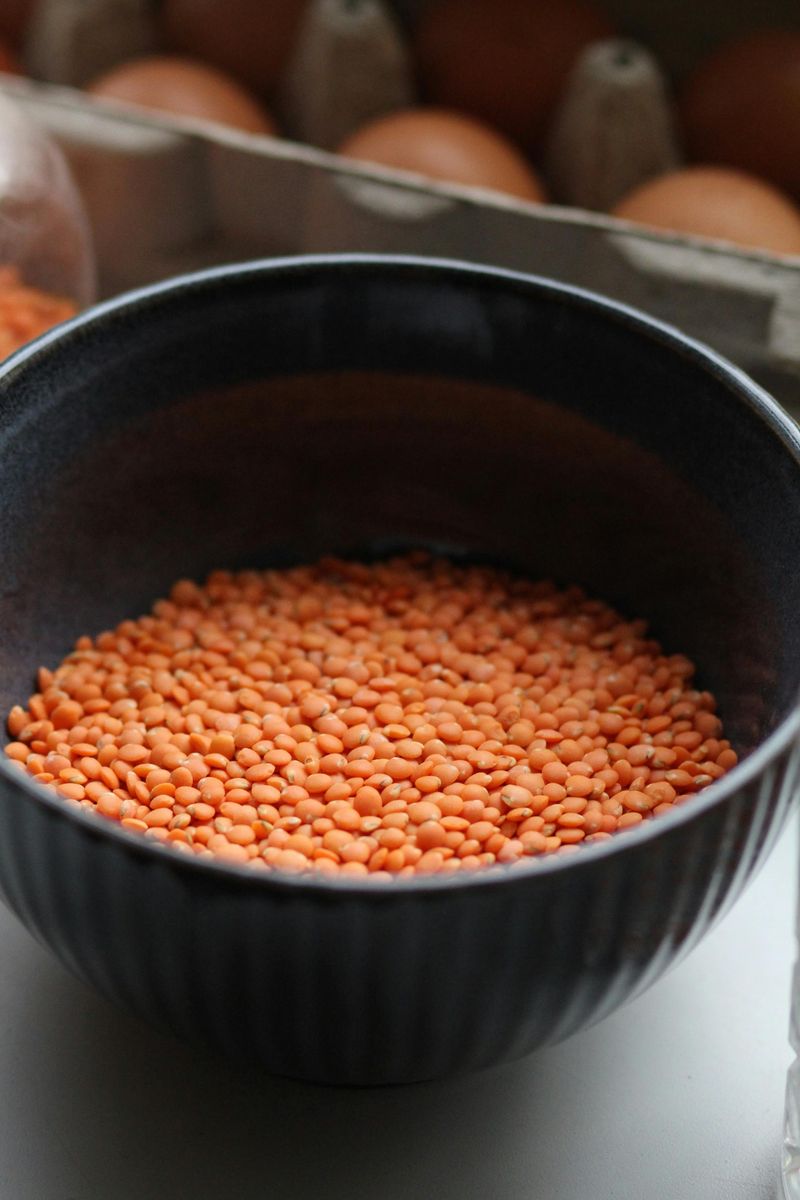
Lentils have been a kitchen staple for thousands of years, and once you learn what they do for your gut, you will understand why.
Packed with both soluble and insoluble fiber, they help feed the good bacteria living in your digestive tract.
Healthy gut bacteria means less gas buildup and smoother digestion overall.
One cooked cup delivers around 15 grams of fiber.
Start with smaller portions if you are new to lentils, since jumping in too fast can temporarily increase gas.
Adding them to soups or salads a few times a week is an easy, tasty way to begin.
2. Black Beans
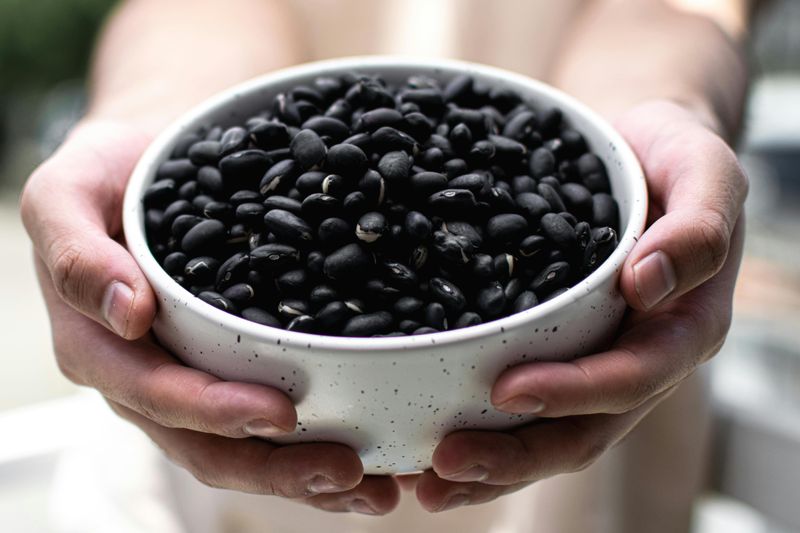
Rich, hearty, and surprisingly powerful for gut health, black beans are one of the most fiber-dense foods you can eat.
A single cup provides roughly 15 grams of fiber, which helps regulate digestion and keeps things moving along at a healthy pace.
Consistent movement through your digestive system is one of the best ways to prevent bloating.
Black beans also contain resistant starch, a special type of carbohydrate that acts like fiber in your gut.
Rinsing canned beans before eating them can reduce some of the compounds that cause gas.
Toss them into tacos, rice dishes, or grain bowls for an easy upgrade.
3. Chia Seeds
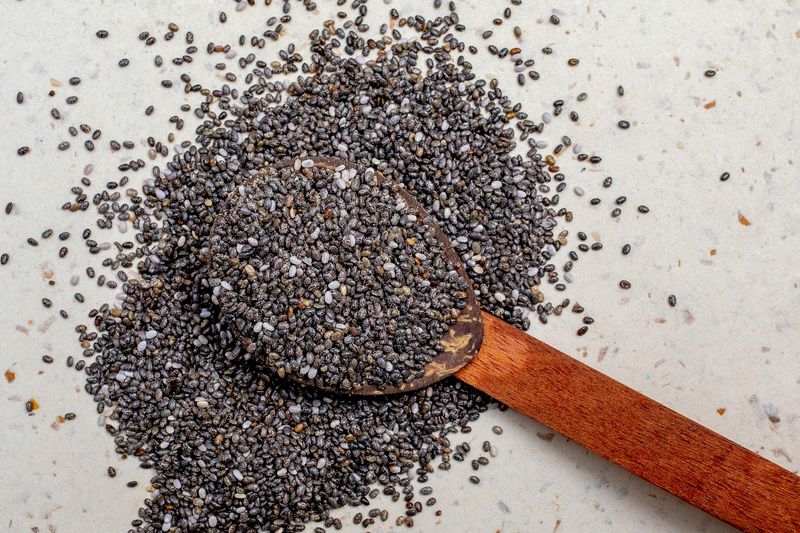
Tiny but mighty, chia seeds are one of the most concentrated plant sources of fiber available.
Just two tablespoons contain around 10 grams, which is impressive for something so small.
They absorb water and form a gel-like texture in your gut, helping to soften stool and reduce the kind of constipation that often causes bloating.
Soaking chia seeds before eating them makes them even easier to digest.
Stir them into yogurt, blend them into smoothies, or make a simple overnight pudding with your favorite milk.
Your digestive system will thank you for the extra hydration and fiber boost they provide.
4. Ground Flaxseeds
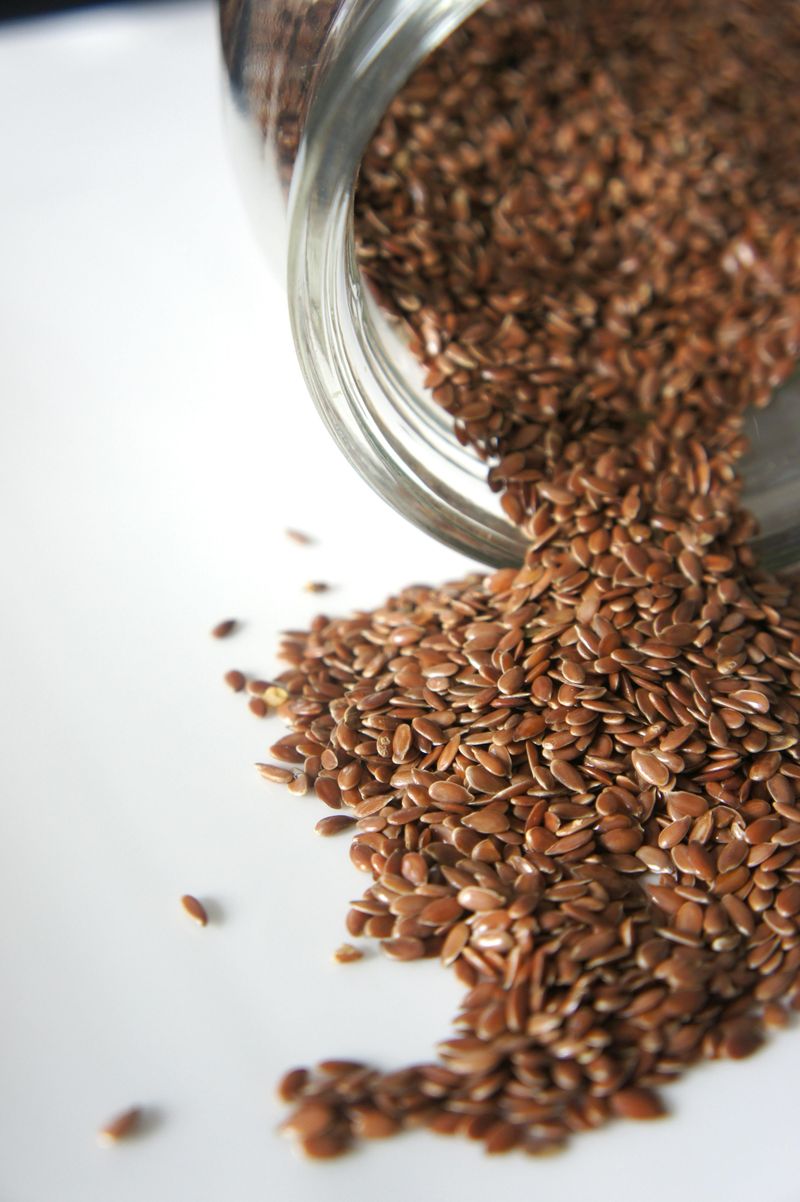
Ground flaxseeds are one of those quiet powerhouses that nutrition experts consistently recommend for digestive health.
Unlike whole flaxseeds, which can pass through your system without being fully absorbed, the ground version releases fiber and healthy omega-3 fatty acids your body can actually use.
Two tablespoons offer about 4 grams of fiber along with gut-soothing properties.
The soluble fiber in flaxseeds helps draw water into the colon, making digestion easier and reducing bloating caused by sluggish bowels.
Sprinkle ground flaxseeds over oatmeal, mix them into smoothies, or stir them into yogurt.
Store them in the fridge to keep them fresh longer.
5. Rolled Oats
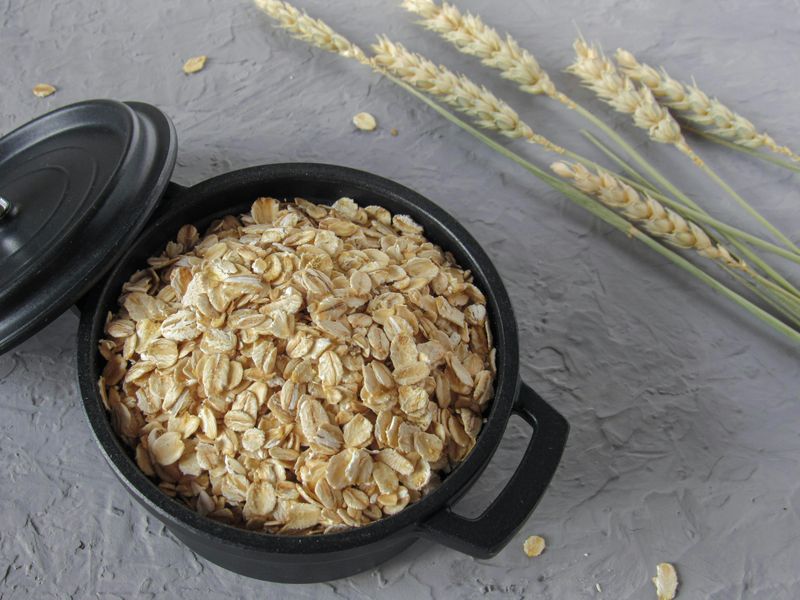
Few breakfast foods are as comforting or as gut-friendly as a warm bowl of rolled oats.
They are loaded with a special soluble fiber called beta-glucan, which forms a thick gel in your digestive system that slows things down in the best possible way.
Slower digestion means fewer blood sugar spikes and less gas production after eating.
Beta-glucan also acts as a prebiotic, feeding the beneficial bacteria in your gut that help keep bloating under control.
Steel-cut and rolled oats both work well, though rolled oats cook faster for busy mornings.
Try topping them with berries or banana for an extra fiber bonus.
6. Barley
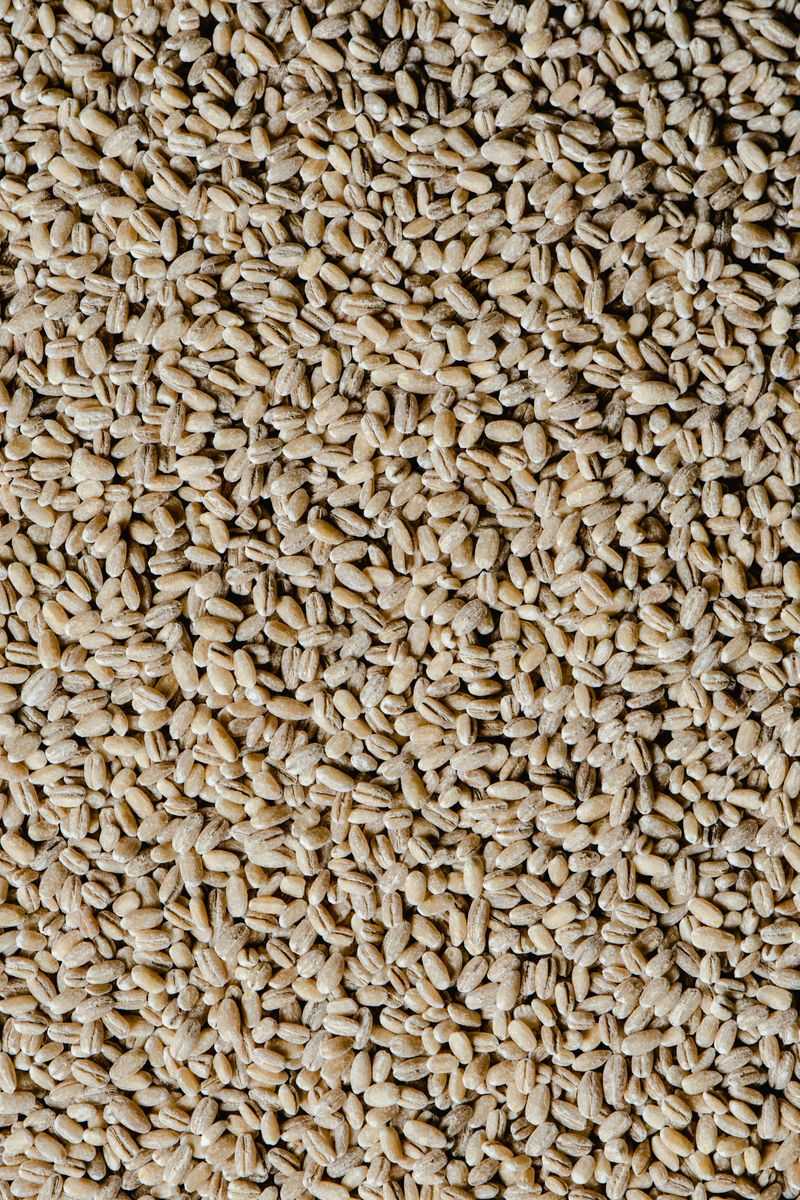
Barley might not be the trendiest grain on the shelf, but it quietly holds the title of one of the highest-fiber grains available.
One cooked cup contains about 6 grams of fiber, much of it in the form of beta-glucan, the same gut-friendly compound found in oats.
This helps regulate digestion and reduce the fermentation in your gut that leads to uncomfortable bloating.
Barley is also incredibly filling, which means you are less likely to overeat and end up feeling stuffed and gassy.
Use it in soups, stews, or as a hearty base for grain bowls.
It absorbs flavor beautifully, making it a versatile kitchen staple.
7. Raspberries
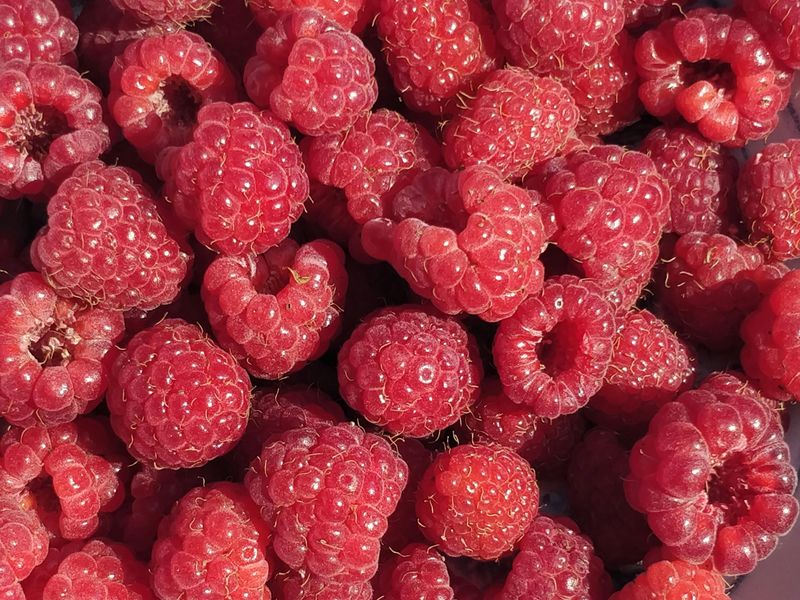
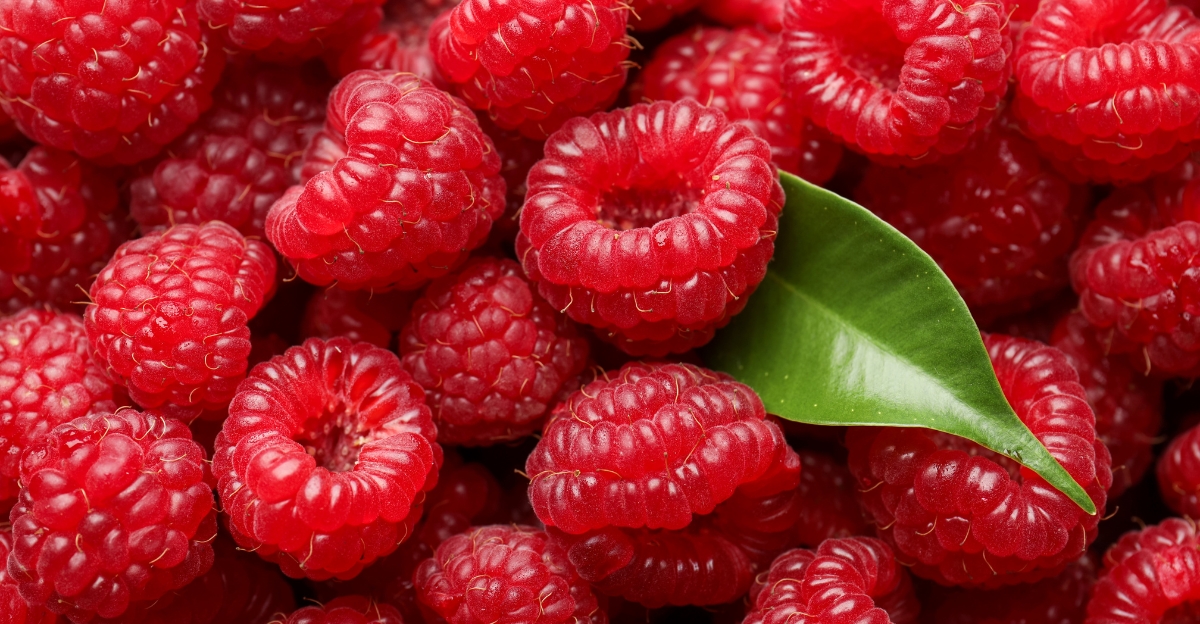
Raspberries are basically nature’s candy with a serious fiber resume.
One cup packs an impressive 8 grams of fiber, making them one of the most fiber-rich fruits you can eat.
That combination of sweetness and digestive support makes them an easy crowd-pleaser that works just as well in breakfast bowls as it does in desserts.
The fiber in raspberries helps keep your digestive system moving at a healthy pace, reducing the backup that often leads to bloating.
They also contain polyphenols that support a balanced gut microbiome.
Fresh or frozen, raspberries are a smart, delicious addition to any diet aimed at taming digestive discomfort.
8. Pears (with Skin)
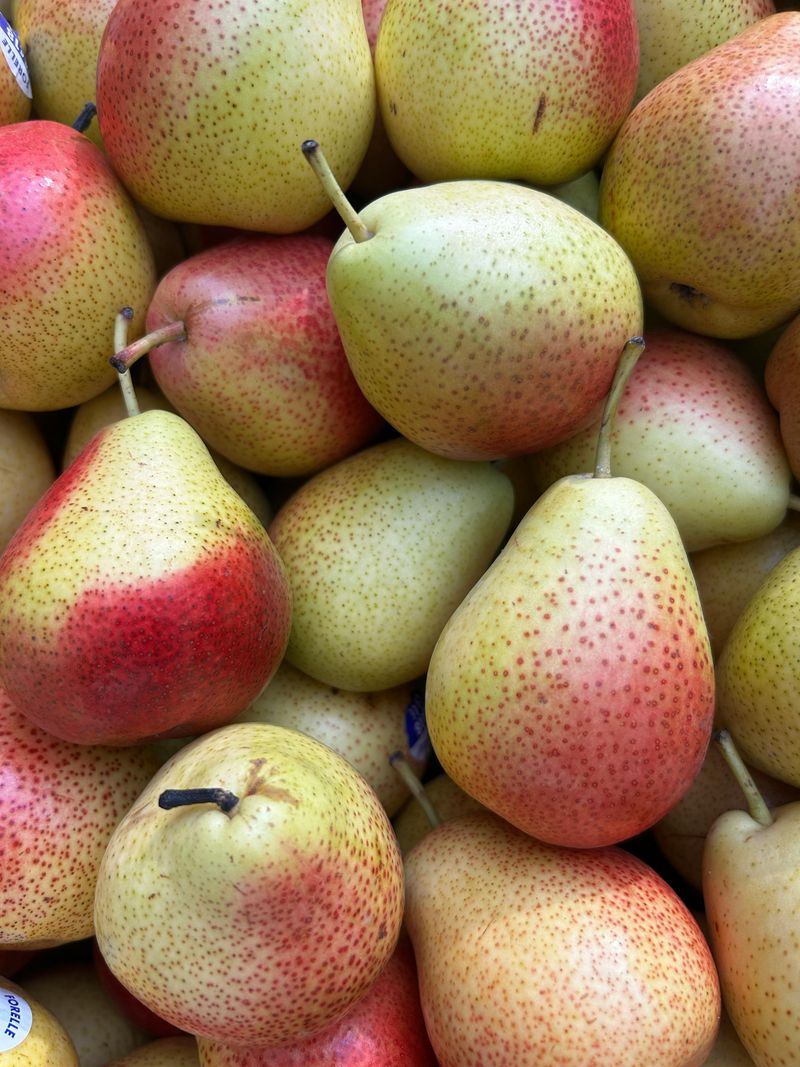
Here is something most people do not realize: leaving the skin on a pear nearly doubles its fiber content compared to eating it peeled.
A medium pear with skin delivers about 5.5 grams of fiber, including a powerful soluble fiber called pectin.
Pectin acts as a prebiotic, nourishing the good bacteria in your gut and helping reduce bloating over time.
Pears also have a high water content, which helps soften stool and support easier digestion.
Grab one as an afternoon snack, slice it into salads, or pair it with nut butter for a satisfying, gut-friendly treat.
Just remember to keep that skin on.
9. Broccoli
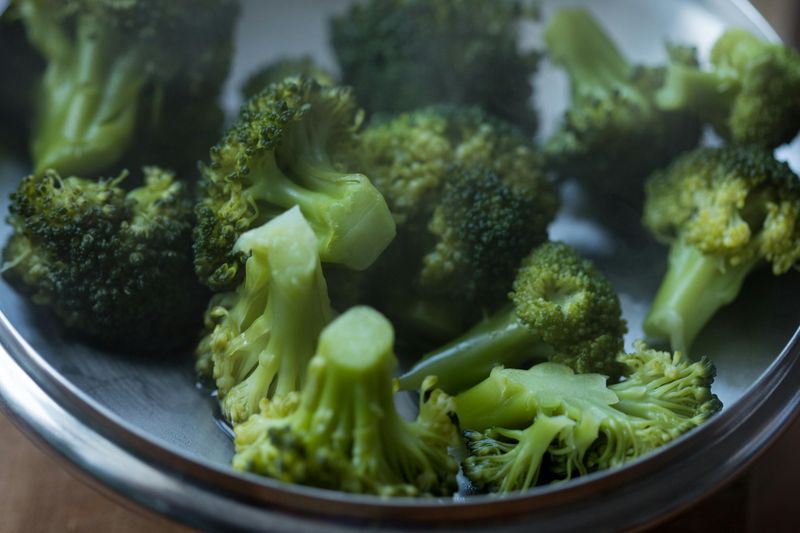
Broccoli gets a complicated reputation when it comes to bloating, but experts say the key is how you prepare it.
Raw broccoli can be harder to digest and may cause gas in some people, while lightly steaming it makes the fiber much gentler on the gut.
Either way, its 5 grams of fiber per cup and rich supply of prebiotics make it a valuable tool for long-term digestive health.
Regular consumption of broccoli has been linked to a more diverse gut microbiome, which is strongly associated with reduced bloating and better overall digestion.
Start with smaller cooked portions and gradually increase your intake to let your digestive system adjust comfortably.
10. Artichokes
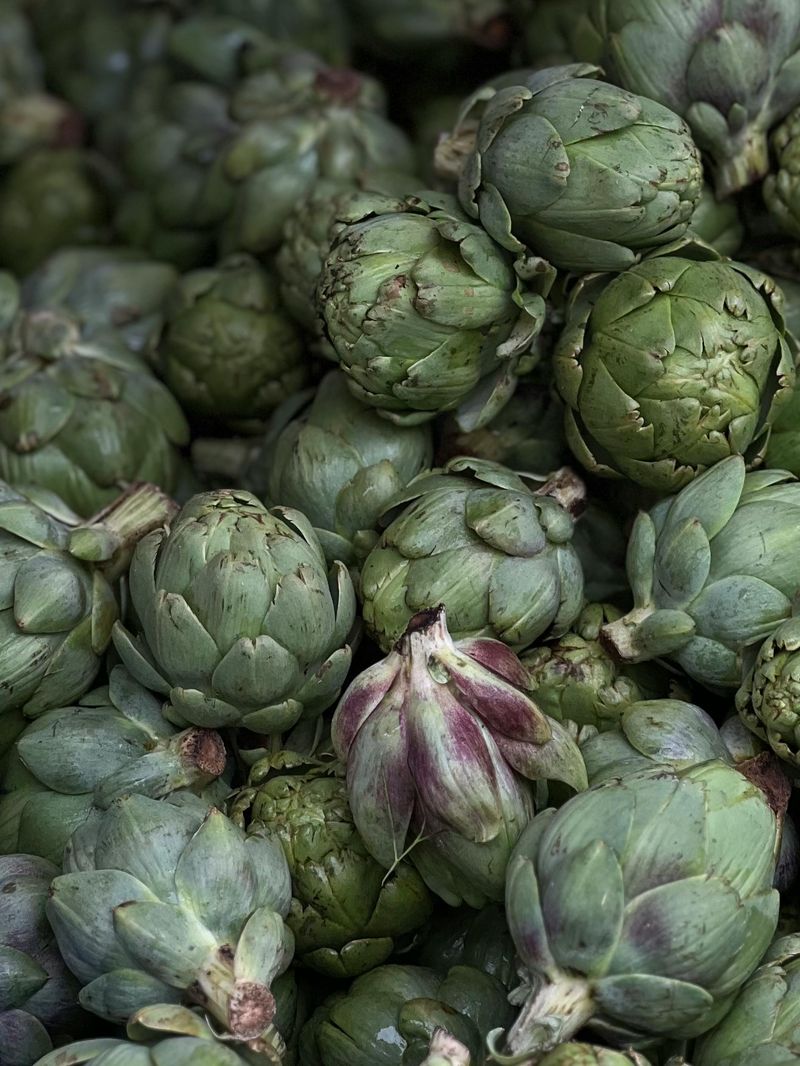
Artichokes are one of the most fiber-rich vegetables on the planet, and they come with a bonus that most people have never heard of.
They are one of the best natural sources of inulin, a prebiotic fiber that specifically feeds the beneficial Bifidobacterium bacteria in your gut.
More of these good bacteria means less bloating, less gas, and a happier digestive system overall.
One medium artichoke contains around 7 grams of fiber, which is remarkable for a single vegetable.
They can feel intimidating to cook, but steaming or roasting them is straightforward.
Canned artichoke hearts are a convenient shortcut that still deliver impressive fiber benefits.
11. Avocados
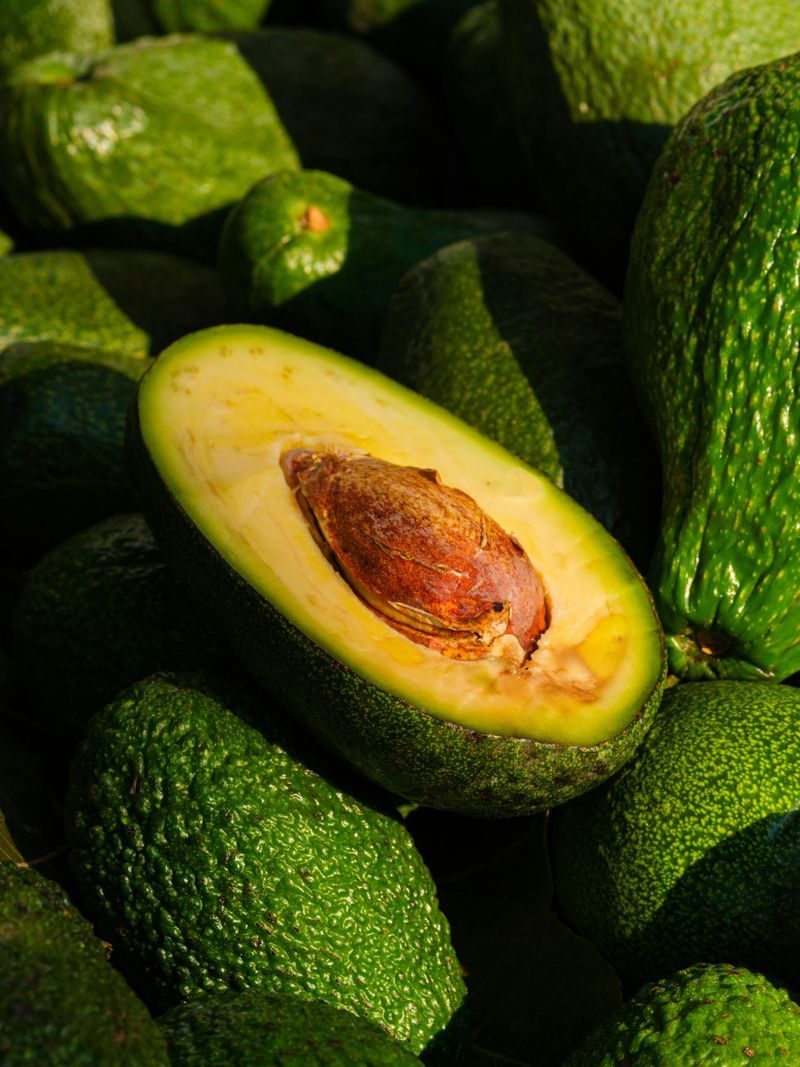
Most people think of avocados as a healthy fat food, but they are also a surprisingly solid source of fiber.
Half an avocado contains about 5 grams, split between soluble and insoluble types that work together to support smooth, comfortable digestion.
The soluble fiber helps feed good gut bacteria, while the insoluble fiber adds bulk and keeps things moving.
Unlike many high-fiber foods, avocados tend to be easy on sensitive stomachs, making them a great starting point if you are just beginning to increase your fiber intake.
Spread them on toast, blend them into smoothies, or add slices to salads for a creamy, gut-friendly boost.
12. Sweet Potatoes (with Skin)
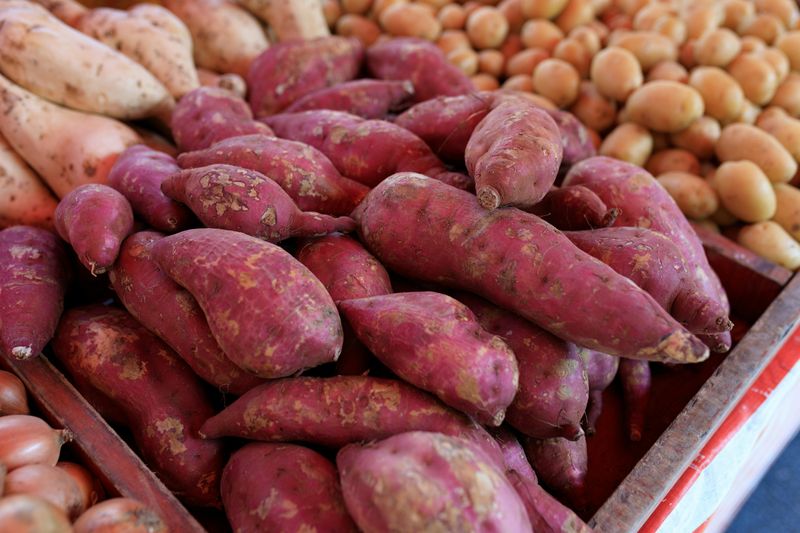
Sweet potatoes with their skin on are one of the most satisfying and fiber-rich comfort foods you can eat.
A medium baked sweet potato with skin delivers about 4.8 grams of fiber, including both soluble and insoluble varieties.
The soluble fiber helps regulate digestion and feeds beneficial gut bacteria, while the insoluble fiber prevents the constipation that so often triggers bloating.
Sweet potatoes are also rich in antioxidants and potassium, which can help reduce water retention and ease that puffed-up feeling.
Bake them whole, mash them, or cut them into wedges and roast until crispy.
Always keep the skin on for maximum fiber and nutritional value.