 MomSkoop

Fashion rules have been passed down for generations, but many of them are outdated and no longer make sense. Stylists today are breaking these old guidelines and encouraging people to express themselves more freely through their clothing choices.
If you’ve been following strict fashion dos and don’ts, it might be time to reconsider which rules are actually worth keeping. Here are ten fashion rules that experts say you should stop following right now.
1. Shoes and Bags Must Match
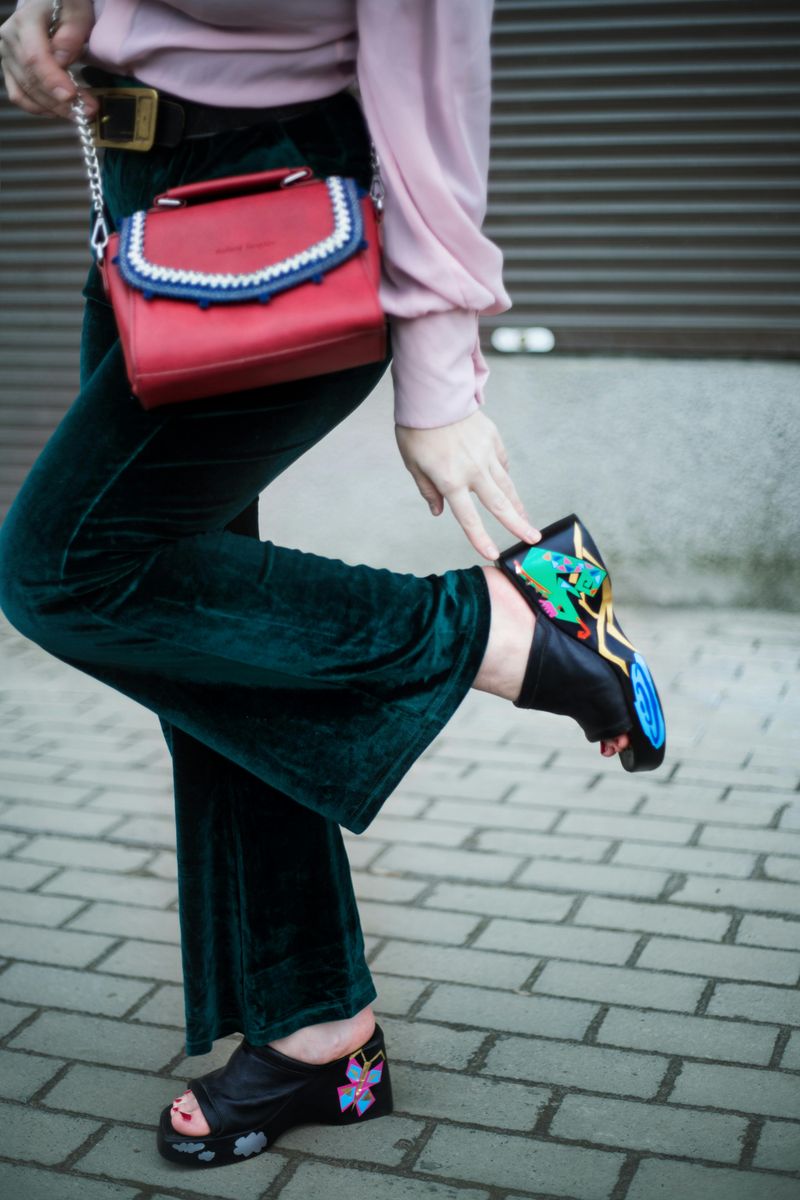
Gone are the days when your handbag had to be the exact same color as your shoes.
Fashion stylists now recommend creating visual interest by choosing contrasting pieces instead of perfectly matched sets.
A brown leather bag can look amazing with black boots, and a bright red purse can pop beautifully against neutral footwear.
This outdated rule limited creativity and made getting dressed feel like solving a puzzle with only one correct answer.
Modern fashion celebrates mixing textures, colors, and styles in unexpected ways.
When you stop worrying about matching everything perfectly, you’ll discover exciting new combinations that showcase your personal style.
Your accessories should complement your outfit without being identical twins.
2. Only Neutrals Are Professional
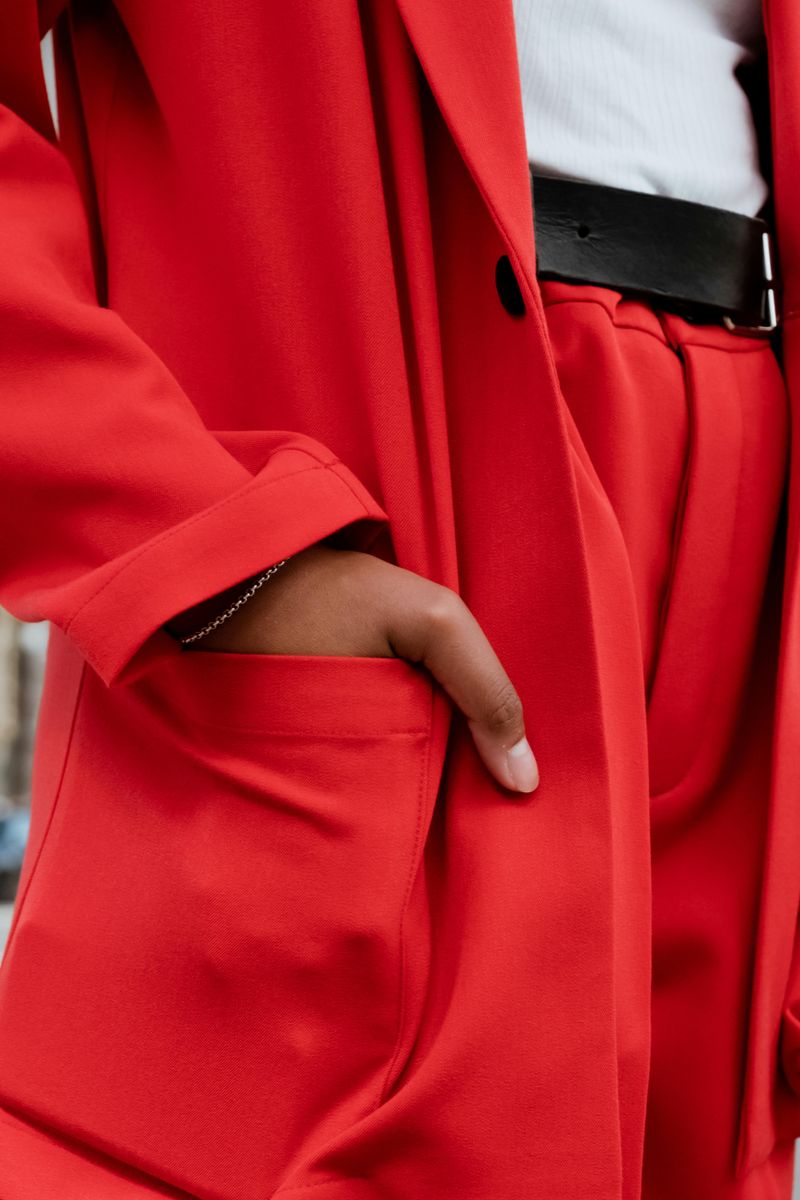
Who decided that professional meant boring?
Workplaces have evolved dramatically, and so have dress codes.
Many companies now embrace individuality and encourage employees to express themselves through colorful clothing and interesting prints.
A bright blazer or patterned blouse can look just as professional as a gray suit.
Wearing color to work shows confidence and creativity, qualities most employers value highly.
As long as your clothes are clean, well-fitted, and appropriate for your industry, there’s no reason to stick to black, white, and beige forever.
Adding personality to your work wardrobe can actually boost your mood and make you feel more engaged throughout the day.
3. Don’t Wear White After Labor Day

This rule dates back over a century and made sense when wealthy families had separate seasonal wardrobes.
Today, fashion knows no calendar restrictions.
White denim, creamy knit sweaters, and ivory outerwear appear in stores and on runways year-round.
Winter whites have become incredibly popular, proving that this color looks stunning against snowy backgrounds and gray winter skies.
Stylists love pairing white pieces with darker autumn and winter tones for fresh, modern looks.
The fabric weight and texture matter more than the color when dressing for different seasons.
A chunky white cable-knit sweater is perfect for December, while white linen belongs in July.
Stop letting an arbitrary date determine your wardrobe choices.
4. Black and Brown Don’t Go Together
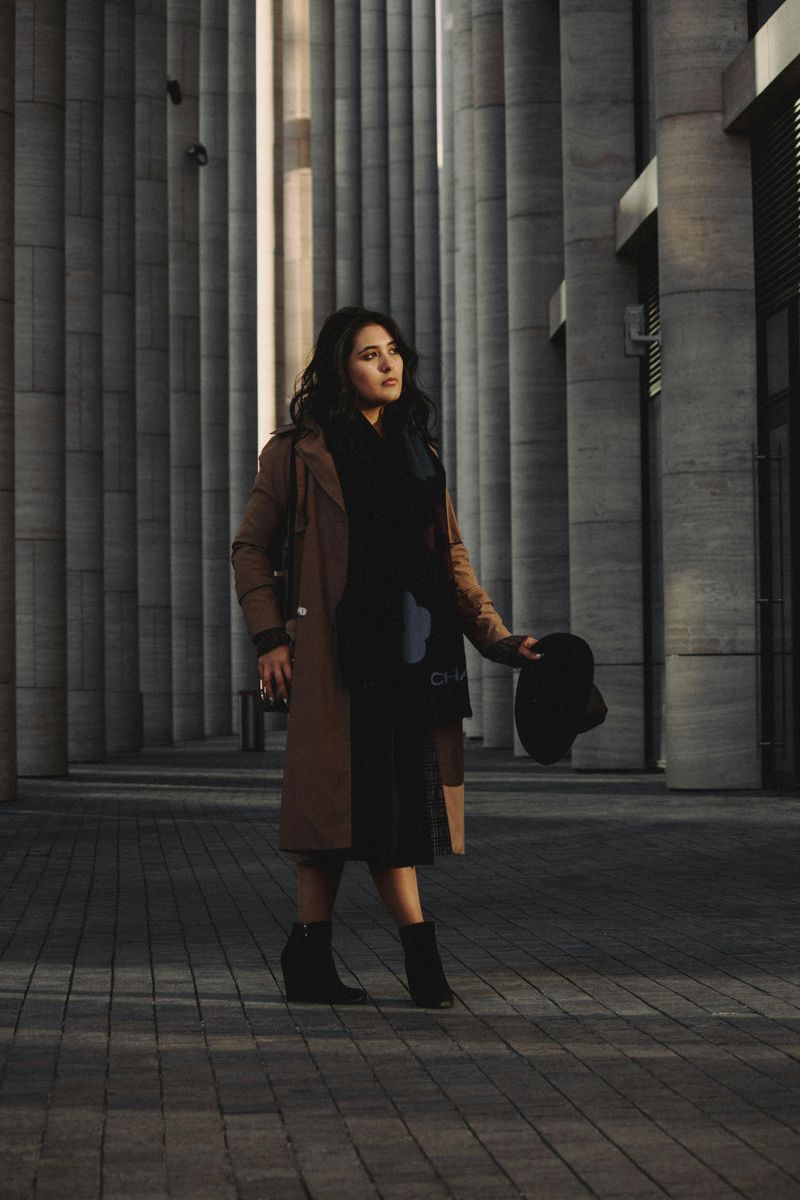
Mixing black and brown used to be considered a major fashion mistake, but stylists have completely flipped this rule.
These two rich, earthy neutrals actually complement each other beautifully when paired thoughtfully.
Think of a chocolate brown leather jacket over a black turtleneck, or black trousers with cognac boots.
The key is choosing the right shades and balancing the proportions so one color doesn’t overwhelm the other.
Many designer collections feature black and brown combinations because they create sophisticated, unexpected looks.
This pairing works especially well in fall and winter when deeper tones dominate wardrobes.
Don’t be afraid to experiment with different browns, from caramel to espresso, alongside your black basics.
5. Never Mix Gold and Silver Jewelry
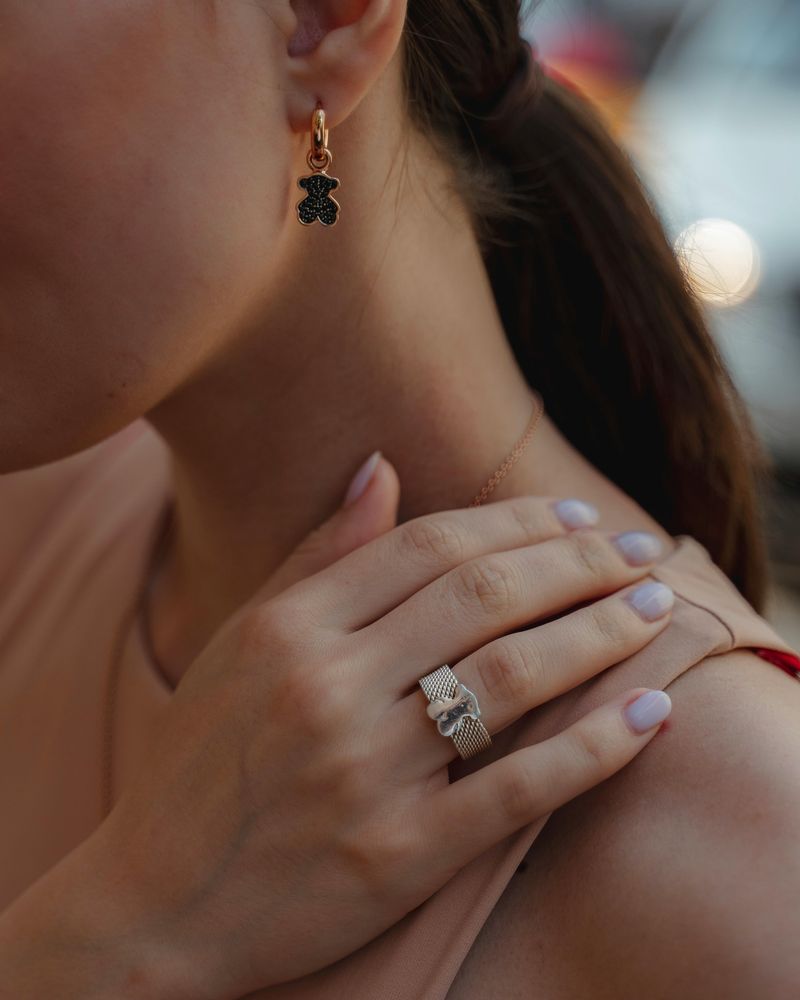
Jewelry doesn’t need to follow strict metal rules anymore.
Combining gold and silver pieces creates a layered, collected-over-time look that feels more authentic than perfectly matched sets.
Many jewelry designers now intentionally create mixed-metal pieces, proving this combination is not only acceptable but actually trendy.
Wearing both metals together gives you more flexibility when accessorizing and prevents you from having to own duplicate pieces in different finishes.
A silver watch can absolutely be worn with gold rings and earrings.
The mixed-metal approach looks effortlessly chic and shows you’re confident enough to break traditional rules.
Focus on balance rather than matching, and don’t overthink which metals you’re combining.
6. High Heels Are Required for Formal Wear
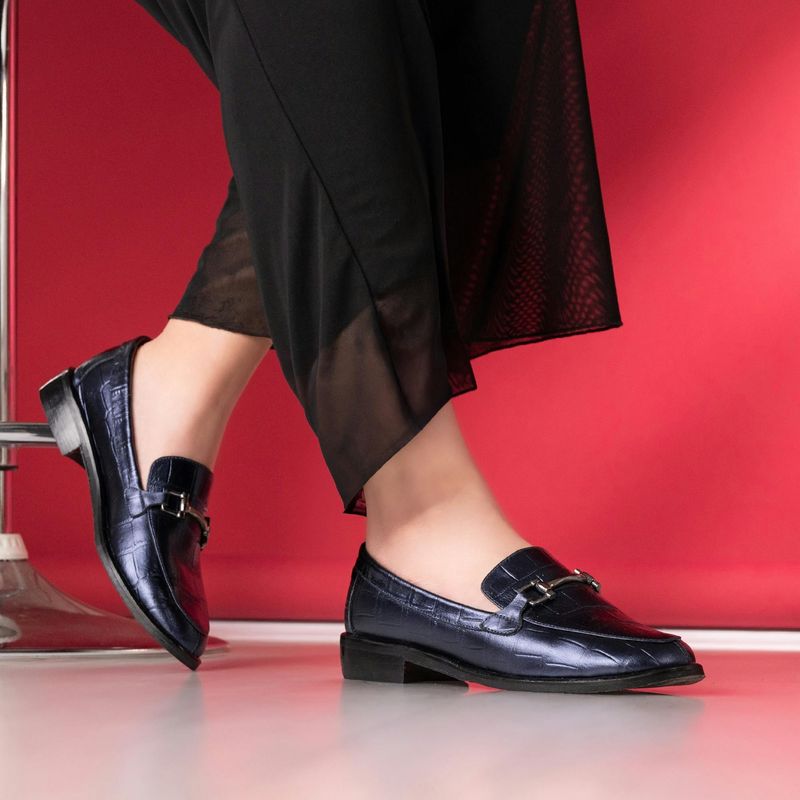
Comfort and style are no longer enemies in formal fashion.
Elegant flats, dressy loafers, and embellished sneakers have become perfectly acceptable alternatives to high heels at formal events.
Fashion-forward celebrities regularly walk red carpets in flat shoes, proving you don’t need height to look glamorous.
Many formal shoe options now exist that provide comfort without sacrificing sophistication.
Block heels, wedges, and kitten heels offer slight elevation for those who want it without the pain of stilettos.
The most important thing is that you feel confident and can actually enjoy the event rather than counting the minutes until you can remove your shoes.
Your footwear choice should enhance your outfit, not torture your feet.
7. Only One Pattern Per Outfit
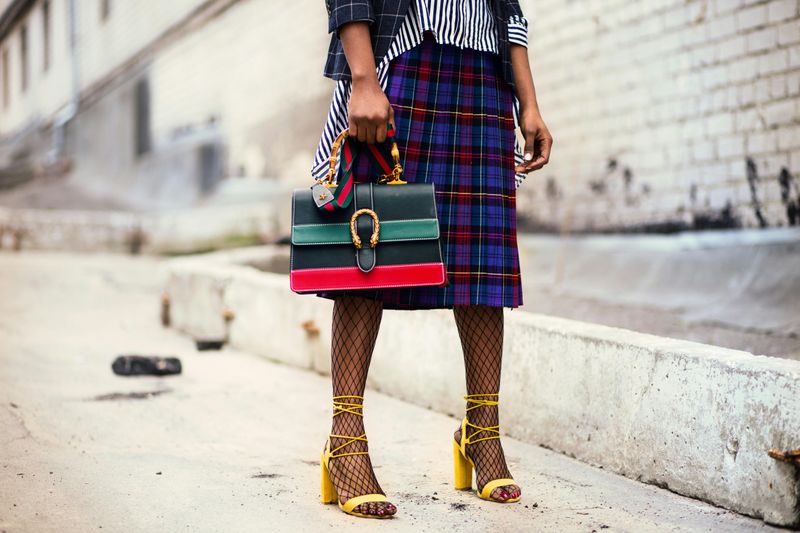
Pattern mixing is an art form that stylists absolutely love.
Wearing multiple patterns in one outfit shows confidence and creativity when done thoughtfully.
The trick is finding patterns that share at least one color or work in different scales, like pairing small polka dots with wide stripes.
Start small by mixing subtle patterns, then gradually experiment with bolder combinations as you become more comfortable.
Floral prints can work beautifully with geometric designs, and animal prints surprisingly complement almost everything.
Fashion magazines and runways constantly showcase pattern-on-pattern looks because they’re visually interesting and memorable.
Breaking this rule transforms your wardrobe possibilities, letting you create countless new outfits from existing pieces.
8. Never Repeat Outfits

Social media made people feel pressured to wear something different every single day, but this isn’t realistic or sustainable.
Stylists encourage building a wardrobe of pieces you genuinely love and wearing them repeatedly in different combinations.
There’s absolutely nothing wrong with having favorite outfits that make you feel great and wearing them often.
Repeating clothes is actually more environmentally friendly and budget-conscious than constantly buying new items.
Most people won’t remember what you wore last week anyway, and those who do probably don’t care.
Focus on quality pieces that work hard in your wardrobe rather than accumulating clothes you’ll only wear once.
Your signature style often comes from repeating and refining combinations you know work well.
9. Denim on Denim Is a Mistake

The Canadian tuxedo has made a major comeback and stylists couldn’t be happier.
Wearing denim pieces together creates a cool, casual look that works for many occasions when styled correctly.
The key is varying the washes, so your top and bottom aren’t identical shades, which can look too uniform.
Try pairing light-wash jeans with a darker denim jacket, or dark jeans with a chambray shirt.
Adding non-denim elements like a leather belt or contrasting shoes helps break up the look and adds visual interest.
Celebrities and fashion influencers regularly rock head-to-toe denim, proving this once-forbidden combination is now completely acceptable.
Experiment with different denim textures and treatments to create dimension in your outfit.
10. Dress Your Age
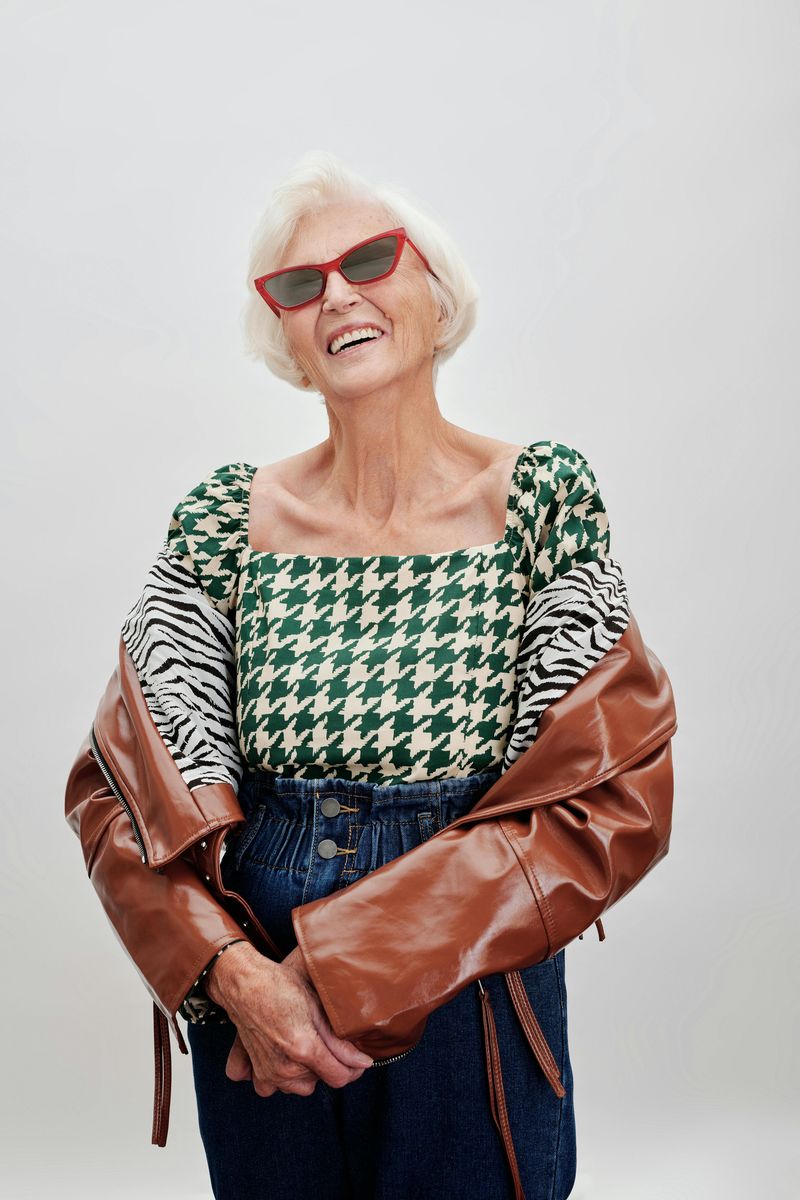
Age-appropriate dressing used to mean following strict guidelines about what people could wear at different life stages.
Modern stylists reject this limiting concept entirely, encouraging people to wear whatever makes them feel confident regardless of their birth year.
Fashion should be about personal expression, body comfort, and individual style preferences rather than arbitrary age rules.
A teenager can rock classic pieces, and someone in their sixties can absolutely wear trendy items if they choose.
What matters is whether the clothing fits well, suits your lifestyle, and makes you feel like yourself.
Ignoring age-based fashion rules opens up your entire wardrobe to endless possibilities and prevents you from prematurely limiting your style evolution.
Wear what you love with confidence.