 MomSkoop
Managing blood pressure takes more than just popping pills each day. What you eat can either help your medication work better or make it less effective, sometimes even dangerous.
Certain foods interact badly with blood pressure drugs, causing unwanted side effects or blocking the medicine from doing its job. Knowing which foods to avoid can keep you safe and help your treatment work the way it should.
1. Grapefruit and Grapefruit Juice
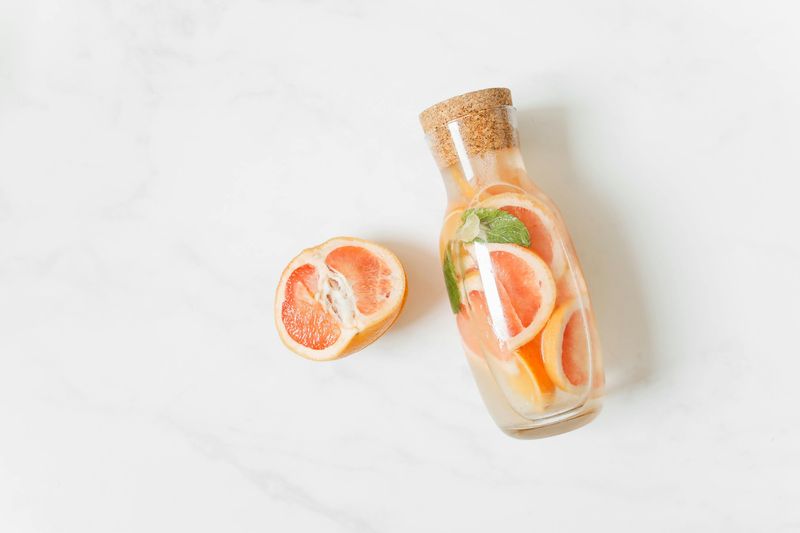
Many people love starting their morning with a glass of citrus juice, but grapefruit creates serious problems for blood pressure medication users. This tangy fruit contains special chemicals that mess with how your liver processes medicine.
When you drink grapefruit juice or eat the fruit, it blocks enzymes that normally break down certain medications. Your body ends up with too much medicine in your bloodstream, which can drop your blood pressure dangerously low.
Even small amounts matter here. A single glass of juice can affect your medication for up to 24 hours. Talk to your doctor about safer citrus options like oranges or tangerines instead.
2. Salty Processed Foods
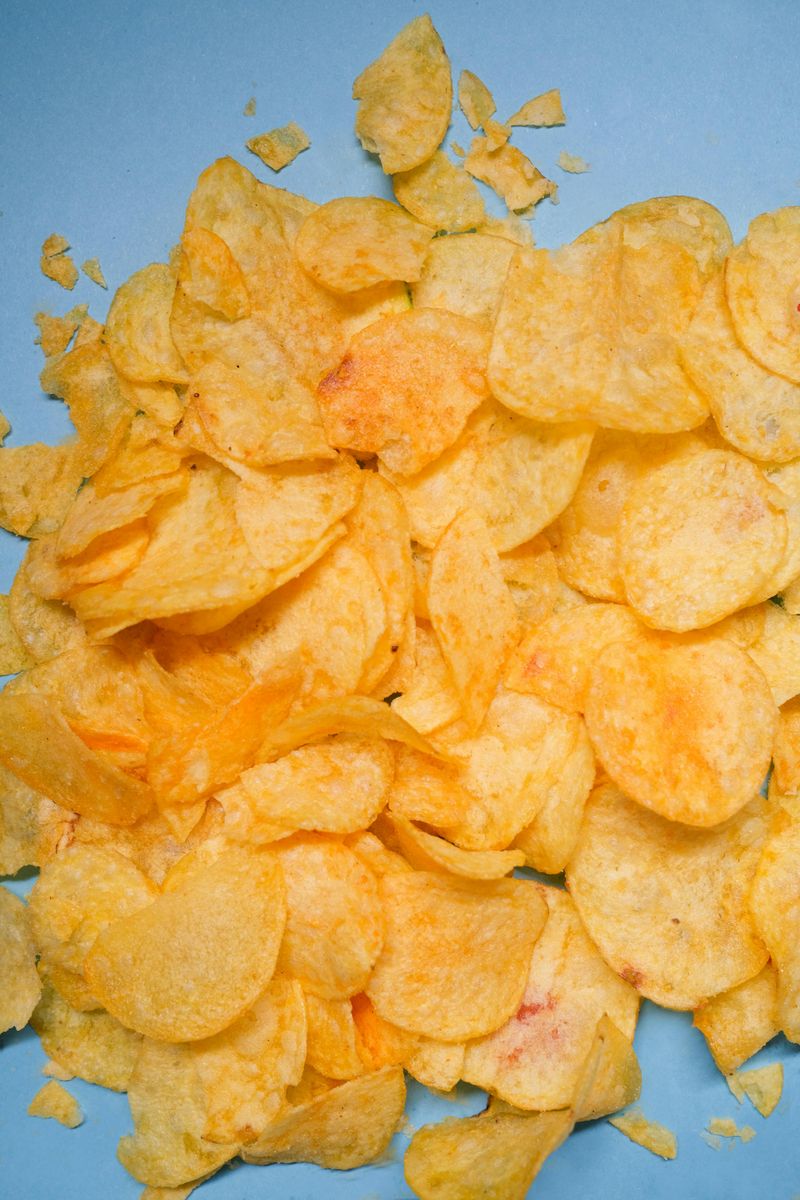
Sodium works against everything your blood pressure medication tries to accomplish. Chips, canned soups, frozen meals, and deli meats pack enormous amounts of salt that force your heart to work overtime.
Your kidneys struggle to balance all that extra sodium, causing your body to hold onto water. This increases the volume of blood flowing through your vessels, pushing pressure higher. Your medication has to fight harder against this extra load.
Reading food labels becomes essential when managing blood pressure. Look for products with less than 140 milligrams of sodium per serving. Fresh vegetables, fruits, and home-cooked meals give you better control over salt intake.
3. Aged Cheeses and Cured Meats
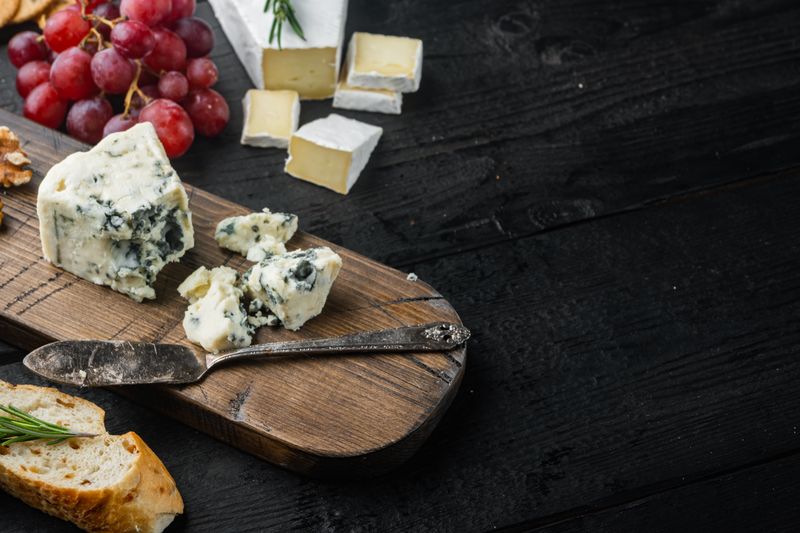
That fancy cheese board might look delicious, but aged varieties contain tyramine, a compound that spells trouble for certain blood pressure medications. Cheddar, blue cheese, parmesan, and similar aged options build up tyramine levels during the aging process.
People taking MAO inhibitors for blood pressure face the biggest risk. Tyramine can trigger sudden, dangerous spikes in blood pressure when combined with these medications. Cured meats like salami, pepperoni, and aged sausages carry the same risk.
Fresh cheeses like mozzarella, cream cheese, and cottage cheese contain much less tyramine. These safer alternatives let you enjoy dairy without the medication interference.
4. Licorice Root and Black Licorice Candy
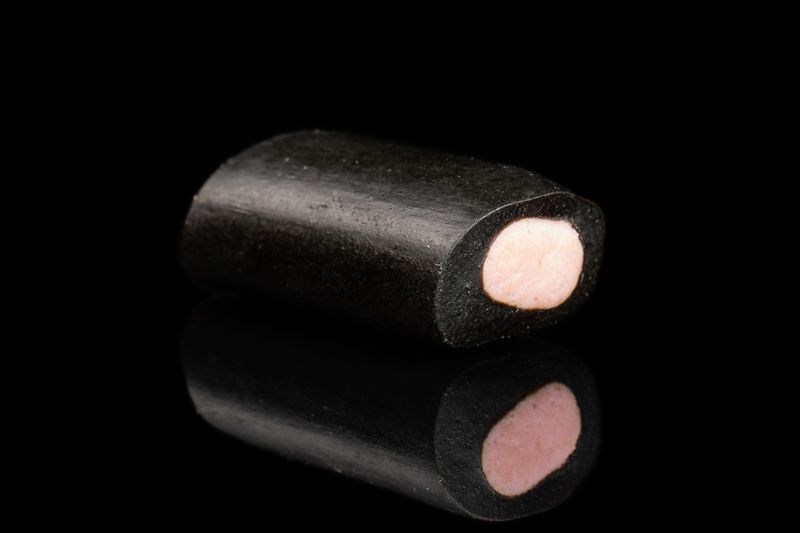
Black licorice tastes distinctive because of glycyrrhizin, a natural compound found in licorice root. This substance acts like a hormone in your body, causing sodium retention and potassium loss.
The effect mimics conditions that raise blood pressure naturally. When combined with blood pressure medication, licorice can completely cancel out what your pills are trying to do. Some people experience dangerous heart rhythm problems from low potassium levels.
Many herbal teas and supplements contain licorice root without clearly stating it on the label. Always check ingredient lists carefully. Red licorice candy usually contains artificial flavoring instead of real licorice, making it a safer sweet treat option.
5. Energy Drinks and Excessive Caffeine
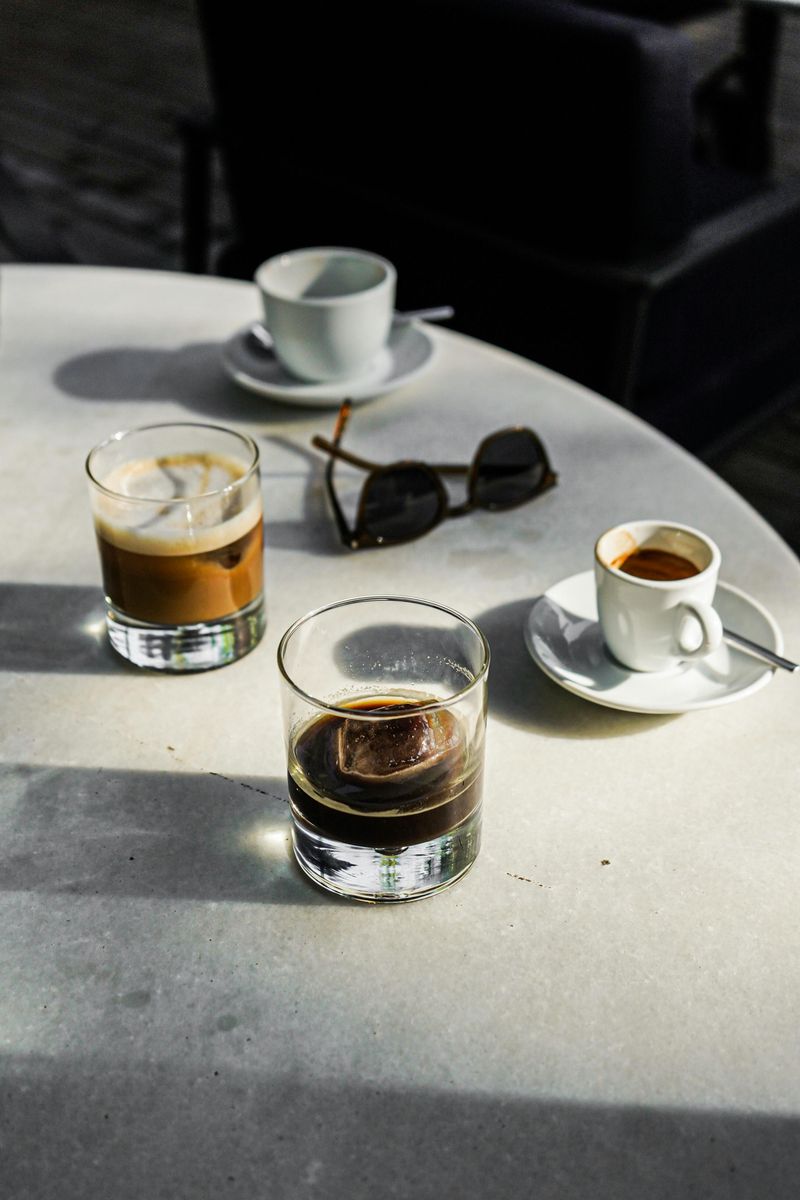
Caffeine gives you that quick boost, but it also temporarily raises blood pressure by tightening blood vessels. Energy drinks take this effect to extreme levels with massive caffeine doses plus other stimulants.
One energy drink can contain as much caffeine as four cups of coffee. Your heart rate increases, blood vessels constrict, and blood pressure spikes upward. This surge forces your medication to work against a powerful opposing force.
Moderate coffee consumption (one to two cups daily) usually stays safe for most people on blood pressure medication. However, energy drinks, pre-workout supplements, and excessive coffee intake create unnecessary risks. Water, herbal tea, and decaf options keep you hydrated without the pressure problems.
6. Alcohol in Large Quantities
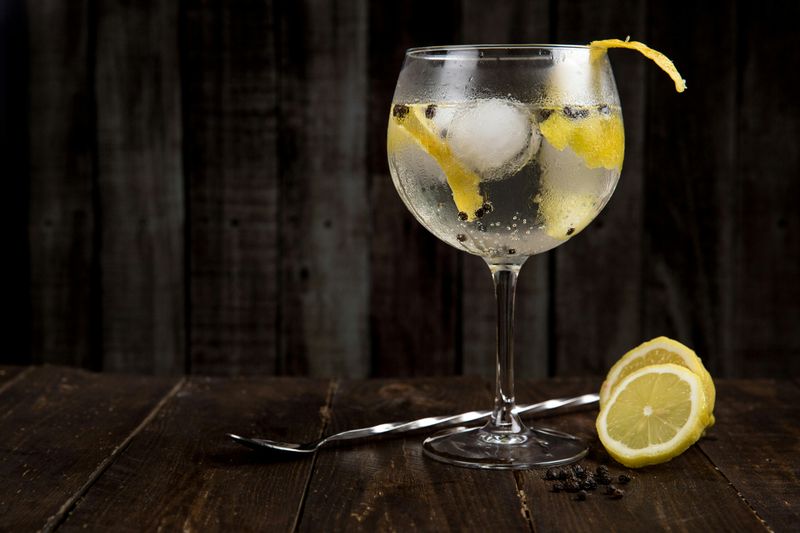
Drinking alcohol while taking blood pressure medication creates a complicated situation. Small amounts might not cause problems, but heavy drinking interferes with how your medication works.
Alcohol relaxes blood vessels initially, which can drop blood pressure too low when combined with medication. This causes dizziness, fainting, and dangerous falls. Regular heavy drinking also raises blood pressure over time, making your medication less effective.
Your liver processes both alcohol and most blood pressure medications. Drinking heavily forces your liver to prioritize alcohol, leaving medication levels unpredictable in your bloodstream. Most doctors recommend limiting alcohol to one drink daily for women and two for men while on blood pressure medication.
7. Potassium-Rich Foods (With Certain Medications)
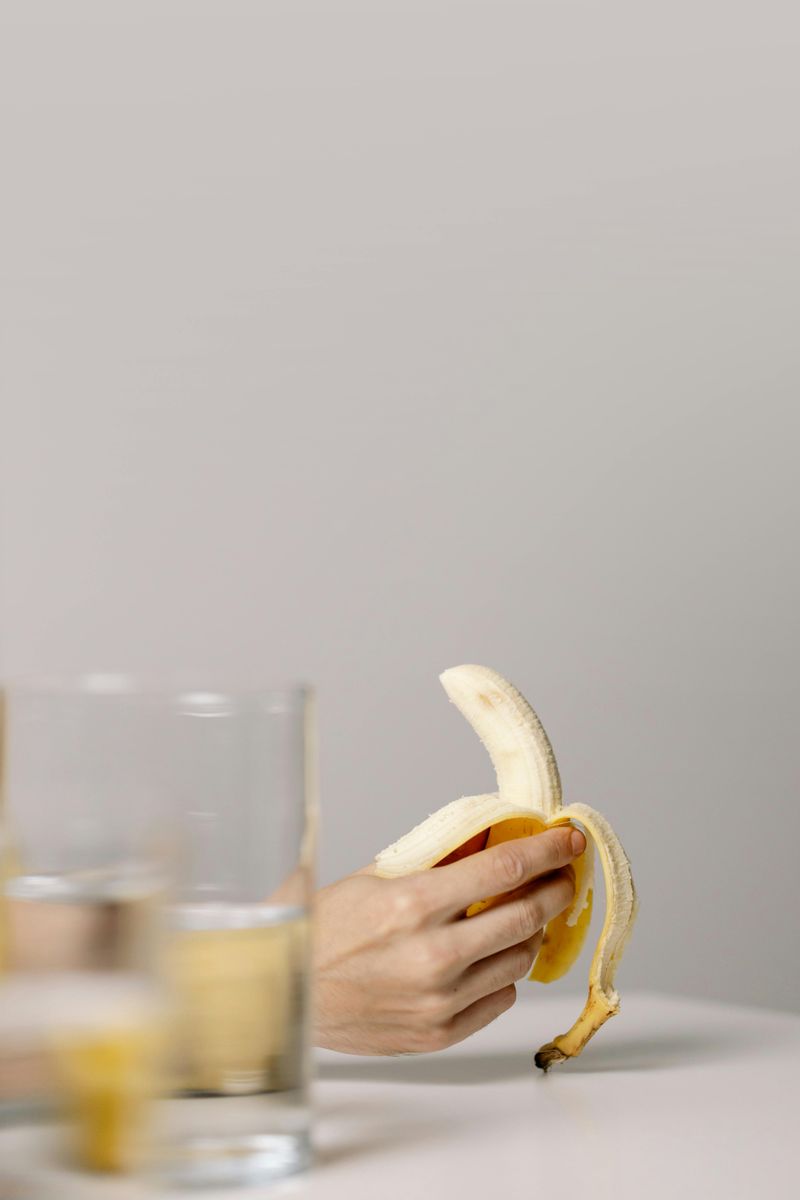
Potassium usually helps lower blood pressure, but certain medications called potassium-sparing diuretics change this rule completely. These drugs prevent your kidneys from removing potassium, causing it to build up in your blood.
Adding potassium-rich foods like bananas, avocados, spinach, and potatoes on top of these medications can push levels dangerously high. Too much potassium affects your heart rhythm and can cause serious cardiac problems.
Not everyone taking blood pressure medication needs to limit potassium. Only specific drug types create this concern. Ask your doctor whether your particular medication requires potassium restrictions. Many people actually need more potassium, so getting personalized advice matters tremendously.