 MomSkoop
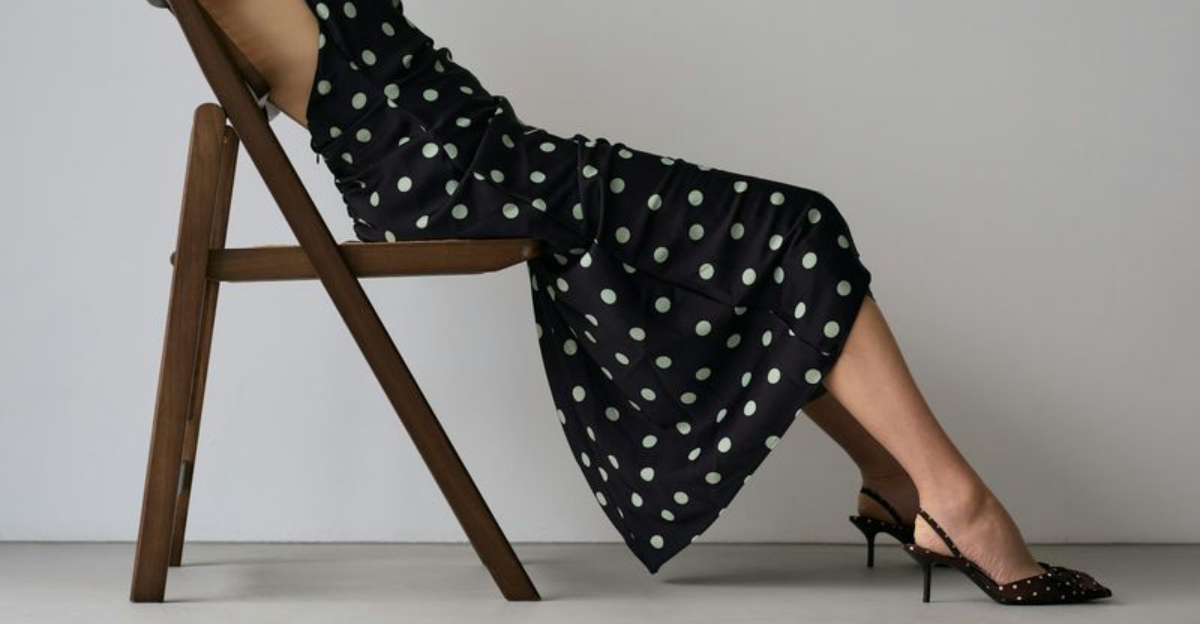
Heels can make any outfit look polished and put-together, but wearing them the wrong way can turn a great day into a painful one fast. From blisters to bad posture, small mistakes can have a big impact on how you look and feel.
Whether you wear heels every day or just for special occasions, knowing what to avoid makes all the difference. Here are the most common heel mistakes women make and how to fix them.
1. Wearing Heels That Are the Wrong Size
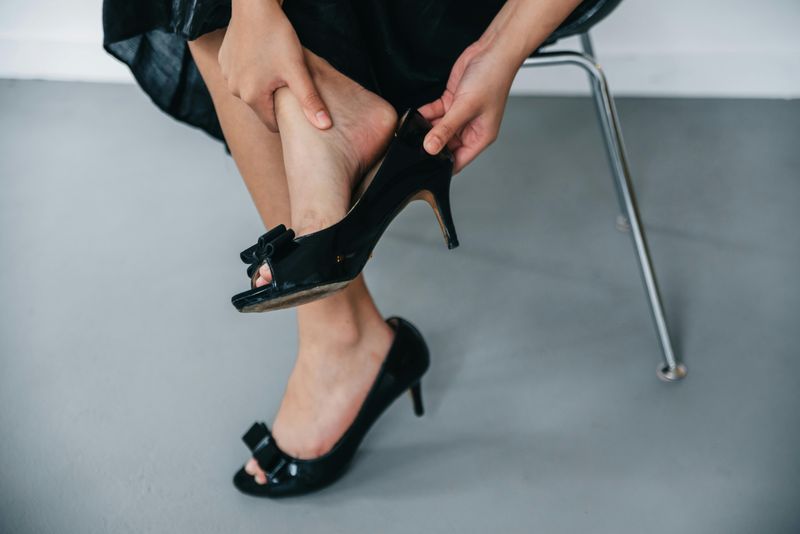
A shoe that does not fit properly is one of the fastest ways to ruin your day.
Heels that are too tight squeeze your toes, cause painful blisters, and can even lead to long-term foot problems like bunions.
Many women buy heels that are slightly too small, hoping they will stretch out over time.
On the other hand, heels that are too loose are just as problematic.
Your foot slides forward with every step, making you look unsteady and feel uncomfortable.
Always try heels on later in the day when your feet are slightly swollen for the most accurate fit.
Getting the right size is the first step to wearing heels confidently.
2. Ignoring Comfort for Style
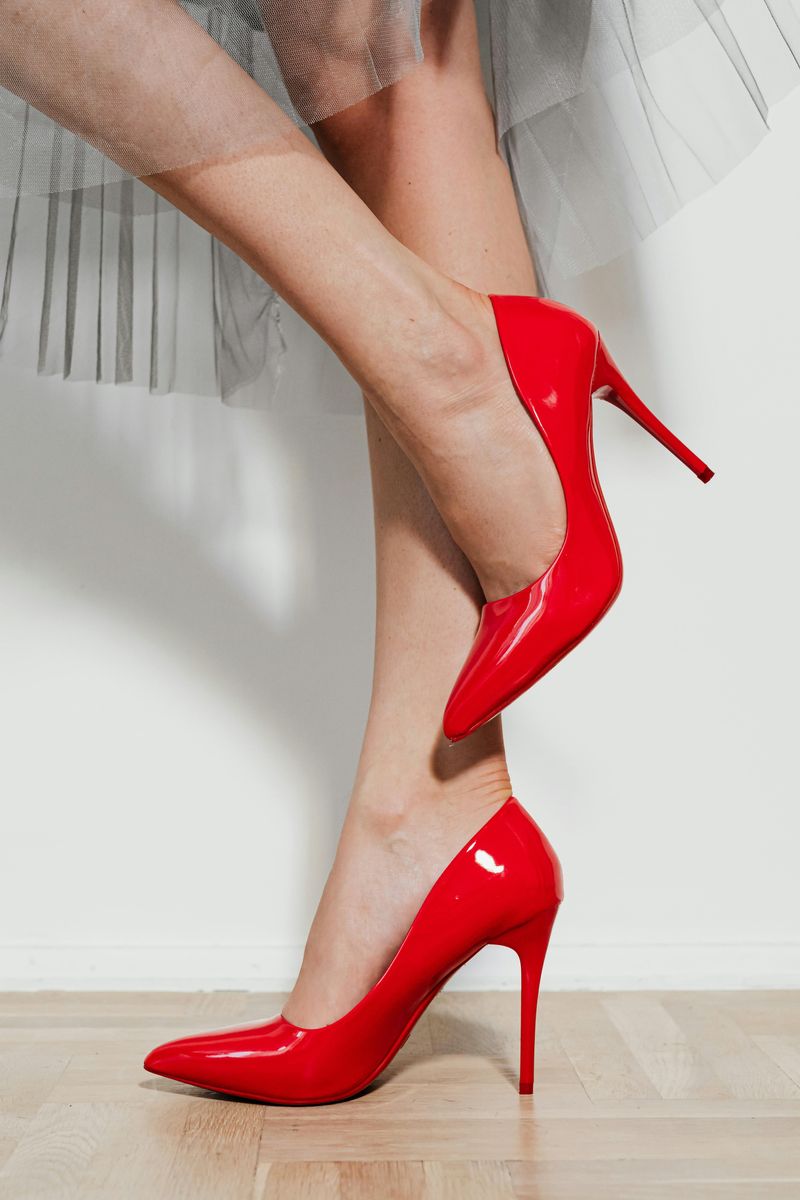
Sky-high stilettos look stunning on a shelf, but after an hour of standing or walking, they can feel like torture devices.
Choosing style over comfort is a trap many women fall into, especially for events that involve a lot of movement.
The truth is, a slightly lower heel can look just as elegant and feel a hundred times better.
Comfort and style do not have to be opposites.
Plenty of heel styles offer both, including block heels, wedges, and low kitten heels.
Before buying a pair, walk around the store for a few minutes.
If they hurt right away, they will only get worse.
Your feet will thank you for making smarter choices.
3. Walking Incorrectly in Heels
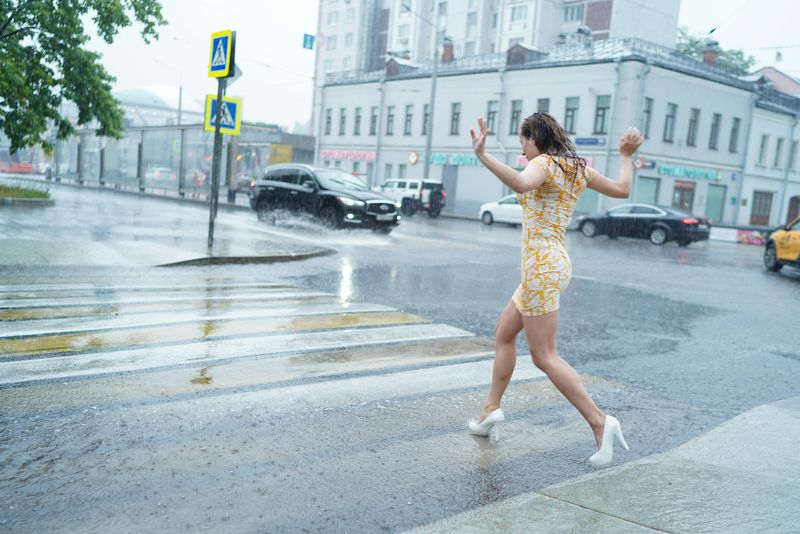
Believe it or not, walking in heels is a skill that takes practice.
One of the most common mistakes is stomping down too hard with the heel first, which creates a clunky, unnatural gait that looks and sounds uncomfortable.
Heels are designed to shift your weight forward, so your walk should reflect that.
The right technique is to place your heel down first, then smoothly roll through to your toes in one fluid motion.
Keep your steps shorter than you normally would in flat shoes.
Practicing at home on different surfaces builds muscle memory fast.
Good posture also plays a huge role in how graceful you look while walking in heels.
4. Wearing Heels for Too Long
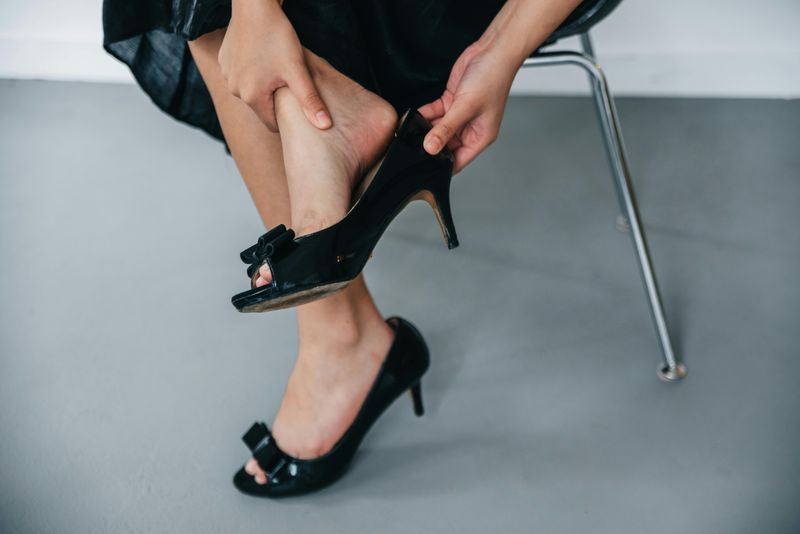
Your feet were not built to spend eight or more hours elevated at an angle.
Wearing heels all day puts serious strain on your feet, ankles, knees, and lower back.
Over time, this can lead to chronic pain, shortened calf muscles, and even stress fractures.
Many women push through the pain, thinking it is normal.
A smart strategy is to limit how long you wear heels in one stretch.
Bring a pair of flats or comfortable slip-ons to switch into when you are not in the spotlight.
Stretching your calves and feet after removing your heels also helps reduce soreness.
Taking breaks is not a sign of weakness; it is just good foot sense.
5. Choosing the Wrong Heel Height
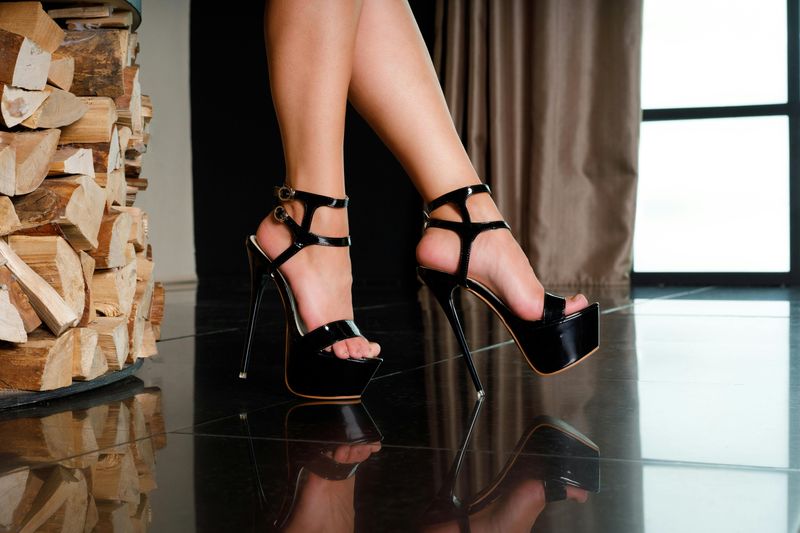
Not every event calls for the same heel height, and misjudging this can affect both your comfort and your overall look.
Wearing 5-inch heels to a casual brunch or a long outdoor event is a recipe for regret.
The height of your heel should match the occasion, the terrain, and your own ability to walk in them confidently.
A good rule of thumb is to start with a heel height you can actually handle before working your way up.
Two to three inches is a sweet spot for most women, offering height without sacrificing stability.
Knowing your limits is not a fashion flaw.
Wearing the right height for the right moment always looks more put-together than struggling in shoes that are too tall.
6. Neglecting Foot Care
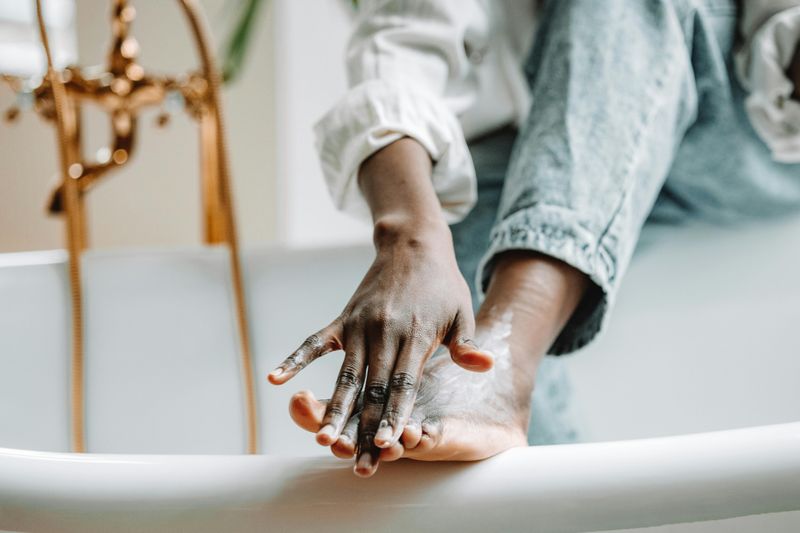
Regular heel-wearing without proper foot care is a combination that leads to dry, cracked skin, painful calluses, and sore arches.
Many women focus entirely on how their shoes look and forget to pay attention to what is happening to their feet inside them.
Neglected feet become a real problem, especially in open-toed or strappy heels.
Moisturizing your feet every night is a simple habit that makes a big difference.
Exfoliating weekly helps remove rough patches before they build up into calluses.
Foot soaks, arch stretches, and using gel insoles can also reduce daily wear and tear.
Healthy feet are the foundation of a comfortable heel-wearing experience, so treating them well should always be part of your routine.
7. Pairing Heels With the Wrong Outfit
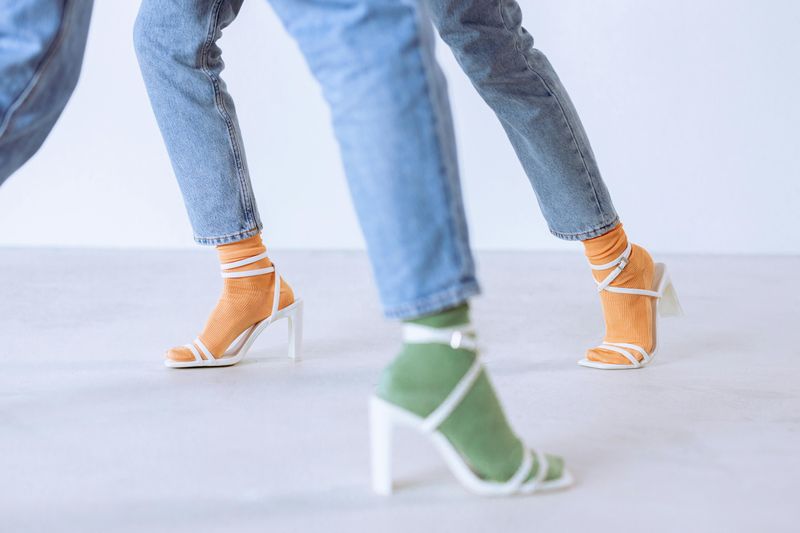
Heels can elevate an outfit instantly, but the wrong pair can just as easily throw the whole look off balance.
Chunky platform heels with a delicate, feminine dress can look mismatched, while thin stilettos with baggy, casual pants can seem oddly formal.
Proportion matters more than most people realize in fashion.
A quick trick is to think about the visual weight of your shoes compared to your clothes.
Sleek heels work beautifully with tailored, structured outfits.
Chunkier heels pair well with relaxed, casual styles.
Ankle straps can shorten the leg line, so they work best with shorter hemlines.
Taking a moment to consider how your heels interact with your full outfit will always lead to a more polished result.
8. Not Breaking In New Heels
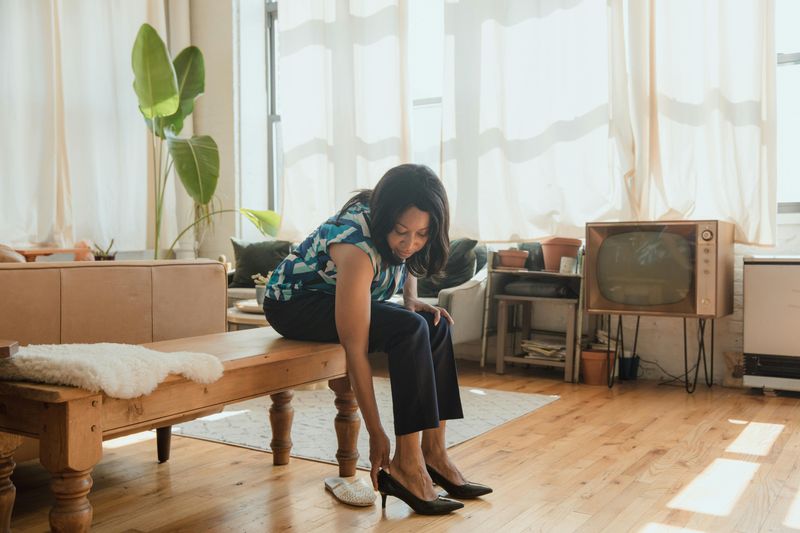
Straight out of the box and onto a dance floor is one of the most painful decisions a person can make.
Brand-new heels have stiff materials that have not yet molded to the shape of your foot, which means friction, blisters, and raw spots are almost guaranteed at a long event.
It seems obvious in hindsight, but so many women skip this step.
Breaking in heels at home first is the smart move.
Wear them around the house for short periods over several days.
Thick socks can help stretch them out gently.
Moleskin padding on high-friction areas like the back of the heel or the toe box can also prevent blisters before they start.
A little preparation goes a long way toward a pain-free night.
9. Wearing Worn-Out Heels
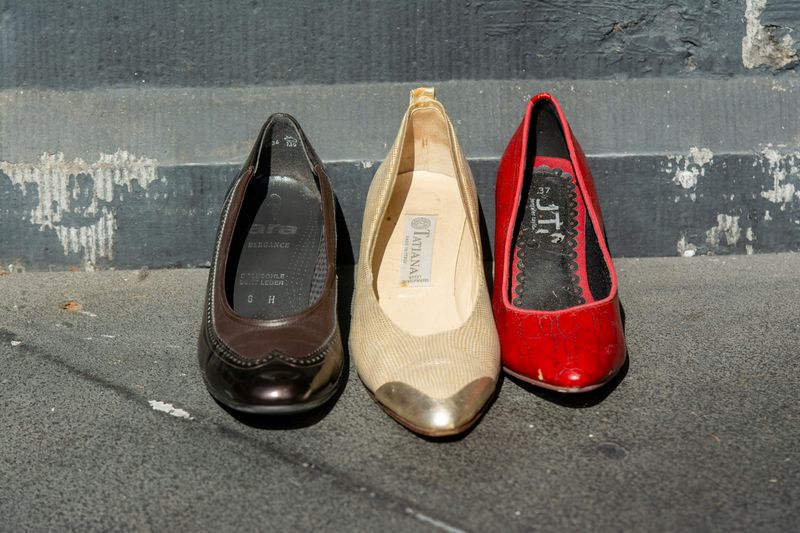
That favorite pair of heels might feel comfortable, but if the heel tips are worn down to metal, the soles are uneven, or the material is cracking, it is time for a refresh.
Worn-out heels affect your balance and can actually be dangerous on smooth or slippery surfaces.
They also send the wrong message style-wise, no matter how nice the rest of your outfit looks.
The good news is that most heels can be repaired affordably by a cobbler.
Replacing heel tips costs very little and makes a huge difference in both safety and appearance.
Regularly inspect your heels for signs of wear and address them early.
Keeping your shoes in good condition shows attention to detail and makes every outfit look more intentional and polished.
10. Sacrificing Posture While Wearing Heels
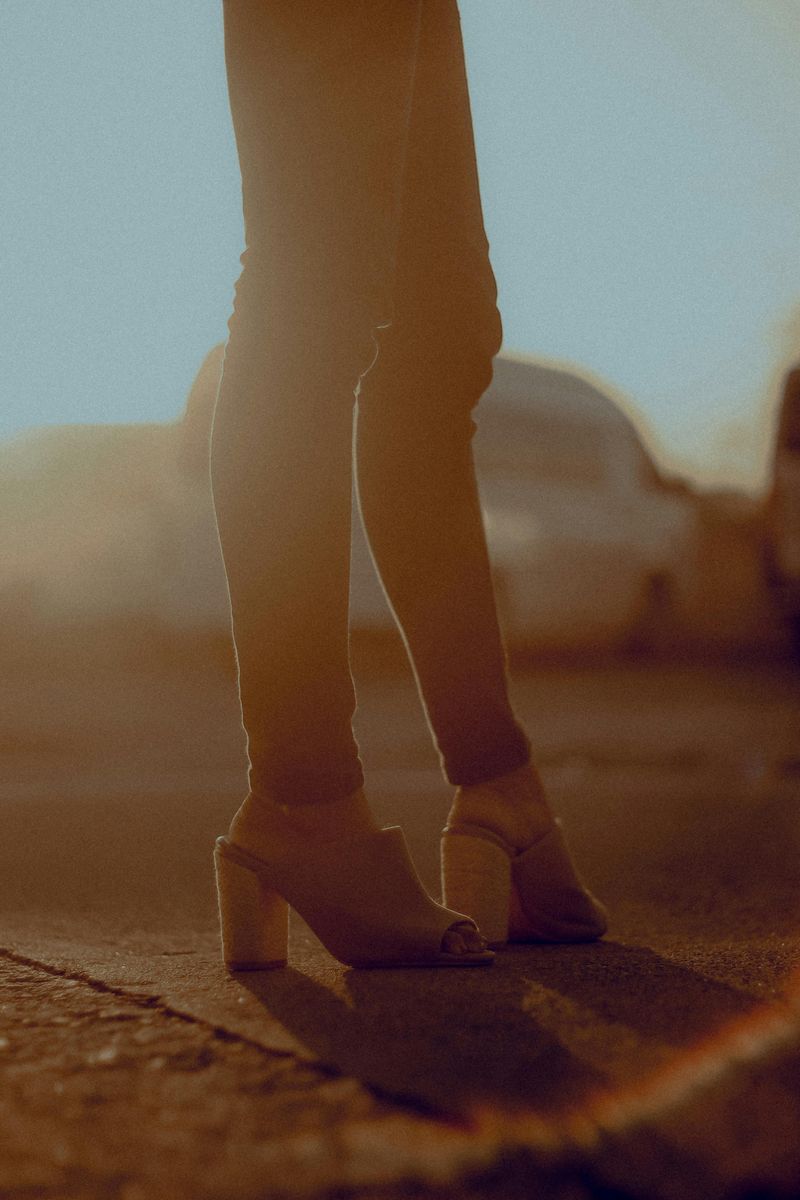
Heels are designed to shift your center of gravity forward, and without proper posture, that shift becomes a problem.
Slouching, bending your knees, or leaning forward while wearing heels makes you look unsure of yourself and actually makes walking harder.
Poor posture also increases pressure on your lower back and can lead to pain over time.
Standing tall with your shoulders back and your core gently engaged is the key to carrying heels with confidence.
Think of pulling the top of your head toward the ceiling as you walk.
Keep your chin level and avoid looking down at your feet.
Good posture not only protects your body but completely transforms the way heels look on you, making the extra height work in your favor.
11. Ignoring the Occasion or Surface
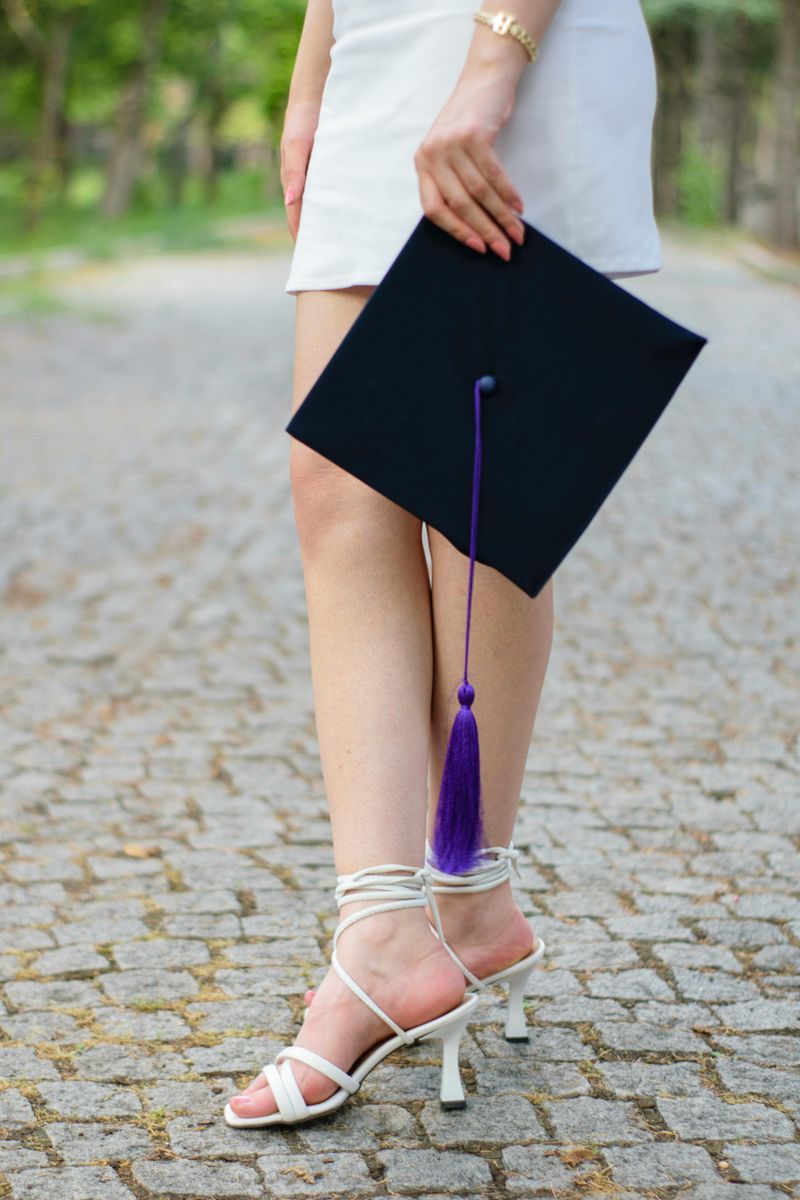
Stilettos and cobblestones are not friends, and neither are thin heels and freshly mowed grass.
Wearing the wrong type of heel for the surface or setting is one of those mistakes that seems small until you are limping halfway through an event.
The surface you will be walking on should absolutely influence your shoe choice.
For outdoor events, wedges or block heels offer far more stability than stilettos.
For long walks or city outings, a lower, sturdier heel is always the smarter pick.
Always research the venue or setting before deciding on your footwear.
Matching your heel to the environment shows real fashion intelligence and saves you from the very real embarrassment of getting stuck, tripping, or simply suffering through an event that should have been fun.