 MomSkoop
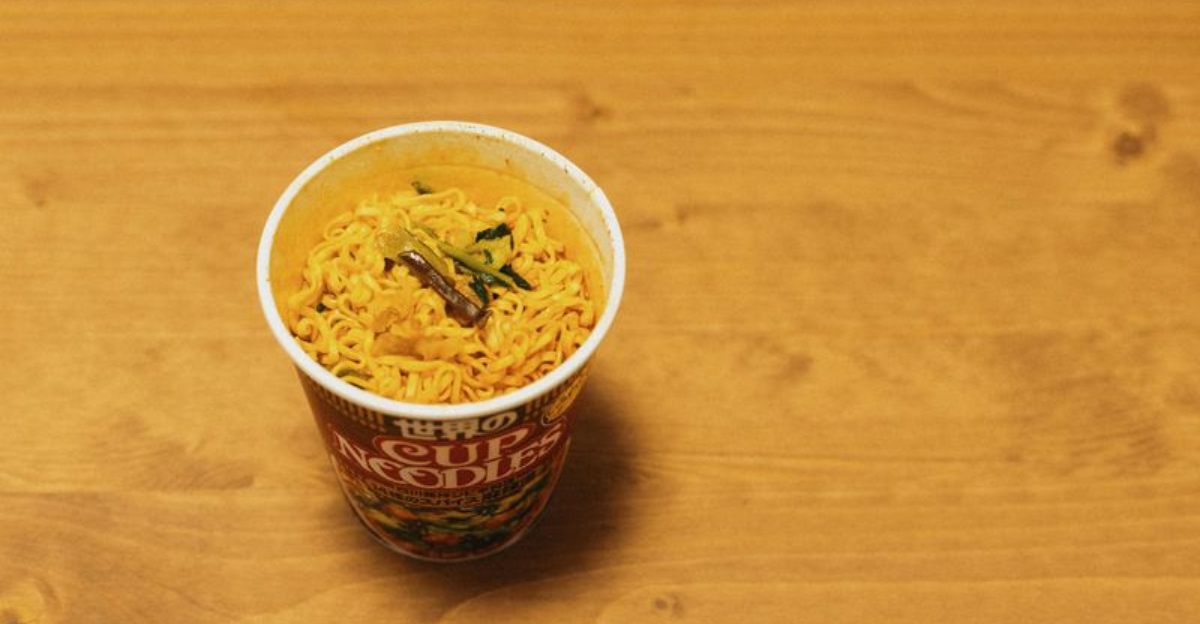
Walking down the grocery store aisles, colorful packages promise convenience and great taste.
But many of these foods are loaded with artificial ingredients, excessive sodium, unhealthy fats, and added sugars that can harm your health over time.
Understanding which ultra-processed foods to avoid can help you make smarter choices for yourself and your family.
1. Sugary Breakfast Cereals
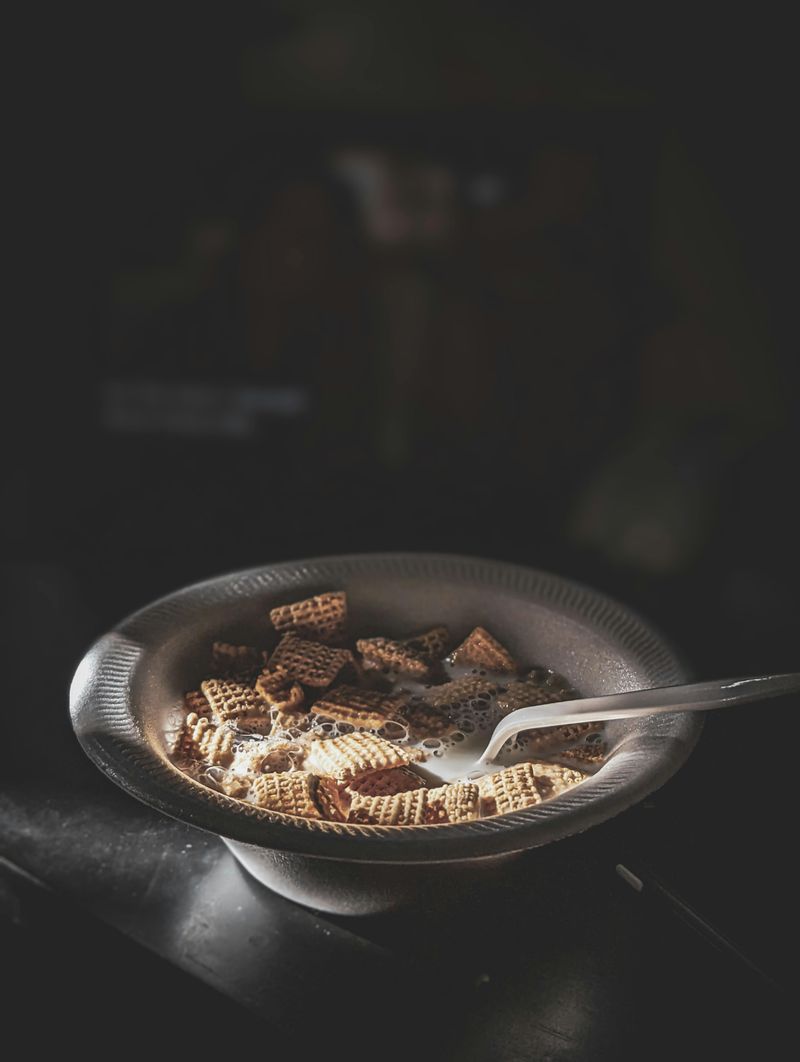
Starting your morning with a bowl of brightly colored cereal might seem harmless, but most popular brands contain shocking amounts of added sugar.
A single serving can pack more sugar than a chocolate chip cookie.
Many varieties use artificial colors, preservatives, and refined grains stripped of their natural nutrients.
Your body digests these quickly, causing blood sugar spikes followed by crashes that leave you hungry again within an hour.
Kids who eat sugary cereals regularly may develop unhealthy eating patterns and cravings.
Instead, choose whole grain oatmeal, plain cereals with fresh fruit, or eggs for sustained energy throughout your morning.
2. Packaged Snack Cakes and Pastries

Image Credit: © Cats Coming / Pexels
Convenience comes at a cost when you grab those individually wrapped cakes from the snack aisle.
These treats contain trans fats, high fructose corn syrup, and artificial flavors designed to mimic real baking.
The ingredient list reads like a chemistry experiment rather than a recipe your grandmother would recognize.
Manufacturers add preservatives so these products can sit on shelves for months without spoiling, which should raise concerns about what you are actually eating.
Regular consumption contributes to weight gain, inflammation, and increased disease risk.
Baking homemade treats or choosing fresh bakery items gives you better quality without mysterious additives.
3. Frozen Chicken Nuggets and Similar Reconstituted Meats
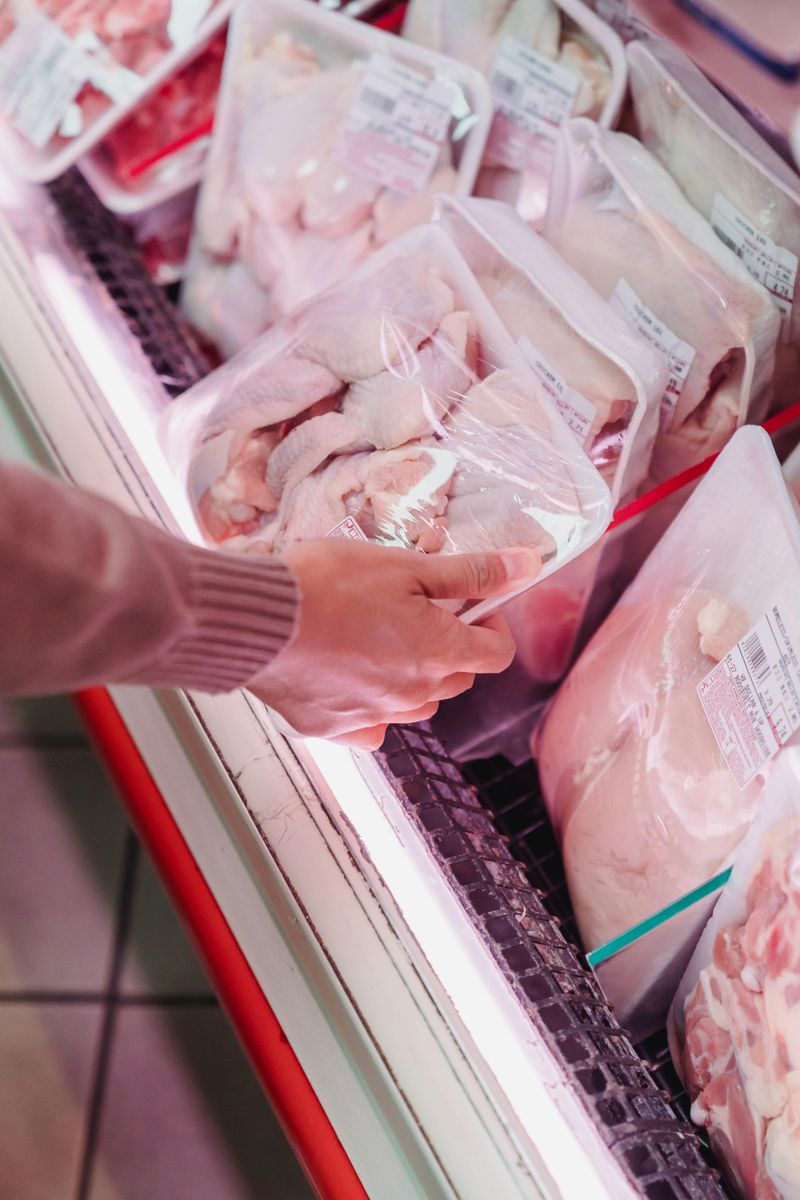
Image Credit: © Kevin Malik / Pexels
What exactly goes into those golden-brown nuggets in your freezer?
Most contain mechanically separated chicken, which includes leftover scraps ground into paste, then mixed with fillers, sodium, and artificial seasonings.
The breading often has more ingredients than the meat itself.
These products undergo extensive processing that strips away nutritional value while adding unhealthy fats and excessive salt.
Children especially consume these regularly, establishing poor eating habits early.
The convenience factor makes them popular, but the health trade-off is not worth it.
Making homemade baked chicken strips with real chicken breast takes minimal effort and tastes significantly better.
4. Instant Noodles and Flavored Ramen Cups
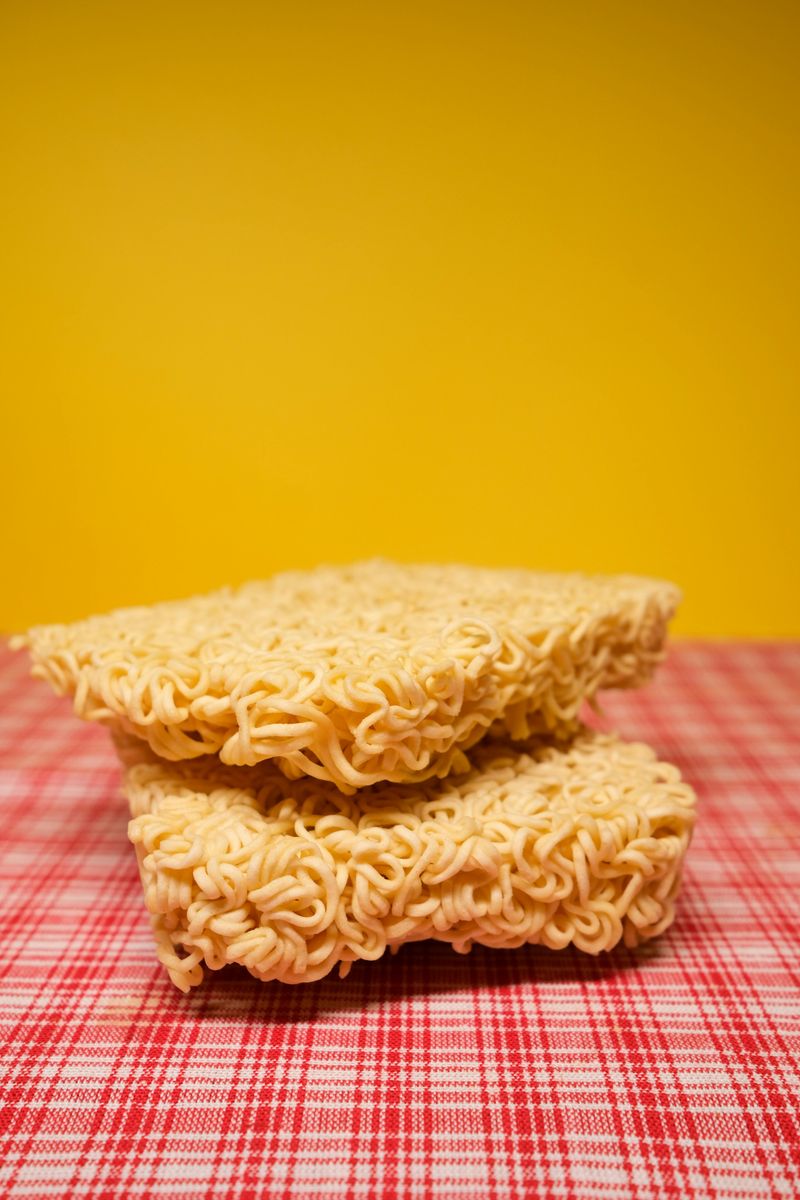
Image Credit: © Alena Shekhovtcova / Pexels
College students and busy workers rely on these cheap, quick meals, but one serving contains nearly your entire daily sodium recommendation.
The noodles are pre-fried in unhealthy oils, and the flavor packets burst with MSG, artificial seasonings, and preservatives.
Your body struggles to process these chemical-laden ingredients.
Regular consumption links to increased risks of heart disease, high blood pressure, and metabolic problems.
The lack of real vegetables, protein, or fiber means you are essentially eating empty calories that provide no lasting nutrition.
Preparing simple pasta dishes with real broth and vegetables takes just slightly longer but nourishes your body properly.
5. Processed Cheese Slices and Cheese Spreads

Image Credit: © Ron Lach / Pexels
Real cheese comes from milk, cultures, and enzymes, but processed cheese products contain a disturbing list of additives.
Manufacturers use emulsifiers, artificial colors, preservatives, and flavor enhancers to create that unnaturally smooth texture and bright orange hue.
These items legally cannot even be called cheese in some countries.
They are classified as cheese products because they contain so many non-cheese ingredients.
The processing destroys beneficial nutrients found in real cheese while adding unnecessary sodium and chemicals.
Your sandwiches and snacks deserve better quality ingredients that actually come from farms rather than factories equipped with industrial machinery and chemical vats.
6. Soft Drinks and Energy Drinks
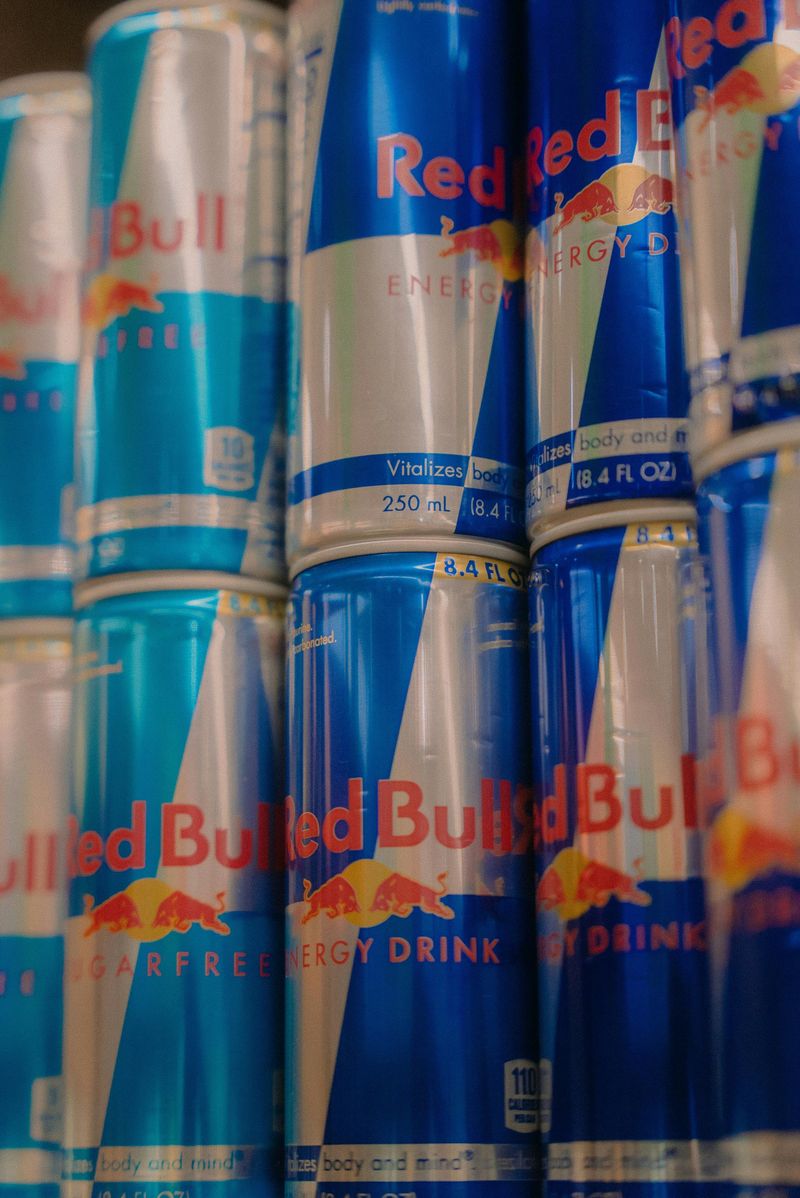
Image Credit: © Juan Gomez / Pexels
Liquid sugar bombs disguised as refreshing beverages flood store coolers everywhere.
A single can of soda contains up to ten teaspoons of sugar, along with artificial colors, phosphoric acid, and mysterious natural flavors.
Energy drinks add dangerous levels of caffeine and stimulants that can cause heart problems, especially in young people.
Your body absorbs liquid sugar rapidly, overwhelming your system and promoting fat storage.
Regular consumption strongly associates with obesity, diabetes, tooth decay, and bone density loss.
Water, herbal tea, or fruit-infused water provides hydration without the chemical cocktail and excessive sweeteners found in these beverages.
7. Flavored Yogurt with Added Sugars and Stabilizers

Image Credit: © Hai Pham / Pexels
Marketing makes flavored yogurt seem like a healthy choice, but reading labels tells a different story.
Most brands add as much sugar as ice cream, along with artificial flavors, colors, and thickening agents.
The fruit pictured on packaging rarely matches the tiny amount actually inside.
Manufacturers use stabilizers like modified corn starch and carrageenan to achieve that creamy texture artificially.
Probiotics that make yogurt beneficial get overshadowed by all the added junk.
Plain Greek yogurt with fresh fruit lets you control sweetness while getting actual nutritional benefits without chemicals.
Your gut bacteria will thank you for choosing real food.
8. Packaged Cookies and Biscuits
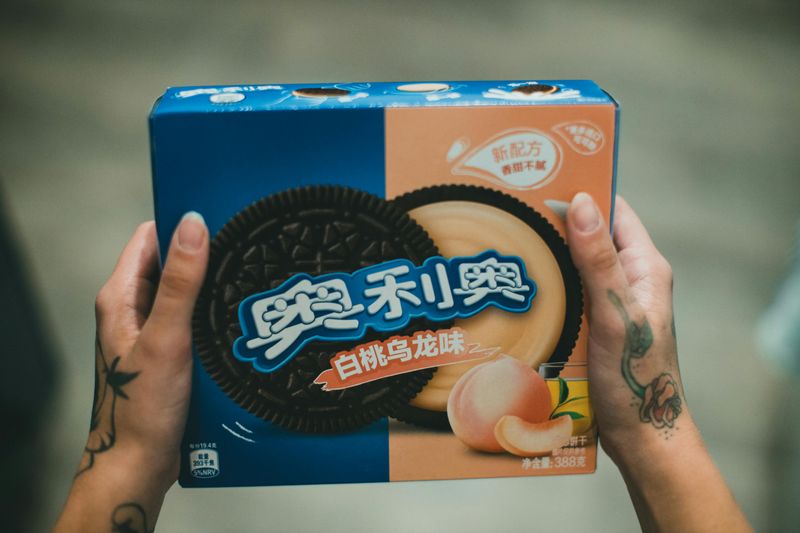
Image Credit: © Jonathan Cooper / Pexels
Those perfectly uniform cookies in plastic trays achieve their long shelf life through heavy processing and preservatives.
Palm oil, high fructose corn syrup, artificial vanilla, and soy lecithin replace butter, sugar, and real vanilla extract.
The chocolate chips often contain more wax and oil than actual cocoa.
Companies engineer these products to trigger cravings, making it nearly impossible to eat just one serving.
The combination of refined flour, sugar, and unhealthy fats contributes to inflammation and chronic disease.
Baking cookies at home allows you to use quality ingredients and control portions while filling your kitchen with amazing aromas.
9. Microwave Popcorn with Artificial Flavorings

Image Credit: © Mikhail Nilov / Pexels
Pop a bag in the microwave and artificial butter smell fills your home within minutes.
That aroma comes from diacetyl and other chemical compounds linked to serious lung problems in factory workers.
The bags themselves contain perfluorinated chemicals that can leach into your food when heated.
Manufacturers coat kernels with partially hydrogenated oils, artificial colors, and excessive salt to create that addictive flavor.
Plain popcorn is actually a healthy whole grain snack, but the microwave versions transform it into a chemical delivery system.
Air-popping kernels and adding real butter or olive oil gives you the same satisfaction without health risks.
10. Processed Deli Meats
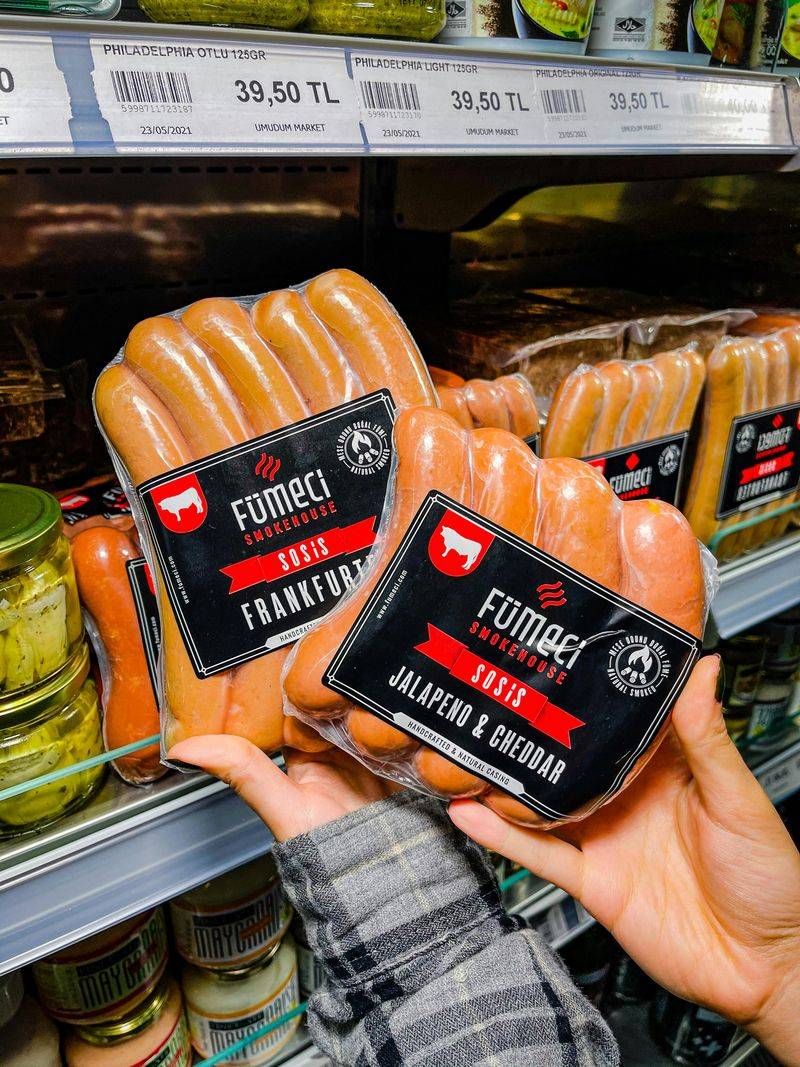
Image Credit: © ENESFİLM / Pexels
Sandwich staples like bologna, salami, and pre-packaged ham contain sodium nitrites, phosphates, and numerous preservatives.
These chemicals help maintain that appealing pink color and extend shelf life far beyond what natural meat could achieve.
Studies consistently link processed meats to increased cancer risk, particularly colorectal cancer.
The sodium content in just a few slices can be staggering, contributing to high blood pressure.
Manufacturing processes involve grinding, curing, smoking, and adding binders that transform whole meat into something unrecognizable.
Roasting a chicken breast or turkey and slicing it yourself provides protein without the dangerous additives found in deli cases.
11. Fast-Food Burgers and Fries
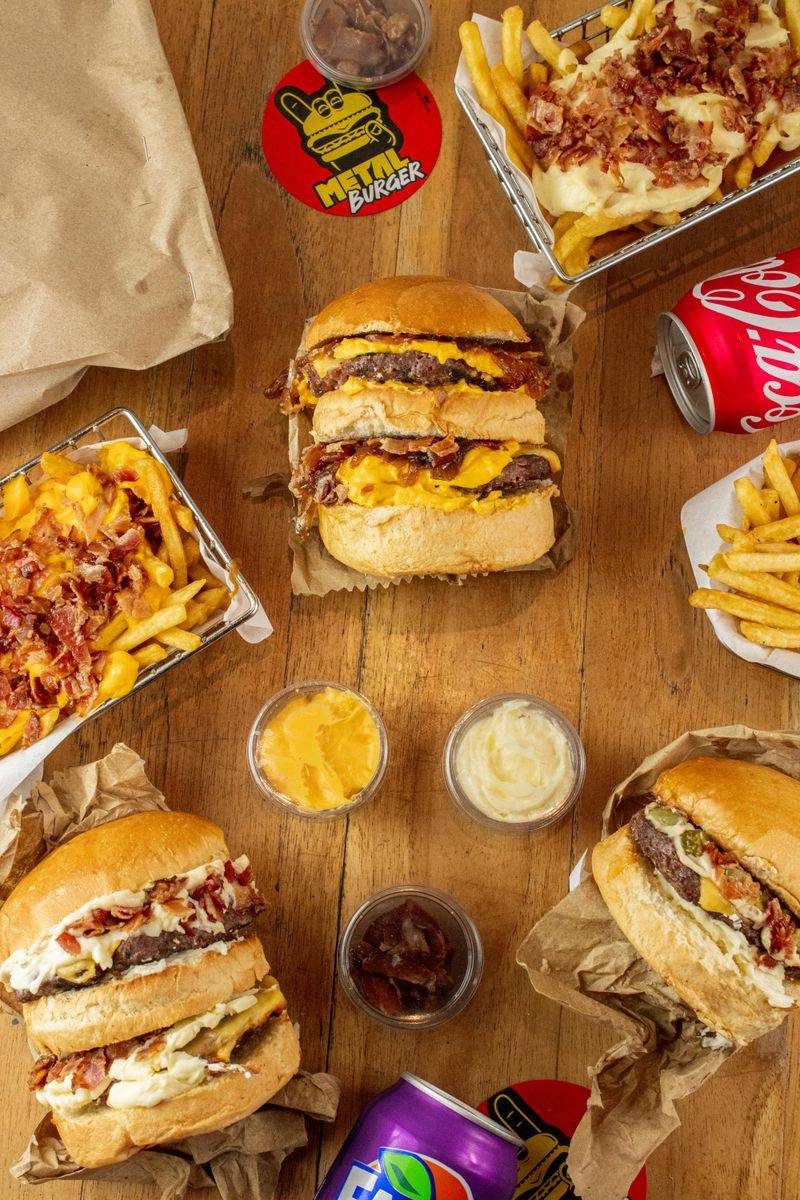
Image Credit: © Fernanda Lima / Pexels
Drive-through convenience meals contain far more than beef and potatoes.
Fast food companies use frozen patties made from meat treated with ammonia, flavor enhancers, and binding agents.
The buns include dough conditioners, preservatives, and added sugars.
French fries soak in reused oil and get coated with additives to maintain crispiness.
A single meal can exceed your daily limits for sodium, unhealthy fats, and calories.
The addictive combination of salt, fat, and sugar makes these foods hard to resist despite knowing the health consequences.
Making burgers at home with quality meat and baking potato wedges offers satisfaction without regret.