 MomSkoop
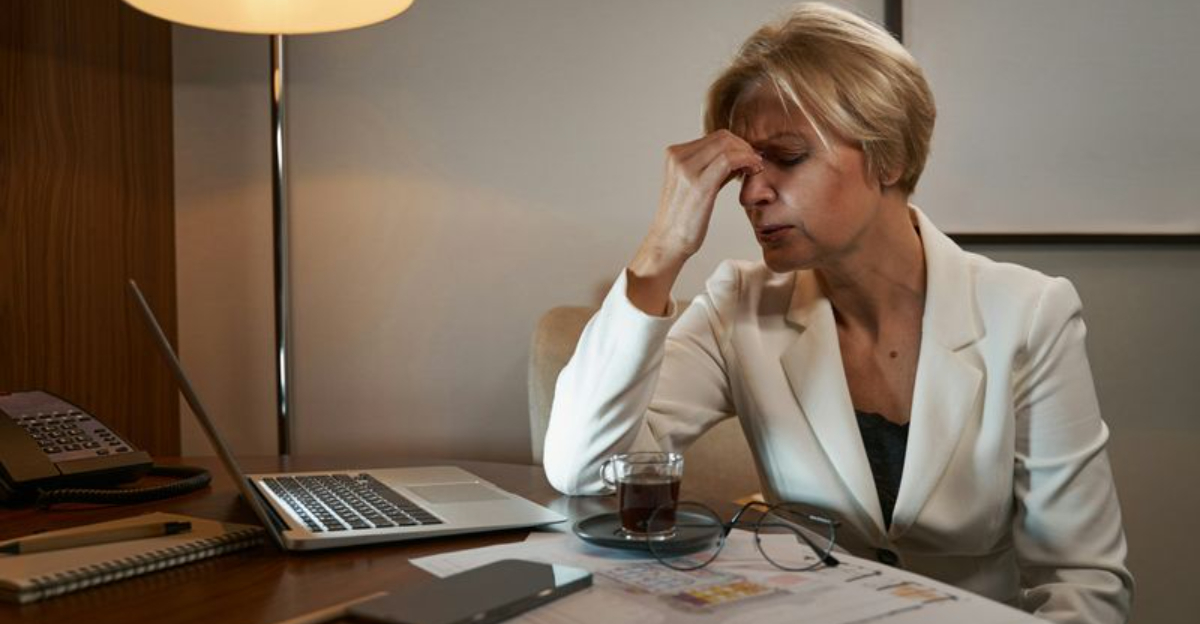
Every day, millions of women wake up carrying invisible weight that the world rarely sees or acknowledges. From managing endless to-do lists to swallowing their ambitions just to keep the peace, these struggles quietly shape their lives.
Society often expects women to handle everything with a smile, leaving little room to admit when things feel overwhelming. Understanding these hidden challenges is the first step toward building a world where women feel truly seen and supported.
1. Pressure to Have It All

Somewhere along the way, the world decided women should be flawless professionals, devoted mothers, loving partners, and perfectly put-together individuals — all at once.
That expectation is exhausting.
The pressure to succeed in every area of life simultaneously leaves little room to breathe, let alone rest.
Many women quietly burn out trying to meet standards that shift constantly.
No matter how much they accomplish, there always seems to be one more box left unchecked.
Recognizing that “having it all” looks different for everyone is a powerful first step toward releasing this relentless pressure.
2. Invisible Mental Load

Did you know that research consistently shows women perform a disproportionate share of household planning, even in dual-income relationships?
This invisible mental load goes far beyond chores.
It includes remembering dentist appointments, planning birthday parties, tracking what groceries are running low, and anticipating everyone else’s needs before they arise.
The tricky part is that this labor is rarely acknowledged because it happens entirely in someone’s mind.
Nobody sees it, so nobody thanks you for it.
Talking openly about mental load with partners and family members can help redistribute responsibility more fairly and ease the quiet exhaustion it creates.
3. Body Image Expectations

From a young age, girls absorb messages about how their bodies should look — thinner here, curvier there, younger-looking always.
Social media has amplified these pressures to an almost unbearable level.
Filtered images and heavily edited photos create beauty standards that are literally impossible to achieve in real life.
Chronic self-criticism about weight, skin, or aging quietly chips away at confidence over time.
Many women spend years at war with their own reflection without ever telling anyone.
Building media literacy — learning to question what you see online — is one genuinely useful tool for pushing back against these unrealistic expectations.
4. Emotional Labor

Being the emotional anchor for everyone around you sounds noble, but it takes a serious toll.
Many women feel an unspoken obligation to keep relationships harmonious, smooth over conflicts, and make sure everyone else feels okay — often before checking in with their own feelings.
This kind of emotional labor rarely gets recognized as work, yet it requires real energy and mental bandwidth.
Over time, constantly managing other people’s emotions while suppressing your own can lead to deep exhaustion and even resentment.
Setting gentle but firm emotional boundaries is not selfish — it is one of the healthiest things a woman can do for herself and everyone she loves.
5. Fear for Personal Safety

Most men never think twice about walking to their car after dark.
For many women, that same walk involves a mental checklist — keys between fingers, phone ready, scanning surroundings, calculating the fastest route.
Personal safety awareness is not paranoia; it is a daily reality shaped by real experiences and statistics.
Routine activities like jogging, traveling solo, or even online dating carry an extra layer of risk calculation that quietly drains mental energy.
This constant vigilance is a burden that deserves to be named and taken seriously.
Communities, urban planners, and individuals all have a role to play in making public spaces genuinely safer for women.
6. Workplace Bias

A woman confidently states an idea in a meeting — and it gets ignored.
Minutes later, a male colleague says the same thing and receives applause.
Sound familiar?
Subtle workplace bias is one of the most frustrating struggles because it is often hard to prove but impossible to ignore when you experience it regularly.
Pay gaps, being passed over for promotions, or getting labeled “aggressive” for the same assertive behavior praised in men — these experiences chip away at confidence and ambition over time.
Advocating for transparent pay structures, strong mentorship programs, and bias-awareness training are practical steps companies can take to build genuinely equitable workplaces.
7. Caregiving Pressure
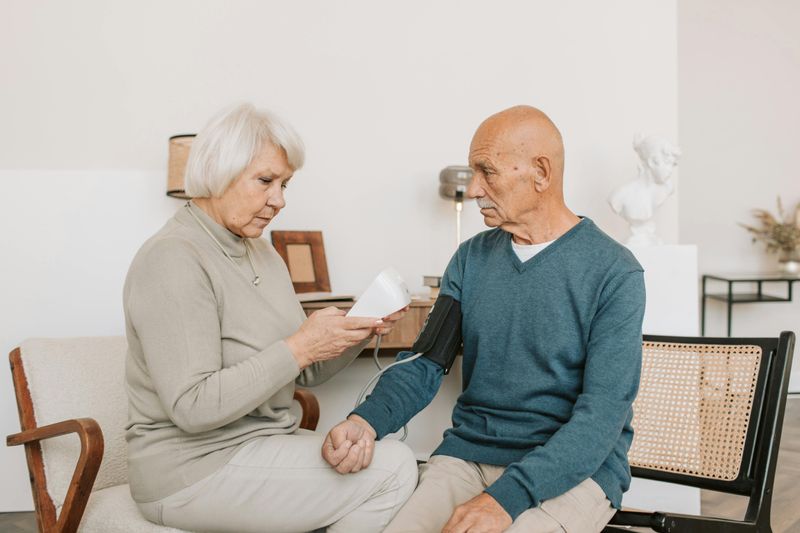
Sandwiched between raising children and caring for aging parents, many women find themselves stretched impossibly thin.
Society has long assigned caregiving as a “natural” female role, which means the expectation often falls on women by default — regardless of their career demands or personal needs.
Full-time caregiving while holding down a job leaves almost no time for rest or personal fulfillment.
The emotional weight of watching a parent decline or managing a child’s needs around the clock is profound.
Families and communities need to actively redistribute caregiving responsibilities rather than assuming one person — usually a woman — will quietly absorb it all.
8. Guilt Around Self-Prioritization

Taking a nap, booking a solo trip, or simply saying no to a favor — for many women, these acts of self-care come wrapped in a side of guilt.
The deeply rooted idea that women should always put others first makes prioritizing personal needs feel almost selfish, even when those needs are completely reasonable.
Here is the honest truth: you genuinely cannot pour from an empty cup.
Rest is not a reward for finishing everything — it is a necessity.
Practicing self-compassion and reframing personal time as maintenance rather than indulgence can slowly quiet that inner critic and make space for a healthier, more balanced way of living.
9. Hormonal and Reproductive Challenges
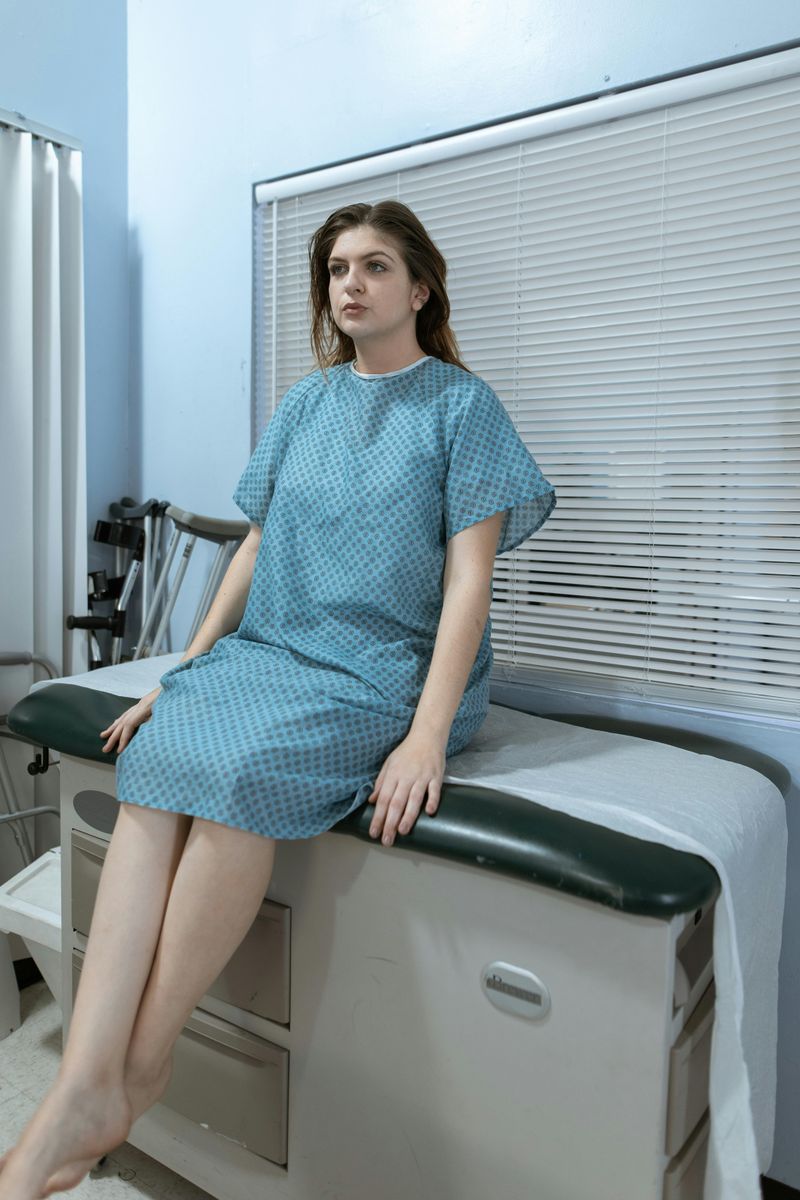
Cramps that sideline you for days, fertility struggles that nobody talks about at work, postpartum changes that alter your sense of self, and menopause symptoms that get dismissed as “just aging” — these are real, significant health experiences that millions of women navigate largely in silence.
Because reproductive health is still considered a private or even taboo topic in many spaces, women often suffer without adequate support or understanding from employers, partners, or even doctors.
Normalizing open conversations about hormonal and reproductive health is not oversharing — it is overdue.
Women deserve medical care that takes their physical and emotional experiences seriously at every stage of life.
10. Being Judged No Matter the Choice

Choose career over children and someone calls you cold.
Choose family over career and someone calls you unambitious.
Wear a short skirt and face one criticism; cover up and face another.
Women often find themselves in a no-win situation where every personal decision becomes open for public debate and judgment.
This constant scrutiny is genuinely exhausting and can make even simple choices feel loaded with anxiety.
The antidote is not finding the “right” choice that pleases everyone — because that choice does not exist.
Building a strong inner compass and surrounding yourself with people who respect your autonomy is far more valuable than chasing external approval that will always shift.
11. Relationship Expectations

“When are you getting married?” “Why don’t you have kids yet?” These questions, often asked with good intentions, carry an underlying message: your life has a timeline, and you might be falling behind.
The pressure to meet relationship milestones by a certain age can create real anxiety and self-doubt, even in women who are genuinely happy with their current lives.
Comparing your journey to someone else’s highlight reel rarely ends well.
Healthy relationships — romantic or otherwise — are built on genuine connection, not on meeting external deadlines.
Giving yourself permission to define your own timeline is one of the most freeing decisions you can make.
12. Suppressed Ambition or Voice
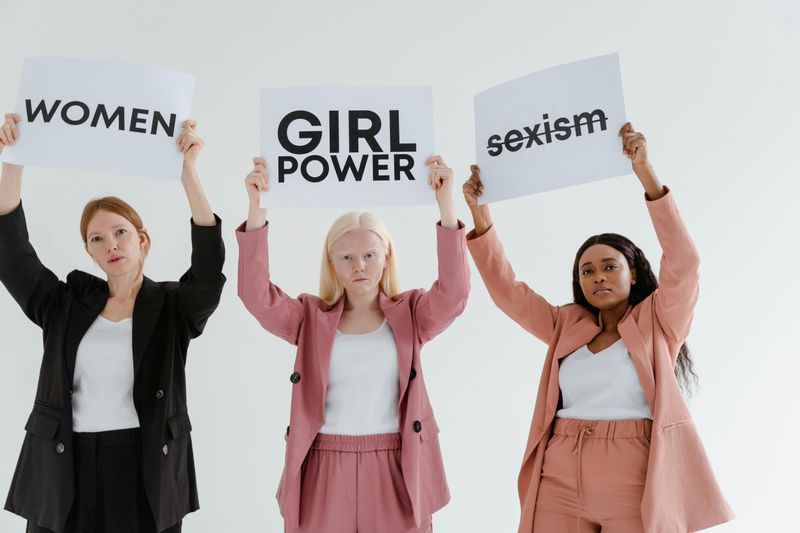
Many women learn early that speaking too confidently, being too direct, or showing too much ambition can invite backlash.
Labels like “bossy,” “intimidating,” or “difficult” get applied to women for behaviors that earn men praise and promotions.
Over time, that feedback teaches some women to shrink themselves just to avoid conflict.
Downplaying intelligence or leadership potential is a quiet form of self-erasure that costs women — and the world — enormously.
Workplaces, families, and communities all benefit when women feel safe enough to speak up fully and lead boldly.
Recognizing this pattern is the starting point for refusing to play small any longer.