 MomSkoop

Deep sleep, the most restorative stage, tends to shrink as adults get older, starting well before middle age. That small biological shift helps explain why a 9:30 bedtime can go from punchline to personal goal in about ten years. Body clocks also tend to drift earlier after the late teens and early twenties. Add rent, careers, and grocery bills, and plenty of habits that once looked dull start looking pretty smart.
I love this topic because the change sneaks up on people so quietly. One day you mock a friend for owning a label maker, and the next you are comparing vacuum attachments with real enthusiasm. None of this is a rulebook, and every life moves at its own pace. Still, a few of these flips might feel a little too familiar, so which one caught you first?
1. Going to Bed Early

Leaving a party at 10 p.m. once felt like quitting a marathon at mile two.
At 20, staying up late often comes with the territory of classes, shifts, and friends who text at midnight.
Part of the reason is that young bodies tend to shake off a rough night more easily.
Deep sleep makes up a bigger share of the night in your early twenties, so a short night may not hit as hard.
As the years roll on, sleep can grow lighter and easier to disturb.
Suddenly a barking dog at 2 a.m. feels like a personal attack, and an early bedtime sounds less boring and more like a smart plan.
Steady sleep supports memory, focus, and mood, which matters when your days carry more responsibility.
Regular, solid rest also plays a role in long-term health.
If you want to try it, start small rather than flipping your whole schedule at once.
Move your bedtime fifteen minutes earlier each week and keep a similar wake time, even on weekends.
Dim the lights and put your phone across the room before bed.
Your friends may tease you a little, but you’ll likely be the most alert person at Saturday brunch.
2. Waking Up Early

Sunrise used to be something you saw only when you hadn’t gone to bed yet.
For many people around 20, mornings feel rough because their internal clocks lean toward evenings.
That night-owl tilt is a normal part of being a young adult, not a character flaw.
Pair it with unpredictable routines, and a 6 a.m. alarm can feel like a prank.
Closer to 30, body clocks often begin shifting a bit earlier.
You might notice yourself yawning sooner at night and opening your eyes before the alarm goes off.
Once that happens, early mornings can turn into prime real estate.
The house is quiet, the inbox is calm, and nobody needs anything from you yet.
People use that window in very different ways.
Some stretch or walk, some read, and others simply drink coffee while it’s still hot, which is a luxury in itself.
Not everyone’s body cooperates with early rising, and shift work or caregiving can change the picture.
If mornings suit you, try protecting just twenty minutes for something you enjoy.
Even a short, peaceful start can make the rest of the day feel less rushed and more like your own.
3. Cooking at Home Most Nights

Ordering takeout with friends at 20 can feel like a social event and dinner in one.
Restaurants offer new flavors, zero dishes, and a great excuse to catch up.
Cooking at home, on the other hand, can seem like a chore your parents did.
Who wants to scrub a pan after a long day?
Somewhere around 30, though, the kitchen often starts looking different.
Home cooking gives you more control over ingredients, salt, and portions, which helps you build steady eating habits.
There’s also a satisfying moment when you realize you can make a decent stir-fry in twenty minutes.
That skill pays off on busy weeknights and can stretch your grocery budget further than delivery apps do.
You don’t have to become a chef to enjoy this habit.
Start with three or four simple meals you like, such as pasta with vegetables, sheet-pan chicken, or a big pot of chili.
Batch cooking on Sunday can save your sanity midweek.
Leftovers become tomorrow’s lunch, and suddenly you’re the coworker everyone envies at noon.
Eating out still has its place, of course, and nights at your favorite spot can feel even more special when they’re a treat.
4. Making a Budget
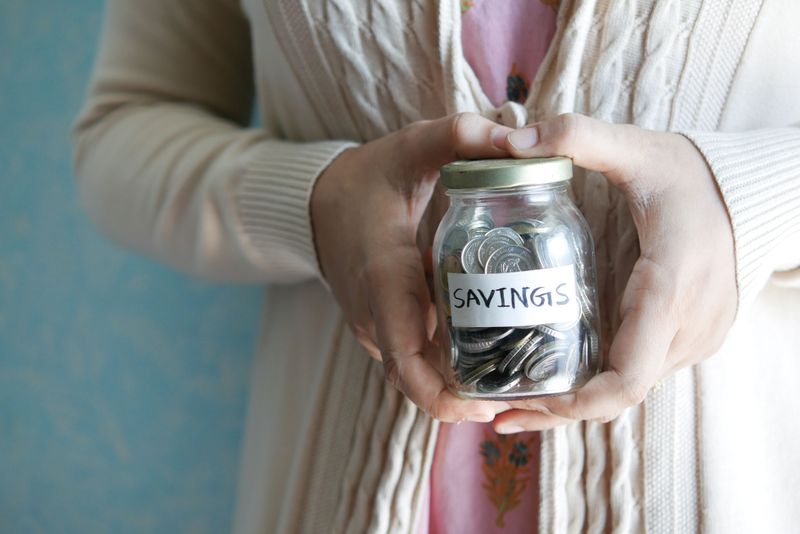
Spreadsheets about money rarely feel exciting at 20.
Income may be unpredictable, student loans may loom, and fear of missing out makes it hard to skip that concert or weekend trip.
Many young adults treat money as something they’ll simply earn again later.
That attitude can feel freeing, at least until the credit card statement arrives.
By 30, financial life often gets busier.
Milestones like moving in with a partner, buying a home, or starting a family can bring bigger bills and longer-term plans.
A budget turns that chaos into something you can actually see.
It shows where your money goes, which makes it easier to build an emergency fund and chip away at high-interest debt.
Budgeting doesn’t have to be strict or joyless.
Some people like the 50/30/20 approach, splitting income between needs, wants, and savings, while others just track spending in an app.
Pick whichever method you’ll actually stick with.
Even setting up an automatic transfer to savings each payday is a solid start.
Budgets look different depending on income, location, and family needs.
The goal isn’t perfection.
It’s knowing your numbers well enough to make choices that support the life you want.
5. Exercising Consistently

Your twenties can feel like the body’s factory warranty period.
Bone mass and muscle strength tend to peak around then, so staying active can seem optional.
Plenty of people coast on that energy without much planning.
Climbing stairs, carrying groceries, and bouncing back from a long day often just happen.
Things gradually shift in the thirties.
Muscle mass can start slowly declining around this time, and staying active becomes a better tool for keeping strength.
Regular movement supports heart health, bones, and joints.
It can also help with daily energy, which comes in handy when work and home life both get demanding.
Consistency usually matters more than intensity here.
A few strength sessions a week, brisk walks, cycling, or dance classes can all count.
Try picking an activity you actually enjoy, because forcing yourself through workouts you dislike rarely lasts.
Scheduling exercise like an appointment helps too.
Bodies, abilities, and schedules differ, so check with a doctor before starting something new if you have health concerns.
Start where you are and build slowly.
Your future self, the one effortlessly hauling a heavy suitcase up three flights of stairs, will be grateful you started now.
6. Saying No to Invitations

Turning down plans at 20 can feel like social risk-taking.
What if the best night of the year happens without you?
Peer pressure and a hunger for new experiences push many young adults to say yes to almost every invitation.
That eagerness can be fun, but it often leads to packed calendars and drained batteries.
Around 30, the math tends to change.
Time and energy feel more limited, so people get choosier about where they spend them.
Saying no stops sounding rude and starts sounding healthy.
It frees up evenings for rest, hobbies, side projects, or friends who matter most to you.
A polite decline doesn’t need a long explanation.
Something like “Thanks so much for thinking of me, but I’m sitting this one out” works well and keeps things friendly.
If you value the friendship, suggest another time that suits you better.
That shows you care about the person, even if the event isn’t right.
Of course, the balance is personal.
Some people recharge at gatherings, while others need quiet nights.
The habit isn’t about avoiding fun.
It’s about choosing your yeses on purpose, so they feel exciting instead of exhausting.
7. Following a Daily Routine

Spontaneity is basically a lifestyle in your twenties.
Plans change at the last minute, career paths wander, and saying yes to new things is how many people learn what they like.
A fixed routine can sound painfully dull during that stage.
Same wake time, same lunch, same evening?
No thanks.
Fast-forward a decade and routines can start feeling like a lifeline.
Careers, relationships, kids, and finances all compete for limited hours.
A dependable schedule takes some decisions off your plate.
When workouts, meal prep, and bill-paying have regular slots, you spend less energy figuring out what comes next.
Routines don’t have to be rigid.
Think of them as a loose frame that holds your day together while leaving room for surprises.
Start by anchoring two or three daily habits, like a consistent wake time, a planned lunch, and a short evening tidy.
Build from there once those feel natural.
Schedules will look different for night-shift workers, parents of toddlers, and freelancers.
The point is finding a rhythm that fits your actual life.
And yes, you’re still allowed a spontaneous Tuesday taco run when the mood strikes.
8. Reading Nonfiction Books

Books about money, careers, or habits once looked like homework with a nicer cover.
At 20, reading often leans toward fun stories, required textbooks, or quick skills for a first job.
That makes sense.
The twenties are usually about trying lots of things and gaining broad experience.
By the thirties, many people want to go deeper.
They start choosing career paths more carefully and wanting real skill in specific areas.
Nonfiction fits nicely into that shift.
Books on personal finance, communication, history, or health can fill gaps school never covered, like how retirement accounts work.
You don’t need to read a stack of business books to benefit.
Choose topics you’re curious about, whether that’s psychology, cooking science, or famous explorers.
Audiobooks count too, especially during commutes or chores.
Libraries often lend audiobooks and ebooks for free through apps, which helps if buying books strains the budget.
Try jotting one useful idea from each book in a notebook or phone note.
Over time, that list turns into a personal guidebook.
And if fiction is still your favorite, keep enjoying it.
Novels build empathy and imagination, which are pretty useful skills at any age.
9. Choosing Quality Over Quantity

Ten cheap shirts used to beat one good shirt every time.
At 20, buying lots of trendy items can feel exciting, and the price tag often decides everything.
The thrill of a fresh haul is real.
But plenty of those pieces end up stretched, faded, or forgotten in a drawer.
Around 30, many people start noticing what actually lasts.
A sturdy pair of boots or a well-made coat may cost more upfront but get worn for years.
Buying less also means less clutter.
When your closet holds clothes you truly reach for, getting dressed gets faster and less stressful.
Quality doesn’t always mean expensive, and a big brand name isn’t proof of good construction.
Check stitching, fabric content, and care labels before buying.
Thrift and secondhand shops can be great places to find solid pieces at lower prices.
Reading reviews about how items hold up over time helps too.
Personal style also tends to settle by this point.
Knowing your favorite colors and fits makes it easier to skip impulse buys that don’t match anything.
The result is a smaller collection you actually love, instead of a mountain of maybes.
10. Keeping a Tidy Home
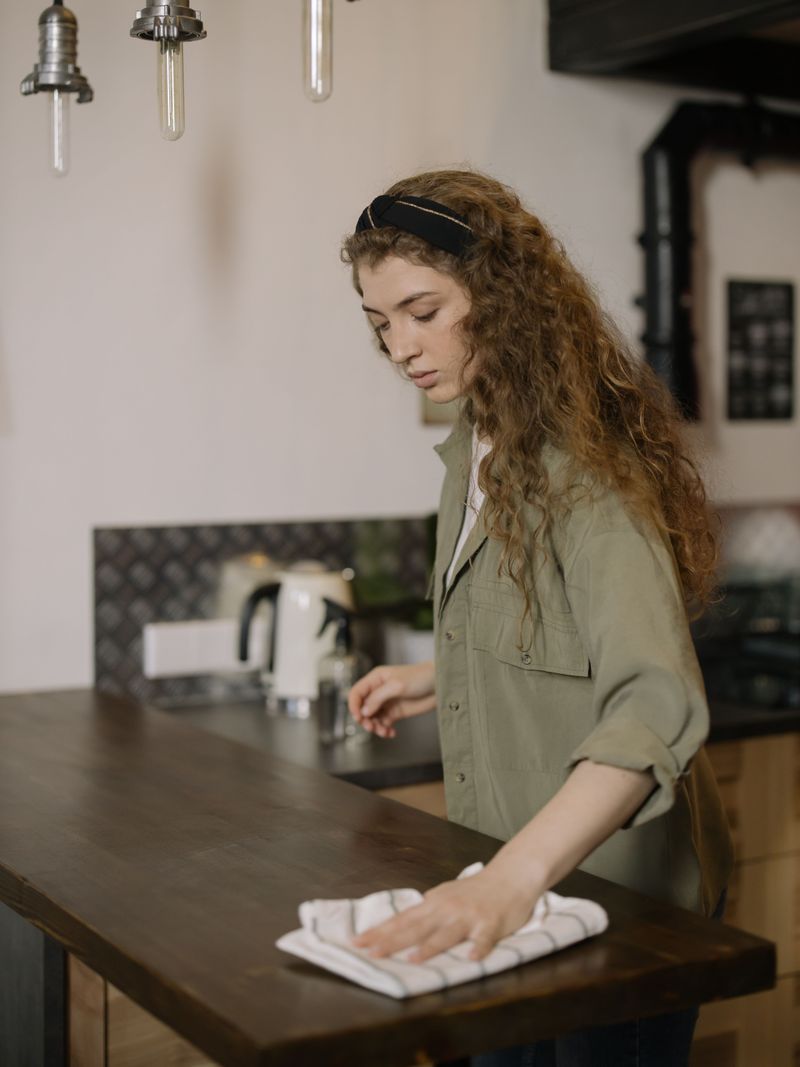
Laundry mountains on a chair were once considered furniture.
In your twenties, a spotless home may sit low on the priority list, especially with roommates, short leases, and busy social lives.
When you spend most evenings out, the apartment mostly becomes a place to sleep.
Who cares if the dishes wait a day?
By the thirties, home often becomes more central.
You may spend more evenings there, host friends for dinner, or simply want a calm space after work.
Many people start investing in small comforts, like better bedding or storage that actually fits their stuff.
Decluttering things that no longer serve you can make rooms feel bigger and easier to clean.
Tidiness doesn’t require a magazine-ready house.
A ten-minute reset each evening, putting things back and wiping counters, keeps messes from snowballing.
Try the one-touch rule for mail and clothes, dealing with items as soon as you pick them up.
Baskets and hooks by the door help catch keys and bags.
Standards differ, and kids, pets, and long work hours make things messier.
The goal is a home that works for you, not one that impresses strangers online.
11. Scheduling Regular Checkups

Doctor visits at 20 often happen only when something hurts.
Feeling fine usually seems like proof that you are fine.
That approach skips something important.
Some health issues, like high blood pressure, high cholesterol, and type 2 diabetes, can develop without obvious symptoms at first.
By 30, many people start seeing yearly checkups as smart planning rather than a hassle.
Metabolism, weight, and hormones can gradually shift, and routine visits help catch changes early.
A basic checkup might include blood pressure readings, questions about family history, and blood work if your doctor recommends it.
Dental visits and eye exams belong on the calendar too.
Write down questions before your appointment so you don’t forget them.
Bring a list of medications and supplements, and be honest about sleep, stress, and habits.
Access varies widely depending on insurance, location, and cost.
Community health centers and some pharmacies offer lower-cost screenings, which can help if regular visits feel out of reach.
Setting a recurring reminder around your birthday makes the habit easy to remember.
It’s not the most thrilling plan for your special month, but knowing where your health stands is a pretty good present.
12. Skipping Impulse Buys

A flash sale used to feel like destiny.
In your twenties, spending can be driven by excitement, social plans, or a rough day that seems to call for a treat.
Emotional and social spending are common at that stage.
Group trips, matching outfits, and late-night online carts add up fast.
By 30, resisting the instant buy often becomes a point of pride.
Bigger goals, like a down payment or debt payoff, make random purchases feel less fun.
Mindful spending also helps you avoid lifestyle creep.
That’s when expenses quietly rise each time your income does, leaving savings stuck in place.
One handy trick is the 48-hour rule.
Leave items in your cart for two days, and you may find the urge has faded on its own.
Unsubscribing from store emails and removing saved cards from shopping apps adds helpful friction.
A running wish list lets you revisit wants calmly instead of in the moment.
None of this means you can never splurge.
Planned treats can be a joyful part of a budget.
The difference is choosing them on purpose, so the purchase still feels great a week later.
13. Building a Professional Network

Networking events once sounded like awkward small talk with name tags.
At 20, career energy often goes into learning basic skills, working hard, and adapting to new roles.
That focus makes sense early on.
You’re figuring out what you’re good at and what you actually enjoy.
In your thirties, careers often shift toward reputation, judgment, and strategic moves.
Who knows your work can matter as much as the work itself.
A strong network can lead to mentors, new roles, and people willing to recommend you when opportunities open.
Many jobs get filled through referrals before they’re widely posted.
Networking doesn’t have to feel fake.
Think of it as staying in touch with people you respect and being helpful when you can.
Simple steps go a long way.
Congratulate a former coworker on a promotion, share a useful article, or invite a colleague for a quick coffee chat.
Professional groups, alumni associations, and online platforms like LinkedIn can help widen your circle.
Introverts can thrive here too by focusing on one-on-one conversations instead of crowded mixers.
Over time, those small, steady connections often turn into the friendliest part of a working life.