A well-made Goodyear-welted leather shoe can be resoled again and again, which means one pair might outlast several cheaper ones. That small construction detail tells you a lot about how shopping habits can change when money gets less tight. With more breathing room, the goal often stops being more clothes and starts being better ones. Fabric labels, stitching, and fit suddenly matter as much as the price tag.
I find that shift interesting because it isn’t really about showing off. It’s usually about wanting fewer headaches, fewer returns, and fewer sweaters that pill after two washes. The changes below range from practical to a little indulgent, and none of them are required. Which ones already sound like your future closet?
1. Buying Fewer, Better Pieces
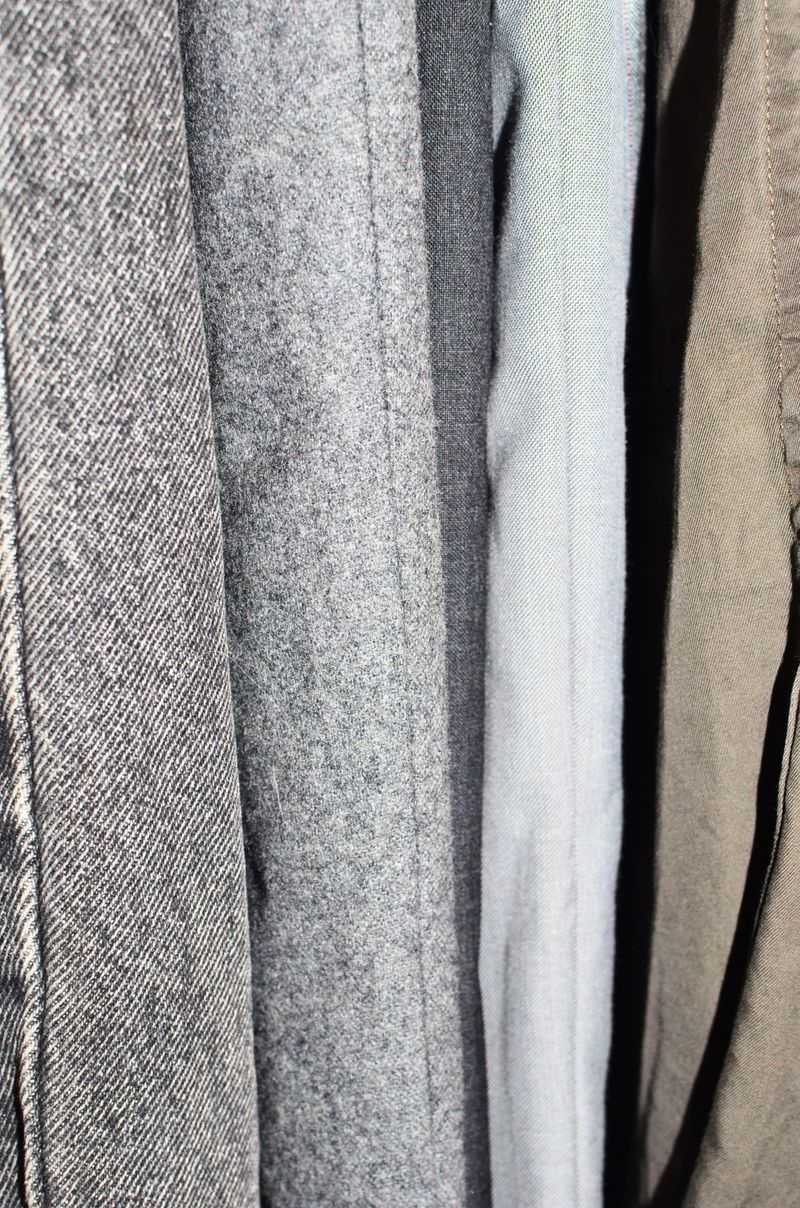
A packed closet can still leave you with nothing to wear.
That frustrating puzzle is often the first thing people try to solve once their budget loosens up.
Instead of grabbing five cheap tops, many shoppers start buying one or two they truly like.
The math can make sense, since a sturdy shirt worn fifty times may cost less per wear than a flimsy one worn twice.
Start by checking the details that show care.
Look for straight, even stitching, seams with extra fabric inside, and buttons sewn on securely.
Patterns that line up at the seams are another small clue that someone took their time.
Of course, a higher price doesn’t promise better construction.
Some affordable brands make solid basics, and some pricey ones cut corners, so the garment itself deserves more attention than the label.
A helpful habit is to pause before buying and picture three outfits using the new piece.
If you can’t come up with three, it may not earn its hanger.
This approach also makes getting dressed simpler.
Fewer items that mix well means less staring at the closet and more time for breakfast, which feels like a fair trade.
2. Choosing Natural Fabrics

Read the tag before you read the price.
Fabric content quietly shapes how a piece feels, breathes, and holds up over time.
As budgets grow, many people reach for natural fibers like merino wool, cashmere, silk, and linen.
Each one has its own personality.
Linen is made from flax and stays airy in hot weather, though it wrinkles easily, which some folks see as part of its charm.
Merino wool is fine and soft compared with many other wools.
It also resists odor fairly well, so a merino sweater may not need washing after every wear.
Cashmere comes from the undercoat of cashmere goats, and quality varies a lot.
Longer, finer fibers tend to pill less, while cheap cashmere can fuzz up quickly.
Silk has a smooth drape and a soft shine.
It usually needs gentle care, such as hand washing or dry cleaning, depending on the label.
Natural fabrics aren’t perfect for everyone.
Some need more careful laundering, and blends with a bit of stretch can be more practical for daily life.
Check the care tag before buying, because a delicate fabric only pays off if you’re willing to treat it kindly.
3. Trying Designer Labels
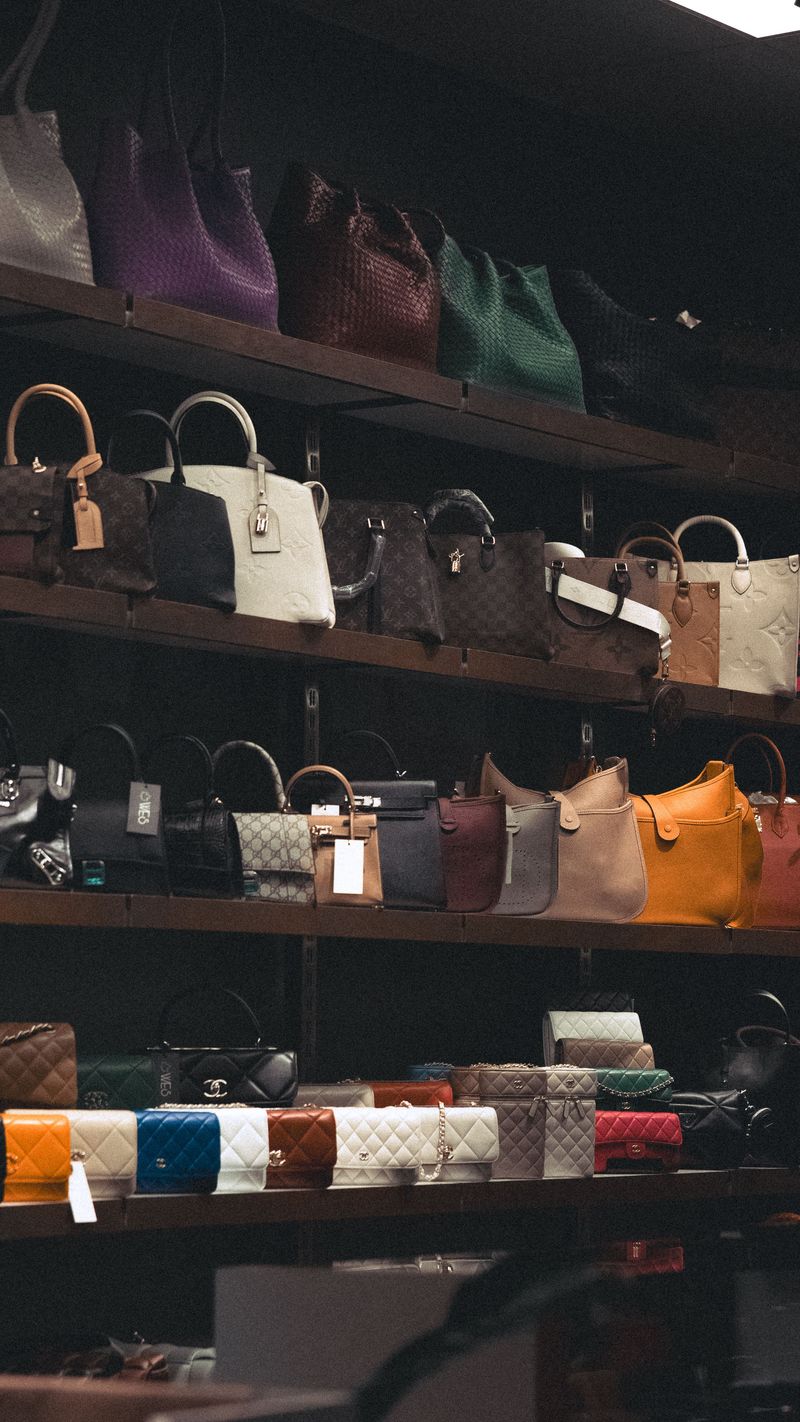
Walking into a designer boutique for the first time can feel like entering a museum where you’re allowed to touch things.
For some people, that first luxury purchase marks a personal milestone.
Designer fashion houses often sell more than a product.
You’re also buying into their history, design style, and in some cases traditional workshop techniques.
Hermès, for example, is known for its Birkin and Kelly bags, which are made by hand in France.
That kind of craftsmanship story is part of the appeal for many buyers.
Still, a famous logo doesn’t automatically mean better quality.
Some designer items are made well, while others mostly carry a big name and a bigger markup.
Inspect the materials and construction just as you would anywhere else.
A smart way to start is with one piece you’d use often, like a wallet or a classic bag.
Buying secondhand through reputable resale platforms that authenticate items can lower the cost too.
Remember that resale value is never guaranteed.
A few styles hold value well, but many luxury items sell for less later.
Buy something because you love using it, not because you expect it to become a retirement plan.
4. Going Custom or Made to Measure
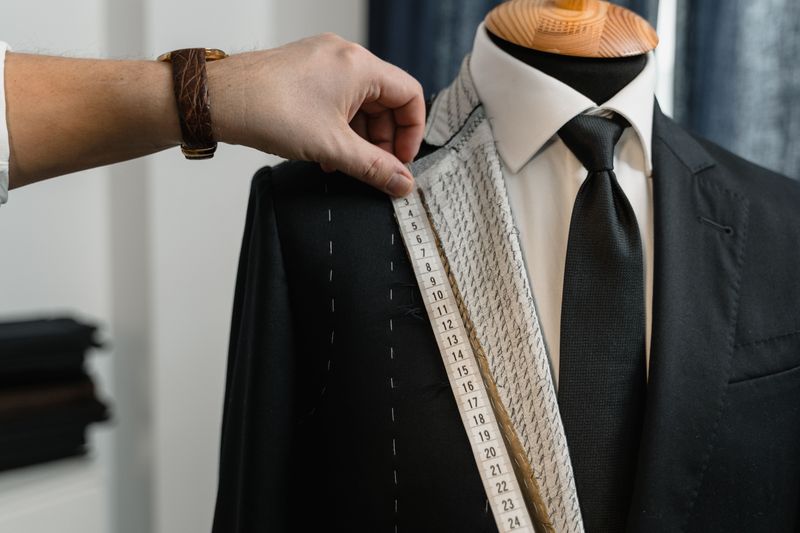
Off-the-rack clothing is designed for an average body that, honestly, almost nobody has.
Custom clothing flips that idea around by starting with you.
There are a few levels to know.
Made-to-measure garments adjust an existing pattern to your measurements.
Bespoke goes further, with a pattern drafted from scratch and usually several fittings along the way.
Bespoke tailoring has deep roots on London’s Savile Row, a street famous for suit makers since the nineteenth century.
A true bespoke suit can take weeks or even months to finish.
That process isn’t for everyone, and it doesn’t have to be.
Many brands now offer made-to-measure shirts, suits, and dresses at a range of price points, often ordered online with your own measurements.
If you try it, start with something you wear a lot, like a work shirt or a pair of trousers.
You’ll learn what you like about fit, such as sleeve length or how snug the waist should feel.
Bring photos of fits you admire to your appointment.
Clear examples help the maker understand your taste far better than vague words like slim or relaxed ever could.
5. Hiring a Personal Stylist
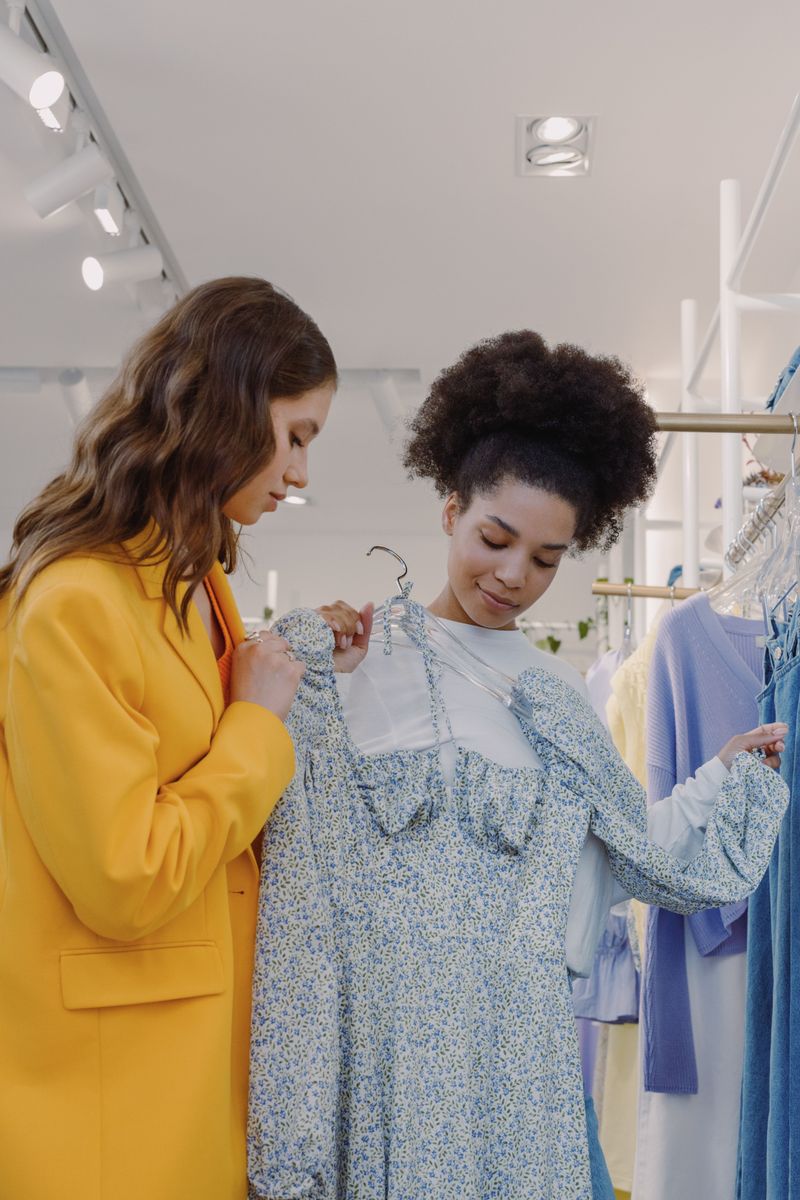
Some people love shopping, and some would rather reorganize their garage.
For that second group, a personal stylist can sound like a dream.
Stylists help plan outfits, sort through your closet, and shop for pieces that fit your life.
Some offer a closet edit, where they go through your clothes with you and decide what stays, what gets tailored, and what moves on.
You don’t need to be famous to use one.
Many department stores, including Nordstrom, offer styling services, and some online stylists work through video calls or curated boxes.
Before booking, think about what you actually want help with.
Maybe you need a work wardrobe, outfits for a big event, or simply a fresh look after years of wearing the same jeans.
Be honest about your budget and comfort level from the start.
A good stylist should work with your taste, not push you into a costume that feels like someone else’s.
The real value often lasts after the session ends.
You might learn which colors you reach for most, which shapes you prefer, and how to build outfits on your own, which saves time on busy mornings.
6. Buying Fine Jewelry
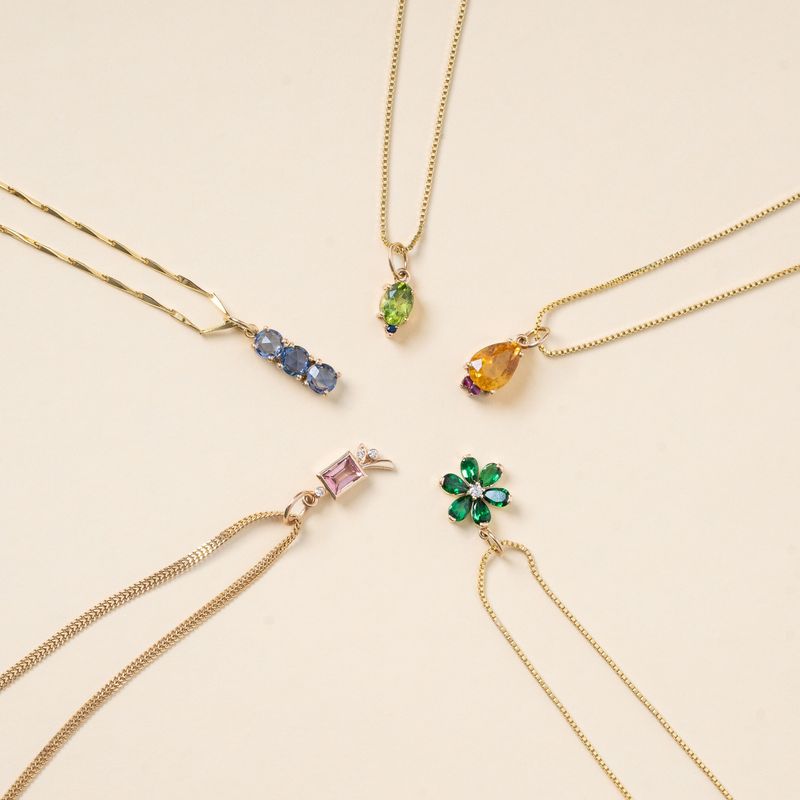
Costume jewelry is fun until a ring turns your finger green.
That’s often the moment people start eyeing solid gold or platinum instead.
Fine jewelry usually means pieces made from precious metals like gold, platinum, or sterling silver, sometimes set with real gemstones.
Gold purity is measured in karats, with 24 karat being pure gold and 14 karat containing about 58 percent gold.
Lower-karat gold is mixed with other metals, which makes it harder and better for daily wear.
Pure 24 karat gold is quite soft and scratches easily.
Gold plating, sometimes called gold vermeil when it’s over sterling silver, is a thin layer that can wear off over time.
Solid gold costs more but keeps its color.
A great starting point is something simple you’d wear constantly, like small hoops, a thin chain, or a plain band.
These pieces can go with jeans or a fancy dress without much thought.
Ask for paperwork when buying gemstones, especially diamonds.
Grading reports from labs like the Gemological Institute of America describe a stone’s cut, color, clarity, and carat weight, so you know exactly what you’re getting.
7. Wearing a Quality Watch
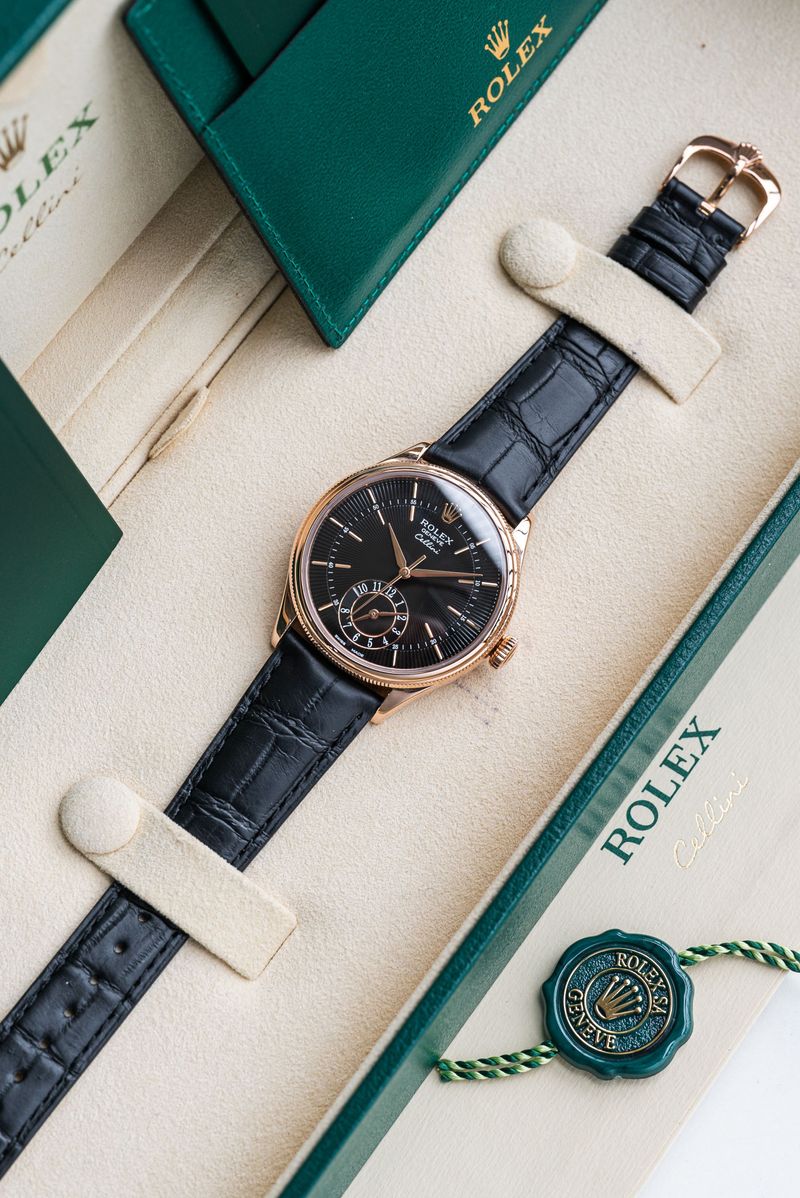
Phones tell perfect time, yet plenty of people still dream about a nice wristwatch.
Clearly, telling time isn’t the whole point.
Watches generally come in two big types.
Quartz watches run on a battery and keep very accurate time.
Mechanical watches use springs and tiny gears, and they’re wound by hand or by the movement of your wrist.
Mechanical watches fascinate collectors because of the craftsmanship packed inside.
Some high-end models contain hundreds of parts, assembled by skilled watchmakers.
They do need care, though.
Many brands suggest servicing a mechanical watch every several years, and that service can be pricey, so factor it into your decision.
A first good watch doesn’t have to come from a famous Swiss house.
Japanese brands like Seiko make well-regarded mechanical watches at more approachable prices, which makes them popular starter pieces.
Think about how you’ll wear it before choosing.
A simple steel watch with a leather or metal strap can handle the office and the weekend, while a chunky dive watch suits a more casual style.
Pick the one you’ll actually want to put on each morning.
8. Upgrading to Resoleable Shoes
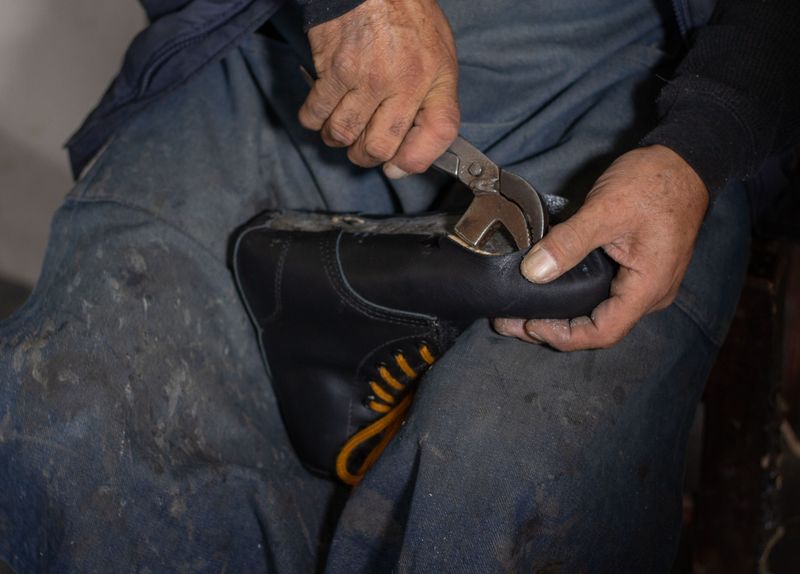
Cheap shoes tend to announce themselves around month three, usually with a flapping sole.
Better footwear is often one of the first upgrades people notice.
Construction matters a lot here.
Goodyear-welted and Blake-stitched shoes are sewn together in ways that let a cobbler replace the sole, while many cheaper shoes have glued soles that are harder to repair.
That means a well-made pair of leather boots or loafers can be resoled several times.
With care, they may stay in your rotation for years.
Care is simple once it becomes a habit.
Use cedar shoe trees to help hold the shape, wipe off dirt, and condition the leather now and then.
Giving shoes a day off between wears also lets them dry out.
Comfort matters as much as craftsmanship.
A beautiful shoe that pinches won’t get worn, so try pairs on later in the day when your feet are slightly larger.
Sneakers count too.
Clean leather sneakers in white or another neutral color can look polished with chinos or a dress, and some brands offer sole replacement as well.
Ask before you buy if repair options matter to you.
9. Picking Better Accessories
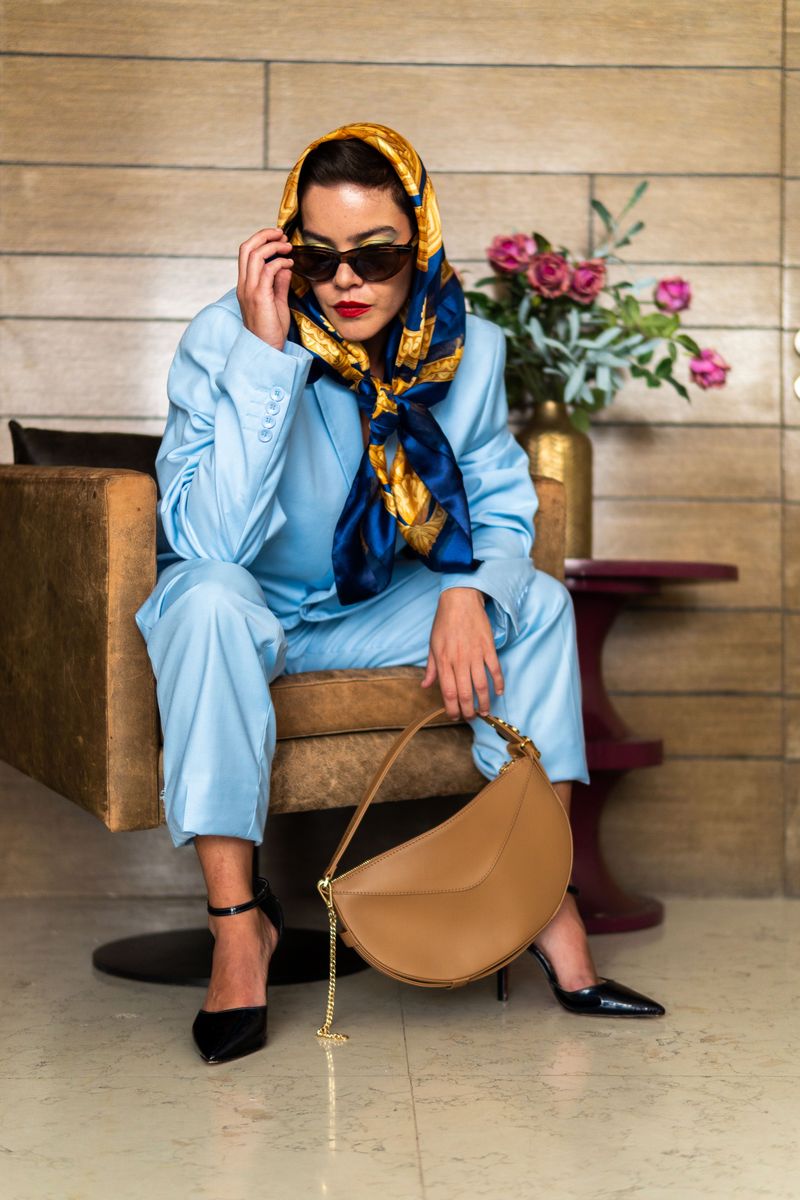
Accessories do a lot of heavy lifting for their size.
A good belt or scarf can make a plain T-shirt look like a planned outfit.
As budgets grow, people often swap out worn accessories for sturdier versions.
Full-grain leather belts and bags are a popular choice because this leather keeps the outer surface of the hide, which tends to age with a soft patina.
Silk scarves are another classic.
Hermès has made printed silk carrés since 1937, and a scarf can be tied around your neck, on a bag handle, or even in your hair.
Sunglasses deserve attention too.
Look for lenses that block UVA and UVB rays, since protection matters more than the logo on the arm.
You don’t need flashy branding to make accessories feel special.
Many people prefer simple designs with good materials, so the item blends into different outfits without shouting.
Choose one category to improve first rather than buying everything at once.
If you carry a bag daily, start there.
If you live in a sunny place, sunglasses may make more sense.
Focus on what you’ll use most often, and you’ll notice the difference sooner.
10. Building a Classic Core Wardrobe

Trends move fast, but a beige trench coat has been showing up on city streets for over a century.
Burberry and Aquascutum both helped popularize the style, and it still looks right today.
Many people with more money to spend start building a core wardrobe of classics.
Common picks include a wool coat, a navy blazer, a white button-down shirt, dark jeans, and well-cut trousers.
These pieces work because they mix easily.
A blazer can go over a T-shirt on Friday and a dress shirt on Monday.
Your core doesn’t have to look like anyone else’s.
If you love color, maybe your classic sweater is forest green instead of gray.
If you work outdoors, durable chore jackets might matter more than blazers.
Build slowly so each purchase fills a real gap.
Write down what you wear most during a typical week, and you’ll quickly see which basics need an upgrade.
Classic pieces also make trendy items easier to wear.
A bold new top looks more grounded with simple trousers, so you can play with trends without replacing your whole closet every season.
11. Supporting Responsible Brands
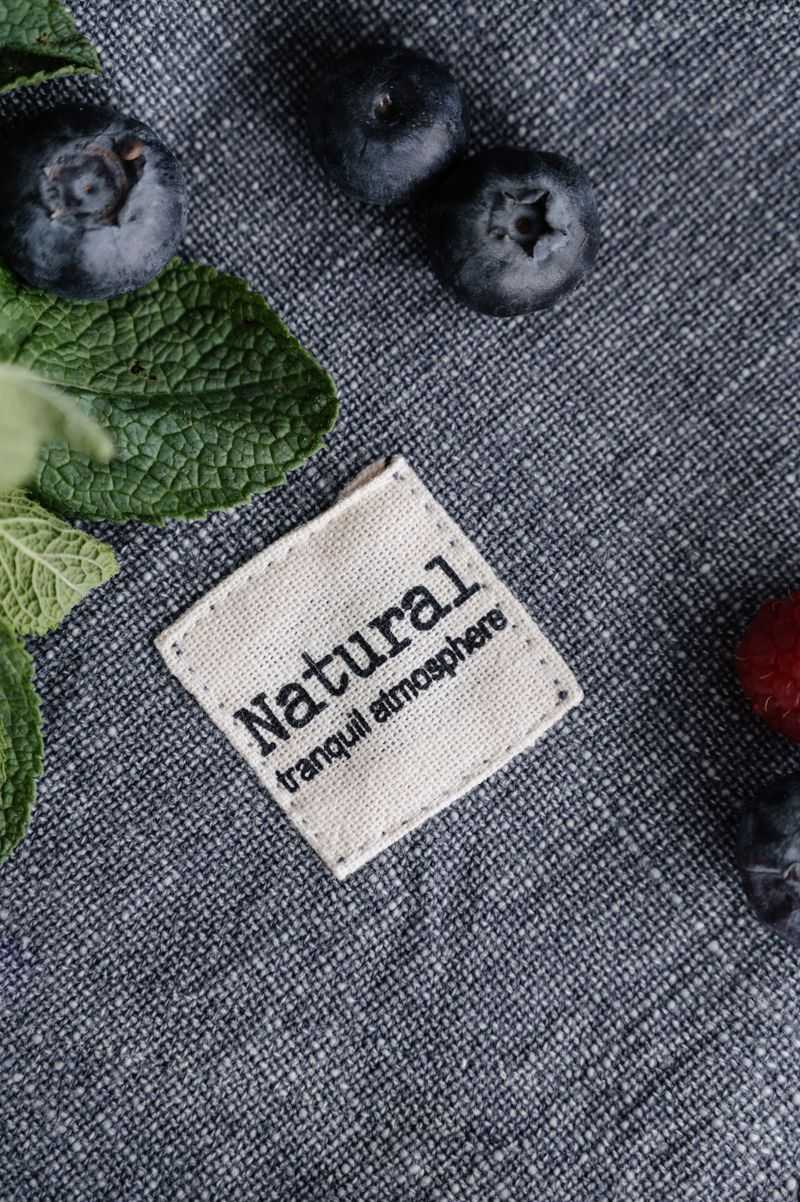
Ever flipped a tag and wondered who made your shirt?
More shoppers start asking that question when they can afford to be choosier.
Responsible fashion can mean different things.
Some people focus on materials like organic cotton or recycled fibers, while others care most about fair pay and safe working conditions in factories.
Certifications can help you sort through the claims.
Labels like Fair Trade Certified, GOTS for organic textiles, and B Corp status all have specific standards, so they offer more than a vague green-sounding promise.
Be a little skeptical of words like eco or conscious on their own.
Without details or certifications, those terms don’t tell you much.
Patagonia is one well-known example that runs a Worn Wear program for repairing and reselling used gear.
Programs like that show how keeping clothes in use can be part of the picture.
Remember that the most responsible piece is often one you already own.
Buying less, repairing more, and shopping secondhand all count.
You don’t have to overhaul your closet overnight, and small changes, like choosing one certified brand for basics, still make a real difference in how you shop.
12. Packing a Smarter Travel Wardrobe
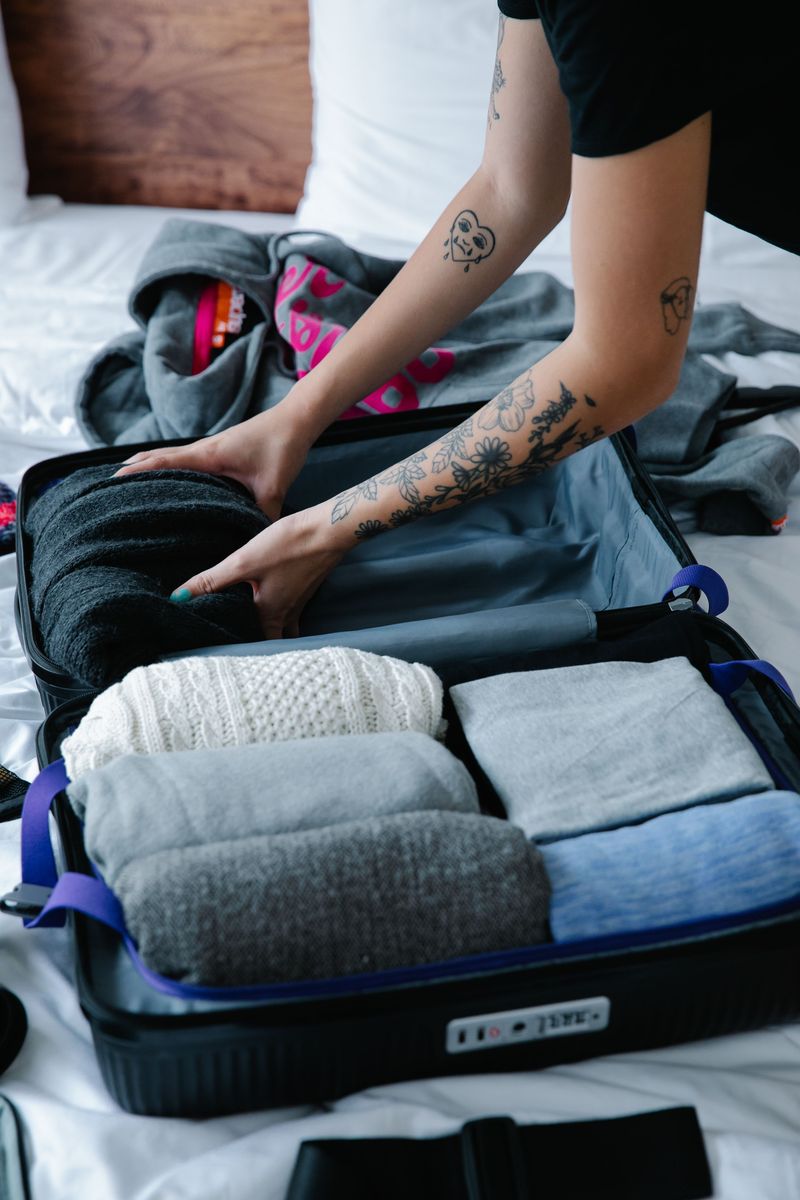
Overpacking is basically a rite of passage.
Then you drag a giant suitcase up three flights of hotel stairs and suddenly minimalism sounds wonderful.
People who travel more often tend to build a small travel capsule.
The idea is simple: pack a handful of pieces in a shared color palette so almost everything mixes and matches.
Fabrics really matter on the road.
Merino wool resists odors and can be worn several times, while knits and blends with a little stretch usually wrinkle less than crisp cotton.
A large scarf or wrap does triple duty.
It can be a blanket on a chilly plane, a cover-up for visiting religious sites, and an outfit upgrade at dinner.
Shoes take up the most space, so limit them to two or three pairs.
A walking shoe, a dressier option, and maybe sandals cover a lot of trips.
Luggage can be an upgrade too.
Some travelers invest in a sturdy carry-on with smooth wheels and a strong warranty.
Before your next trip, lay out every outfit on the bed first, then remove a few items, because you’ll rarely miss them.
13. Adding a Few Statement Pieces
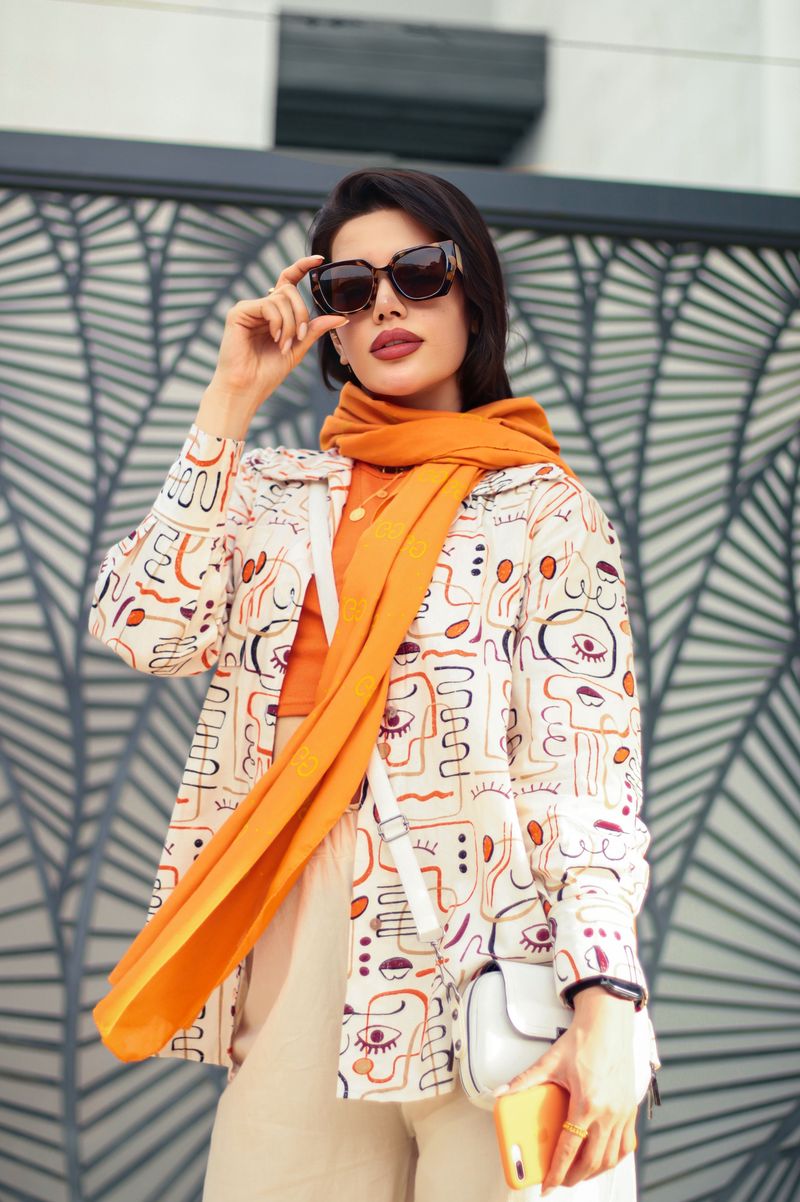
Quiet basics are great, but a closet full of beige can start to feel like a waiting room.
That’s where one bold piece comes in.
A statement piece is anything that grabs attention in a good way.
It might be a bright coat, a jacket with interesting texture, chunky earrings, or a bag in an unexpected color.
With more money to spend, people may choose one of these special items rather than lots of loud trendy ones.
A single standout piece can carry a whole outfit.
The trick is balance.
Pair a patterned or brightly colored item with simpler clothes, like a red coat over a gray sweater and dark jeans.
Ask yourself a few questions before buying.
Do you love it right now?
Can you picture wearing it at least five times?
Does it work with clothes you already own?
Statement pieces are also a chance to support small designers or artisans.
Handmade jewelry, vintage finds, and local makers can give you something nobody else at the party is wearing.
Style is personal, so if a purple suede jacket makes you smile, that’s honestly reason enough.
14. Visiting the Tailor Regularly
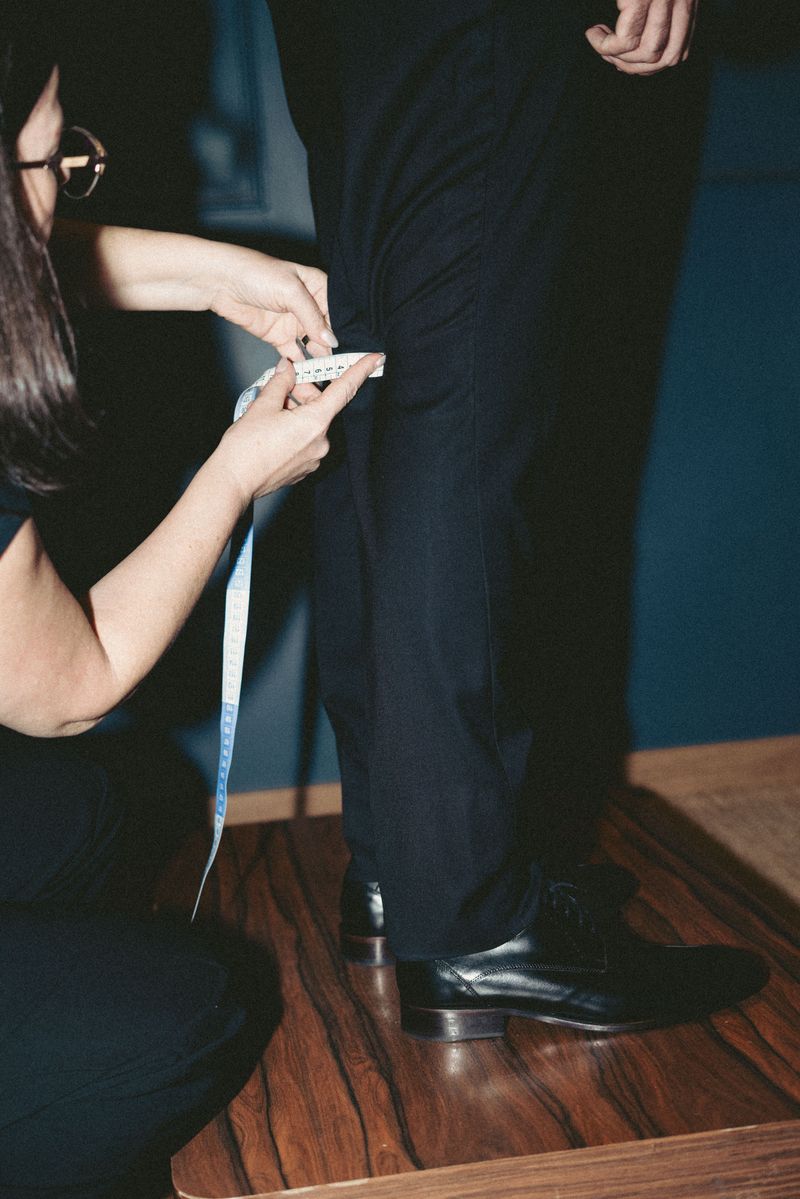
Here’s a secret fashion people love sharing: plenty of great outfits started out fitting just okay.
A tailor made the difference.
Simple alterations can change how clothes look.
Hemming pants to the right length, taking in a waist, or shortening jacket sleeves are common fixes that many shops handle quickly.
Some changes are easy, and others are tricky.
Adjusting a jacket’s shoulders is hard and expensive, so buy jackets that fit there first and tailor the rest.
Tailoring isn’t only for new clothes.
That favorite blazer collecting dust might feel brand new with slimmer sleeves or a better hem.
Find a tailor the same way you’d find a good mechanic.
Read local reviews, start with a small job like hemming pants, and see how it turns out before handing over something precious.
Wear the right shoes to your fitting, since heels or sneakers change where pants should end.
Bring any undershirts or layers you’d normally wear too.
Once you get used to clothes that fit well, it’s hard to go back.
Even inexpensive pieces can look sharper after a quick trip to someone with a needle and good eyes.