 MomSkoop
Some movie and TV speeches do more than move a plot along – they stop time. In a few unforgettable minutes, a great monologue can expose a soul, define a character, and leave you replaying every line long after the credits roll.
These performances are gripping not just because of the words, but because of the way they turn emotion, ideology, and raw presence into something electric. If you love scenes that make your heart race and your brain light up, this list is for you.
1. Rosamund Pike – Gone Girl (2014) – Cool Girl monologue
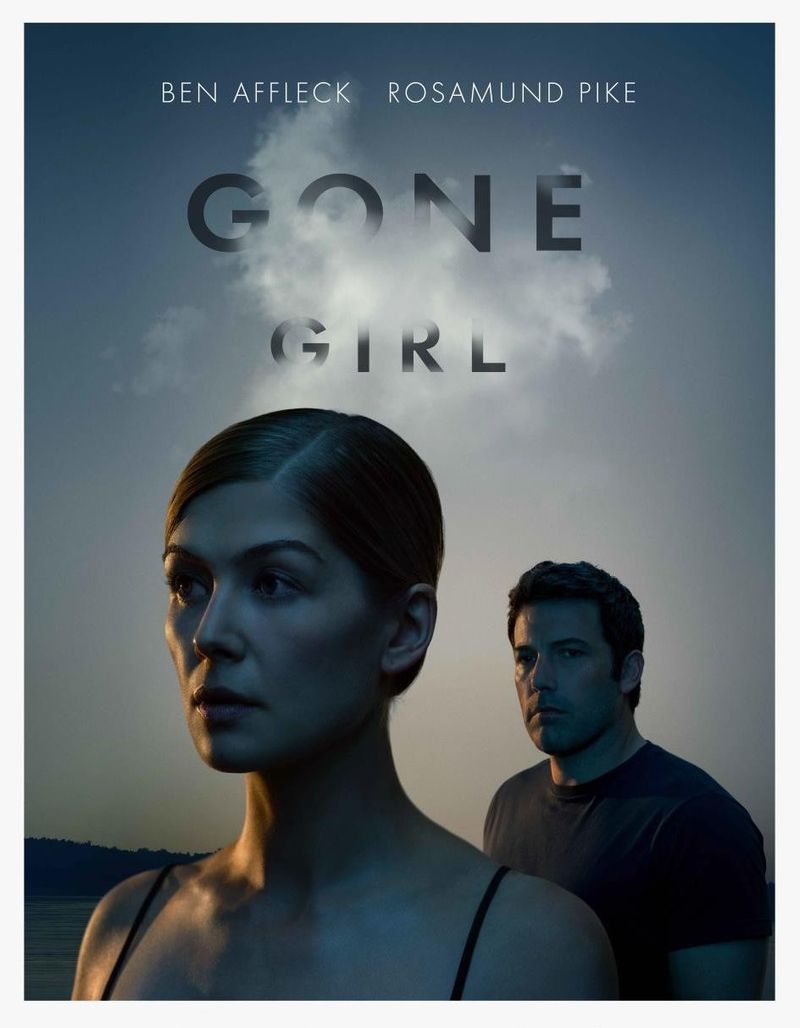
When I think about modern monologues that cut like glass, Amy Dunne’s “Cool Girl” speech is impossible to ignore.
Rosamund Pike delivers it with icy precision, turning every sentence into a quiet threat wrapped in social observation.
You are pulled in by how calm she sounds, even as the character reveals something deeply warped beneath the surface.
What makes it land so hard is the double edge.
It works as a brutally smart critique of how women are expected to perform desirability, but it also exposes Amy’s own manipulative philosophy.
That tension gives the scene its poison.
By the end, you are not just impressed.
You are unsettled, fascinated, and fully aware that control can sound terrifyingly reasonable.
2. Marlon Brando – On the Waterfront (1954) – I coulda been a contender
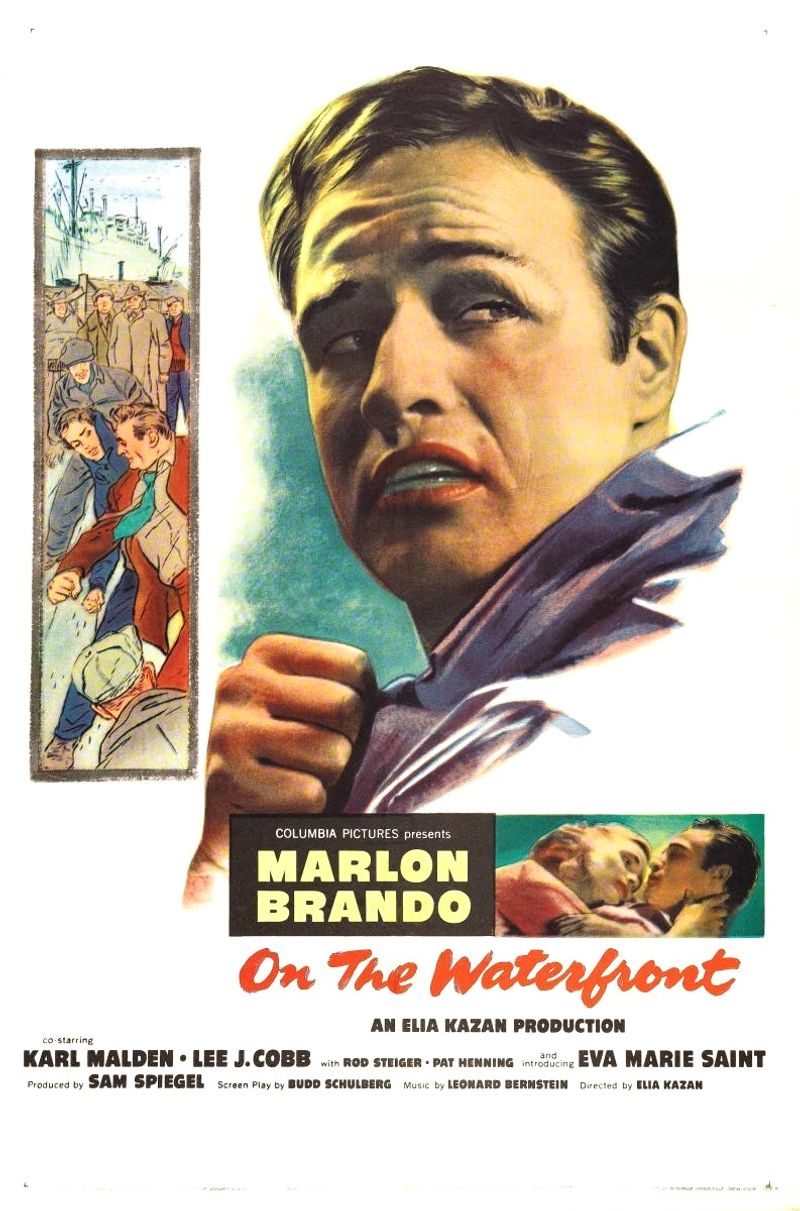
Marlon Brando’s “I coulda been a contender” speech still feels startlingly alive because it never strains for greatness.
In that cramped cab, Terry Malloy speaks with a softness that makes the regret hit even harder.
You can feel a lifetime of missed chances pressing down on every unfinished thought.
The genius of the scene is its intimacy.
Brando avoids grand theatricality and lets the pain leak out through hesitation, disappointment, and wounded affection toward his brother.
That naturalism changed screen acting forever.
It is powerful because it sounds like a real man realizing his life was stolen in plain sight.
Even now, the sadness feels immediate, raw, and heartbreakingly ordinary.
3. Gregory Peck – To Kill a Mockingbird (1962) – Atticus Finch’s closing argument
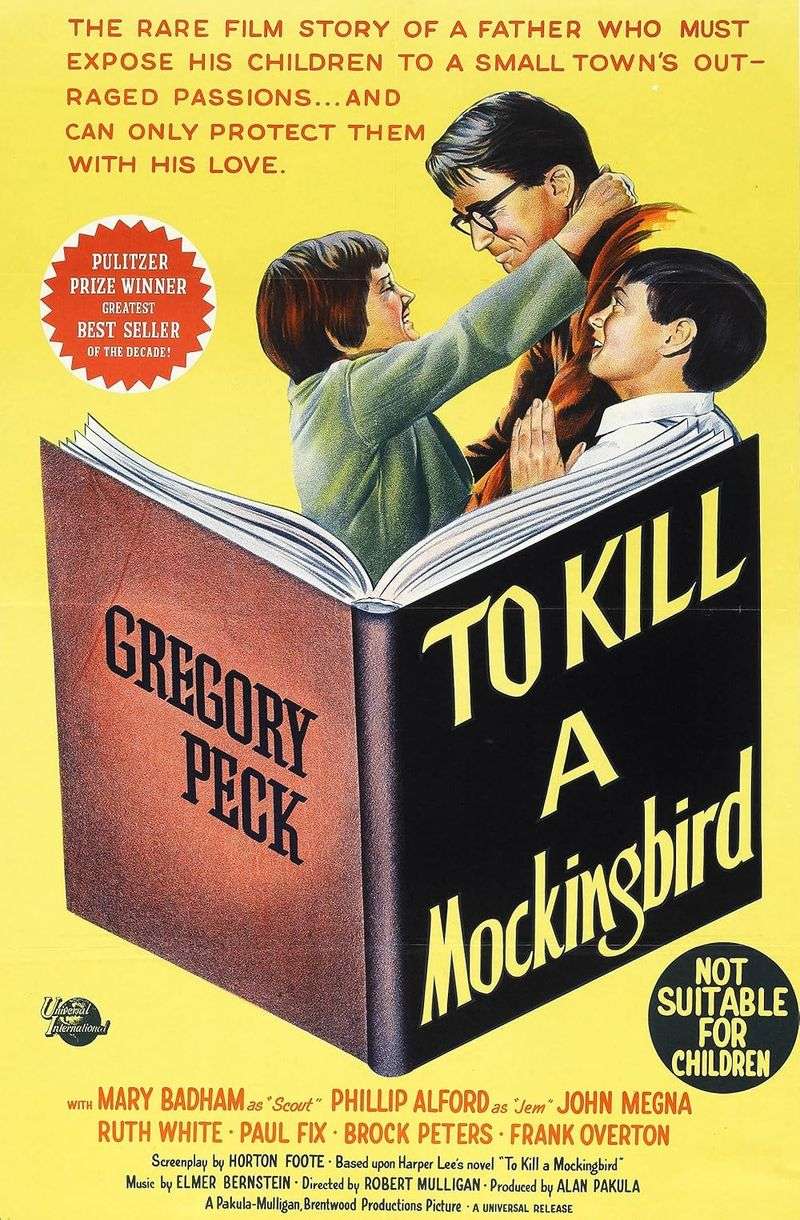
Gregory Peck’s closing argument as Atticus Finch is one of the clearest examples of moral force expressed through restraint.
He does not thunder at the jury or beg for applause.
Instead, you watch him place his faith in reason, conscience, and the fragile idea that justice should belong to everyone.
That calm approach is exactly why the monologue endures.
In a courtroom warped by racial prejudice, Atticus speaks with dignity rather than spectacle, making every word feel principled and deliberate.
Peck’s steady delivery gives the scene uncommon gravity.
What stays with you is not only the argument itself, but the courage behind it.
He stands nearly alone, yet refuses to surrender clarity, compassion, or decency.
4. Peter Dinklage – Game of Thrones (2014) – Tyrion’s trial speech
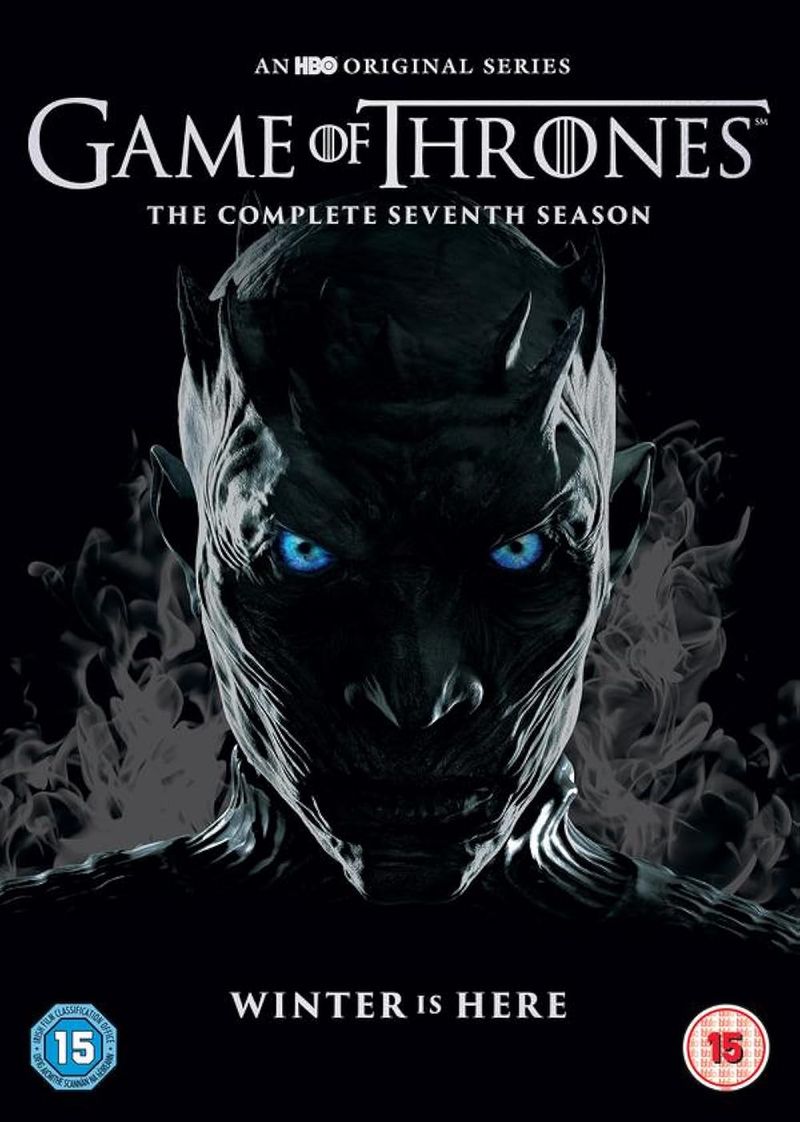
Tyrion Lannister’s trial speech is one of those scenes where years of humiliation explode at once.
Peter Dinklage begins with sharp sarcasm, almost daring the court to keep pretending fairness ever existed there.
As the speech builds, you feel pain, intelligence, rage, and exhaustion colliding in real time.
What makes it unforgettable is how personal and political it becomes.
Tyrion is not only defending himself from a false charge, he is naming a lifetime of prejudice aimed at him before he ever spoke.
Dinklage gives every line wounded fury.
By the time he says he wishes he were the monster they think he is, the scene becomes devastating.
You understand his bitterness, even if you fear what it unleashes.
5. Peter Finch – Network (1976)
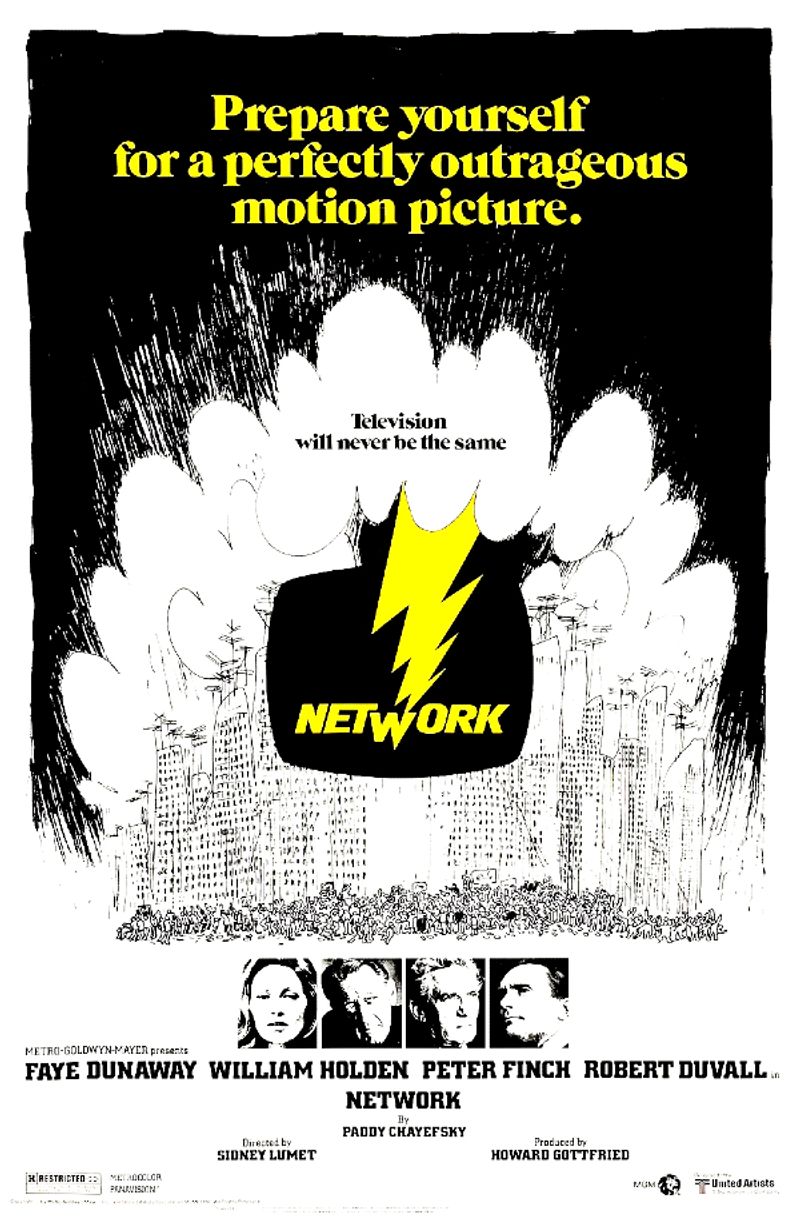
Few monologues have ever captured public fury as instantly as Howard Beale’s “I’m as mad as hell” eruption.
Peter Finch does not simply play anger, he channels exhaustion, disillusionment, and a desperate need to shake people awake.
You can practically feel the audience being dared to stop accepting numbness as normal.
The speech works because it turns private frustration into a collective scream.
Beale is unstable, but the institutions around him feel so hollow that his outrage lands as strangely honest.
Finch rides that contradiction brilliantly.
Its staying power comes from how modern it still feels.
Whenever systems seem indifferent and people feel powerless, this monologue returns like a live wire, buzzing with undiminished relevance and force.
6. Rutger Hauer – Blade Runner (1982) – Tears in rain
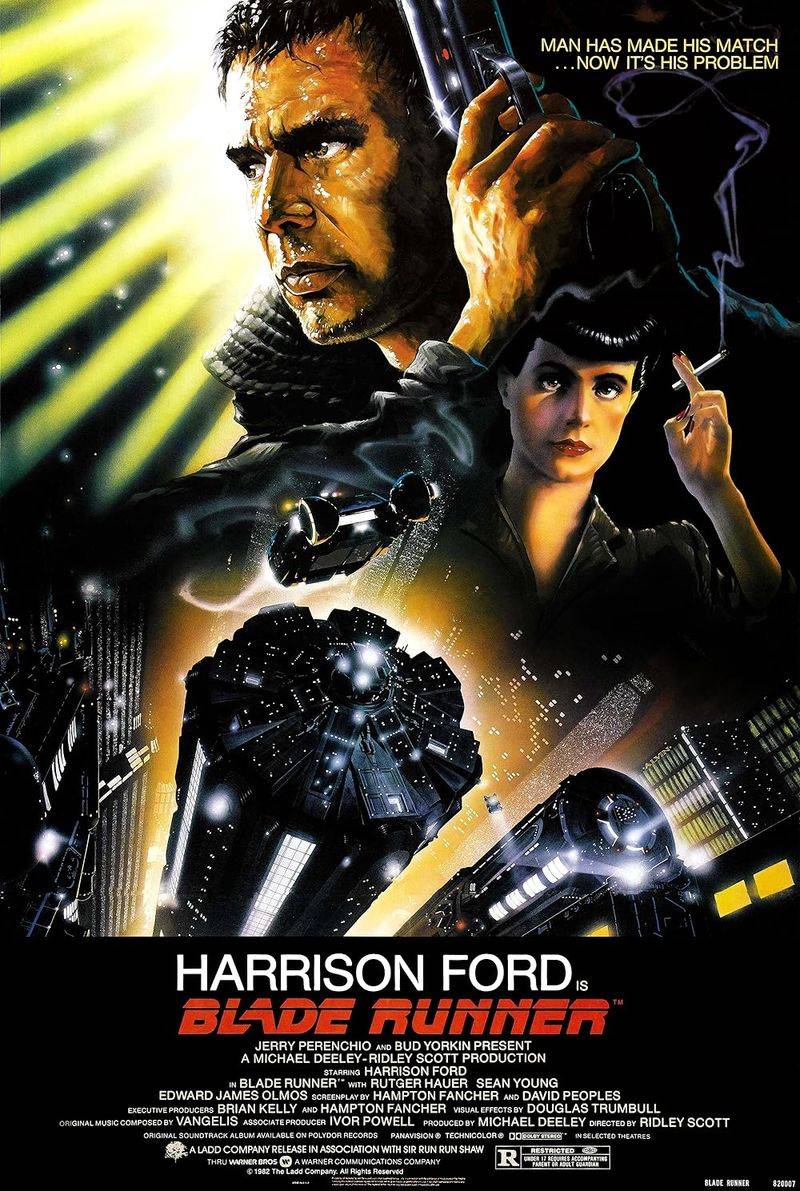
“Tears in rain” lasts only a moment, yet it opens up an entire universe of feeling.
Rutger Hauer takes a hunted replicant and transforms him into something fragile, reflective, and achingly human.
You watch a character facing death with more wonder than bitterness, and that reversal is devastating.
The poetry of the speech matters, but so does its humility.
Roy Batty does not demand pity or revenge in his final seconds.
He simply honors what he has seen and accepts that those memories will vanish with him.
That is why the monologue keeps growing in memory.
It turns science fiction into elegy, asking what a life means when experience is all we truly possess before it disappears into darkness.
7. Jack Nicholson – A Few Good Men (1992) – You can’t handle the truth!
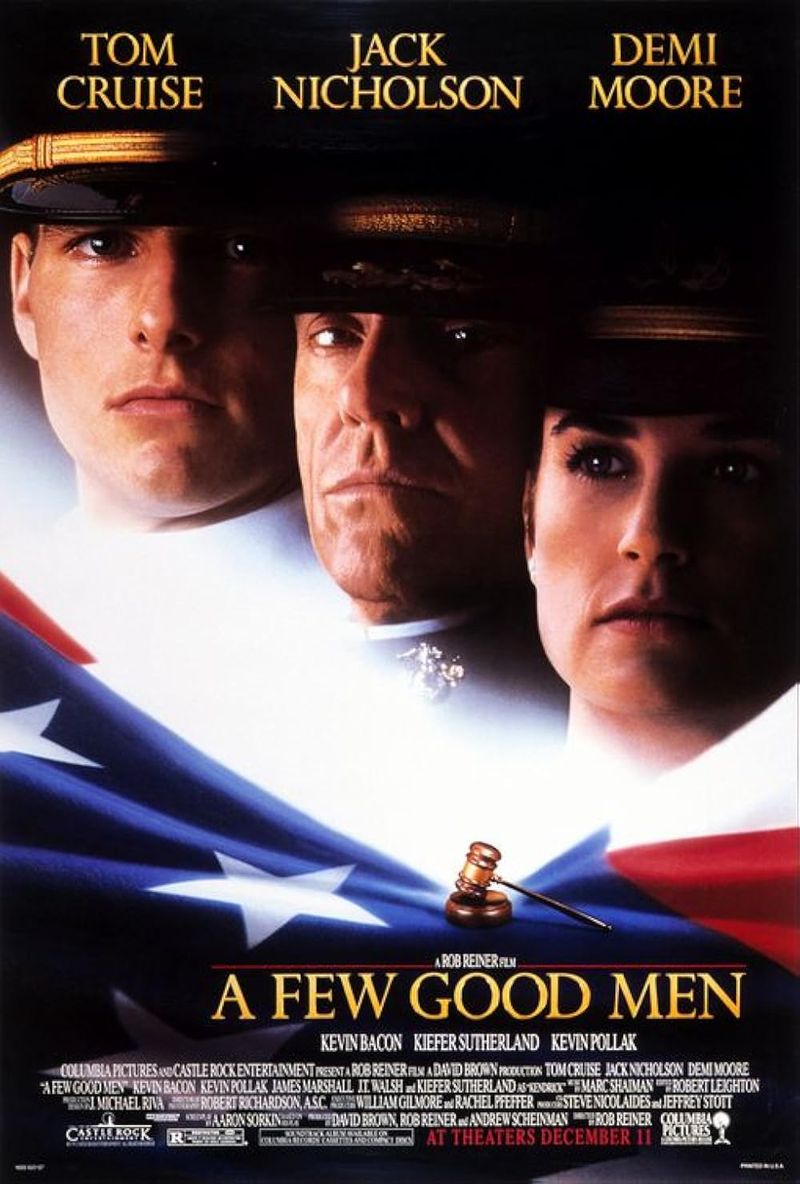
Jack Nicholson turns Colonel Jessup’s courtroom eruption into pure theatrical domination, but what makes it unforgettable is how convincing his twisted logic sounds.
When he snarls, “You can’t handle the truth,” the line hits because it is not just anger.
It is arrogance, certainty, and institutional power speaking without disguise.
The monologue is thrilling because Jessup believes every word.
He sees himself as the necessary monster protecting a fragile society, which makes his worldview both seductive and terrifying.
Nicholson leans into that self-righteousness with total command.
You do not leave the scene simply thinking he is evil.
You leave unsettled by how often power justifies cruelty by calling it duty, necessity, or the price of security.
8. Al Pacino – Scent of a Woman (1992) – School hearing speech
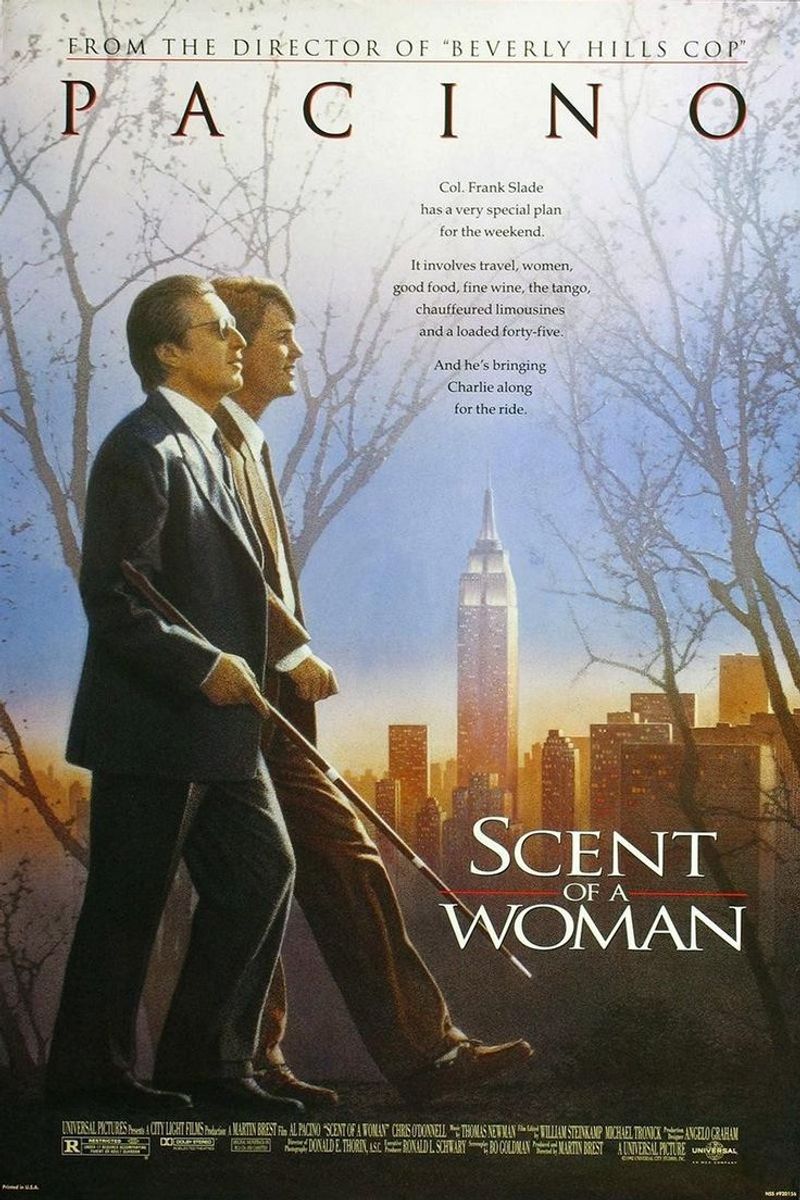
Al Pacino’s speech at the school hearing is one of the great cinematic defenses of integrity.
He storms into a stiff institutional setting and instantly changes the temperature of the room.
You can feel him refusing cowardice on behalf of a young man who is being pushed toward betrayal.
Pacino’s performance is loud, theatrical, and absolutely sincere.
He makes honor sound urgent rather than old-fashioned, condemning moral compromise with the force of someone who has seen what happens when character collapses.
The speech never feels like empty showmanship.
What gives it lasting power is its clarity.
In a world full of careful excuses and convenient silence, this monologue demands that you stand for something before comfort, status, or fear decide who you are.
9. Robin Williams – Good Will Hunting (1997) – Park bench speech
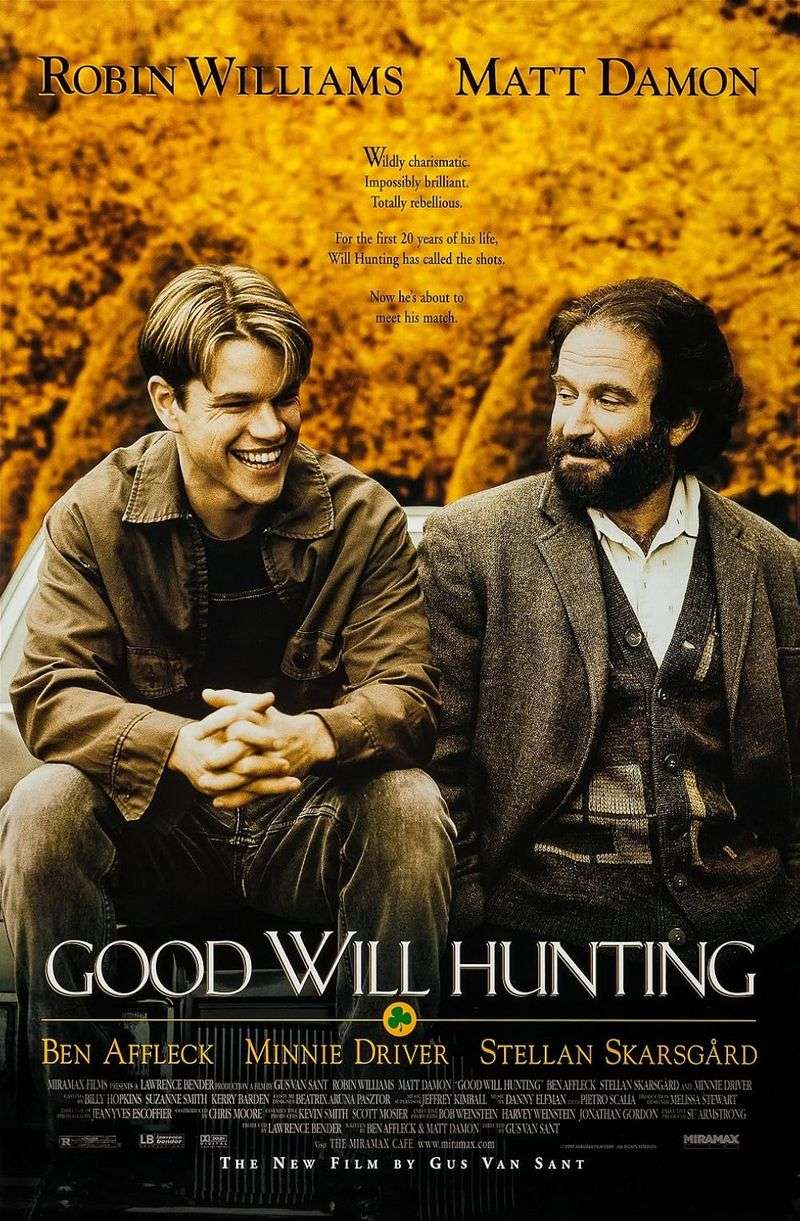
Robin Williams delivers the park bench speech with the kind of quiet certainty that can change a life.
Sean does not try to outsmart Will or humiliate him.
Instead, he calmly explains the difference between reading about life and actually living it, and every word lands with compassionate authority.
The beauty of the monologue is in its gentleness.
Williams layers in love, grief, marriage, art, and loss without sounding rehearsed or preachy, making wisdom feel earned rather than performed.
You are invited to listen, not beaten into agreement.
That emotional generosity is what makes the scene unforgettable.
It is not about winning an argument.
It is about reaching someone through honesty, and showing that vulnerability can be stronger than any intellectual defense.
10. Edward Norton – 25th Hour (2002) – Mirror rant
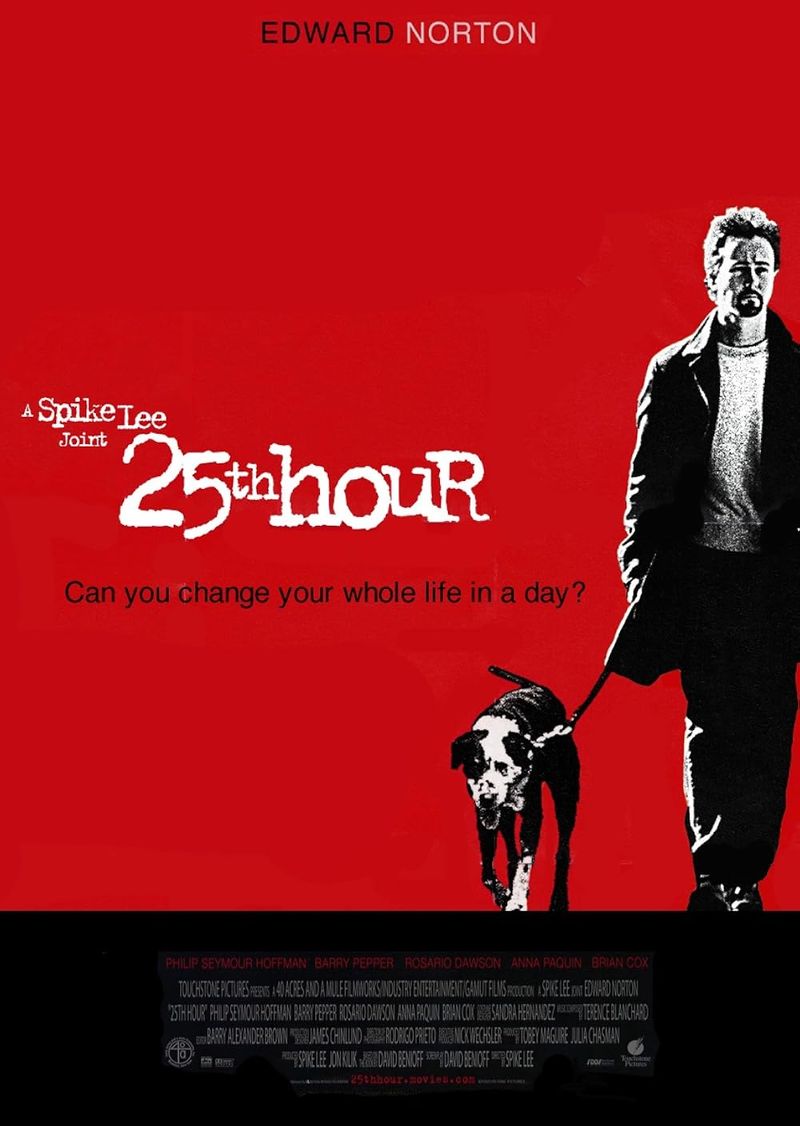
Edward Norton’s mirror rant in 25th Hour feels like being trapped inside a mind fighting itself.
At first, the monologue sprays blame in every direction, lashing out at neighborhoods, strangers, institutions, and the city itself.
You are swept up in its rhythm even as the bitterness becomes increasingly ugly and revealing.
That is what makes the scene so powerful.
Beneath the attack is a man desperately avoiding the one truth he cannot outrun, which is his own responsibility.
Norton lets the rage curdle into self-knowledge without softening any of its ugliness.
By the end, the monologue becomes less about New York and more about denial cracking apart.
It is relentless, uncomfortable, and painfully honest about how people weaponize blame before facing themselves.
11. Daniel Day-Lewis – There Will Be Blood (2007) – I drink your milkshake!
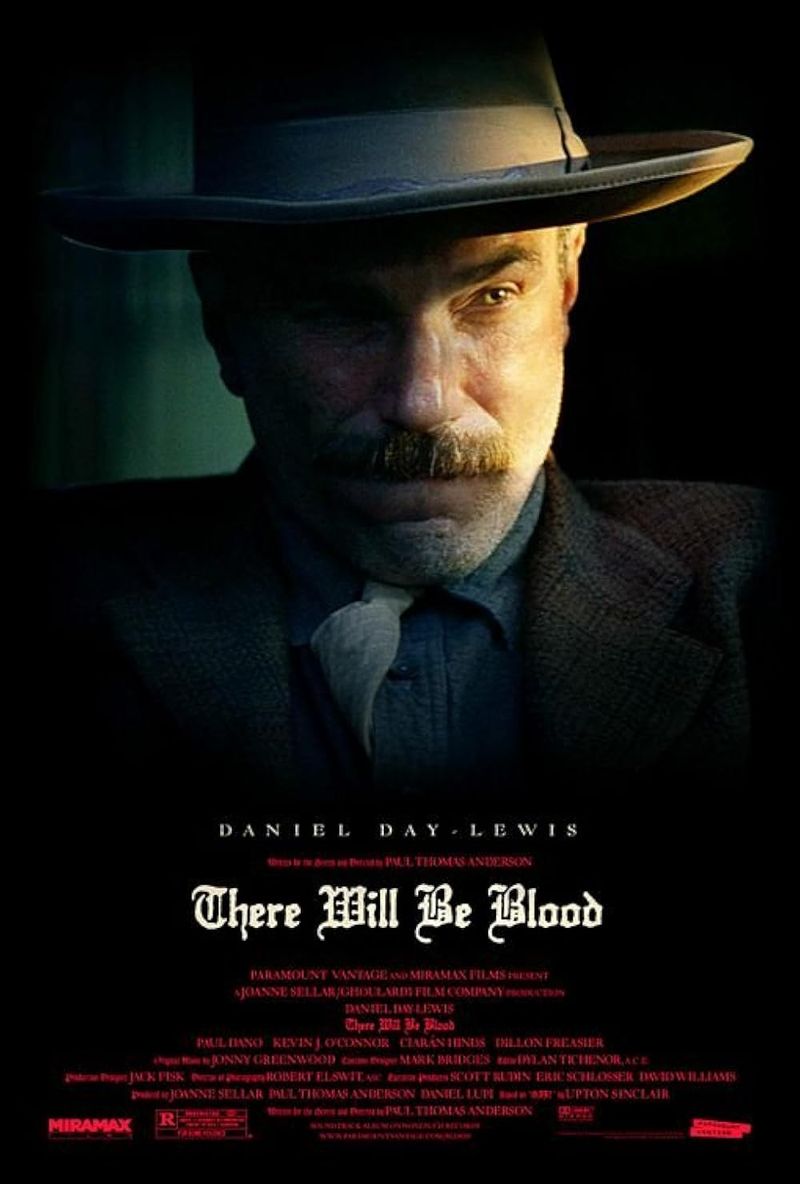
On paper, “I drink your milkshake” sounds almost absurd, but Daniel Day-Lewis makes it terrifying.
As Daniel Plainview explains his dominance, the speech stops being about oil and becomes a declaration of total psychological conquest.
You can feel him savoring not just victory, but humiliation as a weapon.
The monologue works because Day-Lewis commits to Plainview’s mania with frightening precision.
Every pause, glare, and sudden burst of energy reveals a man whose hunger for control has swallowed every trace of empathy.
Power is no longer a means for him.
It is identity.
That is why the scene burns into memory.
It captures ambition in its most diseased form, when success is meaningless unless someone else is crushed beneath it first.
12. Heath Ledger – The Dark Knight (2008) – Joker’s chaos monologue
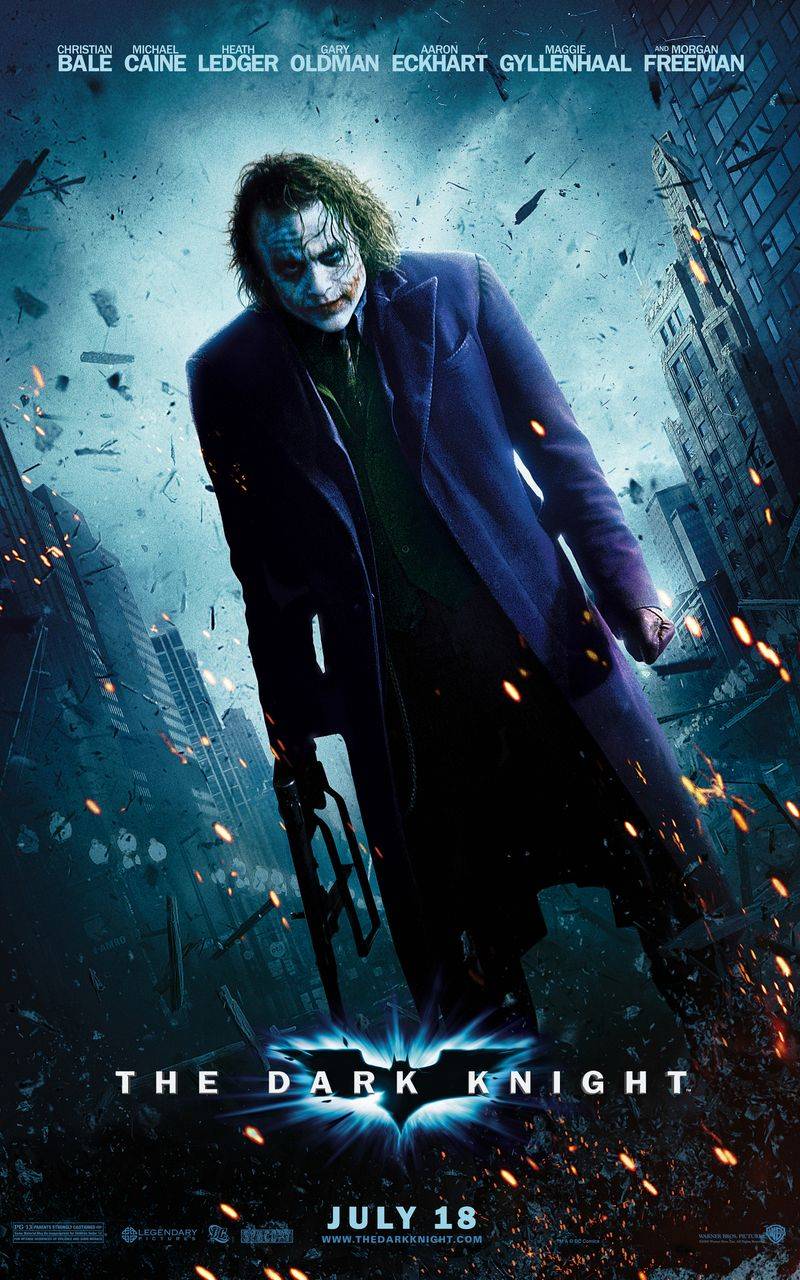
Heath Ledger’s Joker is never more disturbing than when he sounds almost reasonable.
In his chaos monologue, he frames himself not as a criminal mastermind, but as someone exposing how fragile social order really is.
You listen because his tone is playful and calm, which makes the ideas feel even more dangerous.
The brilliance of the speech is how it turns philosophy into menace.
Joker argues that plans, institutions, and moral certainty collapse the second real pressure is applied, and the film keeps proving him partly right.
Ledger delivers that worldview with eerie delight.
What lingers is not just the content, but the confidence.
He does not need approval, revenge, or even money.
He only wants to reveal the hypocrisy underneath civilization, and that makes him terrifying.
13. Bryan Cranston – Breaking Bad (2013) – I am the one who knocks
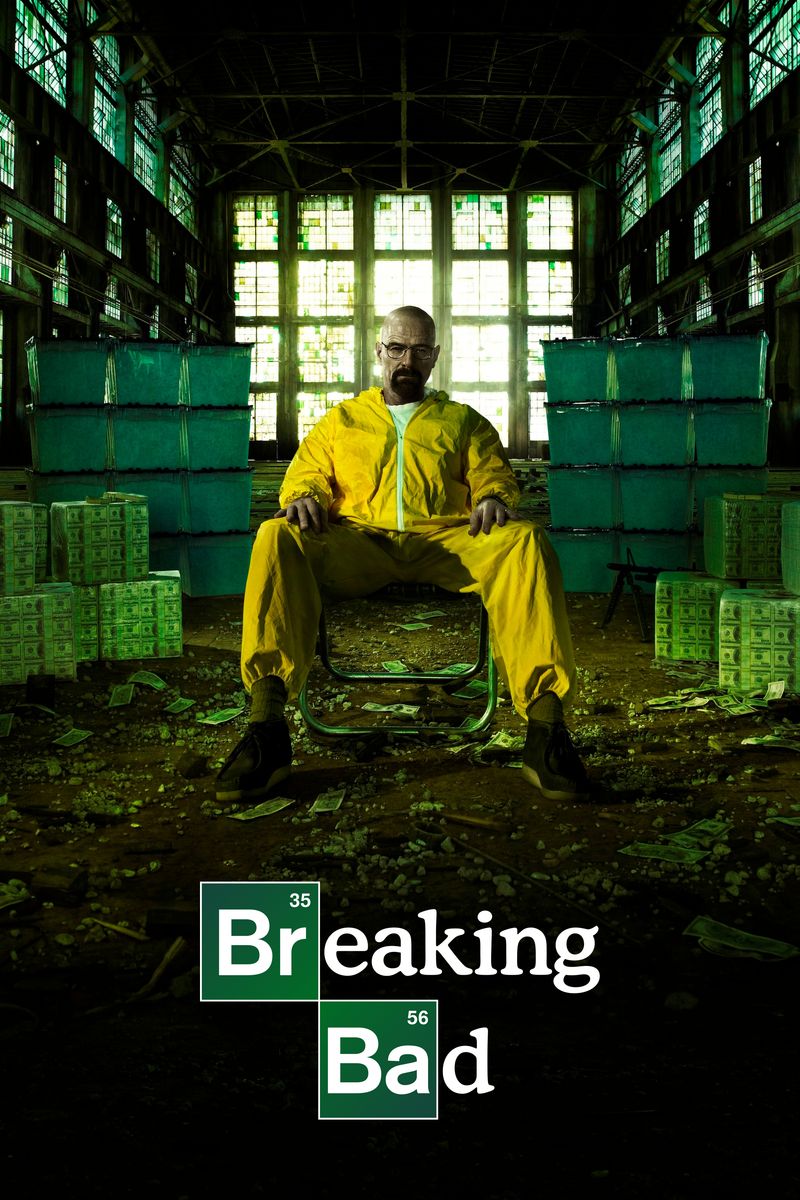
“I am the one who knocks” is the moment Walter White stops pretending he is only reacting to circumstances.
Bryan Cranston delivers the speech with a measured calm that is far more frightening than shouting would be.
You can hear a man constructing his own mythology in real time, and believing every word.
The monologue is powerful because it marks a clean emotional break.
Walt is no longer asking for sympathy as a desperate provider.
He is asserting dominance, demanding fear, and revealing that power now thrills him.
Cranston makes that shift chillingly clear.
What makes the scene unforgettable is its precision.
The threat is controlled, intimate, and domestic, which somehow makes it worse.
By the end, whatever innocence remained around him is gone.
14. Matthew McConaughey – True Detective (2014) – Rust Cohle on time and existence
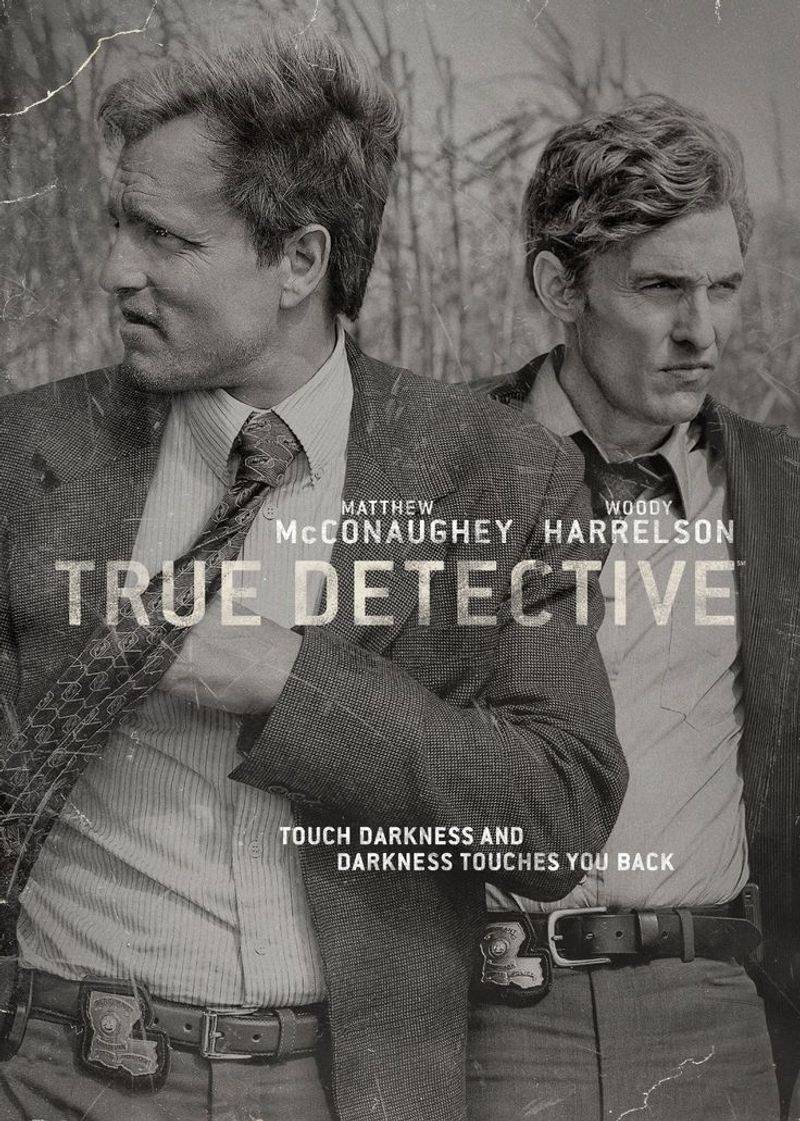
Rust Cohle’s reflections on time and consciousness are memorable because they sound like philosophy dragged through sleeplessness, trauma, and intuition.
Matthew McConaughey gives the words a hypnotic rhythm, making abstract ideas feel strangely intimate.
You are not just hearing theories about existence, you are hearing a man who has stared into the void long enough to make it conversational.
The monologue stands out because it refuses easy comfort.
Time becomes a flat circle, consciousness becomes a mistake, and identity starts to feel less stable than we want to believe.
McConaughey’s delivery keeps it eerie but controlled.
Its power comes from that blend of dread and poetry.
Even if you reject Rust’s worldview, the scene pulls you into it with mesmerizing conviction and unsettling beauty.